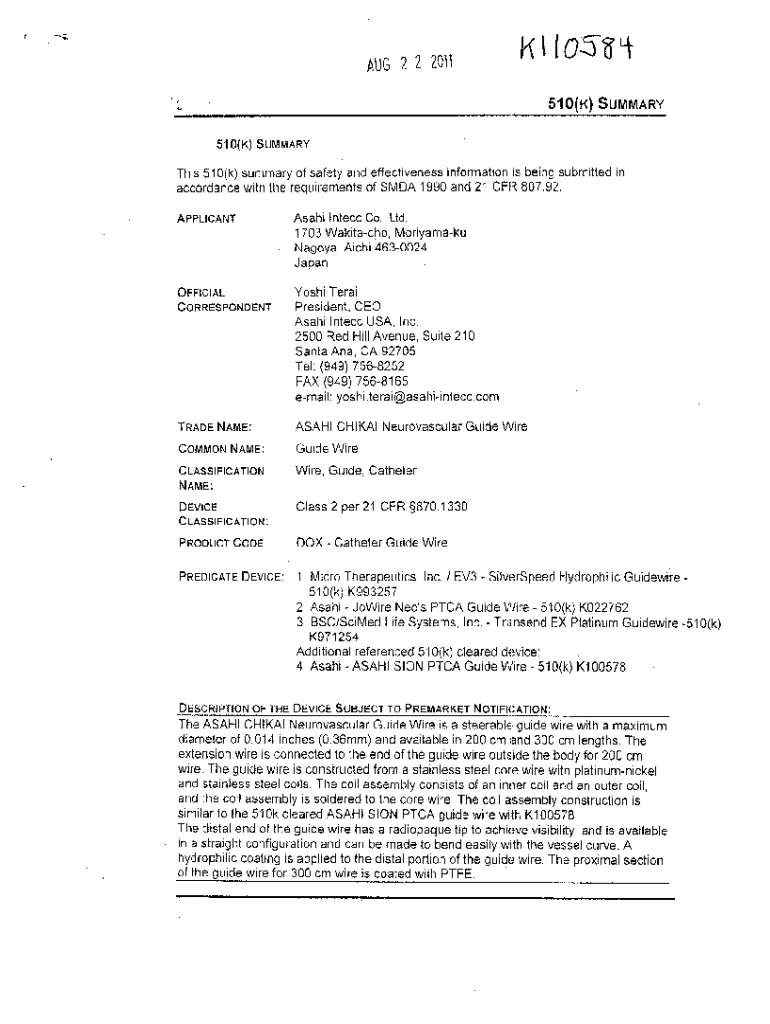
What is a 510k Cover Letter (Explained)
A 510(k) cover letter is a crucial document submitted to the U.S. Food and Drug Administration (FDA) as part of a 510(k) premarket notification. This notification is required for manufacturers who intend to market medical devices in the United States. The cover letter serves as the introductory document, providing essential information about the device and its intended use. It summarizes the key aspects of the submission, including the device’s features, the predicate device(s) used for comparison, and the overall safety and effectiveness of the device. Think of it as a concise overview designed to help the FDA quickly understand the device and assess its eligibility for market clearance. A well-crafted cover letter is the first step toward a successful 510(k) submission, setting the tone for the entire process.
Why is a 510k Cover Letter Important?
The 510(k) cover letter holds significant importance for several reasons. Firstly, it provides the FDA with an initial overview of the device, allowing them to quickly understand its purpose and function. This helps the agency determine the appropriate review pathway. Secondly, a clear and well-structured cover letter demonstrates the manufacturer’s understanding of FDA regulations and their commitment to compliance. A comprehensive letter increases the likelihood of a smooth and efficient review process. Moreover, a well-written cover letter reduces the risk of the FDA requesting additional information, which can significantly delay the approval process. A professional and informative cover letter showcases the manufacturer’s attention to detail and commitment to delivering safe and effective medical devices to the market. This is the front face that represents the work done, so a well-thought letter is a must.
Key Components of a 510k Cover Letter

A comprehensive 510(k) cover letter includes several key components, each serving a specific purpose in the submission process. These elements are critical in providing the FDA with all the necessary information for a thorough evaluation. These components, when combined effectively, ensure a well-structured, informative, and compliant cover letter that supports a successful 510(k) submission. The following sections provide further details on the critical parts of a 510(k) cover letter.
Device Description
This section provides a detailed description of the medical device, including its physical characteristics, materials used, and operational principles. This should clearly explain what the device is, what it does, and how it works. Include diagrams or images if they help clarify the device’s features. The description should be clear, concise, and accurate, leaving no room for ambiguity. Accuracy is essential in describing the device to ensure that the FDA reviewers can understand its function and assess its safety and effectiveness correctly. Always provide precise technical specifications and any relevant performance data, ensuring a comprehensive understanding of the device.
Indications for Use
The indications for use section specifies the medical conditions or purposes for which the device is intended to be used. This should be a clear, concise statement that aligns precisely with the device’s intended use, as described in the labeling and promotional materials. It is crucial that the indications are well-defined and supported by clinical data or scientific evidence. Providing a clear and accurate statement helps the FDA evaluate the device’s suitability for its intended purpose. Any potential risks or benefits related to the device’s use must also be specified, ensuring transparency in the submission. This forms the basis for the evaluation of the device’s effectiveness and potential impact on patient health.
Technological Characteristics
This section outlines the device’s key technological features, including its design, materials, energy sources, and any unique functionalities. A detailed description of the device’s technological aspects is crucial for demonstrating its similarity to a predicate device. Including performance specifications, such as accuracy, sensitivity, and other relevant metrics, helps the FDA to evaluate the device’s safety and effectiveness. Detailed information on the device’s software, electronics, and other complex components may also be required. Any special features, such as remote monitoring capabilities or user interfaces, should be clearly explained. The more detailed the description, the easier it is for the FDA to assess the device.
Comparison to Predicate Device
This critical section compares the new device to a legally marketed predicate device. The comparison should address similarities and differences in design, materials, intended use, and technological characteristics. Provide a detailed table or chart to highlight these comparisons, making it easy for reviewers to assess the device’s substantial equivalence to the predicate. Include any relevant testing data, such as performance testing and bench testing. This allows the FDA to evaluate whether the new device is at least as safe and effective as the predicate device. Clearly explaining the differences, including any new technologies or features, is essential. Provide any reasons for the differences and explain why they do not raise new questions of safety and effectiveness.
How to Structure Your 510k Cover Letter
Structuring your 510(k) cover letter effectively is essential for clarity and efficiency. Following a clear format makes it easier for the FDA reviewers to navigate the information. By structuring the letter properly, you can ensure that all the necessary information is presented in a logical and easily understandable manner, promoting a smooth review process and increasing the likelihood of approval. The structure should be designed to ensure that the most critical information is readily accessible, and the letter must be concise and well-organized.
Header and Introduction

The header should include the company’s name, address, and contact information. Also, include the date of the submission and the device’s trade name. The introduction should briefly state that the document is a 510(k) premarket notification, and provide a summary of the device’s intended use. Clearly identify the device being submitted and state the purpose of the letter. Be concise and set a professional tone from the beginning.
Device Description Details
Elaborate on the device description, including its physical characteristics and operating principles. Ensure the description is detailed enough for the FDA to understand the device’s functionalities. Include any relevant diagrams, images, or schematics to aid in understanding. Mention the materials used, and any special features or unique functionalities of the device. Ensure the description accurately reflects the device’s design and how it is intended to be used. Provide the technical specifications, such as dimensions, weight, and energy source.
Indications for Use Explanation
Clearly state the intended medical conditions or purposes for which the device is intended to be used. This should align with the device’s labeling and promotional materials. Support the indications with scientific evidence or clinical data. Include any potential risks and benefits associated with the device’s use. Be sure that this aligns with the regulatory requirements and the device’s intended use as accurately as possible. This section provides a basis for evaluating the device’s suitability and impact on patient health.
Predicate Device Comparison Deep Dive

Compare your device to the predicate device, highlighting the similarities and differences in design, materials, intended use, and technological characteristics. Use a table or chart to present the comparison clearly and effectively. Reference any relevant testing data and explain any differences, and why they don’t raise any new questions of safety and effectiveness. This comparison is crucial for demonstrating substantial equivalence to the predicate device. Ensure that the analysis is comprehensive and addresses all relevant aspects of the device.
Technological Characteristics Highlight
Provide a detailed description of the device’s technological features, including its design, materials, energy sources, and unique functionalities. Include performance specifications and any relevant performance data. Mention software, electronics, and other complex components in detail, highlighting any special features. Ensuring that all features are adequately described is crucial. This description will help the FDA evaluate the device and determine its suitability.
Essential Tips for a Strong 510k Cover Letter
Creating a strong 510(k) cover letter requires attention to detail and a thorough understanding of FDA requirements. Following these tips can increase the likelihood of a successful submission. Proper attention to these factors improves the overall effectiveness of the letter, ensuring a smooth and efficient review process. A well-crafted cover letter significantly increases the chances of a positive outcome. By carefully addressing each point, you can enhance the quality and persuasiveness of your submission.
Use Clear and Concise Language

Avoid jargon and technical terms that are not necessary. Write in plain language, using short, direct sentences. Make sure that the information is easy to understand. Always be clear and avoid ambiguity. Use simple and easy-to-understand language to convey all information. This helps to ensure that the FDA reviewers can easily understand all aspects of the device.
Provide Supporting Documentation
Include references to all supporting documents, such as test results, clinical data, and any relevant standards. Make sure that all documents are properly labeled and organized. Make it easy for reviewers to find the documents they need. Use appendices or separate attachments to organize supporting information. These supporting documents provide essential evidence to support claims and demonstrate the device’s safety and effectiveness.
Proofread Carefully
Proofread the cover letter multiple times to check for any grammatical errors, typos, or inconsistencies. Have a colleague or a regulatory expert review the document. Errors can undermine the credibility of the submission. Make sure that the letter is well-organized and easy to read. Correct all mistakes before the final submission to ensure a professional and accurate document.
Common Mistakes to Avoid
Avoiding common mistakes can prevent delays and improve the chances of approval. Common mistakes can lead to rejection or requests for additional information. Thoroughness and attention to detail help mitigate potential issues. Knowing these common pitfalls will help you prepare a more effective and compliant 510(k) cover letter.
Overlooking Regulatory Requirements
Always review and adhere to all applicable FDA regulations and guidelines. Failing to meet the requirements can result in delays. Stay up-to-date on the latest requirements. Consult with regulatory experts to ensure compliance. Thorough understanding and adherence to regulations are crucial for a successful submission, so make sure that you’re up to date.
Inaccurate Device Descriptions
Ensure all device descriptions are accurate and complete. Be precise and avoid vague language. Double-check all technical specifications and performance data. If it is inaccurate, it can cause confusion. Always provide detailed, correct information about the device to make sure that the FDA understands the product. This helps to ensure that the device is properly classified and reviewed.
Submitting Without Proper Formatting

Format the cover letter according to FDA guidelines. Use a professional and organized format. Ensure that the document is easy to read and navigate. Proper formatting can make the review process easier. Make sure that all sections are clearly labeled and all information is presented in a logical order. Following the prescribed format demonstrates professionalism and attention to detail.
Finalizing Your 510k Cover Letter
Before submitting, several final steps are essential to ensure the highest quality and compliance. These steps help in verifying the completeness and accuracy of the document. Taking the time to complete these steps will increase your chances of getting your product approved.
Review and Revision
Conduct a thorough review of the entire document. Verify all information and references. Make sure that all components are included and that the letter is clear and accurate. Make any necessary revisions. Obtain feedback from regulatory experts. This helps to ensure the highest level of accuracy and completeness before submission. Double-check everything to verify accuracy.
Submission Process
Understand the FDA’s submission requirements and the procedures. Submit the cover letter and the supporting documentation via the correct channels. Ensure that all required forms and fees are included. Keep a copy of the submission for your records. Make sure that all documents are in compliance. Following the process ensures that your submission is properly received. Make sure to keep everything in order.