Crafting the Perfect Adjunct Faculty Cover Letter
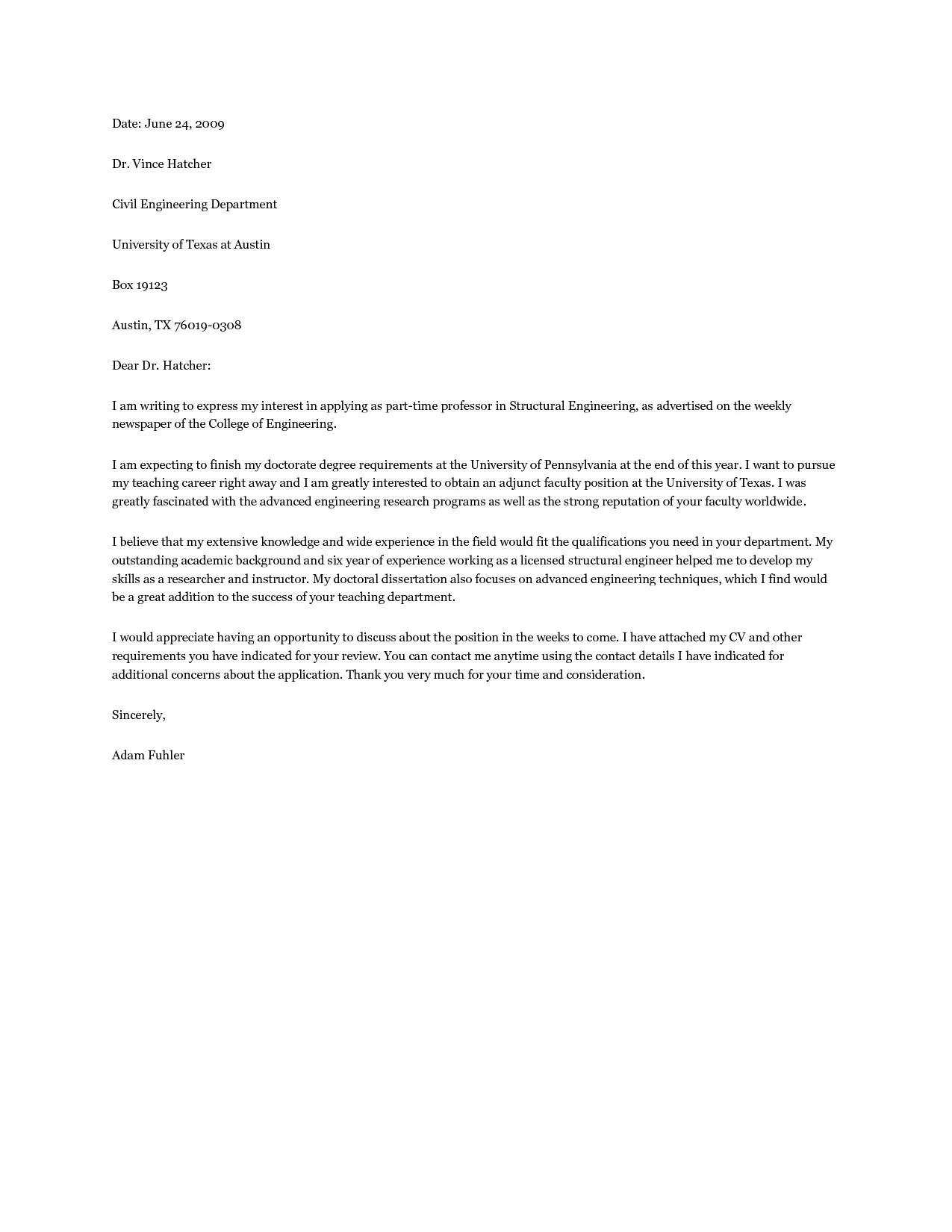
A well-crafted cover letter is your first opportunity to impress a hiring committee and secure an adjunct faculty position. It’s more than just a formality; it’s a crucial marketing tool that showcases your qualifications, passion for teaching, and understanding of the role. This guide provides a comprehensive approach to writing a cover letter that will help you stand out from the competition. By following these steps, you can create a compelling document that increases your chances of landing your dream job in academia. Remember, your cover letter must be tailored to each specific position. Generic letters will not make a good impression. The focus should be on how your skills and experience aligns with the university’s and the department’s needs and values. The goal is to make a strong case for why they should interview you.
Understanding the Adjunct Faculty Role
Before you start writing, it’s essential to understand what an adjunct faculty member does. Adjunct faculty members are typically part-time instructors who are hired on a contract basis to teach specific courses. They play a vital role in higher education by bringing real-world experience and specialized knowledge to the classroom. This understanding will help you write a more focused and effective cover letter. The role requires a blend of subject matter expertise, strong communication skills, and the ability to engage students effectively. Be sure to research the specific requirements and expectations of the department and university to align your letter appropriately.
Key Responsibilities of Adjunct Faculty

Adjunct faculty members typically have several key responsibilities. They are responsible for preparing course materials, delivering lectures, grading assignments, and providing feedback to students. Some may also be involved in student advising and attending department meetings. Highlight any relevant experience related to these duties in your cover letter. This includes experience with curriculum development, online teaching platforms, and student assessment. Show the hiring committee that you understand the expectations and are ready to step in and contribute effectively. Be specific about the ways in which you have fulfilled these responsibilities in the past.
Highlighting Your Qualifications
Your cover letter should be a showcase of your qualifications. This section is where you connect your skills and experiences to the needs of the university and the specific position. Be sure to directly address the requirements listed in the job description. Carefully review the job posting and identify the key qualifications. The goal is to align your letter with the job description as much as possible. Demonstrate that you possess the skills and experiences they seek. Avoid simply listing your qualifications; instead, explain how you have used these skills and experiences in your previous roles and how they will benefit the university.
Education and Experience
Start by listing your relevant educational background and professional experience. Be sure to tailor this information to the specific requirements of the position. Include details about the institutions you attended, the degrees you earned, and the dates of your education. Describe your previous teaching experience, including the courses you taught, the level of students, and the teaching methods you used. Emphasize any accomplishments or awards you received. If you have experience in industry, highlight how your practical knowledge can enhance the students’ learning experience. This section provides concrete evidence of your ability to teach and contribute to the department.
Skills and Expertise

Identify and highlight the skills and expertise that make you a strong candidate. This could include your subject matter knowledge, your ability to create engaging lesson plans, your proficiency with online learning platforms, or your experience with student assessment. Quantify your accomplishments whenever possible. For example, you might mention how you improved student performance or increased student engagement in your previous roles. Consider including a skills section in your cover letter to clearly showcase your capabilities. This helps the hiring committee quickly grasp your qualifications. Make sure the skills you mention align with the requirements listed in the job description.
Showcasing Your Teaching Philosophy
A brief teaching philosophy statement is a crucial part of your cover letter. This statement should explain your approach to teaching, your values, and your goals as an educator. Describe how you create a positive and engaging learning environment. Discuss the teaching methods you use. Explain how you assess student learning. Talk about your ability to differentiate instruction to meet the needs of diverse learners. Provide a clear sense of your passion for teaching and your commitment to student success. The teaching philosophy should show the hiring committee what you believe in and how you will approach teaching the course.
Emphasizing Relevant Experience
Focus on the experience that is most relevant to the position. If you have a varied background, emphasize the skills and experiences that align with the job description. If you’re switching careers, explain how your previous experience has prepared you for the role. This section is your opportunity to make the strongest case for why you’re the right fit. The goal is to show how your experiences are directly applicable to the position. Don’t just list your responsibilities, but also provide examples of your accomplishments and how you’ve contributed to previous roles. Specific examples will make your cover letter more compelling.
Tailoring Your Letter to the Specific Position

Customization is key to writing a successful cover letter. Do not send the same letter to multiple universities. Customize your cover letter for each position you apply for. Research the specific needs of the department and highlight the skills and experience that are most relevant. This shows the hiring committee that you have taken the time to understand the role and the university’s requirements. This shows your genuine interest and that you are willing to go the extra mile. Generic cover letters are easily dismissed by hiring committees. Always proofread and make sure your cover letter is free from grammatical errors and typos.
Researching the Department and University
Before you start writing, research the department and the university. Understand their mission, values, and goals. Identify the specific courses you will be teaching and the needs of the students. Visit the university’s website and review the department’s website. Read faculty profiles, course descriptions, and any published research or reports. This research will help you tailor your cover letter to the specific requirements of the position and show the hiring committee that you are genuinely interested in the opportunity and understand the university’s mission. Demonstrate your interest in the university by referencing specific initiatives or values.
Matching Skills to Job Requirements
Carefully review the job description and identify the key skills and qualifications. Then, match your skills and experience to the requirements listed. Provide specific examples of how you have used these skills in your previous roles. This could be teaching methods, curriculum development, or assessment strategies. Use the same language as the job description. This ensures the hiring committee knows you have the necessary qualifications. This helps demonstrate that you’re the perfect candidate. This section should demonstrate that you understand the requirements and can fulfill them effectively.
Structuring Your Cover Letter

A well-structured cover letter is easy to read and understand. This makes it easier for the hiring committee to quickly grasp your qualifications. Use a professional format, clear headings, and concise paragraphs. Make sure the structure flows logically. Ensure the organization highlights your key qualifications. You should structure your cover letter with an opening, body, and closing paragraph. Always proofread before submitting. Make sure your cover letter is free from grammatical errors and typos. Avoid using jargon or overly complex language. The structure must support your message, making it easy for the reader to understand your qualifications.
Formatting Your Letter
Use a professional font and format your cover letter in a clear and easy-to-read manner. Ensure that your name and contact information are at the top of the letter. Include the date, the hiring manager’s name (if known), and the department to which you are applying. Use single spacing and left-aligned text. Use a professional font such as Times New Roman or Arial. Use headings to break up the text and make it easier to read. This makes a good first impression. Ensure your cover letter has a consistent format throughout.
Opening Paragraph
Your opening paragraph should immediately grab the reader’s attention. Start by stating the position you are applying for and where you saw the advertisement. Briefly introduce yourself and highlight your key qualifications. Clearly state your enthusiasm for the position. Express your interest in the university and the specific department. This is your first chance to make a positive impression. Make sure it is engaging and reflects your personality and passion for teaching. You have a limited time to make a strong initial impact.
Body Paragraphs

The body paragraphs are where you provide more detail about your qualifications and experience. Each paragraph should focus on a specific aspect of your application, such as your education, teaching experience, skills, or teaching philosophy. Use clear and concise language. Provide specific examples to support your claims. Quantify your accomplishments whenever possible. Address any gaps in your employment history or any concerns the hiring committee might have. The body paragraphs should provide the essential details. Use strong action verbs to describe your achievements and responsibilities. Ensure that each paragraph connects back to the requirements of the position.
Closing Paragraph
Your closing paragraph should summarize your interest in the position. Reiterate your qualifications and your enthusiasm. Thank the hiring committee for their time and consideration. Include a call to action, such as inviting them to contact you for an interview. Be confident and enthusiastic, and let them know you are eager to discuss your application further. This section is your final opportunity to make a lasting impression. End your cover letter with a professional closing, such as “Sincerely” or “Best regards,” followed by your name and contact information.
Proofreading and Editing
Before submitting your cover letter, proofread it carefully for any errors. Check for grammatical errors, typos, and inconsistencies in formatting. Ask a friend or colleague to review it as well. A fresh pair of eyes can often catch mistakes you might have missed. Ensure the letter is free from errors. Proofreading and editing are essential to make a good impression. The final step is to make sure that your cover letter is polished and professional. Make certain that your cover letter conveys the message you want to send. Always use a professional tone and proofread thoroughly.