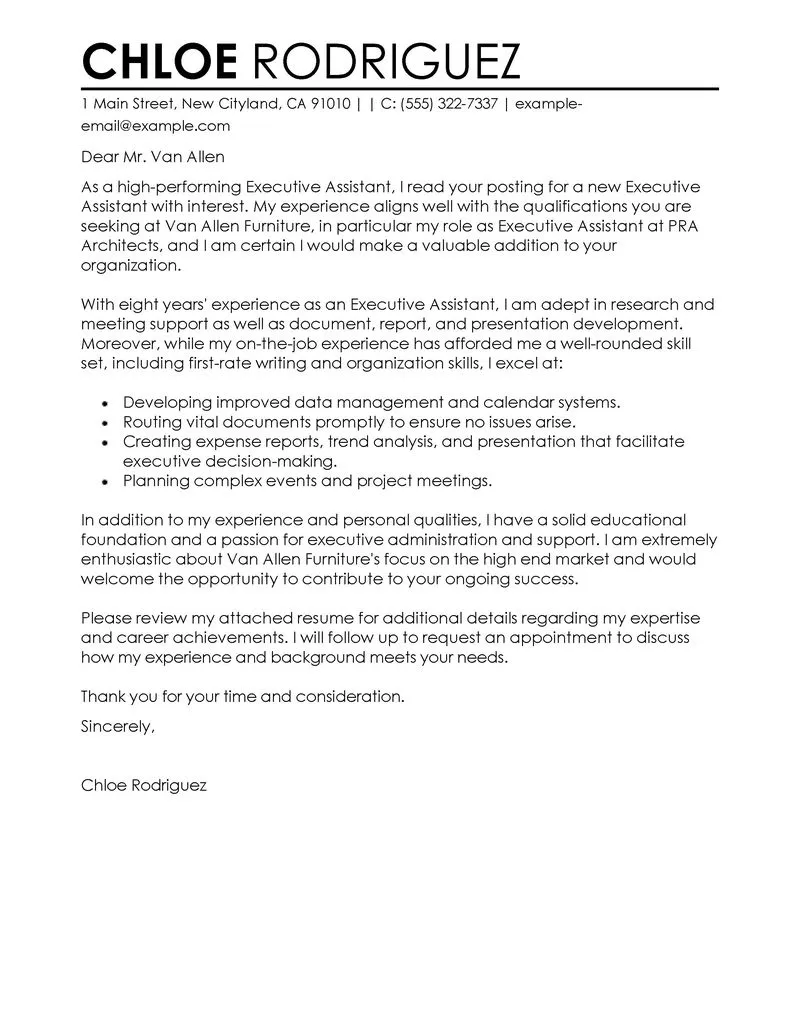
Cover Letter for Administrative Assistant Jobs
Landing an administrative assistant position requires more than just a stellar resume. A well-crafted cover letter is your secret weapon, offering a crucial opportunity to showcase your personality, skills, and enthusiasm for the role. This guide breaks down the essential elements of an impactful cover letter specifically tailored for administrative assistant jobs, helping you make a lasting impression and secure an interview. Remember, your cover letter is your first chance to connect with the hiring manager, so make it count. This article will walk you through crafting a cover letter that not only highlights your qualifications but also sets you apart from the competition. Crafting a great cover letter is easier when you understand the core components and how to present your skills effectively.
Understanding the Importance of a Cover Letter
In the competitive job market, a cover letter serves as your personal introduction, providing context to your resume and demonstrating your genuine interest in the administrative assistant role. It’s a chance to go beyond listing your skills and experience, allowing you to connect with the hiring manager on a more personal level. A strong cover letter tells a story, showing why you are the perfect fit for the specific company and position. It gives you the space to express your communication skills and enthusiasm for the role. This is a key element to show your value and the benefits of having you onboard. A well-written cover letter significantly increases your chances of getting noticed and securing an interview.
What a Cover Letter Does for You

A cover letter allows you to expand on your resume and highlight specific achievements that align with the job requirements. It demonstrates your writing skills, attention to detail, and your understanding of the company’s values and needs. It showcases your personality and enthusiasm, which a resume alone cannot convey. Furthermore, a cover letter allows you to explain any gaps in your employment history or career changes. It gives you the space to express your motivation and goals. It also allows you to tailor your application to the specific role.
Why This Is Different Than a Resume
A resume is a factual summary of your skills and experience, whereas a cover letter is a narrative that complements your resume. The resume lists your accomplishments and qualifications, while the cover letter explains why those qualifications make you the ideal candidate for the specific role. It allows you to showcase your personality, writing style, and communication skills. A cover letter provides context, explaining how your past experiences and skills align with the job requirements and the company’s culture. It’s your opportunity to demonstrate your passion for the administrative assistant role and your commitment to the company.
Essential Components of an Administrative Assistant Cover Letter
Crafting a compelling cover letter involves several key components that, when combined, create a persuasive argument for why you’re the best candidate. Each element serves a specific purpose and contributes to the overall impact of your application. Including all the key elements shows you are organized and able to follow instructions.
Your Contact Information and the Date

Start your cover letter with your contact information, including your name, address, phone number, and email address. Ensure your email address is professional. Below your contact information, include the date you are sending the letter. This information is essential for the hiring manager to easily contact you. Use a clear and professional font.
The Hiring Manager’s Information
If possible, address your cover letter to a specific person, such as the hiring manager or the human resources representative. Research the company to find out who is in charge of hiring for the administrative assistant position. If you can’t find a specific name, use a professional salutation like “Dear Hiring Manager.” Personalizing your cover letter shows that you’ve taken the time to research the company and the role, indicating your interest and attention to detail. This also helps ensure that your cover letter goes directly to the person who will be reviewing it.
A Compelling Salutation
Begin your cover letter with a professional salutation, such as “Dear Mr./Ms. [Last Name],” if you know the hiring manager’s name, or “Dear Hiring Manager,” if you don’t. Avoid generic salutations like “To Whom It May Concern.” This is your first opportunity to make a good impression, so choose a salutation that is both respectful and appropriate for the company culture. Make sure you spell the name correctly, always double-check for accuracy.
Opening Paragraph that Grabs Attention

Your opening paragraph should immediately grab the hiring manager’s attention. Start by stating the position you are applying for and how you learned about the opportunity. Then, briefly mention your key skills and qualifications, and express your enthusiasm for the role and the company. This paragraph sets the tone for the rest of your letter, so make sure it’s concise, engaging, and highlights your most relevant qualifications. You want to make sure your opening paragraph is strong enough to make the hiring manager read the rest of your cover letter.
Highlighting Relevant Skills and Experience
In the body of your cover letter, provide specific examples of your skills and experience that align with the job requirements. Mention your experience with tasks such as scheduling appointments, managing correspondence, handling phone calls, and preparing reports. Use keywords from the job description to demonstrate that you understand the role and its responsibilities. Quantify your achievements whenever possible. For example, “Managed a team of five administrative staff, resulting in a 15% increase in productivity.” Demonstrating that you know what you are doing is a must.
Quantifying Achievements to Make Impact
Whenever possible, quantify your achievements to demonstrate your impact in previous roles. Instead of saying “Improved office efficiency,” say “Implemented a new filing system that reduced document retrieval time by 20%.” Use numbers and data to show the value you bring to the table. This makes your accomplishments more concrete and measurable. Quantifying your achievements demonstrates your ability to deliver results and provides concrete evidence of your skills and experience.
Showcasing Your Personality and Fit

While showcasing your skills and experience is crucial, your cover letter also allows you to express your personality and enthusiasm for the role. Describe why you are excited about the opportunity and what you admire about the company. Briefly mention your career goals and how the administrative assistant position aligns with them. This demonstrates your passion and commitment, showing that you are more than just a qualified candidate; you are also a good fit for the company culture. Your personality should shine through. Be yourself. This helps make the cover letter feel more like a genuine conversation.
A Strong Closing Paragraph
Conclude your cover letter by summarizing your interest in the position and reiterating your key qualifications. Express your gratitude for the opportunity to be considered for the role. Include a call to action, such as “I am eager to discuss my qualifications further” or “I look forward to hearing from you soon.” End your letter with a professional closing, such as “Sincerely,” or “Best regards,” followed by your typed name. This is a summary of what you have to offer and a courteous way to end your cover letter.
Proper Formatting and Proofreading
A well-formatted and error-free cover letter is essential for making a professional impression. The appearance of your cover letter reflects your attention to detail and your respect for the hiring manager’s time. Make sure your cover letter is visually appealing and easy to read. It’s about more than just the content; the format matters just as much. You want to show the hiring manager that you can present yourself in a professional manner.
Font and Style Guidelines

Choose a professional and easy-to-read font, such as Times New Roman, Arial, or Calibri, with a font size between 10 and 12 points. Use consistent formatting throughout your cover letter, including the same font, font size, and spacing. Use clear headings and bullet points to organize the information and make it easy for the hiring manager to scan the document. Maintain a clean and uncluttered layout, with ample white space to avoid overwhelming the reader. Keep the look simple and easy to read. Do not get fancy with the font or design.
Proofreading for Errors
Proofreading your cover letter is crucial to ensure it is free of errors. Carefully review your letter for spelling, grammar, punctuation, and formatting mistakes. Read your cover letter aloud to catch any awkward phrasing or typos. Ask a friend, family member, or career counselor to review your cover letter as well. A second pair of eyes can often catch errors that you might have missed. Even one error can detract from the overall impression of your application. Double-check everything.
Formatting for Readability
Use a clear and concise writing style, avoiding jargon or overly complex language. Keep your paragraphs short and to the point, making it easy for the hiring manager to scan the document. Use bullet points to highlight key skills and accomplishments, making the information more accessible. The more you focus on readability, the more likely it is that the hiring manager will actually read your cover letter. Well formatted content gets read.
Common Mistakes to Avoid

Certain mistakes can significantly diminish the effectiveness of your cover letter. Being aware of these common pitfalls will help you avoid them and create a more compelling application. It is easy to fall into a trap when crafting a cover letter, so make sure you are avoiding these mistakes. Common mistakes can decrease your chances of landing an interview.
Generic Letters
Avoid sending generic cover letters that could be used for any job. Tailor your cover letter to each specific position, highlighting the skills and experience that are most relevant to the role. Research the company and the job description to understand what the hiring manager is looking for and customize your letter accordingly. Generic cover letters show a lack of effort and interest in the position, which can lead to your application being rejected.
Typos and Grammatical Errors
Typos and grammatical errors can undermine your credibility and professionalism. Always proofread your cover letter carefully before submitting it. Use a grammar checker and ask someone else to review your letter for mistakes. Errors make you look careless and inattentive to detail. A professional cover letter is free of errors.
Overly Long Letters
Keep your cover letter concise and to the point. Hiring managers are busy and don’t have time to read lengthy documents. Aim for a cover letter that is no more than one page long. Focus on highlighting your most relevant skills and experiences, and avoid including unnecessary details. Long cover letters can overwhelm the reader and make it difficult to identify your key qualifications. Respect the hiring manager’s time.
Tailoring Your Cover Letter to the Job
Tailoring your cover letter to the specific job and company is essential for demonstrating your interest and suitability for the role. This involves researching the company, understanding the job requirements, and aligning your skills and experience with their needs. Taking the time to customize your cover letter will significantly increase your chances of getting noticed and securing an interview. It demonstrates that you understand what the company is looking for and that you’re the perfect person for the job. Tailoring your cover letter can be the difference between an interview or rejection.
Researching the Company and the Role
Before writing your cover letter, research the company and the specific role you are applying for. Visit the company’s website, read news articles about the company, and review the job description carefully. Understand the company’s values, mission, and culture. This will help you tailor your cover letter to align with their needs and show that you have a genuine interest in the company and the role. Knowing the company’s mission and values will make your cover letter better.
Matching Skills to Job Requirements
Carefully review the job description and identify the key skills and qualifications that the employer is seeking. Highlight your relevant skills and experience, providing specific examples of how you have demonstrated those skills in previous roles. Use keywords from the job description in your cover letter to demonstrate that you understand the role and its responsibilities. Focus on the skills and experience that are most relevant to the job requirements, and showcase your ability to excel in the position. This is your opportunity to show the hiring manager that you are the perfect fit.
How to Showcase Soft Skills Effectively
Administrative assistant roles require a blend of technical and soft skills. While technical skills are important, soft skills such as communication, organization, and problem-solving are equally crucial. Showcase these soft skills through specific examples from your past experiences. Demonstrate your ability to communicate effectively by describing how you handled difficult customer interactions or prepared presentations. Highlight your organizational skills by mentioning how you managed multiple projects simultaneously or implemented efficient filing systems. Your soft skills can really put you over the top. It’s all about creating a good impression.