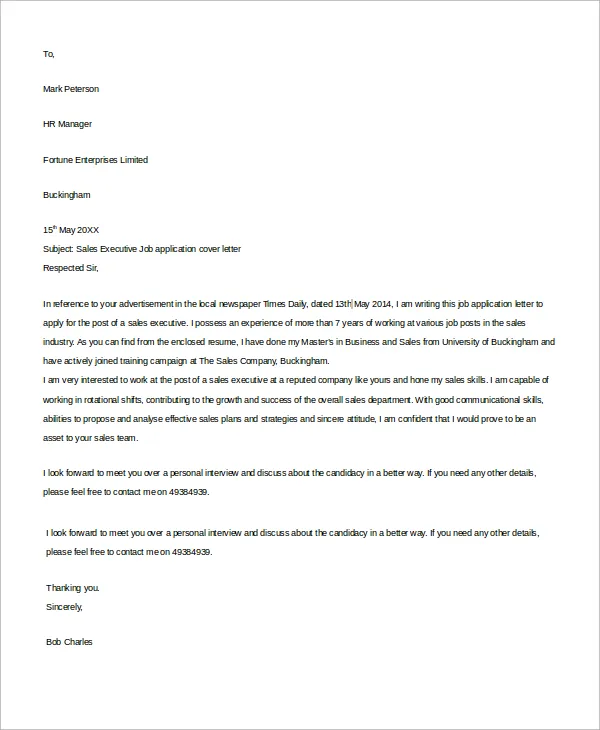
Understanding the Power of a Cover Letter
In the competitive world of job applications, a well-crafted cover letter is your secret weapon. It’s your opportunity to make a strong first impression, showcase your personality, and highlight your qualifications beyond what’s listed in your resume. Think of it as a personalized introduction to the hiring manager, a chance to make a compelling case for why you’re the perfect fit for the role. Many job seekers underestimate the importance of a cover letter, but it can be the deciding factor in whether your application makes it to the next stage of the hiring process. A great cover letter demonstrates your genuine interest, attention to detail, and communication skills, all of which are highly valued by employers.
Why a Cover Letter Matters
A cover letter provides context to your resume, allowing you to elaborate on your experiences and skills. It’s a platform to tell your story, explaining how your past experiences have prepared you for the specific role you’re applying for. Unlike a resume, a cover letter enables you to express your enthusiasm for the position and the company. A cover letter enables you to connect your skills and experiences directly to the job requirements. It also shows that you’ve taken the time to understand the company’s needs and tailor your application accordingly, which makes you stand out from other candidates.
Key Components of a Winning Cover Letter

A winning cover letter isn’t just a formality; it’s a strategic document that must be well-structured and persuasive. You’ll need to pay close attention to detail and create a cohesive narrative that leaves a lasting impression. By structuring your cover letter carefully, you’ll increase your chances of making a memorable and positive impact on the hiring manager. Make sure it includes the essential components, each playing a critical role in effectively communicating your suitability for the job.
Header
Your header should include your full name, address, phone number, and email address. This information ensures the hiring manager can easily contact you. Make sure your contact details are up-to-date and professional. If you have a LinkedIn profile, include the URL as well. This makes it easy for the hiring manager to learn more about you.
Your Contact Information
This includes your full name, address, phone number, and a professional email address. Ensure all details are accurate and easy to read. Consider using a consistent font and style to maintain a professional appearance. This ensures that the hiring manager knows how to reach you quickly and effectively. It is essential to use a professional-sounding email address instead of one that might seem casual or unprofessional.
Date

Place the current date below your contact information. This is important for indicating when the letter was written and submitted. The date helps in tracking when you applied and can be useful for record-keeping.
Hiring Manager’s Contact Information
If possible, find the hiring manager’s name and title. Addressing the letter to a specific person shows that you’ve done your research and are genuinely interested in the role. If you can’t find a specific name, use a professional greeting like ‘Dear Hiring Manager’. This personalization can make a positive impact on the reader, making your application stand out from the general pile. Try looking on the company website, LinkedIn, or calling the company to find the right person.
Salutation
Start with a professional greeting, such as ‘Dear Mr./Ms./Mx. [Last Name]’ if you know the hiring manager’s name. If you don’t know the name, use ‘Dear Hiring Manager’ or ‘Dear [Department Name] Team’. A proper salutation sets a respectful tone from the start and demonstrates your professionalism. Avoid overly casual greetings, as they may not create the right impression. This helps you make a positive impression from the very beginning.
Body Paragraph 1 Introduce Yourself

In your first paragraph, state the specific position you are applying for and how you found the job listing. Briefly mention why you are interested in the role and the company. This is your chance to grab the reader’s attention and set the stage for the rest of your letter. Make sure your opening paragraph is clear, concise, and engaging. Mentioning a mutual connection, if applicable, can also be a strong way to start.
Body Paragraph 2 Highlight Your Skills and Experiences
This is where you showcase your relevant skills and experiences. Focus on how your qualifications align with the job requirements. Provide specific examples of how you’ve demonstrated those skills in previous roles. Use action verbs to describe your accomplishments and quantify your results whenever possible. This section should demonstrate what value you can bring to the company. Tailor this section to match the specific requirements listed in the job description, using keywords from the job posting.
Body Paragraph 3 Demonstrate Your Enthusiasm
Express your enthusiasm for the company and the position. Explain what attracts you to the role and why you are interested in working for that specific company. Show that you’ve researched the company and understand its mission and values. This will make your application stand out. It’s important to show that you want more than just any job; you want this job. This should demonstrate your genuine interest in the position and the company.
Body Paragraph 4 Tailor to the Job Description

This paragraph should directly address the job description. Carefully analyze the job requirements and highlight the skills and experiences that make you a strong candidate. Provide specific examples that demonstrate your ability to meet the job’s needs. This targeted approach shows the hiring manager that you’ve taken the time to understand the role. Make sure you use keywords from the job description in this section. This customization is key to showing you are a strong fit.
Closing the Letter
Your closing should reaffirm your interest in the position and thank the hiring manager for their time and consideration. Include a call to action, such as stating your availability for an interview. Keep your closing brief and professional, leaving a positive final impression. It should be polite and clearly express your eagerness to move forward in the hiring process. A strong closing ensures you leave a lasting impression.
Formal Closing
Use a professional closing such as ‘Sincerely’, ‘Best regards’, or ‘Respectfully’. Choose a closing that fits the tone of your letter and maintains a professional demeanor. Ensure that the closing is appropriate for the company’s culture. The closing sets the tone for a final impression and should be respectful.
Signature

If you’re submitting a digital cover letter, type your full name below your closing. If you’re printing the letter, leave space for your handwritten signature above your typed name. A signature adds a personal touch. Ensure that your signature is legible and professional. This personal touch adds authenticity to your application.
Formatting and Design
The way your cover letter looks is just as important as what it says. A well-formatted letter is easy to read and creates a positive impression. Poor formatting can distract the reader and make it difficult to focus on the content. Your cover letter needs to be easy to read and visually appealing. This involves choosing the right fonts, spacing, and margins, all contributing to the overall impact of your application.
Font Choice
Choose a professional, easy-to-read font such as Times New Roman, Arial, or Calibri. Avoid using overly decorative or unusual fonts. The font choice affects readability and overall impression. Ensure your font is consistent throughout the entire document. It makes the document look more polished and easier to read.
Font Size and Style

Use a font size between 10 and 12 points for the body text. Use bold or italics sparingly, primarily for emphasis. Ensure that the font size and style are consistent throughout the entire document. Consistent use of these elements contributes to a professional and cohesive appearance. Make sure your font size is easy to read, maintaining clarity and professionalism.
Margins and Spacing
Use standard 1-inch margins on all sides of the document. Double-space between paragraphs to improve readability. Consistent and appropriate spacing enhances the overall presentation of your cover letter. Proper use of margins and spacing will make your letter visually appealing. This can also ensure your text doesn’t appear crowded. Use these formatting guidelines for easy reading.
Proofreading and Editing
Before you submit your cover letter, proofread it carefully for any errors in grammar, spelling, and punctuation. Typos and grammatical errors can undermine your credibility. It is important to ensure that your cover letter is free of mistakes. Ask a friend or family member to review your letter as well, as a fresh pair of eyes can often catch errors you may have missed. Proofreading ensures that your message is clear and professional. This highlights your attention to detail.
Common Mistakes to Avoid

Avoiding common mistakes can significantly increase your chances of getting hired. Common pitfalls can instantly damage your chances. These mistakes can range from generic content to neglecting job-specific details. By knowing what to avoid, you can ensure that your cover letter presents you in the best possible light. Paying attention to these details can make a world of difference in your application.
Generic Cover Letters
Avoid using a generic cover letter that isn’t tailored to the specific job or company. Customize each cover letter to highlight the skills and experiences relevant to the position. Generic letters show a lack of effort and can make you look uninterested. Demonstrate your enthusiasm for the specific role. Always tailor your letter for the job.
Typos and Grammatical Errors
Typos and grammatical errors can damage your credibility and make you appear unprofessional. Always proofread your cover letter carefully before submitting it. Use spell check and grammar check tools, but don’t rely on them entirely. Proofreading tools are essential. Always read it through carefully, and consider having someone else review it. These errors can be a sign of carelessness.
Ignoring the Job Description
Carefully review the job description and tailor your cover letter to address the specific requirements. Highlight relevant skills and experiences. Make sure your cover letter shows that you’ve read and understood the role. The job description serves as a roadmap. This will demonstrate that you are a good fit. Address the key requirements directly in your cover letter.
Overly Long Cover Letters
Keep your cover letter concise and to the point, ideally one page. Avoid rambling or including irrelevant information. A long cover letter may not hold the hiring manager’s attention. Focus on the most important details and highlight what makes you the ideal candidate for the role. Be concise and focused on what makes you qualified.
The Power of Customization
Customizing your cover letter is crucial for making a strong impact. When you personalize your letter, you demonstrate your genuine interest. It shows that you’ve taken the time to understand the role and the company’s needs. This targeted approach can significantly improve your chances of getting noticed. Tailoring ensures that your letter resonates with the hiring manager. It also increases your chances of getting an interview. A customized letter sets you apart.
How to Research the Company
Research the company thoroughly before writing your cover letter. Understand its mission, values, and recent achievements. Explore the company’s website, social media profiles, and news articles. This information can help you tailor your cover letter and show that you’re a good fit for the company. By showing that you understand their mission, you can make a deeper connection. Understanding the company culture helps to demonstrate your interest.
Addressing Specific Needs and Goals
Identify the company’s needs and goals, and explain how your skills and experiences can help them achieve those objectives. Demonstrate how you can contribute to their success. This shows the hiring manager that you’re not just looking for a job; you’re looking to make a difference. This personalized approach shows that you’re interested in their success. Explain how you can contribute to the company’s goals.
Analyzing the Job Description
Carefully analyze the job description to identify the key requirements and desired qualifications. Highlight how your skills and experiences align with those requirements. Use the same keywords and phrases from the job description. Make sure your letter shows that you’ve read the job description carefully. Tailoring your resume is a crucial step. It should reflect the language and specific needs. This can make you a more compelling candidate.
Writing a Compelling Introduction
Your introduction is your first opportunity to grab the reader’s attention. Start with a strong opening statement that immediately captures their interest. Clearly state the position you’re applying for and where you saw the job posting. Immediately indicate your interest in the role. A compelling intro sets the tone for the rest of your letter. It should create immediate interest.
What to Say in Your First Paragraph
In your first paragraph, mention the specific position you’re applying for and how you found the job listing. Briefly state why you’re interested in the role and the company. Consider mentioning a mutual connection if applicable. Make your opening concise and impactful. Ensure your first paragraph makes an immediate positive impression. Keep your introduction focused and direct.
Showcasing Your Achievements
Instead of just listing your job responsibilities, highlight your accomplishments and achievements. Provide specific examples of how you’ve excelled in previous roles. Quantify your successes whenever possible to demonstrate your impact. Use action verbs to describe your accomplishments, making them more impactful. Highlighting achievements offers tangible proof. Your success stories will make you more memorable.
Quantifying Your Successes
Quantify your achievements with numbers, percentages, and specific results. Instead of saying ‘Improved sales,’ say ‘Increased sales by 15% within six months.’ Provide tangible evidence of your impact. This adds credibility to your claims and makes your accomplishments more impressive. Using numbers brings your achievements to life. They demonstrate your contribution effectively.
Using Action Verbs
Use strong action verbs to describe your responsibilities and achievements. Examples include ‘managed’, ’led’, ‘developed’, ‘implemented’, and ‘achieved’. Action verbs make your cover letter more dynamic and engaging. They clearly show what you did. Use these action words to highlight your contributions. These verbs make your experience more impactful.
Creating a Call to Action
End your cover letter with a clear call to action. State your interest in an interview and how the hiring manager can contact you. Provide your contact information. This is an important step to take. It’s a clear indication that you’re ready to move forward. A strong call to action invites the hiring manager to take the next step. It is also a professional way to conclude.
Expressing Your Interest
Reiterate your enthusiasm for the position and the company. Reaffirm that you’re a good fit for the role. This shows that you’re genuinely interested. Expressing your interest leaves a lasting impression. It highlights your enthusiasm for the opportunity. It demonstrates how much you want the job.
Offering to Provide Additional Information
Offer to provide any additional information or documents that might be needed. Indicate your availability for an interview. Provide your contact information, including phone number and email address. This shows your willingness to cooperate throughout the application process. It provides an easy way for the hiring manager to take the next step.