Bank Job Cover Letter Structure
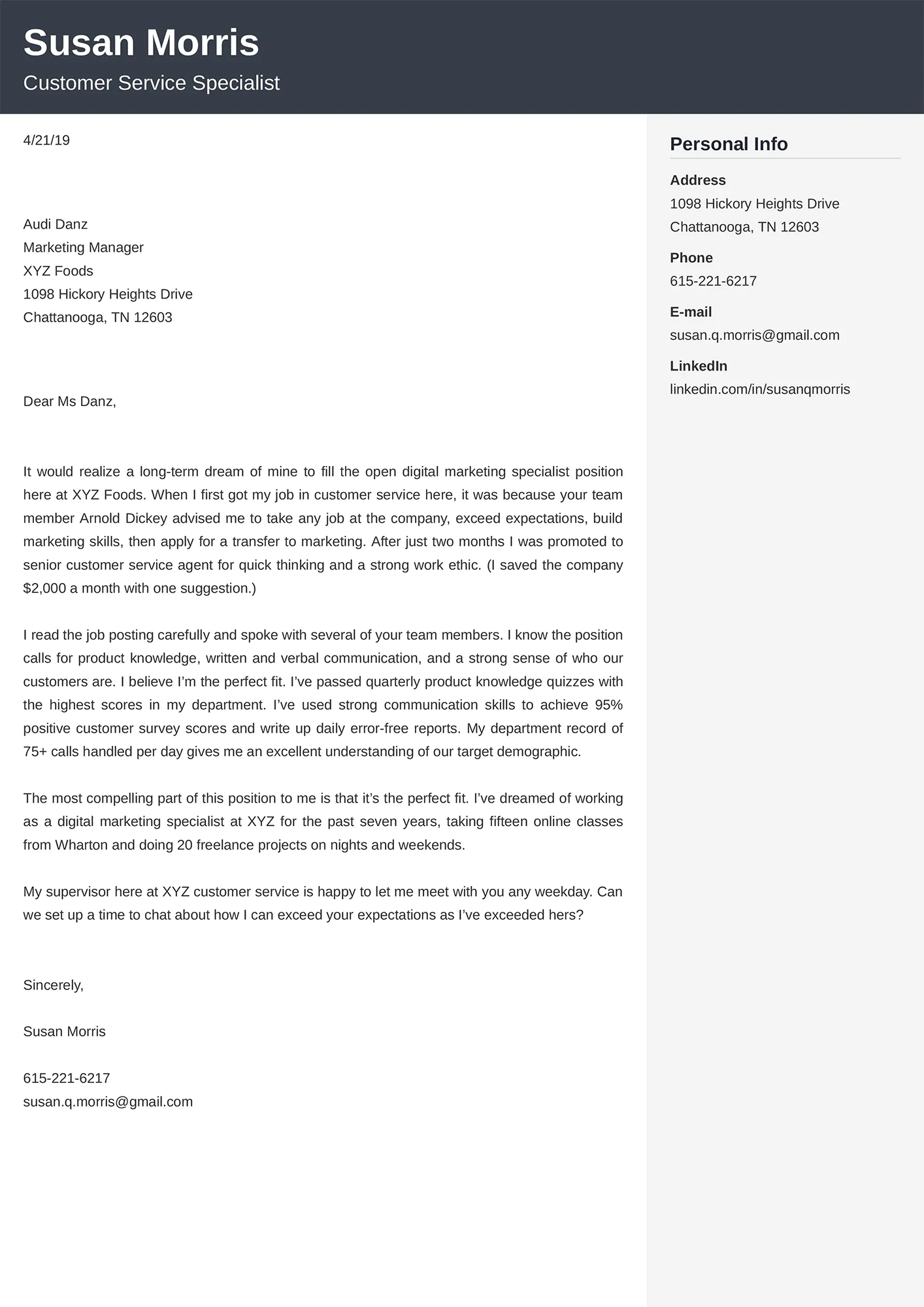
A well-structured cover letter is your first step toward landing a bank job. It’s your chance to make a strong first impression, showcasing your professionalism and attention to detail. Following a clear structure ensures your letter is easy to read and digest, making it more likely that the hiring manager will take notice. This structure is critical for any cover letter, but particularly crucial when applying for positions within the financial sector, where precision and clarity are paramount. The structure should be clear, concise, and should highlight the most important aspects of your qualifications.
Your Header
The header sets the tone for your cover letter. It provides the necessary contact information and ensures the recipient knows how to reach you. Always include your name, phone number, email address, and LinkedIn profile URL (if you have one). Make sure all the information is accurate and professional, as a mistake here could mean missing out on an opportunity. The header should be clean and easy to read, using a font that’s professional. Remember, the header is the first thing a hiring manager will see, so it needs to be perfect.
Contact Information

Your contact information should be at the top left of your cover letter. This includes your full name, address, phone number, and email address. Use a professional email address (e.g., john.doe@email.com) rather than a casual one. This section ensures that the employer knows how to contact you for an interview. Double-check all details to avoid any errors. A misplaced digit or incorrect email can prevent you from being considered for the role. Ensure the information is easily readable and well-formatted.
Date
Directly below your contact information, include the date you are sending the cover letter. This helps the employer keep track of when you applied and demonstrates that you’re up-to-date with your application. Format the date correctly, usually including the month, day, and year (e.g., January 1, 2024). Consistency in formatting is key to demonstrating professionalism, especially in the banking industry. This simple detail shows that you pay attention to detail, a crucial trait for any bank employee.
Recipient’s Information
Below the date, include the recipient’s information. This usually includes the hiring manager’s name (if you know it), their title, the bank’s name, and the bank’s address. If possible, address the cover letter to a specific person; this shows initiative and that you’ve done your research. If you can’t find a specific name, use a professional title like ‘Hiring Manager’. Addressing the letter to a specific person immediately makes it more personal and shows that you’ve taken the time to learn about the company.
Salutation

The salutation is your greeting. Always start with a professional greeting. “Dear Mr./Ms./Mx. [Last Name]” is ideal if you know the hiring manager’s name. If you don’t know the name, “Dear Hiring Manager” is a safe alternative. Avoid generic greetings such as “To Whom It May Concern,” as they can make your letter feel impersonal. A well-chosen salutation sets a positive tone for the rest of your letter, conveying respect and professionalism.
The Body of Your Cover Letter
The body of your cover letter is where you sell yourself. It’s your opportunity to showcase your skills, experience, and personality. The content should be concise, well-written, and tailored to the specific bank and position you’re applying for. Each paragraph should focus on a specific aspect of your qualifications, making it easy for the hiring manager to understand why you’re a good fit. The tone should be professional, enthusiastic, and clearly express your interest in the role and the bank.
First Paragraph Introduce Yourself
Start with a strong introductory paragraph. Briefly state the position you’re applying for and how you found the job listing. Then, provide a concise overview of your key qualifications and why you’re interested in the role and the bank. This paragraph is your hook; it must capture the reader’s attention and encourage them to continue reading. Highlight your enthusiasm for the position and the bank. This paragraph sets the stage and makes a strong first impression.
Highlighting Your Skills and Experience

The core of your cover letter should highlight your relevant skills and experience. Provide specific examples that demonstrate how you’ve succeeded in previous roles. Use action verbs and quantify your achievements whenever possible. Focus on skills that align with the job description. Tailor each point to match the requirements of the specific bank job you’re applying for. By providing concrete examples, you show rather than tell the hiring manager what you can do.
Tailoring to the Specific Bank and Position
Customize your cover letter for each job application. Show that you’ve researched the bank and understand its values, mission, and recent achievements. Mention specific aspects of the bank that appeal to you and explain why you’re a good fit for their culture. This demonstrates your genuine interest and shows that you’re not just sending out a generic cover letter. Tailoring your letter shows that you’re serious about the position and that you’ve taken the time to understand the company.
Quantifying Achievements
Use numbers and data to showcase your accomplishments. Instead of saying you “improved customer service,” say “increased customer satisfaction scores by 15%.” Quantifiable achievements make your claims more credible and provide tangible evidence of your skills. When possible, include statistics, percentages, and specific figures to highlight your impact. This approach demonstrates your ability to achieve results and add value to the bank.
Demonstrating Understanding of the Bank

Show that you understand the bank’s operations, its values, and its place in the market. Mention any initiatives or programs that align with your goals and values. This shows that you’ve done your homework and are genuinely interested in working for that specific bank. Research the bank’s mission, values, and recent news to personalize your letter. Understanding the bank’s unique selling points demonstrates that you’re a good cultural fit.
Closing Your Cover Letter
The closing is your chance to reinforce your interest and leave a lasting impression. A strong closing includes a call to action, expressing gratitude, and a formal closing. The closing should be professional, enthusiastic, and leave the hiring manager with a clear understanding of why you’re a good fit for the role. It is an opportunity to reiterate your interest and prompt the next step in the hiring process.
Call to Action
Include a clear call to action. State your availability for an interview and express your enthusiasm for discussing your qualifications further. Make it easy for the hiring manager to contact you by reiterating your contact information. A clear call to action shows that you are proactive and eager to move forward in the hiring process. This might be as simple as “I am available for an interview at your earliest convenience.”
Expressing Gratitude

Thank the hiring manager for their time and consideration. Express your appreciation for the opportunity to apply for the position. This shows professionalism and respect, leaving a positive impression. A simple “Thank you for your time and consideration” can be very effective. Demonstrating gratitude is a sign of good manners and shows that you value the hiring manager’s time and effort.
Formal Closing and Signature
Use a formal closing, such as “Sincerely” or “Best regards.” Then, sign your name (if submitting a physical copy) or type your full name. Ensure the closing is professional and consistent with the tone of your letter. Your signature at the end adds a final touch of professionalism. A well-executed closing is a key part of a professional cover letter and leaves a lasting impression. Make sure your signature is clear and legible.