Best Cover Letter Greetings Unveiled
A cover letter is your first chance to make a strong impression on a potential employer. It’s more than just a formality it’s a crucial opportunity to showcase your personality, highlight your skills, and express your genuine interest in the position. One of the most critical elements in your cover letter is the greeting. The way you address the recipient can significantly impact how your application is received. A well-chosen greeting can set a positive tone, demonstrating respect, attention to detail, and professionalism. Conversely, a poorly chosen greeting can undermine your efforts before the hiring manager even reads the body of your letter. This guide explores the best cover letter greeting options to help you make a stellar first impression.
The Power of a Great Greeting
The greeting is often the first interaction you have with a hiring manager. It’s the digital handshake that sets the stage for the rest of your cover letter. A thoughtful and personalized greeting immediately grabs the reader’s attention and shows that you’ve taken the time to research the company and the specific role. This initial gesture can signal your level of interest and your ability to follow instructions, as you are adhering to the norms of professional communication. It’s a subtle yet powerful way to show that you’re not just sending out generic applications, but that you’re genuinely invested in the opportunity.
Why Your Greeting Matters

Your greeting is a reflection of your attention to detail and professionalism. In a competitive job market, every element of your application matters. A well-crafted greeting demonstrates that you understand the importance of making a positive first impression. It shows that you’re willing to go the extra mile to make a personal connection. It also sets the tone for the rest of your letter, signaling whether you’re formal, friendly, or something in between. This seemingly small detail can influence the hiring manager’s perception of you, impacting their overall assessment of your application.
Common Cover Letter Greeting Blunders
Just as a great greeting can enhance your application, a poor one can detract from it. Certain greetings are generally considered outdated, impersonal, or even off-putting. Avoiding these common blunders is crucial to ensuring that your cover letter makes the right impression. These mistakes can make you seem like you haven’t put much effort into your application, signaling a lack of genuine interest in the role or the company.
The ‘To Whom It May Concern’ Dilemma
The greeting ‘To Whom It May Concern’ is a classic example of an impersonal and outdated choice. While it was once acceptable, it now suggests that you haven’t bothered to research the hiring manager’s name or the department to which you are applying. This greeting gives the impression that you are sending a generic cover letter, which is unlikely to grab the hiring manager’s attention. Modern job seekers should always strive to personalize their cover letters to stand out from the crowd and make a better connection.
Alternatives to Avoid

Beyond ‘To Whom It May Concern,’ several other greetings should be avoided. Generic greetings like ‘Dear Sir or Madam’ and ‘Dear Hiring Manager’ are also not ideal, as they lack the personal touch that can set your application apart. Even seemingly innocuous greetings such as ‘Hello’ without a name can be too casual for a professional context. The goal is to choose a greeting that is both respectful and specific, demonstrating that you have taken the time to tailor your application to the role and the company.
Top 7 Cover Letter Greetings
Selecting the best cover letter greeting depends on your research and the specifics of the job application. The following are 7 top options, each with their own nuances, to help you make an informed decision.
Greeting 1: Dear [Hiring Manager Name]
This is the gold standard when you know the hiring manager’s name. It’s personal, professional, and shows that you’ve done your homework. Always double-check the spelling of the name to avoid any errors. If the job posting includes a contact person, use their name. If you find the hiring manager on LinkedIn, use their name. This demonstrates that you’ve taken the time to learn about the person reviewing your application, which is a significant advantage. This approach showcases your attention to detail and your commitment to making a positive impression.
Why Personalization is Key

Personalization in cover letters is critical to making a favorable impression. A personalized greeting makes your cover letter stand out from the deluge of applications hiring managers receive daily. It shows that you are not just sending a generic template. Instead, it shows that you have tailored your application to the specific role and company, indicating a genuine interest. This increases your chances of getting your application noticed. Personalized greetings indicate you have invested time and effort, making you a more appealing candidate.
Finding the Hiring Manager’s Name
Finding the hiring manager’s name is easier than ever, thanks to the internet. Start by checking the job posting itself some postings explicitly list the contact person. If not, explore the company website. Look for an ‘About Us’ or ‘Team’ page. LinkedIn is a fantastic resource; search for the company and the role to see who is in charge. If all else fails, try calling the company and politely asking the receptionist. Any effort you put into this research will pay off, demonstrating your commitment to the job and the company. (See image Hiring Manager Name)
Greeting 2: Dear [Mr./Ms./Mx. Last Name]
If you know the hiring manager’s last name but are unsure of their first name, this is a safe and professional choice. Using a title like ‘Mr.,’ ‘Ms.,’ or ‘Mx.’ shows respect and formality. If you are unsure of the person’s gender, use ‘Mx.’ or simply omit the title. This is a good way to show respect without making any assumptions.
Greeting 3: Dear [Job Title]

If you can’t find a name, but the job title is specific, this can be a good alternative. For example, ‘Dear Hiring Manager, Software Engineer’ or ‘Dear Marketing Director’. It demonstrates that you are addressing your letter to the right person without being impersonal. However, if you can find a name, it is always the better option. This is a good middle ground, demonstrating that you know the role and understand who you are trying to reach.
Greeting 4: Hello, [Company Name] Team
If the job posting specifically encourages a team-oriented approach, or you’re applying to a smaller company where a team approach is common, this can be a friendly option. It shows that you value teamwork and are eager to join the organization. However, use this option judiciously, as it might not be appropriate for all company cultures. It’s best to gauge the company’s culture through research before choosing this greeting. This greeting suggests you are excited to contribute to the collective effort and be a part of something bigger.
Greeting 5: Dear [Department Name] Hiring Manager
If you can’t find a specific name but know the department, this is a professional choice. For instance, ‘Dear Sales Department Hiring Manager’. This shows that you know which team you are hoping to join and that you are addressing your letter to the appropriate contact person. This is a good option when the job posting is not specific about who will review applications. Make sure the department name is accurate. (See image Cover Letter Examples)
Greeting 6: Greetings

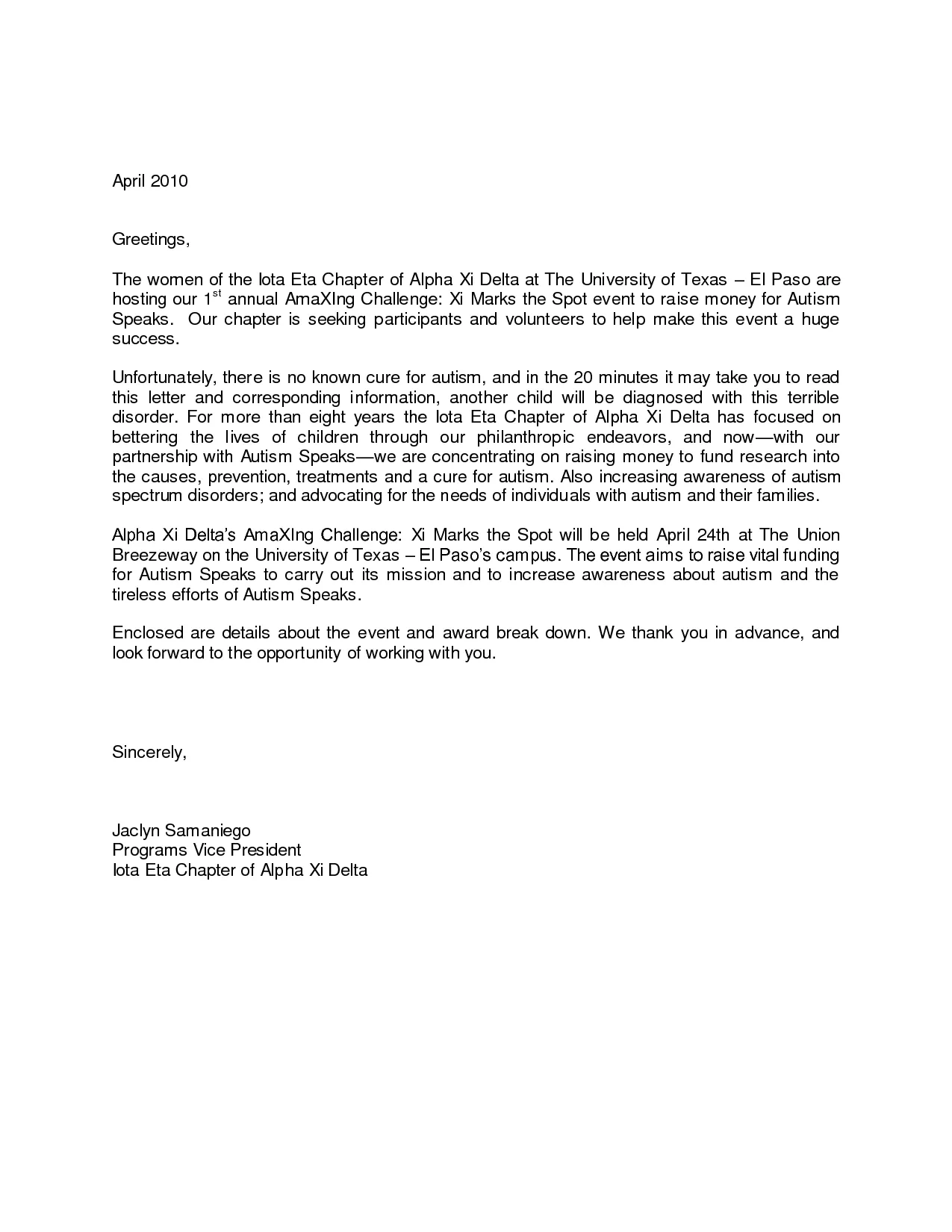
While less personal than using a name, ‘Greetings’ can be a suitable alternative if you’re unsure about the specific recipient and want to maintain a professional tone. This is a slightly more formal option compared to ‘Hello’. It can work well when you have researched the company and culture and have found they lean towards a more formal tone. Use it when you can’t find a specific name, but still want to show that you respect the application process.
Greeting 7: Hi, [Hiring Manager Name]
This greeting provides a friendlier option. If the company culture seems relaxed and you know the hiring manager’s name, ‘Hi, [Name]’ can work well. However, use this only if you have researched the company and feel that it is appropriate. Always err on the side of formality. (See image Cover Letter Greeting Types)
Choosing the Right Greeting
Selecting the right greeting is all about knowing your audience, considering the company culture, and maintaining professionalism. It takes a little bit of extra effort but the result can be a stronger and more impressive cover letter.
Know Your Audience

The first step in choosing a greeting is to consider who you are addressing. Research the company and the job posting to determine the best approach. This may involve exploring the company’s website, LinkedIn, and other sources for information. If you know the hiring manager’s name, use it. If not, tailor your greeting to the information you have. Tailoring it to your audience shows that you are making a genuine effort to make a good first impression.
Consider the Company Culture
Company culture is another vital factor. Some companies are more formal, while others have a more relaxed atmosphere. Review the company’s website, social media, and any information about its values and culture to gauge the appropriate level of formality. A very formal greeting might be the best choice for a law firm or a bank. A more relaxed greeting might be fine for a tech startup. This can play a big role in how a hiring manager may perceive you and your application (See image company-culture)
Maintaining Professionalism
No matter what greeting you choose, always maintain a level of professionalism. Avoid slang, overly casual language, or anything that could be considered disrespectful. Even if the company seems to have a casual culture, it’s best to start with a more formal tone and then adjust as you get further along in the hiring process. The goal is to showcase your respect for the opportunity and the company. (See image professional-cover-letter)
Cover Letter Greeting Best Practices
In addition to choosing the right greeting, there are best practices that can elevate your cover letter. Adhering to the following best practices can ensure your cover letter is always well-received, professional, and effective.
Proofread Carefully
Always proofread your cover letter, especially the greeting, to ensure there are no spelling or grammatical errors. Mistakes can undermine your credibility and make you appear careless. Double-check the hiring manager’s name and title. It’s an easy way to make a negative impression. Ensure all names and titles are accurate. Take the time to proofread carefully and make corrections. It shows attention to detail and respect for the person reading your application. (See image cover-letter-personalization)
Keep it Concise
Keep your greeting concise and to the point. There is no need for flowery language or lengthy introductions. The goal is to make a strong first impression quickly and efficiently. Get right to the point and demonstrate your interest. This shows that you respect the hiring manager’s time and understand how to communicate effectively. It will also make it easier for the person to focus on the main body of your cover letter.
Make a Strong First Impression
Your cover letter greeting is the first impression you make. Make it count. By choosing the right greeting, personalizing it whenever possible, and following best practices, you can significantly increase your chances of getting your application noticed and landing an interview. This is your chance to start the conversation, so make it count. A well-chosen greeting is an important investment in your job search success.
Conclusion
The best cover letter greeting is the one that aligns with the job requirements and the company culture. Take the time to research and tailor your approach, and you’ll be on your way to making a positive first impression that leads to job interview and success. Choose your greeting carefully, and always prioritize professionalism. Good luck with your job search!