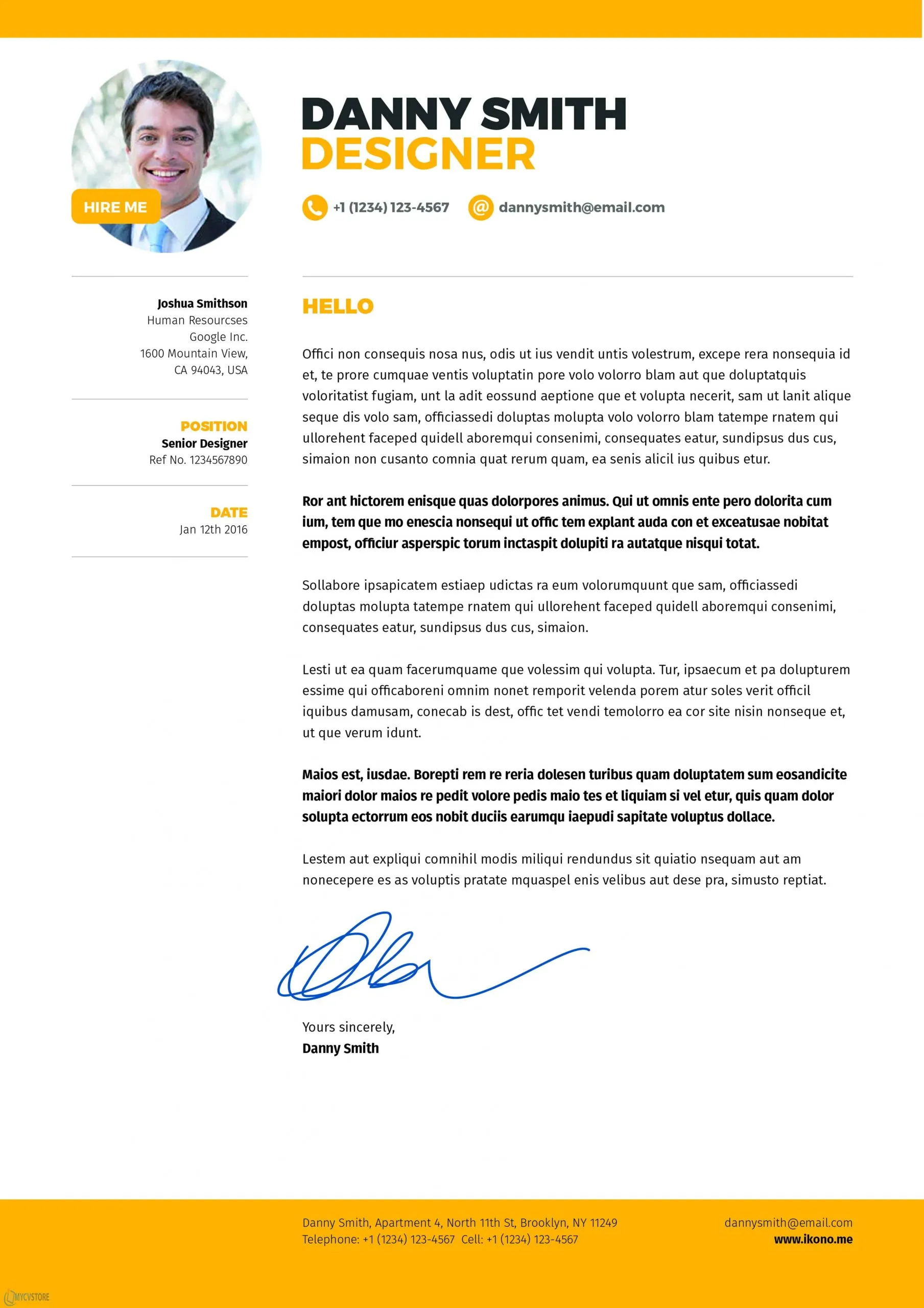
The Power of a Compelling Graphic Design Cover Letter
In the competitive field of graphic design, your portfolio is undoubtedly your most crucial asset. However, a well-crafted cover letter serves as your introduction, a vital tool that can significantly increase your chances of landing that dream job. It’s your chance to showcase your personality, communicate your understanding of the role, and demonstrate your genuine enthusiasm for the opportunity. A strong cover letter allows you to go beyond the visuals in your portfolio and connect with the hiring manager on a more personal level. It’s about telling a story, about crafting a compelling narrative that makes you stand out from the crowd. It is the initial stepping stone to help you showcase your creative talent and professional aspirations in the world of graphic design, and the first impression is key to landing an interview, so ensure it is top-notch.
Understanding the Purpose of a Cover Letter
The purpose of a cover letter is multifaceted. Primarily, it’s a platform to introduce yourself and express your interest in a specific position. It allows you to explain why you’re the perfect fit, drawing connections between your skills, experience, and the requirements of the role. Beyond this, it provides an opportunity to highlight your personality, showcasing your communication style and how you approach design challenges. A well-written cover letter also allows you to articulate your career goals and your understanding of the company or client. The goal is to convince the reader you are not only qualified but that you’re also genuinely excited about the prospect of joining their team. Think of it as a concise marketing document that sells your unique value proposition.
Why a Cover Letter is Essential for Graphic Designers

While your portfolio showcases your visual prowess, a cover letter provides essential context. It allows you to detail your design process, explain your role in previous projects, and articulate your design philosophy. A cover letter also demonstrates your communication skills, a critical attribute in the collaborative world of graphic design. Furthermore, it shows your attention to detail and your ability to follow instructions, skills essential for any design role. Without a cover letter, you risk being perceived as inattentive or, worse, lacking the necessary communication skills. Consider it your personal pitch – an opportunity to make a lasting impression before your portfolio is even reviewed. It’s your chance to let your personality shine through your experience.
Crafting a Stellar Graphic Design Cover Letter
A stellar cover letter is more than just a formality; it’s a strategic tool. It should be tailored to the specific job and company, demonstrating that you’ve done your research and understand their needs. Begin by addressing the hiring manager by name, if possible, and immediately capture their attention with a compelling opening statement. Throughout the letter, highlight your relevant skills and experience, using concrete examples to showcase your accomplishments. Keep it concise, focusing on the most pertinent information and avoid jargon. Conclude with a strong call to action, expressing your enthusiasm for an interview and reiterating your contact information. The goal is to showcase your relevant skills and experiences in a way that resonates with the reader and compels them to take action.
Highlighting Your Skills and Experience
When highlighting your skills and experience, be specific and relevant. Don’t just list skills; provide examples of how you’ve utilized them in past projects. For example, instead of stating “Proficient in Adobe Photoshop,” you could write, “Utilized Adobe Photoshop to create high-fidelity mockups for the XYZ Company’s marketing campaign, resulting in a 15% increase in click-through rates.” Quantify your achievements whenever possible, as this adds credibility to your claims. Mention the specific software and tools you’re proficient in, and relate your experience to the job requirements. If the job description emphasizes branding, highlight your branding experience; if it’s about web design, showcase your web design projects. Tailor your cover letter to ensure your relevant skills are immediately clear to the reader.
Showcasing Your Design Portfolio

Your cover letter should serve as a companion to your portfolio, not a replacement. Briefly mention your portfolio and the key projects you want the hiring manager to focus on. Provide a link to your online portfolio, or specify the type of work samples you’re including with your application. Highlight the projects that are most relevant to the job requirements. Make sure your portfolio is well-organized, easy to navigate, and reflects the quality of your work. Use a clean design for the portfolio itself, and include clear descriptions of each project. Explain your role, the design process, and the outcomes of your work. This helps the hiring manager understand your skills and how you approach design challenges, making your cover letter and portfolio work in harmony.
Tailoring Your Letter to the Job
Generic cover letters are easily spotted and often discarded. Tailor each letter to the specific job and company. Research the company, understand its values, and identify the specific requirements of the role. Use keywords from the job description throughout your cover letter to demonstrate your understanding of the position. Show how your skills and experience align with their needs. Mention specific projects or initiatives of the company that resonate with you. If you know the hiring manager’s name, address the letter to them. This shows you’ve taken the time and effort to personalize your application and makes a positive impression. Customization highlights your genuine interest in the opportunity.
Formatting and Structure for Impact
The formatting of your cover letter is as important as its content. Use a professional font, such as Arial or Times New Roman, and ensure the text is easy to read. Maintain a clean and uncluttered layout, with ample white space. The structure should be logical and easy to follow, with clear paragraphs and headings. The standard structure includes a heading (your contact information), a salutation (e.g., “Dear Mr./Ms. [Name]”), an introduction, body paragraphs, and a conclusion. Keep it concise, ideally within one page. Proofread meticulously for any errors in grammar or spelling, as these mistakes can undermine your credibility. A well-formatted cover letter demonstrates your professionalism and attention to detail, key qualities sought after in graphic design.
Top Tips for Graphic Design Cover Letters

To maximize your chances of success, consider these top tips for graphic design cover letters. These will help you stand out from the crowd and make a lasting impression on potential employers. These key points will help your application get noticed and ultimately lead to that interview opportunity, and a step closer to landing your dream job.
Emphasize Your Passion and Creativity
Graphic design is a creative field; let your passion shine through. Express your enthusiasm for design and the specific opportunity. Explain what excites you about the company or the role. Share what inspires you and what motivates you to create great design. Your passion is infectious and can make a significant impact. Show that you are a dedicated designer who is excited to contribute to their team. Mention any personal design projects, side hustles, or design blogs you follow. Share any awards or recognition you have received. Be creative in your writing style, but maintain a professional tone. This shows that you’re not just qualified but also genuinely excited about the prospect of contributing your skills and creativity.
Quantify Your Accomplishments
Wherever possible, quantify your accomplishments to demonstrate the impact of your work. Use metrics to showcase your successes. Instead of saying “Improved website design,” say “Redesigned the company website, resulting in a 20% increase in user engagement and a 10% boost in conversions.” Use numbers to illustrate your abilities. If you worked on a project that increased sales, mention the percentage increase. If you reduced costs or saved time, provide specific figures. Including data makes your accomplishments more concrete and demonstrates your ability to deliver tangible results. Quantifiable achievements make your application more persuasive and help you stand out from other applicants. Use numbers to give credibility to your claims.
Proofread Meticulously

Spelling and grammar errors can be detrimental to your application. Proofread your cover letter thoroughly before submitting it. Use a grammar checker, but don’t rely on it completely. Read your letter aloud to catch any awkward phrasing or errors. Have a friend or colleague review your letter for a fresh perspective. Pay attention to details such as punctuation, capitalization, and formatting. Ensure that your contact information is correct and up-to-date. A polished, error-free cover letter demonstrates your professionalism and attention to detail, key attributes for any graphic designer. It speaks volumes about your commitment to quality and your ability to present yourself professionally.
Use Action Verbs
Action verbs make your cover letter more dynamic and engaging. They show what you did and what you achieved. Start your sentences with strong action verbs. Instead of writing “Responsible for website design,” write “Designed the company website.” Examples include “created,” “developed,” “implemented,” “managed,” “led,” “achieved,” and “improved.” Use action verbs to describe your skills, experience, and accomplishments. This helps bring your accomplishments to life and gives a vivid picture of your expertise. This active language conveys confidence and enthusiasm, making your cover letter more engaging and persuasive. Using action verbs keeps your writing concise and impactful and helps you make a memorable impression.
Dos and Don’ts
Following some simple guidelines will help you craft a great graphic design cover letter. Here are some do’s and don’ts to ensure your cover letter is effective and increases your chances of landing an interview.
Do’s

- Tailor your letter to each job application.
- Highlight relevant skills and experience.
- Showcase your portfolio with a link or work samples.
- Proofread carefully for errors.
- Use action verbs to describe your achievements.
- Express your passion for design and the specific opportunity.
- Quantify your accomplishments whenever possible.
Don’ts
- Send generic cover letters.
- Include irrelevant information.
- Use clichés or overly formal language.
- Make grammatical errors or typos.
- Exceed one page in length.
- Forget to include your contact information.
- Be negative or critical of previous employers.
Conclusion
Crafting a compelling graphic design cover letter is an art and a science. By following these tips, you can create a letter that showcases your skills, experience, and passion for design, and helps you stand out from the competition. Remember to tailor your letter to each job, highlight your accomplishments, showcase your portfolio, and proofread meticulously. With a well-crafted cover letter, you can significantly increase your chances of landing an interview and ultimately securing your dream job in graphic design. A great cover letter combined with a strong portfolio is your winning combination in the world of design. Good luck!