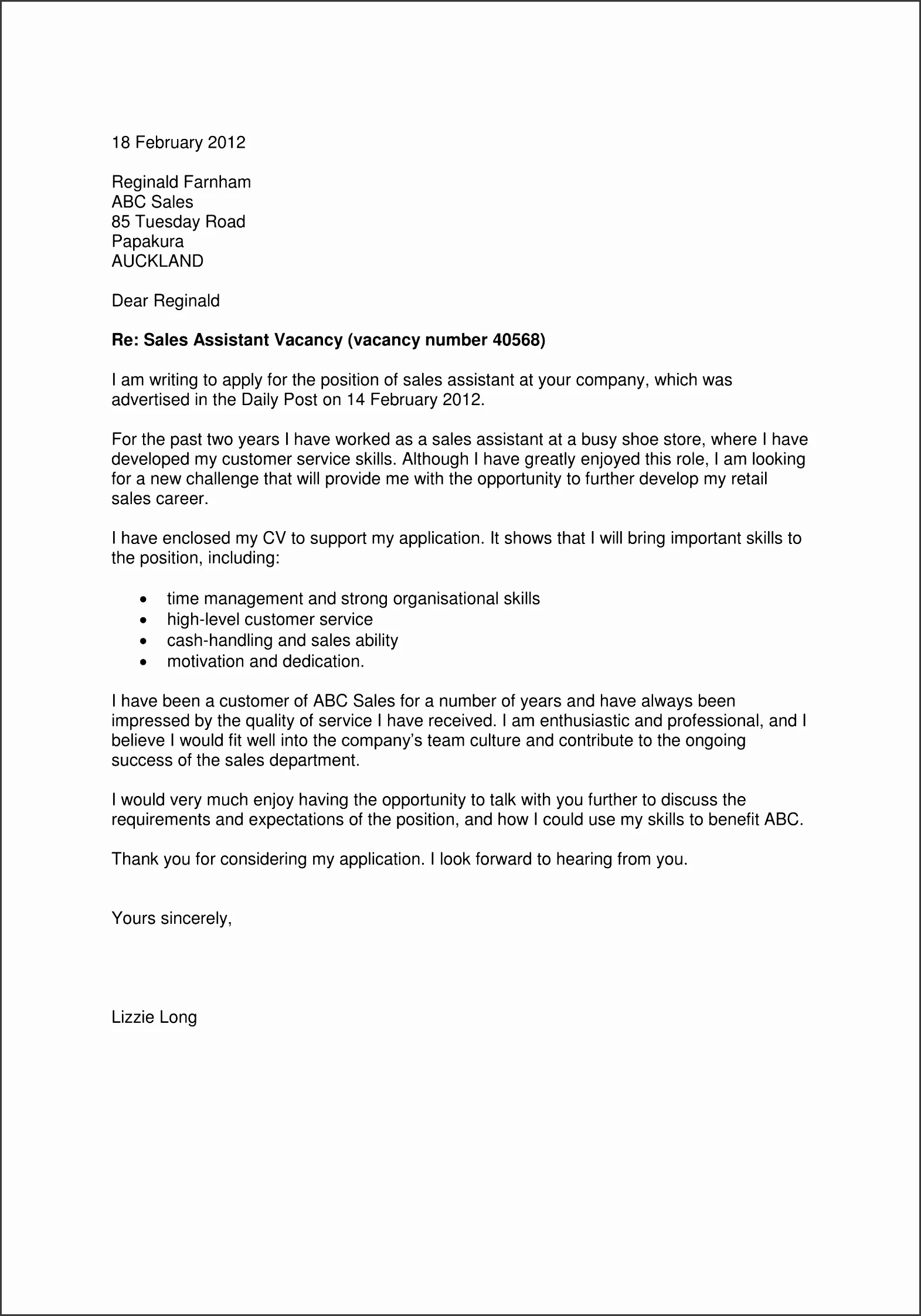
Understanding Business Format Cover Letters
A business format cover letter is a professional document that accompanies your resume when applying for a job. It serves as an introduction, showcasing your skills, experience, and interest in the position. Unlike other formats, the business format adheres to specific structural guidelines, ensuring clarity, professionalism, and ease of readability for the hiring manager. Mastering this format is crucial for making a positive first impression and increasing your chances of getting an interview. It demonstrates your attention to detail and understanding of professional communication standards, both of which are highly valued by employers. By following the established rules, you ensure your application stands out in a positive light and communicates your qualifications effectively.
Key Components of a Business Format Cover Letter
The business format cover letter follows a structured approach, ensuring all essential information is clearly presented. Each section plays a vital role in conveying your qualifications and enthusiasm. Understanding these key components is essential for creating a compelling cover letter. The layout typically begins with your contact information, followed by the date and the recipient’s details. The salutation sets the tone, followed by the body paragraphs where you elaborate on your skills and experience. Finally, the complimentary close and signature leave a lasting professional impression.
Your Contact Information

At the top of your cover letter, include your full name, address, phone number, and email address. This information should be aligned to the left or right, depending on your preference, but remain consistent throughout the document. Ensure your email address is professional; avoid nicknames or informal language. This section ensures the employer can easily contact you. Accuracy here is paramount; always double-check your contact details before sending your letter to avoid missing important communication regarding job opportunities.
Date
Below your contact information, include the current date. This is usually aligned to the left or right, matching your contact details. The date signifies when the letter was written, which is useful for the employer’s recordkeeping. Use a standard date format (Month Day, Year), for example, “October 26, 2023”. This format is universally recognized and contributes to the professionalism of your document.
Recipient’s Information
Directly below the date, include the recipient’s information. This includes the hiring manager’s name, title, company name, and address. If you know the hiring manager’s name, address the letter to them directly; if not, use the title of the hiring manager. Researching this information shows initiative and attention to detail. Align the recipient’s information to the left and ensure all details are accurate. This demonstrates respect and allows the employer to easily identify the recipient.
Salutation

The salutation begins the body of your letter. Use “Dear Mr./Ms./Mx. [Last Name]” if you know the hiring manager’s name. If the name is unavailable, use a professional salutation such as “Dear Hiring Manager.” Avoid informal greetings. The salutation sets the tone of your letter. Ensure you spell the name correctly; misspellings suggest carelessness. A professional salutation immediately establishes a formal and respectful communication channel.
Body Paragraphs
The body paragraphs are the heart of your cover letter. They provide detailed information about your skills, experience, and why you are a good fit for the role. Tailor each paragraph to align with the specific job requirements. Clarity, conciseness, and strong writing skills are essential. Each paragraph serves a unique purpose, constructing a narrative that showcases your suitability for the position. The effectiveness of these paragraphs determines your ability to capture the hiring manager’s attention and secure an interview.
First Paragraph Purpose
The first paragraph serves as your introduction. It should clearly state the position you are applying for and where you found the job posting. Briefly mention why you are interested in the company and the role. This paragraph sets the stage, capturing the reader’s attention. Keep it concise and focused on the key reason for your interest and how you learned about the opportunity. This demonstrates your enthusiasm and sets the tone for a professional interaction.
Second Paragraph Content
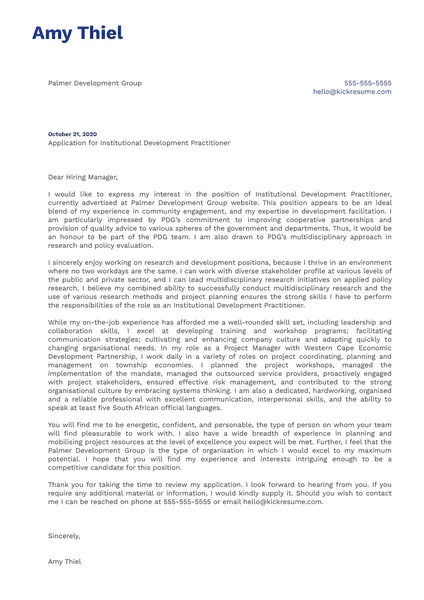
The second paragraph is where you highlight your relevant skills and experience. Provide specific examples that showcase how your qualifications align with the job requirements. Quantify your achievements whenever possible, using numbers and data to demonstrate your impact. Refer directly to the job description, addressing the specific skills and qualifications they are seeking. This is the core of your value proposition. Focus on accomplishments rather than simply listing responsibilities.
Third Paragraph Purpose
The third paragraph should reiterate your interest in the position and the company. Briefly summarize why you are an ideal candidate and what you can contribute. Express your enthusiasm for the opportunity and your desire to learn more during an interview. Conclude with a call to action, such as expressing your willingness to be contacted. This reinforces your interest and guides the hiring manager toward the next step.
Closing and Signature
The closing and signature are essential for concluding your cover letter professionally. They reinforce your respect and your willingness to pursue the opportunity. Using a formal and professional closing sets the tone for continued communication. It shows the employer that you understand and adhere to accepted business standards.
Complimentary Close

Choose a professional closing such as “Sincerely,” “Regards,” or “Best regards.” Avoid overly casual closings like “Thanks” or “Cheers.” Align the closing to the left. The complimentary close should be followed by a comma. This final expression of courtesy is a mark of respect for the hiring manager and reinforces your commitment to professionalism.
Typed Name
Leave space for your signature between the complimentary close and your typed name. Print your full name below your signature. The typed name is a crucial part of the business format, providing easy identification. Ensure it matches the name on your resume. The typed name, combined with your signature, confirms the authenticity of your letter and provides a clear identifier for the recipient.
Formatting and Presentation
The visual presentation of your cover letter is critical. Clean formatting and adherence to standard practices are vital for readability. Avoid any distractions that might detract from your message. A well-formatted cover letter demonstrates your attention to detail and your commitment to professionalism. Formatting reflects on your abilities and is a reflection of your personal brand.
Font and Font Size

Choose a professional font such as Times New Roman, Arial, or Calibri. Use a font size between 10 and 12 points for readability. Be consistent throughout the document. Using an easy-to-read font and a standard size ensures your cover letter is easily readable by anyone. Avoid using unusual fonts, which can be distracting. A consistent, professional font is a small detail with a significant impact on the overall impression you create.
Margins and Spacing
Use standard one-inch margins on all sides of the document. Double-space between paragraphs and single-space within paragraphs. Proper spacing enhances readability. Consistent margins and spacing provide a neat and organized appearance. It prevents the document from looking crowded, allowing the reader to focus on your content. Following these guidelines promotes a professional and polished look.
Proofreading and Editing
Proofread your cover letter carefully for any grammatical errors, spelling mistakes, and typos. Have someone else review your letter for a fresh perspective. Errors can undermine your credibility and give the impression of carelessness. Thorough proofreading demonstrates your attention to detail and professionalism. Take the time to edit and revise your cover letter to ensure that it is flawless and accurately represents your abilities.
Example Business Format Cover Letter

The following is a simplified example to show the arrangement and content of the format. Remember to customize your own cover letter with specific details relevant to the job you are applying for. It’s essential to always tailor the letter to each opportunity. This ensures you address the specific requirements of the role. Using an example provides a useful model, but customization is key to success.