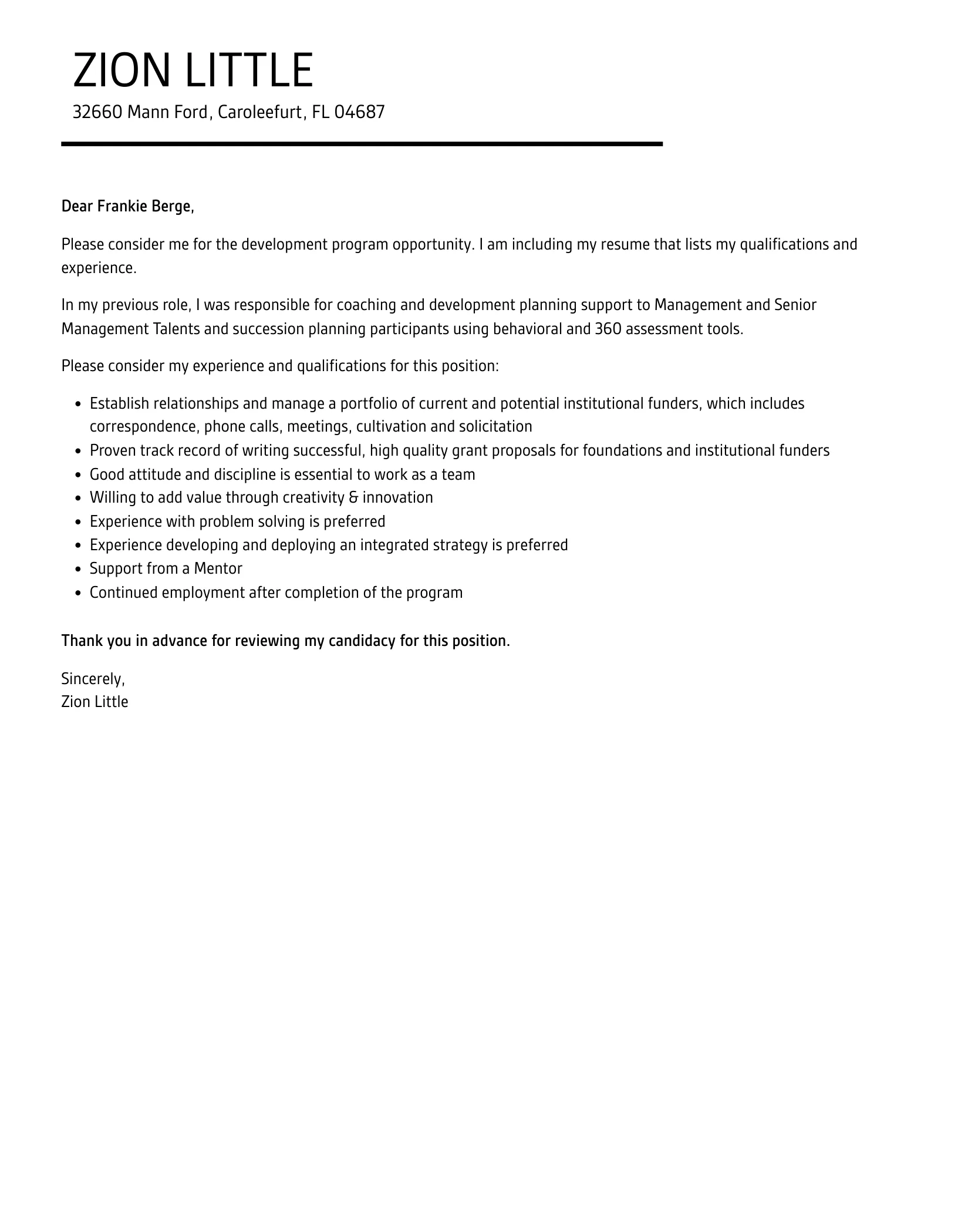
Understanding the Community Development Cover Letter
A community development cover letter is your first introduction to a potential employer in the field. It’s a critical document that provides context to your resume and highlights why you’re the ideal candidate for a specific community development position. A well-crafted cover letter demonstrates your understanding of the role, your relevant skills and experience, and your passion for community betterment. It’s not merely a summary of your resume; instead, it’s an opportunity to tell your story and connect with the hiring manager on a personal level. By strategically using your cover letter, you can differentiate yourself from other applicants and significantly increase your chances of securing an interview. Remember, the goal is to create a compelling narrative that showcases your ability to make a positive impact in the community.
What is a Community Development Cover Letter?
A community development cover letter is a tailored document you submit with your resume when applying for jobs in the community development sector. Unlike a generic letter, it specifically addresses the requirements and responsibilities outlined in the job description, and it demonstrates your understanding of the organization’s mission and values. It provides a space for you to elaborate on your experiences, skills, and qualifications in the context of community development. The best cover letters are personalized, showcasing a clear understanding of the position, the organization, and the community it serves. This allows you to establish a strong initial impression and set the stage for an in-depth discussion during an interview. It’s where you can go beyond a list of qualifications and convey your genuine interest in the position and the broader goals of community development.
Why is a Cover Letter Important?

In the competitive field of community development, a cover letter serves as a vital tool for making a positive first impression. While your resume provides a summary of your qualifications, a cover letter provides a crucial opportunity to tell your story, articulate your motivations, and demonstrate your understanding of the specific role and the organization. It’s your chance to connect with the hiring manager on a personal level by showcasing your passion for community development. A well-written cover letter allows you to elaborate on key experiences and skills, tailoring them to match the specific requirements outlined in the job description. By highlighting your relevant achievements and quantifying your successes, you can prove your value and distinguish yourself from other candidates. Moreover, a cover letter provides context, showing how your experience aligns with the organization’s mission and values, which boosts your chances of standing out and advancing to the interview stage. A strong cover letter truly sets the stage for a successful job application.
Key Components of a Community Development Cover Letter
Contact Information and Date
At the top of your cover letter, include your contact information (name, address, phone number, and email address) and the date. This ensures the hiring manager can easily reach you. Also, include the hiring manager’s contact information if it’s available, which helps personalize your letter and shows you’ve taken the time to research the organization. Make sure the information is easy to read and well-formatted. This simple step helps make sure that potential employers can quickly contact you and creates a professional first impression. Using a clean and simple format will help make sure all the essential details are clear from the very beginning of your letter.
Opening Statement

Your opening statement is crucial for capturing the hiring manager’s attention. Start by stating the position you’re applying for and where you saw the job posting. Then, immediately express your enthusiasm and passion for the role and the organization. Consider using a concise statement that highlights your understanding of the organization’s mission or a specific project that resonates with you. This shows that you’ve done your research and that you are genuinely interested in the opportunity. Avoid generic phrases and instead, strive to create an immediate connection. A compelling opening statement sets the tone for the rest of your cover letter and encourages the reader to continue reading. Your goal should be to capture their attention in the first few lines.
Highlighting Relevant Skills and Experience
The body of your cover letter should detail your relevant skills and experience. Analyze the job description and identify the key requirements, and then showcase how your skills and experience align with these needs. Provide specific examples from your past roles or projects, focusing on achievements that demonstrate your ability to excel in the position. This is your opportunity to demonstrate how you can contribute to the organization’s goals. For instance, if the job requires experience in grant writing, provide a specific example of a successful grant application you completed. Remember to use action verbs to describe your accomplishments. Showing, rather than just telling, is key to making a strong impression. Emphasize how your specific qualifications make you an ideal candidate for the role.
Quantifying Achievements
To strengthen your claims, always quantify your achievements. Instead of stating, “Improved community engagement,” write, “Increased community engagement by 20% through the implementation of new outreach programs.” Using numbers and metrics provides concrete evidence of your impact and demonstrates your value. Whenever possible, back up your claims with data, statistics, or specific results. If you managed a project, specify the budget, the timeline, and the outcomes. Quantifying your accomplishments allows the hiring manager to understand the direct benefits you can bring to the organization. Concrete examples are far more persuasive than generic statements. By incorporating numbers and metrics, you provide a clear and measurable representation of your skills and abilities, helping you stand out from other candidates.
Tailoring Your Letter to the Job Description

A successful cover letter is not generic; it’s tailored to each specific job application. Before you start writing, carefully review the job description and identify the key requirements and desired qualifications. Use these points as a guide to customize your cover letter, highlighting the experiences and skills most relevant to the position. Show the hiring manager that you have taken the time to understand their needs and that you’re the right fit. Address the specific needs of the organization and its goals. Customize your cover letter so that each section directly relates to the job description. Demonstrate that you understand the role and how your skills and experience align with the organization’s specific requirements. This will increase your chances of getting noticed.
Expressing Enthusiasm and Passion
Community development is a field that thrives on passion. Throughout your cover letter, express your genuine enthusiasm for the role and the organization’s mission. Share what motivates you to work in community development and how your values align with the organization’s goals. If you’ve been following their work, mention specific projects or initiatives that you admire. Showing that you’re genuinely excited about the opportunity can make a lasting positive impression. Your passion can often be the deciding factor. Let your enthusiasm shine through in your writing; it will show the hiring manager that you are committed and motivated to make a positive impact.
Call to Action and Closing
In your closing paragraph, include a call to action. State your interest in an interview and make it easy for the hiring manager to take the next step. Thank them for their time and consideration, reiterating your enthusiasm for the opportunity. Include a polite statement that you are available to speak at their earliest convenience. This shows initiative and reinforces your genuine interest in the role. Keep the closing brief, professional, and focused on the next steps. Ensure that your closing is polished and leaves a strong final impression.
Formatting and Presentation Tips

Choosing the Right Font and Font Size
The visual presentation of your cover letter is just as important as the content. Select a professional, easy-to-read font, such as Times New Roman, Arial, or Calibri. Keep the font size between 11 and 12 points. This ensures readability and professionalism. Consistent formatting makes the document look organized and easy to review. Avoid overly decorative fonts that can distract from the content. Clean formatting and consistent design are vital to making a positive first impression and showing that you pay attention to detail. Poor formatting can detract from your application, so choose your font and size wisely.
Keeping the Letter Concise and Engaging
Hiring managers often have limited time to review applications, so keep your cover letter concise and engaging. Aim for a length of no more than one page. Be direct and to the point, avoiding unnecessary jargon or lengthy sentences. Use strong action verbs and concise phrases to convey your message effectively. Focus on the most important information and highlight your key achievements. Ensure every sentence adds value and contributes to a clear narrative. Get straight to the point, expressing the information in the most effective way possible. This helps make your cover letter memorable.
Proofreading for Errors

Proofreading is critical. Before submitting your cover letter, carefully check for any typos, grammatical errors, or inconsistencies. Errors can create a negative impression and undermine your credibility. Use spell-check and grammar-check tools, but also read the document carefully yourself. Consider having a friend or colleague review your cover letter for a fresh perspective. This will help catch any mistakes you might have missed. Pay close attention to detail; it demonstrates professionalism and shows you care about your application. A well-proofread cover letter shows that you’re careful and thorough.
Top Tips for Writing an Effective Cover Letter
Researching the Organization
Thorough research is essential for an effective community development cover letter. Before you begin writing, learn as much as possible about the organization you’re applying to. Review their website, mission statement, and recent projects. Understand their values, goals, and the community they serve. This information will enable you to tailor your cover letter to demonstrate your understanding of the organization’s specific needs. Mentioning specific initiatives or programs that align with your interests shows genuine interest. Demonstrating this research will show that you’re invested and prepared to contribute. By doing your homework, you can tailor your cover letter to the organization.
Showcasing Your Soft Skills

In addition to highlighting your hard skills and experiences, showcase your soft skills, such as communication, teamwork, leadership, and problem-solving. These skills are highly valued in community development roles. Provide specific examples of how you’ve utilized these skills in past projects. If you’ve successfully mediated a conflict, facilitated a community meeting, or worked collaboratively on a complex project, be sure to mention it. Showing these attributes will help employers understand your personal contributions. Demonstrate how your personal qualities allow you to excel in community engagement.
Addressing the Hiring Manager by Name
Whenever possible, address your cover letter to the hiring manager by name. This personal touch shows that you’ve taken the time to research the organization and that you’re serious about the opportunity. If the hiring manager’s name is not listed, try to find it on the organization’s website, LinkedIn, or by contacting the HR department. If you are unable to find a name, use a professional salutation like “Dear Hiring Manager.” Addressing your cover letter to a specific person makes it feel more personal. It shows your attention to detail and that you’ve taken the time to make a direct connection.
Following Up After Submission
After submitting your cover letter and resume, follow up with the hiring manager within a reasonable timeframe (usually one to two weeks). A brief, polite email expressing your continued interest can show your enthusiasm and commitment. Reference the position you applied for and reiterate your interest in the opportunity. If you haven’t heard back, this is a good way to keep your application at the forefront of their minds. While follow-up is important, avoid excessive contact, as it can be counterproductive. A thoughtful follow-up reinforces your interest and shows professionalism.
Common Mistakes to Avoid
Generic and Vague Language
Avoid using generic or vague language in your cover letter. These statements can make your cover letter unmemorable and fail to highlight your unique value. Instead of writing, “I have experience working with diverse communities,” provide specific examples, such as “I led a community outreach program that engaged over 100 residents from various cultural backgrounds.” Use precise language and quantify your achievements. The goal is to showcase your specific contributions and demonstrate the positive impact you made. A precise and tailored approach is far more effective than using generic phrases. Focus on clear and concise communication.
Focusing Solely on Responsibilities
Resist the temptation to simply list your job responsibilities in your cover letter. Instead, focus on your accomplishments and the results you achieved. Employers are more interested in what you’ve achieved than in a simple list of what you did. Whenever possible, highlight your achievements using the STAR method (Situation, Task, Action, Result). For example, instead of saying, “I managed social media,” you could say, “In a social media marketing campaign, I increased followers by 30% and engagement by 25%.” Show how you’ve made a positive difference. Highlight your outcomes and accomplishments; they are what truly showcase your value.
Typos and Grammatical Errors
Typos and grammatical errors can make a negative impression and undermine your credibility. Always proofread your cover letter carefully before submitting it. Check for spelling mistakes, grammatical errors, and punctuation errors. Consider using grammar-checking tools, and have a friend or colleague review your cover letter as well. Errors show a lack of attention to detail and can diminish your application. Always proofread, edit, and revise your work.
Including Unnecessary Information
Avoid including unnecessary information that is not relevant to the job. Stay focused on showcasing your skills and experiences that align with the specific requirements of the position. Omit any irrelevant details, such as hobbies, personal opinions, or unrelated work history. Be focused, and highlight your relevant achievements and skills. Be concise and make every word count. Remove unnecessary information, and emphasize what makes you a strong candidate for the role.