Understanding the Counseling Internship Cover Letter
A counseling internship cover letter is more than just a formality; it’s your first impression and a crucial tool in securing your desired internship. This document provides an opportunity to showcase your personality, passion, and qualifications in a way that your resume alone cannot. Unlike a resume that simply lists your experiences and skills, a cover letter allows you to connect with the reader, explain why you’re a perfect fit for their program, and express your enthusiasm for the opportunity. It’s your chance to demonstrate your understanding of the organization’s mission and how your goals align with theirs.
Why a Strong Cover Letter Matters
In a competitive field like counseling, a strong cover letter can significantly increase your chances of standing out from the crowd. It allows you to personalize your application, highlighting the aspects of your background and experience that directly relate to the specific internship. A well-written cover letter demonstrates professionalism, attention to detail, and a genuine interest in the opportunity. It shows that you’ve taken the time to understand the organization’s values and goals, and that you’re committed to contributing positively to their team. Failing to submit a compelling cover letter can make you seem uninterested or unprepared, leading to missed opportunities.
Highlighting Your Skills and Experience

The core purpose of your cover letter is to effectively highlight your skills and experience, making them relevant to the internship. Don’t simply repeat what’s on your resume; instead, elaborate on your achievements and demonstrate how your abilities align with the internship’s requirements. Consider the specific skills and qualities the organization is seeking in an intern, such as empathy, active listening, and strong communication skills. Use concrete examples to showcase these qualities, such as describing a situation where you successfully resolved a conflict or provided emotional support to someone in need. Quantify your achievements whenever possible, using metrics to demonstrate the impact of your work.
Key Components of a Counseling Internship Cover Letter
A well-structured cover letter typically includes several key components that work together to present a complete picture of your qualifications and enthusiasm. Each element serves a specific purpose, contributing to the overall impact of your application. Starting with the essential elements, such as your contact information and the recipient’s details, the letter should transition smoothly through an engaging introduction, a body that effectively highlights your skills and experience, and a strong closing that reiterates your interest and expresses gratitude.
Your Contact Information and Date
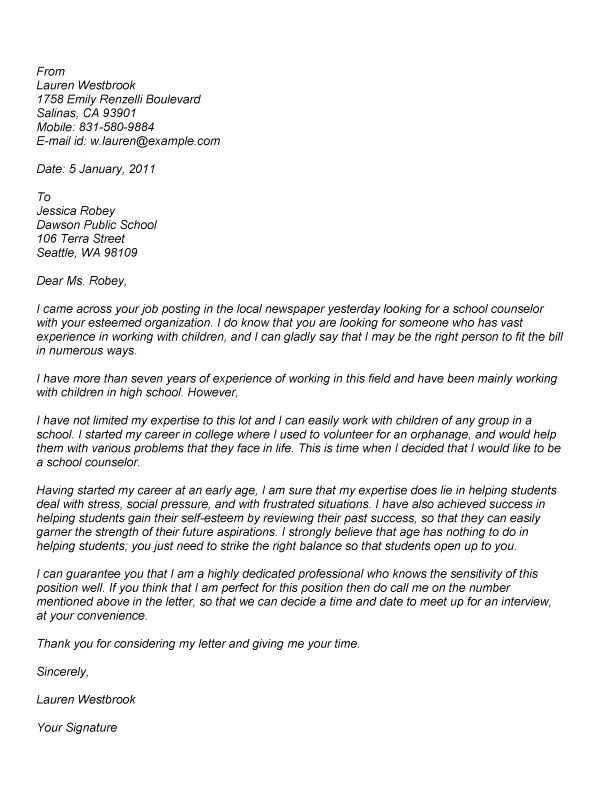
Begin your cover letter by including your contact information in the top left or right corner. This should include your full name, address, phone number, and professional email address. Make sure your email address is professional-sounding; avoid using nicknames or informal language. Directly beneath your contact information, add the date you’re sending the letter. Ensure the date format is consistent with the standards of the recipient’s country, if known. This part is to allow easy contact.
The Recipient’s Information

Directly below the date, include the recipient’s information. This usually consists of the hiring manager’s name, their title, the name of the organization, and the organization’s address. Researching the specific person to address the letter to is critical; if possible, avoid using a generic title like “To Whom It May Concern.” Addressing the letter to a specific individual demonstrates that you’ve taken the time to learn about the organization and its staff. This personalized approach can make your application stand out.
Crafting a Compelling Opening Paragraph
The opening paragraph sets the tone for your entire cover letter. It should immediately grab the reader’s attention and clearly state the purpose of your letter which is to express your interest in the internship. Briefly mention where you saw the internship posting or how you learned about the opportunity. Show enthusiasm and make it clear why you are excited about this specific internship and organization. Avoid generic phrases; instead, try to convey a genuine interest in the program and its mission. A strong opening will make the reader want to continue reading and learn more about your qualifications.
Expressing Your Passion for Counseling
Demonstrate your passion for counseling and your dedication to helping others. This is a crucial aspect of your cover letter, as it shows the hiring manager that you are not just looking for any internship but are genuinely interested in the field. Share a brief anecdote or personal experience that sparked your interest in counseling. Explain what draws you to this particular area of practice, whether it’s working with a specific population, using a particular therapeutic approach, or contributing to the organization’s mission. Your passion will make you more relatable and show your commitment to the profession.
Demonstrating Your Qualifications

Provide specific examples of how your skills and experiences align with the internship’s requirements. Mention relevant coursework, training programs, or workshops that have prepared you for this role. Use action verbs to describe your accomplishments and responsibilities. Focus on the skills and qualities that are most relevant to counseling, such as active listening, empathy, and communication skills. Explain how you have demonstrated these skills in previous experiences and how they will help you succeed in this internship. Tailor this section to the specific requirements of the internship.
Showcasing Relevant Skills and Experience
This is the section where you elaborate on the specific skills and experiences that make you a strong candidate. This could be active listening, empathy, communication, crisis intervention, and group facilitation. Provide concrete examples of situations where you have utilized these skills, such as resolving conflicts, supporting clients through difficult times, or leading group discussions. Quantify your achievements whenever possible; for instance, you could mention the number of clients you’ve worked with or the positive outcomes achieved. Show the impact of your work and how your skills contribute to successful counseling outcomes.
Academic Background and Training
Highlight your relevant academic background and any specialized training you’ve received. Mention your degree program, major, and any specific courses or modules that have prepared you for counseling. Include details about any certifications, workshops, or training programs you’ve completed that are relevant to the internship. If you have a high GPA or have received any academic awards or honors, consider mentioning them here. This section should demonstrate your commitment to learning and your preparedness for the challenges of the internship.
Clinical Experience (if any)
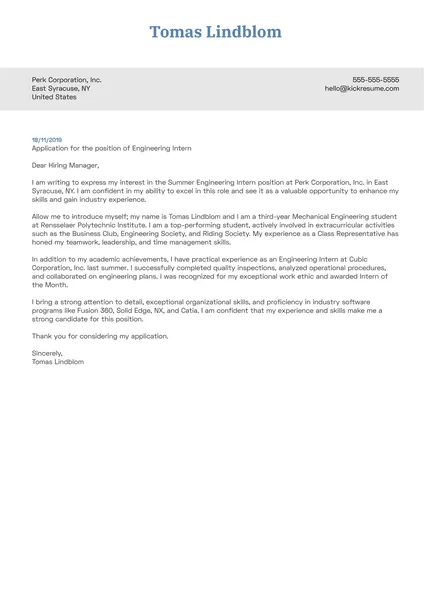
If you have any previous clinical experience, use this section to showcase it. Describe your role in any previous counseling or mental health settings. Explain the types of clients you worked with and the specific responsibilities you held. Highlight any therapeutic approaches you’ve used or observed. Mention any positive outcomes you helped achieve, such as client progress, successful interventions, or improved therapeutic relationships. Even if your experience is limited, emphasize the skills you gained and how they can contribute to the internship’s success. If you have little to no clinical experience, highlight transferable skills from other areas like volunteer work.
Tailoring Your Letter to the Specific Internship
Customize your cover letter to match the specific requirements of the internship and the values of the organization. Use the job description as your guide, highlighting the skills and experiences that directly align with the listed needs. Research the organization’s mission, values, and programs. Explain how your goals align with theirs and how you can contribute to their work. Personalizing your letter shows that you’ve taken the time to learn about the organization and are genuinely interested in working there. Avoid using a generic template that could be sent to any potential employer. This shows you are serious and that you want that specific position.
Researching the Organization and Program
Thoroughly research the organization and the specific internship program. Visit their website, read their mission statement, and learn about their values. If possible, read articles or reviews about their work. Understanding their approach to counseling, the populations they serve, and the therapeutic methods they use will help you tailor your letter to their specific needs. Mentioning specific programs or initiatives that resonate with you shows that you are genuinely interested in working with them. This research demonstrates your commitment and helps you write a more compelling cover letter.
Addressing the Internship’s Requirements

Carefully review the internship description and address each of the stated requirements in your cover letter. Identify the key skills, experiences, and qualifications they are seeking. In your letter, specifically mention how your background and experiences align with these needs. Use keywords from the job description to demonstrate that you understand their requirements. Provide concrete examples of how you have demonstrated the desired skills in previous situations. This targeted approach shows that you have carefully considered the role and are confident in your ability to meet their expectations.
Writing a Strong Closing Paragraph
The closing paragraph should summarize your interest, reiterate your enthusiasm, and express gratitude for the opportunity. Reiterate your strong desire for the internship and reiterate how your skills can benefit the organization. Mention your availability for an interview and how the hiring manager can contact you. Thank the reader for their time and consideration, using a professional closing such as “Sincerely” or “Respectfully.” Ensure the closing is polite and professional, leaving a positive lasting impression.
Reiterating Your Interest and Enthusiasm
In your closing paragraph, clearly restate your interest in the internship opportunity. Summarize why you are a good fit for the role and how your skills and experience align with the organization’s needs. Express your excitement about the prospect of contributing to their mission and working with their team. Reinforce your enthusiasm by mentioning any specific aspects of the internship or the organization that particularly appeal to you. This final statement of interest leaves a strong impression on the reader and reinforces your suitability for the position.
Expressing Gratitude for the Opportunity

Always end your cover letter by expressing gratitude for the reader’s time and consideration. Thank them for reviewing your application and for the opportunity to be considered for the internship. This shows respect for their time and leaves a positive final impression. Consider adding a specific thank you, such as thanking them for their commitment to helping the community or their work in a particular area of counseling. This demonstrates that you appreciate their work and value the opportunity to learn from them.
Proofreading and Editing Your Cover Letter
Proofreading and editing are essential steps in ensuring your cover letter is polished and professional. Carefully review your letter for any grammatical errors, spelling mistakes, and typos. Check the letter’s format, ensuring it is consistent and easy to read. Consider using grammar and spell-checking tools, but also read the letter aloud to catch any awkward phrasing or unclear sentences. Ask a friend, professor, or career counselor to review your letter for feedback. A well-proofread cover letter demonstrates your attention to detail and professionalism, making a positive impression on potential employers. Proofreading is a key part of the final steps, don’t miss it.
Common Mistakes to Avoid
Several common mistakes can undermine your cover letter and damage your chances of being selected. Avoid generic language, such as using cliches or phrases that could apply to any job. Don’t simply restate your resume; instead, elaborate on your experiences and provide concrete examples. Avoid using negative language or criticizing past employers or experiences. Ensure your letter is free of grammatical errors, spelling mistakes, and typos. Finally, don’t submit a cover letter that is too long or too short; aim for one page, unless specifically instructed otherwise. Always do a spell check to get rid of all mistakes.
Ensuring Clarity and Professionalism

Clarity and professionalism are essential for creating a compelling cover letter. Use clear, concise language, avoiding jargon or overly technical terms. Maintain a professional tone throughout the letter, avoiding slang or casual language. Use proper grammar and punctuation to ensure your writing is easy to understand. Ensure your formatting is consistent and easy to read. A well-written, professional cover letter demonstrates your communication skills and professionalism, increasing your chances of being selected for an interview. The cover letter must be perfect, since this will demonstrate how well you work and how much you want the position.
Cover Letter Templates and Examples
Utilizing cover letter templates and examples can be a great starting point for crafting your own letter. However, remember to personalize each template to match your specific skills and experiences, as well as the requirements of the internship. There are a variety of templates available online and in career resources that you can adapt to your needs. Examples of cover letters for counseling internships can also provide valuable guidance on how to structure your letter and what information to include. While these resources offer helpful frameworks, avoid simply copying a template; instead, use them as a guide and personalize your letter to make it stand out.
Utilizing Sample Cover Letters
Sample cover letters can provide valuable insights into the structure and content of a successful application. Review several examples to understand how experienced applicants present their skills and experiences. Pay attention to the language used, the tone of the letter, and the way the applicant addresses the requirements of the internship. Analyze how they highlight their accomplishments and express their enthusiasm. While using samples can be helpful, avoid simply copying text. Instead, use the samples as inspiration and adapt the language and content to reflect your unique qualifications and experiences. This will allow you to showcase your personality in a way that stands out.
Adapting Templates to Your Needs
While templates provide a structured framework, adapting them to your specific needs is essential. Start by identifying the key requirements of the internship and matching your skills and experiences to those requirements. Customize the template to reflect your individual qualifications and goals. Tailor the language and tone to reflect your personality and your enthusiasm for the opportunity. Ensure that the cover letter is relevant to the specific internship and that it addresses the organization’s mission and values. By personalizing the template, you demonstrate that you’ve taken the time to understand the role and are committed to making a positive contribution. Remember to make the letter about you and your experience and also about the position you are applying for.
Finalizing and Submitting Your Cover Letter
Before submitting your cover letter, ensure it’s polished, error-free, and ready for review. Carefully proofread your letter for any grammatical errors, spelling mistakes, and typos. Double-check the formatting and ensure it is professional and easy to read. Save your cover letter as a PDF file to maintain the formatting and ensure it can be opened on any device. Submit your cover letter along with your resume and any other required documents, following the application instructions precisely. By following these steps, you will increase your chances of making a strong first impression and securing your desired counseling internship. Remember that this is the most important step, so do your best.
Finalizing and Submitting Your Cover Letter
After finalizing your cover letter, it’s time to submit your application. Review all of your application materials one last time to ensure they are complete and error-free. Follow the submission instructions carefully, paying attention to the required file formats and any specific instructions. Submit your application by the deadline to avoid being disqualified. Confirm that your application was successfully submitted and keep a copy of your cover letter and resume for your records. Once you submit, be sure to follow up with the organization to reiterate your interest and check on the status of your application. Your efforts will be appreciated.