Cover Letter Dos & Don’ts (Top 5 Tips)
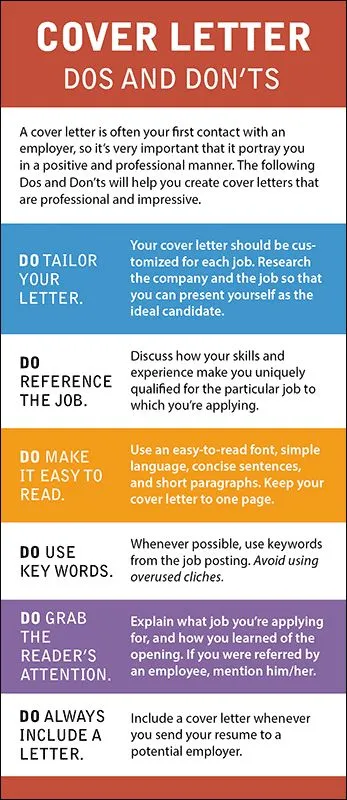
A cover letter is your first opportunity to make a positive impression on a potential employer. It’s a crucial component of your job application, working in tandem with your resume to showcase your qualifications and express your interest in a specific role or company. Knowing the dos and don’ts of cover letter writing can significantly increase your chances of landing an interview and ultimately securing your dream job. This article will provide an in-depth look at the essential dos and don’ts of crafting a compelling cover letter. Following these guidelines will help you create a standout cover letter that grabs the attention of hiring managers and sets you apart from the competition, enhancing your chances of getting hired.
The Purpose of a Cover Letter
The purpose of a cover letter is multifaceted. It’s not merely a repetition of your resume; it’s a platform to provide context and personality. A well-written cover letter introduces you to the hiring manager, highlights your relevant skills and experiences, and demonstrates your enthusiasm for the specific position and company. It’s your chance to tell a story, explain any gaps in your resume, and articulate why you’re the perfect fit for the role. Moreover, the cover letter allows you to showcase your communication skills, demonstrating your ability to write clearly and persuasively. By understanding and effectively utilizing the purpose of a cover letter, you can significantly increase your chances of making a positive first impression and advancing to the next stage of the hiring process.
Dos Include
When writing a cover letter, focusing on what you should do is just as important as avoiding common mistakes. The “dos” of cover letter writing emphasize proactive strategies that capture the reader’s attention and create a compelling narrative. These essential elements set the stage for a positive and memorable first impression. By integrating these key elements into your cover letter, you’ll craft a document that not only presents your skills and experiences but also demonstrates your enthusiasm and suitability for the role. Here are the key dos to ensure your cover letter is impactful and effective.
Highlighting Your Skills and Achievements
One of the most critical “dos” is highlighting your skills and achievements. Your cover letter should not simply reiterate your resume; rather, it should provide deeper context and showcase how your past experiences align with the requirements of the job. Focus on quantifiable achievements whenever possible, such as ‘Increased sales by 15%’ or ‘Managed a team of 10 employees’. Use specific examples to demonstrate your abilities and explain how you’ve utilized your skills to achieve results. Tailor these examples to the specific job description, emphasizing the skills and experiences that are most relevant. This targeted approach will demonstrate to the hiring manager that you not only possess the necessary skills but also understand how they apply to the role and contribute to the company’s goals. Remember to use action verbs and highlight your accomplishments, demonstrating your value proposition.
Personalizing Your Letter
Personalization is crucial to making a cover letter stand out. Avoid using generic templates and instead, demonstrate genuine interest in the specific company and role. Research the company, its culture, and its values to tailor your letter accordingly. Address the hiring manager by name if possible. Mentioning specific projects, initiatives, or aspects of the company that resonate with you shows that you’ve taken the time to understand their business and that you’re genuinely interested in joining their team. This level of personalization creates a stronger connection with the reader and demonstrates your dedication to the opportunity. By taking the extra step to personalize your cover letter, you increase your chances of capturing the hiring manager’s attention and making a positive impression, differentiating yourself from other candidates.
Proofreading and Editing

Proofreading and editing are non-negotiable aspects of cover letter writing. Before submitting your application, meticulously review your cover letter for any errors in grammar, spelling, and punctuation. Typos and grammatical errors can create a negative impression, suggesting a lack of attention to detail and professionalism. Read your letter aloud to catch any awkward phrasing or sentence structure issues. Consider having a friend or family member review your letter as well, as a fresh pair of eyes can often spot mistakes that you might have missed. Pay close attention to the formatting, ensuring that your cover letter is clean, organized, and easy to read. Proofreading and editing are not just about avoiding mistakes; they also demonstrate your commitment to excellence and professionalism. A polished cover letter reflects well on your skills and abilities, boosting your chances of making a positive first impression and securing an interview.
Don’ts Include
Avoiding common pitfalls in cover letter writing is just as critical as knowing what to include. The “don’ts” of cover letter writing address the mistakes that can undermine your application and potentially lead to your resume being overlooked. These include content issues, formatting errors, and other practices that can detract from your overall presentation. By being aware of the don’ts of cover letter writing, you can craft a more compelling and professional letter that highlights your strengths and increases your chances of landing an interview.
Generic Content and Clichés
Generic content and clichés are a major turnoff for hiring managers. Avoid using phrases that are overused and lack originality, such as “I am a team player” or “I am a hard worker”. These statements are vague and don’t provide any concrete evidence of your abilities. Instead, focus on demonstrating your skills and achievements through specific examples. Tailor your cover letter to the specific job and company. Avoid using a generic template that you send to every employer. Hiring managers can easily spot these, and they signal a lack of genuine interest in the role. Instead, take the time to personalize your letter, highlighting how your skills and experiences align with the specific requirements of the job and the values of the company. Show genuine enthusiasm and demonstrate that you’ve researched the company and understand their business. This will make your cover letter more engaging and memorable.
Focusing on Yourself Too Much

While a cover letter is about showcasing your skills and experiences, avoid making it solely about yourself. Focus on how you can contribute to the company and solve their problems. Instead of simply listing your accomplishments, explain how those accomplishments align with the company’s needs and how you can add value to their team. Frame your skills and experiences in terms of the benefits they provide to the employer. Demonstrate your understanding of the company’s goals and explain how you can help them achieve success. Show that you’re not just looking for a job, but that you’re genuinely interested in making a difference within the organization. Highlight your enthusiasm for the company and the role and describe how your skills and experiences can contribute to their success. This approach will make your cover letter more compelling and demonstrate your value to the potential employer.
Typos and Grammatical Errors
Typos and grammatical errors are a major red flag in cover letters. These mistakes create a negative impression and can signal a lack of attention to detail and professionalism. Always proofread your letter meticulously before submitting it. Use spell-check and grammar-check tools, but don’t rely on them exclusively; these tools can often miss errors. Read your letter aloud to catch any awkward phrasing or sentence structure issues. Consider having a friend or family member review your letter as well, as a fresh pair of eyes can often spot mistakes that you might have missed. Ensure that your cover letter is clean, organized, and easy to read. A polished cover letter reflects well on your skills and abilities, boosting your chances of making a positive first impression and securing an interview. The presence of errors suggests a lack of professionalism, and it can make your resume be overlooked by hiring managers.
Formatting and Structure Best Practices
Formatting and structure are critical to ensuring your cover letter is easy to read and visually appealing. Use a professional font, such as Times New Roman, Arial, or Calibri, and keep the font size between 10 and 12 points. Maintain consistent formatting throughout the document, including consistent margins, spacing, and alignment. Use clear and concise language, avoiding overly complex sentences and jargon. Break up long paragraphs into shorter, more digestible chunks. Use bullet points or numbered lists to highlight key skills and achievements. Ensure your cover letter is properly structured, with a clear introduction, body, and conclusion. The introduction should state the purpose of the letter and your interest in the position. The body should highlight your relevant skills and experiences, providing specific examples to support your claims. The conclusion should reiterate your interest in the position and thank the reader for their time. A well-formatted and well-structured cover letter will make a positive impression on the reader and demonstrate your attention to detail.