What is an Enclosure on a Cover Letter
The term “enclosure” on a cover letter signifies that additional documents are included with your application. These documents are physically attached or sent along with the cover letter, acting as supporting materials for your job application. It’s a simple yet crucial element that ensures the hiring manager knows to expect these extra items. Properly using an enclosure can significantly boost your application’s clarity and professionalism, ultimately increasing your chances of getting noticed. This practice is particularly important in industries where specific documentation is essential for consideration.
Definition and Purpose
An enclosure is a formal note at the end of your cover letter, signaling the inclusion of other documents. Its primary purpose is to inform the recipient that supplementary materials are included in the submission. These may include your resume, references, portfolios, certifications, or any other documents that support your application and are crucial for evaluating your qualifications. Clearly indicating the presence of these enclosures ensures that the hiring manager doesn’t overlook important information, making the application process smoother and more efficient.
Why Use an Enclosure?

Using “Enclosure” or “Enclosures” on your cover letter is essential for several reasons. Firstly, it provides clarity by explicitly telling the recipient that extra materials are included. This prevents your documents from being discarded or lost. Secondly, it demonstrates professionalism and attention to detail. It shows that you’ve taken the time to organize your application thoroughly. Lastly, in many professional settings, it is standard practice, and its absence may be noticed, possibly impacting your application negatively. Including the enclosure notation is therefore a simple step that can significantly enhance the presentation and impact of your job application.
Top 5 Facts About Cover Letter Enclosures
Fact 1 Indicate Enclosed Documents
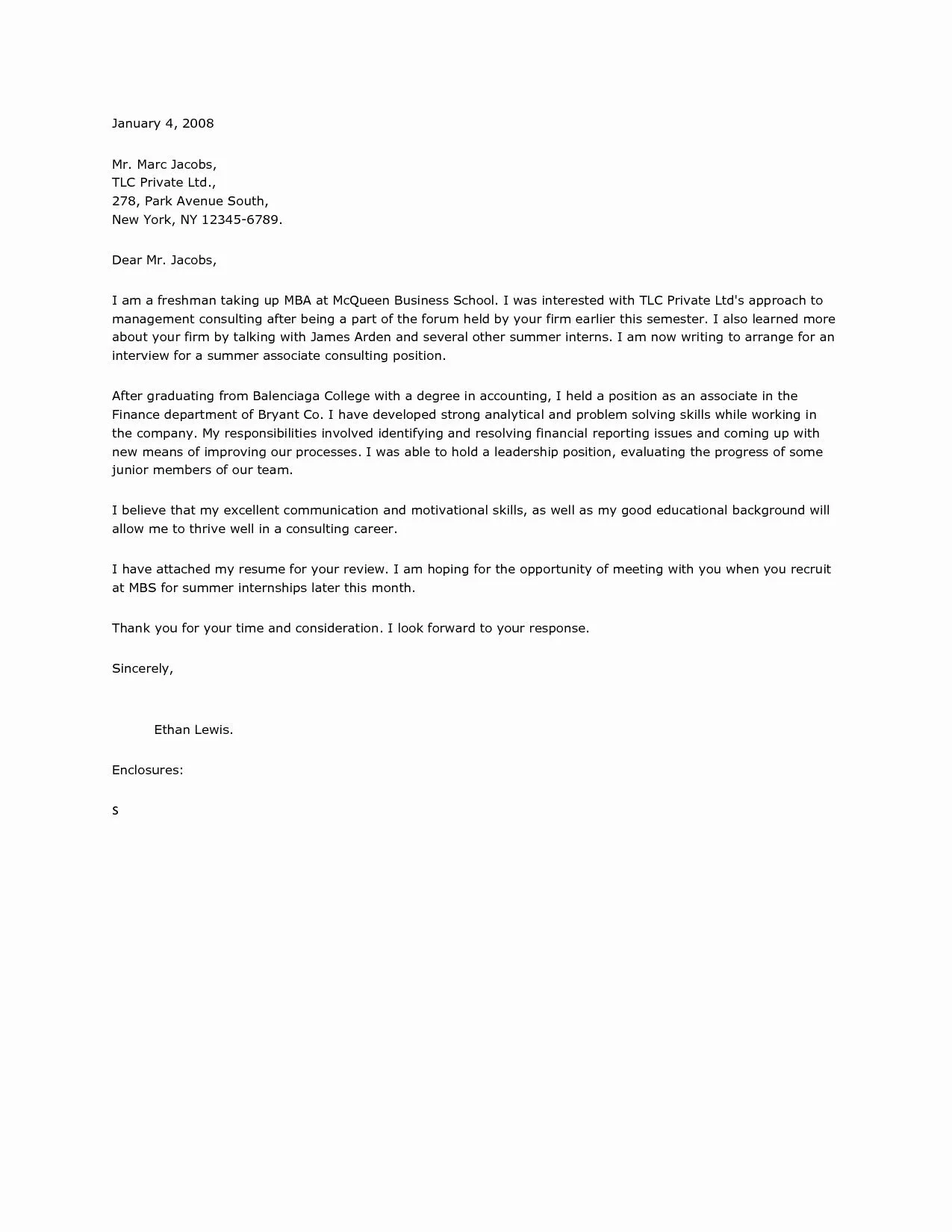
The primary function of an enclosure notation is to explicitly signal to the reader that additional documents accompany the cover letter. It serves as a clear instruction for the recipient to look for and review these supplementary materials. This is particularly useful when sending applications via postal mail where it ensures nothing is missed. The enclosure notation itself is often placed at the end of your cover letter, below your signature and any other closing remarks. This placement ensures it is visible and can’t be overlooked during document review.
Examples of Enclosed Documents

Common documents you might enclose include your resume, letters of recommendation, transcripts, writing samples, portfolios, certifications, or any other materials relevant to the job application. The specific documents you include will depend on the requirements outlined in the job description and the nature of the position. Always tailor the enclosed documents to the specific job and highlight any accomplishments or skills that align with the requirements. By carefully selecting and including these documents, you can provide a more comprehensive and compelling picture of your qualifications to the hiring manager.
Fact 2 Proper Formatting Matters
Formatting the enclosure notation correctly is a detail that reflects professionalism and attention to detail. While the exact formatting may vary slightly depending on personal preference and the specific guidelines of the company, there are common conventions that should be followed. Using “Enclosure” or “Enclosures” followed by a colon is standard. You can also choose to list the specific documents enclosed, particularly if you’re sending multiple items. Consistency in formatting across your cover letter and resume is also crucial to create a seamless and polished look.
Placement of the Enclosure Notation
The enclosure notation should be placed at the very end of your cover letter, after your signature and closing remarks. This ensures that it is visible without being obtrusive. It usually appears two to four lines below your typed name, providing a clear visual break. Ensure that it is left-aligned to maintain a clean and organized appearance. The goal is to make it easy for the recipient to spot the notation while maintaining a professional and well-structured cover letter.
Fact 3 Benefits of Using Enclosures

Properly using enclosure notations provides several benefits for your job application. It ensures that all necessary documents are reviewed by the hiring manager. It clearly communicates what materials are included, preventing them from being overlooked. This attention to detail highlights your organization skills and professionalism, making a positive impression. Using an enclosure allows you to provide comprehensive supporting documentation. This approach helps you present a thorough and well-supported application, giving you a competitive edge in the job search. These notations demonstrate a commitment to clarity, which is highly valued by employers.
Fact 4 Common Mistakes to Avoid
Several common mistakes can undermine the effectiveness of your cover letter enclosures. One frequent error is failing to include the notation at all when additional documents are present. Always include the enclosure, even if it seems obvious. Another mistake is using an incorrect format or placement. Ensure it is at the end of the letter, properly formatted. Finally, ensure all enclosures are relevant and appropriate for the job. Including unnecessary documents wastes the hiring manager’s time and can detract from your application.
Incorrect Placement
Incorrect placement is a common mistake that can diminish the impact of your enclosure notation. The notation should always appear at the very end of your cover letter, below the signature. Avoid placing it at the beginning or in the middle of the letter, as this can disrupt the flow and make it difficult to notice. Ensure it is consistently formatted and easily visible without being overly prominent. A misplaced enclosure can appear unprofessional and lead to confusion, thus, careful placement is key to maximizing its effectiveness.
Fact 5 How to Mention Enclosures Effectively

To mention enclosures effectively, it’s crucial to be specific and clear about what you are including. Instead of simply writing “Enclosure,” consider listing the documents enclosed, such as “Enclosures Resume, Letter of Recommendation.” This allows the recipient to quickly understand what to expect. You can also briefly mention the enclosures within the body of your cover letter. If a document highlights specific skills or experiences relevant to the job, direct the reader to those specific sections of the enclosed document. This helps guide the hiring manager and emphasizes key aspects of your qualifications.
Using Specificity
Specificity is key when mentioning enclosures. Instead of a generic “Enclosure,” list the specific documents enclosed. This may include “Resume,” “Portfolio,” or “References.” In your cover letter’s body, refer to the relevant points within the enclosed documents. For instance, if you are showcasing your achievements on a project, you can state “As highlighted in my portfolio, I successfully led the X project…” This directs the hiring manager’s attention to the relevant areas and demonstrates your skills effectively. Specificity not only ensures clarity but also helps to emphasize key aspects of your application.
Writing a Strong Cover Letter
A strong cover letter includes various elements that together make your application shine. It should be personalized for each job, demonstrating your genuine interest in the position and the company. Highlight your relevant skills and experiences, emphasizing how they match the job’s requirements. Use concise and professional language, avoiding jargon and overly complex sentences. Proofread carefully for grammar and spelling errors. Include an enclosure notation when applicable, ensuring all essential documents are included. A well-written cover letter with clear enclosure notations makes a powerful first impression, setting you apart from other candidates.
Tailoring to the Job

Tailoring your cover letter is critical for each job application. Customize each cover letter to match the specific requirements and keywords in the job description. Research the company and highlight how your skills and experiences align with their values and goals. Avoid using generic templates; instead, create a unique message that speaks directly to the hiring manager. This personalization shows your genuine interest and attention to detail. When listing enclosed documents, ensure they are all relevant to the job, and reference the most important achievements highlighted in the enclosed materials. By tailoring your letter, you significantly increase your chances of getting noticed.