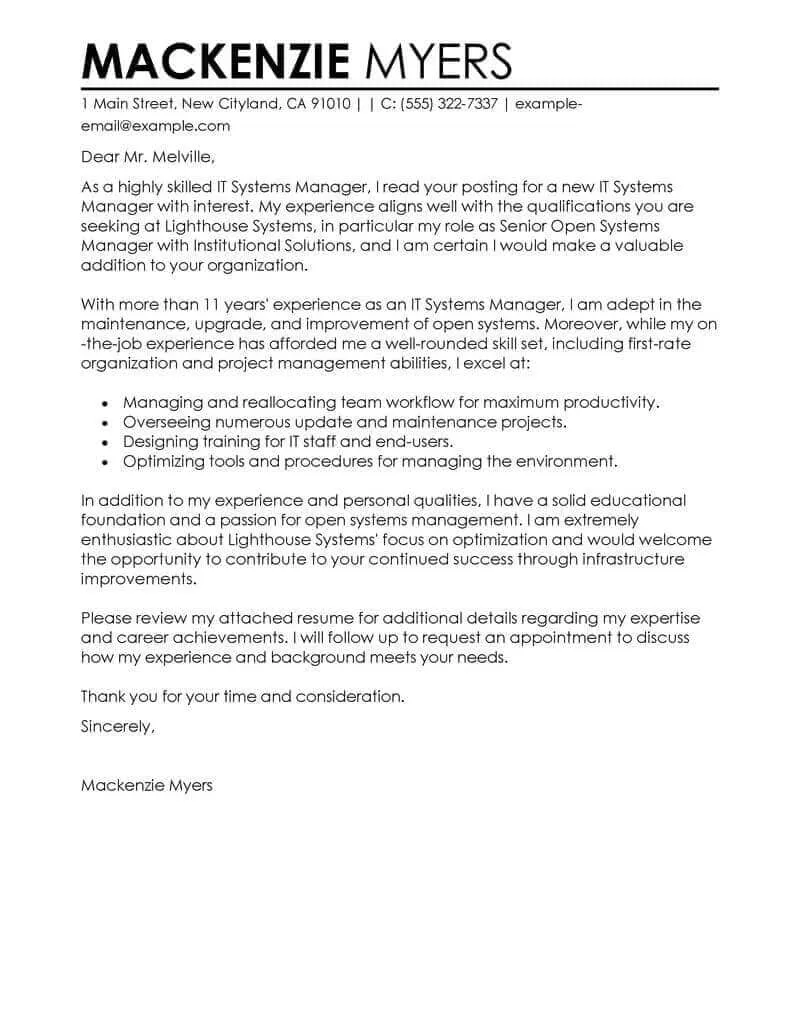
What is a Cover Letter
A cover letter is a crucial document that accompanies your resume when applying for a job. It serves as your introduction to a potential employer, allowing you to highlight your skills, experience, and enthusiasm for the position. It’s an opportunity to provide context to your resume and explain why you are the ideal candidate. Think of it as a personal sales pitch, designed to persuade the hiring manager to read your resume and consider you for an interview. A well-crafted cover letter can significantly increase your chances of getting noticed and landing your dream job.
The Importance of a Cover Letter
The significance of a cover letter extends beyond merely fulfilling a job application requirement. It’s an invaluable tool that demonstrates your communication skills, attention to detail, and understanding of the job’s requirements. It allows you to personalize your application, showing that you’ve taken the time to research the company and tailor your message to their specific needs. In a competitive job market, a compelling cover letter can set you apart from other applicants, showcasing your personality and passion. It’s your chance to create a positive first impression and make a lasting impact.
Cover Letter Examples for Different Situations

Different job applications call for different cover letter approaches. Tailoring your cover letter to the specific role and industry is crucial for showcasing your relevant skills and experience. Reviewing examples allows you to understand the varying structures, tones, and content that can be employed. The goal is to see how others have presented their qualifications effectively, and gain insight into what resonates with potential employers. Different circumstances such as entry-level positions, career changes, and industry-specific applications benefit from varying cover letter strategies.
Entry-Level Cover Letter Examples
For entry-level positions, where experience may be limited, the cover letter provides an opportunity to emphasize your transferable skills, education, and eagerness to learn. It’s about showcasing your potential and demonstrating your commitment to the role and the company. A strong entry-level cover letter focuses on your academic achievements, relevant coursework, volunteer experiences, or any internships or part-time jobs you’ve held. It should highlight your enthusiasm, adaptability, and willingness to contribute to the team, and provide an example of this with some previous experience.
Cover Letter Example for Career Change
When transitioning careers, your cover letter becomes even more critical. It needs to bridge the gap between your past experience and your desired new role. Highlight transferable skills, achievements, and the reasons for your career change. The cover letter should explain why you’re pursuing a new path and what motivates you, which is essential for making a strong impression. It’s an opportunity to reframe your experience and show how your previous roles have prepared you for success in your new chosen field. You can use it to show your potential for the future.
Cover Letter Example With No Experience

If you have no prior professional experience, your cover letter can still shine by focusing on your education, skills, and personal attributes. Highlight relevant coursework, projects, volunteer work, or extracurricular activities. Demonstrate your passion for the field, and showcase your willingness to learn and contribute. Even without experience, the cover letter is an opportunity to illustrate your potential and enthusiasm. Use this opportunity to show your ability and interest for this role and how it would fit with your future goals.
Cover Letter Example with Experience
A cover letter with experience should provide specific examples and quantify achievements. Showcase your previous roles, the contributions you made, and the results you achieved. Use your letter to demonstrate how your past roles and experiences align with the job requirements and why you’re a strong fit. The more detailed and specific you are in your examples, the more impactful your letter will be. Quantifying your achievements with numbers, percentages, or specific outcomes can strengthen your claims and make your letter more convincing.
Cover Letter Examples by Industry
Cover letters can vary significantly depending on the industry. Research the specific expectations and norms of the industry to tailor your letter accordingly. For example, a cover letter for a tech company may emphasize technical skills and projects, while a cover letter for a creative role may focus on your portfolio and creative vision. Tailoring to industry standards demonstrates your awareness and knowledge, which makes a great impression. Your research helps you align your letter with the industry’s values.
Tech Industry Cover Letter Example

A cover letter for a tech role should highlight your technical skills, relevant projects, and contributions to past projects. Highlight your experience with specific technologies, programming languages, and tools. Discuss your experience with the technology that is applicable for the role you are seeking. If you have a portfolio or GitHub profile, be sure to mention it. Express your passion for technology and your enthusiasm for contributing to the company’s innovative work.
Marketing Cover Letter Example
A marketing cover letter should showcase your understanding of marketing principles, your creativity, and your ability to drive results. Highlight your experience with marketing campaigns, digital marketing tools, and data analysis. Share your achievements, such as increased website traffic, lead generation, or social media engagement. Include information about your analytical skills. Demonstrating your understanding of the marketing world and a proven record of success makes your case very compelling.
Cover Letter Examples Must-Have Sections
Every cover letter needs several key sections to make an impact. Understanding the basic structure and what each section should contain can guide you to success. Each section plays a vital role in creating a cohesive and persuasive narrative. Ensuring each section is tailored to the specific job and company allows you to make the best impression.
Header Contact Information

The header of your cover letter should include your name, contact information (phone number, email, and LinkedIn profile URL). It’s important for the hiring manager to easily contact you. Keep your header professional and easy to read, which means you have to keep it simple.
Greeting Addressing the Hiring Manager
Address the hiring manager by name whenever possible. It shows you’ve done your research and taken the time to personalize your application. If you can’t find a name, use a general greeting such as “Dear Hiring Manager”. Avoid generic greetings that can make your application less impressive.
Opening Engaging Introduction
Your opening should grab the reader’s attention immediately. State the position you’re applying for and briefly explain why you’re a strong candidate. This introduction should be concise, enthusiastic, and create a positive first impression. Clearly express your interest in the role and your enthusiasm for the company.
Body Highlighting Your Skills

The body of your cover letter should highlight your relevant skills and experiences. Use specific examples to showcase your accomplishments and quantify your achievements whenever possible. Explain how your skills align with the job requirements and why you’re a great fit. Tailor your response to the role and the specific keywords mentioned in the job description. Be as clear and concise as possible.
Closing Call to Action
End your cover letter with a strong call to action. Reiterate your interest in the position and express your enthusiasm for an interview. Thank the hiring manager for their time and consideration. A clear call to action demonstrates your confidence and eagerness to move forward in the hiring process. Provide your contact information and be available for contact.
Tips for Writing a Great Cover Letter
To create a great cover letter, focus on providing helpful information to the hiring managers. By using these tips you can stand out from the crowd, and increase your chance of employment. Paying attention to detail, personalization, and clarity can help you create a very persuasive and effective cover letter that wins the job.
Research the Company

Before writing your cover letter, research the company and the specific role. Understanding the company’s mission, values, and culture is crucial. Tailor your letter to demonstrate that you understand their needs and that you share their values. Show your enthusiasm for the specific job and highlight what aspects of the role appeal to you.
Tailor Each Letter
Avoid using a generic cover letter for multiple job applications. Tailor each letter to the specific requirements of the job and the company. Highlighting your specific experience and the skills required makes a great impression. This shows that you’ve taken the time to understand the role. Personalizing your letter makes your application stand out.
Proofread Carefully
Proofread your cover letter multiple times for any grammatical errors, spelling mistakes, or typos. Errors can undermine your professionalism and attention to detail. Have a friend or family member proofread your letter as well. This can help you catch mistakes that you may have missed.
Format and Style
Use a professional format and style in your cover letter. Maintain a consistent font and font size. Make sure your letter is easy to read and well-organized. Use bullet points or short paragraphs to improve readability. Keeping your letter neat and tidy makes a great impression.
What to Avoid in a Cover Letter
There are certain things that should be avoided when writing a cover letter. The goal is to highlight all the positives and ensure the hiring manager is impressed. Avoiding mistakes makes you look much more professional, and provides the best impression possible.
Mistakes to Avoid
Avoid using generic or vague language. Don’t simply restate your resume; provide additional information and context. Don’t include irrelevant information or personal details that are not related to the job. Avoid making negative comments about previous employers or colleagues. Ensure that you do not include any lies, exaggerations, or misrepresentations of your qualifications.
Common Cover Letter Examples FAQs
Many people have common questions when it comes to cover letters. By answering frequently asked questions, you can be assured that you will avoid any pitfalls. Addressing these common concerns can help you make the best possible impression, and increase your chances of success.