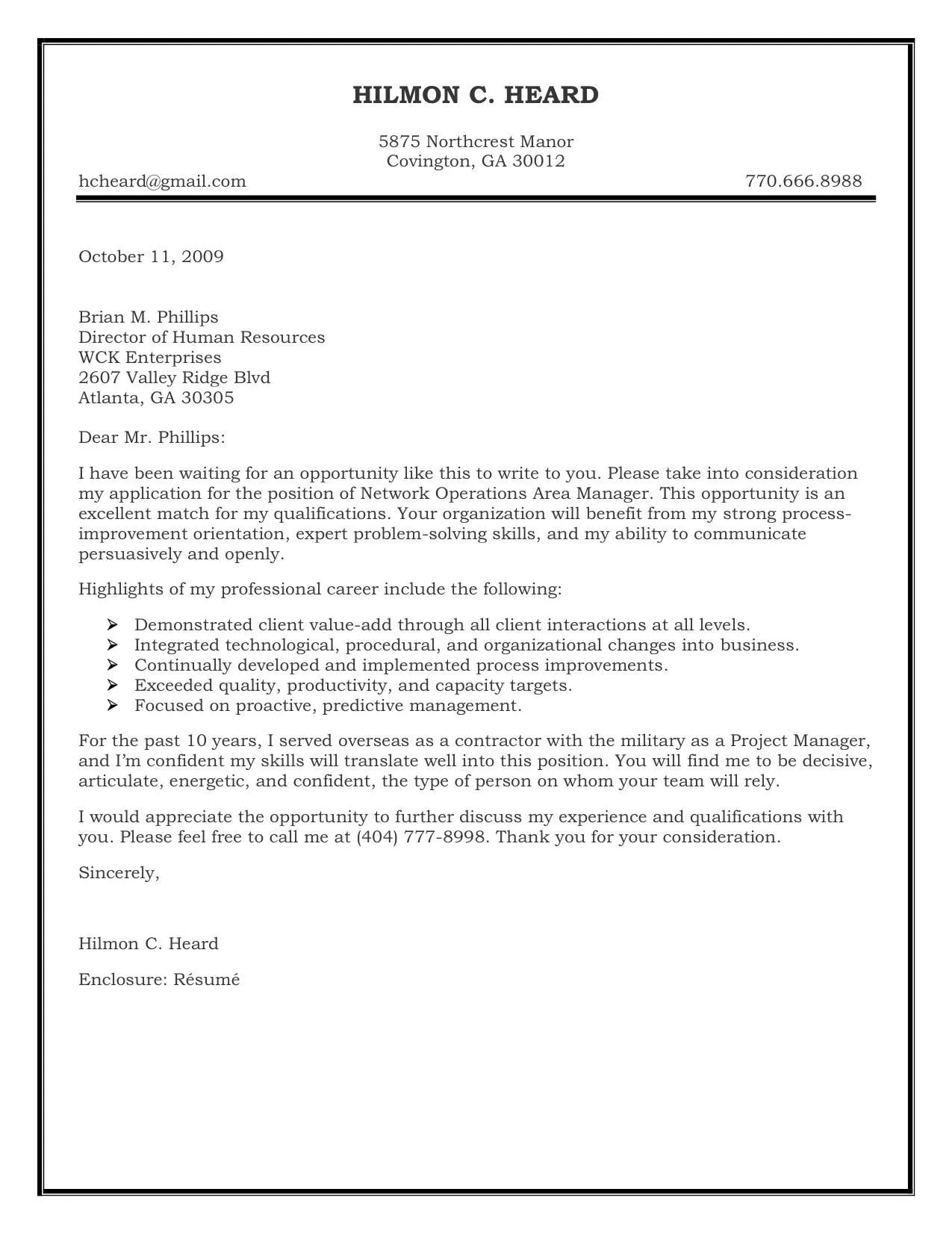
The Importance of a Cover Letter
In the competitive landscape of job applications, a well-crafted cover letter is your first opportunity to make a strong impression. It’s more than just a formality; it’s a crucial tool that complements your resume and sets the stage for your candidacy. It gives you a chance to personalize your application and provide context to your experiences, skills, and aspirations. Many hiring managers prioritize cover letters, using them to gauge your communication skills, enthusiasm, and suitability for the role. Neglecting this vital component could mean missing out on opportunities. Therefore, understanding the importance of a cover letter is the first step towards employment success. It is an active representation of your personality and approach to the job.
Why is a Cover Letter Important
A cover letter provides a platform to articulate your career goals, connect your skills to the job requirements, and demonstrate your understanding of the company’s mission. Resumes often provide a list of qualifications, but cover letters allow you to tell a story. This story explains your motivations, connects the dots between your past experiences and the job you are seeking, and showcases your unique value proposition. They also offer an ideal space to clarify any gaps in your employment history or address any concerns the employer may have. More importantly, they enable you to showcase your personality, enthusiasm, and commitment to the role, elements that often get lost in the brevity of a resume. A cover letter demonstrates initiative and provides a personalized touch.
Highlighting Your Skills and Experience

When crafting your cover letter, the key is to highlight the skills and experiences that align with the job requirements. Start by carefully reviewing the job description and identifying the key skills and qualifications the employer is seeking. Then, select specific examples from your work history or educational background that demonstrate you possess those skills. Instead of simply listing your skills, provide concrete examples of how you have used them in the past to achieve results. For example, instead of saying you have ‘strong communication skills,’ describe a situation where you effectively communicated with a team to solve a problem or implement a project. This approach not only demonstrates your competence but also makes your application more memorable.
Crafting a Compelling Cover Letter
To create a compelling cover letter, focus on capturing the reader’s attention from the start. The opening paragraph should immediately state your purpose and express your enthusiasm for the opportunity. Use a confident, yet professional tone throughout the letter. Show your understanding of the company and the role. Clearly articulate your value proposition and how your skills and experience can benefit the organization. Use action verbs to describe your accomplishments and quantify your achievements whenever possible. Provide details and context, illustrating your points with specific examples. Ensure your cover letter is well-organized and easy to read, and remember to proofread carefully for any grammatical or spelling errors. Aim to maintain a conversational style, which will enhance readability and make your letter engaging.
Focus on the Employer
One of the most effective ways to make your cover letter stand out is by shifting the focus from yourself to the employer. Instead of simply talking about your skills and experiences, emphasize how you can meet the employer’s needs and contribute to their success. Research the company’s values, mission, and recent achievements. In your cover letter, specifically address how your skills align with the company’s goals. Show that you understand the industry, the company’s challenges, and the specific requirements of the job. The more you demonstrate your knowledge of the company and your ability to help them achieve their objectives, the more likely you are to get noticed. Personalize your letter to reflect your interest in the specific company and role.
Research the Company

Before writing your cover letter, thorough research is essential. Visit the company’s website, review their social media profiles, and read any recent news articles or press releases about the company. Understand their products or services, their target market, and their company culture. This research will enable you to tailor your cover letter to specifically address the company’s needs and goals. Look for opportunities to connect your skills and experiences with the company’s mission and values. By demonstrating this knowledge, you show your interest in the company and your commitment to the role. This will greatly enhance your chances of making a positive impression. Furthermore, understanding the company’s current projects and future goals allows you to anticipate what skills are needed.
Understand the Job Description
The job description is the blueprint for your cover letter. Carefully review it, and make a list of the key skills, qualifications, and experiences the employer is seeking. As you write your cover letter, use these keywords and phrases throughout your text. Highlight the specific experiences from your background that align with the job requirements, and use those examples to demonstrate your suitability for the role. By understanding the job description, you can tailor your cover letter to showcase your most relevant skills and achievements. It demonstrates that you have thoroughly analyzed the role and that you have a clear understanding of the employer’s expectations. This level of targeted application will make your cover letter significantly more impactful.
10 Top Tips for Cover Letter Success
Tailor Your Letter

Avoid sending a generic cover letter. Always tailor your cover letter to each specific job application. This personalization shows that you have taken the time to understand the role and the company, demonstrating your genuine interest. Customize your letter by mentioning specific projects, achievements, and skills that align with the job description. Adjust the tone and style to match the company culture. The more personalized your letter, the more likely it is to capture the hiring manager’s attention and make you stand out from other applicants. Generic letters often get rejected, so personalization is crucial for landing an interview.
Use a Professional Tone
Maintain a professional tone throughout your cover letter. Use clear, concise language and avoid slang or informal expressions. The tone should be respectful, enthusiastic, and confident. Use a formal salutation, such as ‘Dear Mr./Ms. [Last Name]’ if you know the hiring manager’s name. Avoid using contractions, and ensure proper grammar, punctuation, and spelling. Your tone reflects your professionalism and your ability to communicate effectively. It also demonstrates your ability to adapt to a professional work environment. Be sure to convey your skills and experiences in a way that showcases your expertise and qualifications in a professional manner.
Show, Don’t Tell
Instead of simply stating that you possess certain skills or qualities, provide specific examples that demonstrate your capabilities. Instead of saying that you are a ’team player,’ describe a time when you collaborated with a team to solve a problem or achieve a goal. Instead of stating that you are ‘detail-oriented,’ describe a project where your attention to detail led to a successful outcome. Providing concrete examples makes your claims more credible and shows the hiring manager that you can deliver results. This approach makes your cover letter more impactful and makes a lasting impression. Action verbs are crucial here.
Highlight Achievements

Focus on your accomplishments rather than just listing your responsibilities. Highlight the achievements that showcase your skills and demonstrate your ability to contribute to the company’s success. Whenever possible, quantify your achievements using numbers and data. For example, instead of saying you ‘improved customer satisfaction,’ say you ‘increased customer satisfaction by 15%.’ Emphasize your accomplishments by using strong action verbs and framing your statements in terms of the benefits you provided to your previous employers. This approach makes your cover letter more compelling and demonstrates the value you can bring to the new role.
Quantify Your Accomplishments
Use numbers and data to support your claims and demonstrate the impact of your work. Quantifying your accomplishments adds credibility and makes your cover letter more impactful. For instance, instead of saying you ‘increased sales,’ specify ‘increased sales by 20% in one quarter.’ Or if you ‘managed a budget,’ specify the size of the budget you managed. Whenever possible, provide specific metrics that demonstrate your achievements. This strategy helps hiring managers see the value you bring and understand the results you can deliver. The use of quantified achievements gives you an advantage over other applicants.
Proofread Carefully
Before submitting your cover letter, proofread it carefully for any errors in grammar, spelling, and punctuation. Even minor mistakes can make a negative impression on the hiring manager and undermine your credibility. Read the letter aloud to catch any awkward phrasing or sentence structures. Ask a friend or colleague to review your cover letter for a second opinion. Take your time and make sure your cover letter is perfect before you send it. Consider using grammar and spelling checkers to catch any mistakes you might have missed. Your attention to detail reflects your professionalism.
Check for Grammar and Spelling Errors

Grammar and spelling errors can instantly diminish your credibility and suggest a lack of attention to detail. Thoroughly check your cover letter for these types of errors. Use a grammar checker to identify mistakes you might miss. Pay close attention to sentence structure, punctuation, and word usage. Reading your cover letter aloud is a great way to spot errors. Make sure your cover letter is free of any typos or grammatical mistakes before submitting it to any employer. The presence of errors immediately makes a negative impact on the reader and shows a lack of professionalism.
Formatting for Impact
Formatting is just as important as the content of your cover letter. Use a professional and easy-to-read font, such as Times New Roman or Arial, with a font size between 10 and 12 points. Maintain consistent formatting throughout the document, including margins, spacing, and indentation. Break up long blocks of text into shorter paragraphs. Keep your cover letter concise and limit it to one page. Well-formatted cover letters are easier for hiring managers to read and demonstrate attention to detail. It is a professional presentation, which will set the tone of your job application and present the best first impression.
Keep it Concise
Hiring managers often have limited time, so it’s essential to keep your cover letter concise and to the point. Aim for a one-page letter that highlights your most relevant skills and experiences. Avoid unnecessary details and get straight to the point. Focus on the most important information and demonstrate how your skills align with the job requirements. Concise and to the point, cover letters show you can effectively communicate and respect the reader’s time. Get to the point immediately.
Use a Clear and Readable Font

The font you choose can greatly impact the readability of your cover letter. Use a clear, professional font like Times New Roman, Arial, or Calibri. Avoid overly fancy or unusual fonts that are hard to read. Make sure the font size is between 10 and 12 points. Good formatting makes your cover letter accessible and easy to read. This will improve the hiring manager’s experience and emphasize the importance you place on professionalism. It is critical to ensure that your cover letter is easy to read on any device.
Call to Action
End your cover letter with a clear call to action. State your interest in the position and reiterate your enthusiasm for the opportunity. Include a specific request, such as ‘I am eager to discuss my qualifications further in an interview’ or ‘I look forward to hearing from you soon.’ This will show initiative and help the hiring manager understand the next steps. Thank the reader for their time and consideration. A strong call to action encourages the hiring manager to take action and helps you stand out. It clearly communicates your desire for an interview and shows your initiative. This final message is important for making a lasting impression.
Express Your Enthusiasm
Expressing your enthusiasm for the position and the company is essential. Show your excitement for the opportunity and highlight why you are a good fit for the role. This could involve referencing specific aspects of the job or the company’s mission that resonate with you. Conveying enthusiasm can make your application more memorable. Let the hiring manager know that you are genuinely excited about the role and have a strong desire to contribute. Your enthusiasm will distinguish you from other candidates.
Thank the Reader
Always thank the hiring manager for their time and consideration. This is a simple gesture of respect and professionalism, which will also leave a positive impression. Expressing gratitude helps to end your cover letter on a positive note, reinforcing your professional demeanor. A sincere thank you shows courtesy and respect. It is appropriate to thank the reader for reviewing your application. This courtesy will help leave a positive impression.
Key Takeaways for a Successful Cover Letter
In conclusion, a cover letter is a powerful tool that can significantly enhance your job application. By carefully crafting your cover letter, highlighting your skills and experiences, researching the company, and following the top tips for success, you can increase your chances of landing an interview and ultimately getting the job. It is an opportunity to present your qualifications, demonstrate your enthusiasm, and articulate your interest in the company. Make sure to tailor it to each job application, and ensure it is free from errors. A well-crafted cover letter will make your application more memorable, showing your potential employer that you’re the right candidate. By taking these steps, you can make your application stand out.