Understanding the Importance of a Cover Letter
In the competitive landscape of job applications, a well-crafted cover letter is your essential ally. It’s more than just a formality; it’s your first opportunity to make a strong impression on a potential employer. While your resume provides a factual overview of your skills and experience, the cover letter allows you to connect with the hiring manager on a more personal level. It’s your chance to demonstrate your personality, enthusiasm, and genuine interest in the position and the company. This guide will walk you through the essential steps to write a cover letter that captivates and converts, increasing your chances of landing an interview.
Why a Cover Letter Matters
A cover letter serves as a bridge between your resume and the hiring manager, offering context and personality. It allows you to expand on your qualifications, explain any gaps in your employment history, and highlight how your skills align with the specific requirements of the job. Furthermore, a cover letter demonstrates your written communication skills, which are crucial in almost every professional role. Employers often use cover letters to assess a candidate’s attention to detail, writing style, and ability to express themselves clearly and concisely. A compelling cover letter can set you apart from other applicants, making you memorable and significantly boosting your chances of securing an interview, especially when the competition is tough.
How Cover Letters Enhance Your Application

Cover letters enhance your application by providing a platform to showcase your personality, passion, and understanding of the role and the company. It’s where you can tell a story, explaining not just what you’ve done, but why you’re excited about this particular opportunity. You can demonstrate your research into the company, your understanding of its values, and how your skills and experiences can contribute to its success. Cover letters also allow you to address any potential concerns the hiring manager might have, such as career changes or gaps in your resume. They provide an opportunity to clarify your intentions and assure the employer that you are a suitable candidate.
Key Components of a Cover Letter
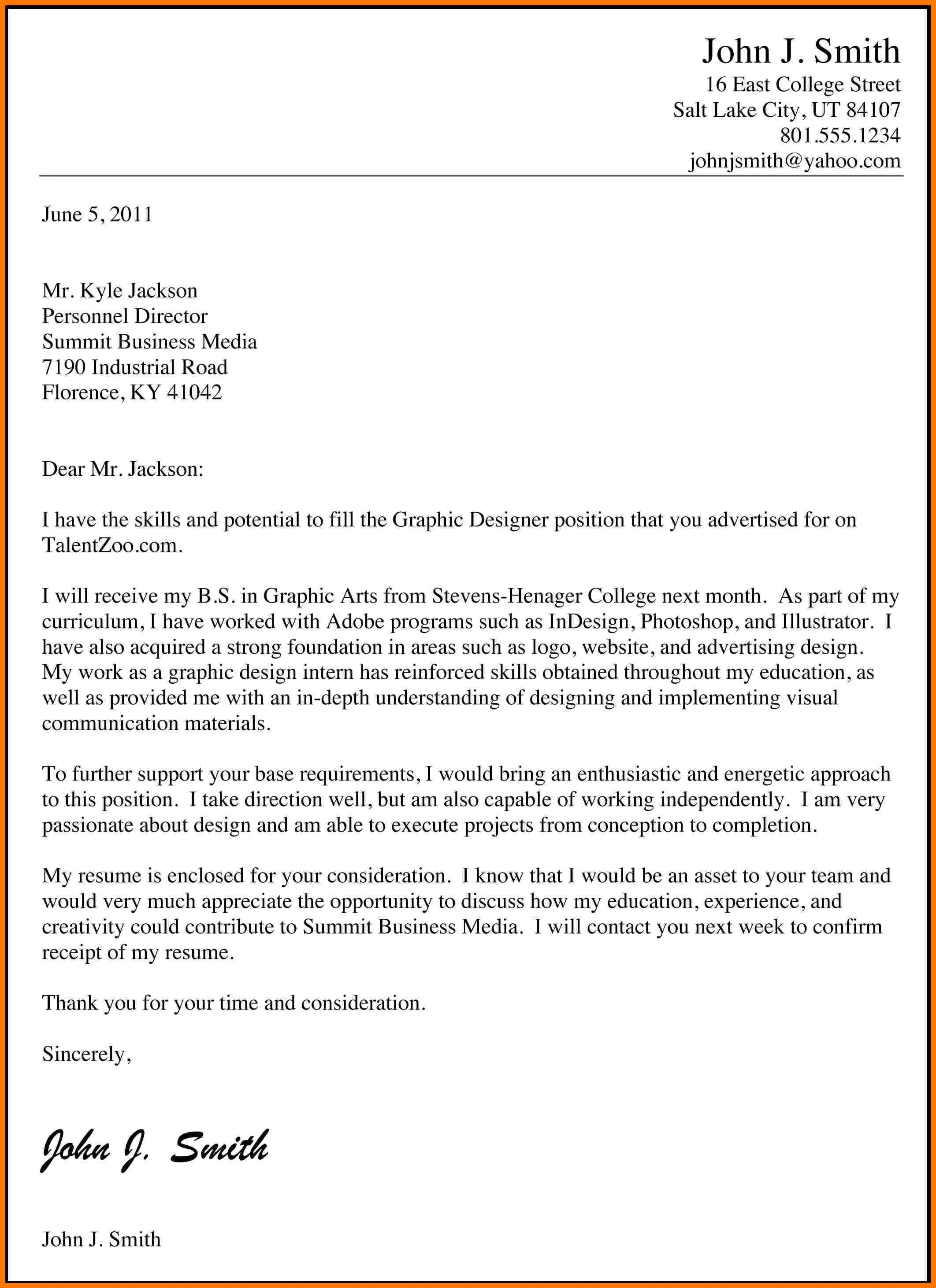
A well-structured cover letter comprises several key components, each playing a vital role in conveying your message effectively. It starts with your contact information, followed by the hiring manager’s details, and a professional salutation. The opening paragraph should capture the reader’s attention and state the purpose of your letter. The body of the letter should highlight your relevant skills and experiences, quantify your achievements, and demonstrate your enthusiasm for the role and the company. The closing paragraph should express gratitude, reiterate your interest, and include a call to action. Lastly, formatting and proofreading are essential for a polished and professional presentation. Each of these elements is critical to writing a successful cover letter.
Your Contact Information
At the top of your cover letter, include your full name, address, phone number, and email address. Ensure your email address is professional and easy to read. Consider using a professional-sounding email, like your name. This section allows the hiring manager to easily contact you, so accuracy is paramount. Make sure the contact details match those on your resume to maintain consistency and avoid confusion. Proper presentation demonstrates professionalism and attention to detail.
The Hiring Manager’s Information

If possible, address the cover letter to a specific person. Research the hiring manager’s name and title on the company website, LinkedIn, or through networking. Addressing your letter to a specific person is a sign that you’ve taken the time to understand the company and show genuine interest. It helps personalize the letter, making it feel less generic. If you can’t find a specific name, use a professional title like “Hiring Manager” or “Recruiting Team.” Avoid generic greetings like “To Whom It May Concern” whenever possible as this can make your application feel impersonal.
The Salutation
Use a formal and professional salutation such as “Dear Mr./Ms./Mx. [Last Name]” if you know the hiring manager’s name. If you are unsure of the gender, use the full name. If you don’t know the name, use a professional greeting like “Dear Hiring Manager” or “Dear Recruiting Team.” Avoid overly casual greetings. Make sure the salutation matches the tone of your letter and the company culture. This sets the tone for the rest of your letter and helps establish a professional relationship.
Crafting a Compelling Opening
Your opening paragraph should grab the reader’s attention and clearly state your purpose. Briefly mention the position you’re applying for and where you found the job listing. State your enthusiasm for the role and why you are interested in the company. Start with a hook that highlights your most relevant skill or experience. Consider mentioning a specific accomplishment or a shared interest. Make sure the opening is tailored to the specific job and company. This will demonstrate your understanding and engagement, and entice the hiring manager to read further.
Highlighting Your Key Skills and Experiences

In the body of your letter, focus on highlighting the skills and experiences most relevant to the job description. Review the job posting and identify the key requirements. Then, choose 2-3 of your most relevant skills and experiences to showcase. Provide specific examples of how you’ve used these skills to achieve results in the past. Use action verbs to describe your accomplishments and quantify your results whenever possible. Tailor your examples to the specific needs of the company. Show the hiring manager why you are the perfect fit for the role.
Showcasing Relevant Achievements
Instead of just listing your responsibilities, focus on your achievements. Describe what you accomplished in previous roles. Show how you made a difference and provided value to your previous employers. Use the STAR method (Situation, Task, Action, Result) to structure your examples. Describe the situation, the task you were assigned, the actions you took, and the results you achieved. Provide specific examples to prove your capabilities. This approach will help you illustrate your impact and make your cover letter more compelling and memorable.
Quantifying Your Accomplishments
Whenever possible, quantify your accomplishments. Use numbers and data to support your claims. For example, instead of saying “Improved customer satisfaction,” say “Increased customer satisfaction by 20% through implementing a new feedback system.” Quantifying your achievements adds credibility and demonstrates the impact of your work. Numbers provide tangible evidence of your skills and provide a clear picture of your capabilities. This also demonstrates your ability to analyze data and measure success.
Addressing the Job Requirements

Carefully review the job description and identify the key requirements. Tailor your cover letter to specifically address these requirements. Explain how your skills and experiences align with what the employer is looking for. Use keywords from the job description in your cover letter to show that you understand the role and the company’s needs. Be specific and provide evidence to support your claims. This demonstrates that you have the necessary qualifications for the position and understand what the role entails.
Tailoring Your Letter to Each Application
Avoid using a generic cover letter for all applications. Customize each cover letter to the specific job and company. Research the company and the role to understand their needs and values. Highlight the skills and experiences most relevant to the job description. Show how your skills align with what the employer is looking for. Addressing specific requirements will increase your chances of capturing the hiring manager’s attention. Taking the time to tailor each letter shows that you are truly interested in the opportunity and have put in the necessary effort.
Demonstrating Your Enthusiasm and Fit
Express your enthusiasm for the role and the company. Show why you’re excited about the opportunity. Mention something specific that interests you about the company’s mission, values, or products. Explain how your skills and experiences will help you contribute to the company’s success. Highlight how you fit into the company’s culture. Your enthusiasm should be genuine and based on your research. This will show the hiring manager that you are motivated and eager to join their team.
Writing a Strong Closing

Your closing paragraph should reiterate your interest in the role and the company. Express your gratitude for the hiring manager’s time and consideration. Include a call to action by stating that you look forward to hearing from them and are available for an interview. Reiterate your contact information or include a way to reach you. Ensure that your closing leaves a positive and professional impression. This will increase your chances of receiving a positive response.
Expressing Gratitude
Thank the hiring manager for their time and consideration. This demonstrates respect and professionalism. You can briefly acknowledge that you understand their time is valuable. Showing gratitude leaves a positive impression and makes you appear considerate. A simple thank you can be very effective.
Call to Action
End with a call to action. Let the hiring manager know you’re looking forward to the next steps. Request an interview. You could state that you are available to discuss your qualifications further at their convenience. Reiterate your contact information or provide a way to reach you. This prompts the hiring manager to take action and moves the application process forward.
Formatting and Proofreading

Proper formatting and meticulous proofreading are essential for a professional cover letter. Your cover letter is a reflection of your attention to detail, so make sure it is clean, readable, and free of errors. Choose a professional font, use a standard format, and ensure the letter looks visually appealing. Proofread carefully for any spelling or grammatical errors. Have someone else review your letter to catch any mistakes you might have missed. A well-formatted and error-free cover letter shows that you value excellence in all aspects of your work.
Choosing the Right Font and Format
Select a professional font like Times New Roman, Arial, or Calibri. Use a font size between 10 and 12 points. Maintain a consistent format throughout the letter. Use single spacing within paragraphs and double spacing between paragraphs. Use a standard letter format with justified or left-aligned text. Ensure your cover letter is easy to read and visually appealing. A well-formatted cover letter demonstrates professionalism and attention to detail.
Proofreading for Errors
Thoroughly proofread your cover letter for any spelling, grammatical, or punctuation errors. Errors can make your application look unprofessional. Carefully check for typos, incorrect word usage, and grammatical mistakes. Read your letter aloud to catch any awkward phrasing or sentences that don’t make sense. Have someone else review your cover letter to provide a fresh perspective and catch any mistakes you might have missed. Always make sure the final version is error-free.
Common Mistakes to Avoid in a Cover Letter

Several common mistakes can undermine the effectiveness of your cover letter. Avoiding these errors can significantly improve your chances of success. Overused phrases, focusing on yourself too much, and not tailoring your letter to the job are some of the most frequent pitfalls. Be mindful of these common mistakes and ensure you present yourself as the best candidate possible.
Overused Phrases and Clichés
Avoid using overused phrases and clichés like “I am writing to express my interest.” Instead, use fresh, engaging language. Be specific and avoid generic statements. Show that you are creative and have a strong writing style. Using original language makes your letter stand out from other applicants.
Focusing on Yourself Too Much
While you need to highlight your skills and experiences, avoid making your cover letter all about you. Focus on the employer and the value you can bring to the company. Show how you can contribute to their goals. Frame your skills in terms of how you can address their needs. This will demonstrate your understanding of the job requirements and your ability to add value.
Not Tailoring Your Letter to the Job
Never send a generic cover letter. Customize each cover letter for the specific job and company. Research the company and the role. Address the job requirements. Highlight the skills and experiences most relevant to the job description. Showing that you have taken the time to tailor your cover letter will dramatically increase your chances of success.
Final Tips for a Successful Cover Letter
Writing a successful cover letter is an ongoing process. Be sure to continuously refine your skills and stay informed about current best practices. Always tailor each letter to the specific job and company. Proofread carefully before submitting. By following these steps and guidelines, you can create a cover letter that effectively highlights your skills and experience and increases your chances of landing an interview. Remember, your cover letter is a powerful tool in your job search arsenal.