Why a Cover Letter is Still Crucial
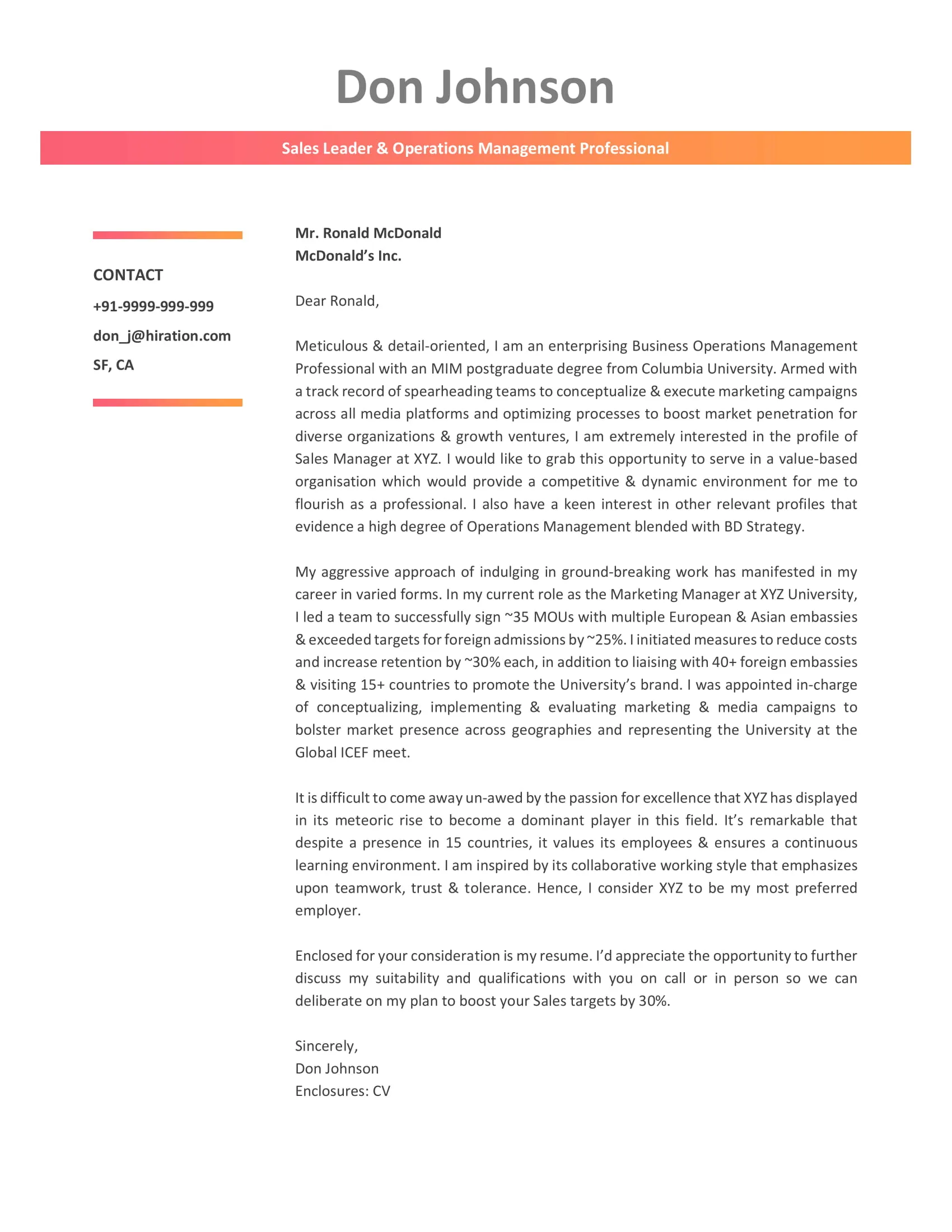
In an age of digital applications and automated systems, some job seekers might question the relevance of a cover letter. However, a well-crafted cover letter remains a critical tool in your job search arsenal. It serves as your first introduction to a potential employer, providing you with the opportunity to make a strong first impression and distinguish yourself from other candidates. A cover letter allows you to go beyond the confines of your resume, offering a more personal narrative and showcasing your unique value proposition. It’s your chance to demonstrate your genuine interest in the company and the specific role, which automated systems often fail to convey. In essence, a compelling cover letter can significantly increase your chances of securing an interview and landing your dream job.
The Impact of a Cover Letter on Your Job Application
The impact of a cover letter extends far beyond a simple introduction. It has the power to shape an employer’s perception of you and your suitability for a position. It offers a platform to highlight your most relevant skills and experiences, directly aligning them with the requirements of the job. By showcasing your accomplishments and quantifying your achievements, you can demonstrate the value you would bring to the company. Furthermore, a well-written cover letter demonstrates your communication skills, attention to detail, and genuine interest in the opportunity. It allows you to address any potential gaps in your resume, such as career changes or periods of unemployment, providing context and reassurance to the hiring manager. In short, a strong cover letter significantly enhances your chances of getting noticed and progressing to the next stage of the hiring process.
Crafting a Compelling Cover Letter

Research the Company Before Writing
Before you even start writing, take the time to thoroughly research the company and the specific role. This research is the cornerstone of a compelling cover letter. Visit the company’s website, explore their social media presence, and read any recent news articles or press releases. Understand their mission, values, and culture. Analyze the job description carefully, identifying the key skills, qualifications, and experiences the employer is seeking. This detailed research allows you to tailor your cover letter to the specific needs and priorities of the company, demonstrating your genuine interest and showing that you have taken the time to understand their business. This targeted approach greatly increases the likelihood of making a positive impression.
Tailoring Your Letter to the Specific Job
Avoid the pitfall of using a generic cover letter. Each cover letter should be tailored to the specific job you are applying for. This means customizing your letter to reflect the requirements and keywords mentioned in the job description. Identify the skills and experiences that align most closely with the position’s needs and highlight them in your letter. Provide concrete examples of how you have demonstrated these skills in previous roles, quantifying your achievements whenever possible. Address any specific requirements or requests mentioned in the job posting, ensuring you demonstrate that you have carefully read and understood the role. A tailored cover letter showcases your attention to detail and proves that you are a strong fit for the position.
Highlighting Relevant Skills and Experience

Your cover letter should be a concise and impactful showcase of your relevant skills and experience. Focus on the abilities and accomplishments that directly relate to the job you are applying for. Don’t simply list your responsibilities; instead, provide specific examples of how you have used your skills to achieve positive results in previous roles. Use action verbs to describe your accomplishments, making your letter more dynamic and engaging. For instance, instead of saying ‘Managed a team,’ you might say ‘Led a team of five engineers to successfully launch a new product, resulting in a 15% increase in sales.’ By highlighting your relevant skills and providing concrete examples, you demonstrate your ability to perform the job and the value you can bring to the company.
Showcase Achievements and Quantifiable Results
Whenever possible, quantify your achievements to make your cover letter more compelling. Instead of simply stating that you improved customer satisfaction, specify by how much. Instead of saying you increased sales, mention the percentage increase. Providing quantifiable results demonstrates the tangible impact you have made in previous roles and provides concrete evidence of your capabilities. Use numbers, percentages, and data to support your claims and highlight your achievements. For instance, ‘Increased website traffic by 20%’ or ‘Reduced customer service response time by 10%’. These quantifiable results make your cover letter more persuasive and show employers the value you can bring to their organization.
Formatting Your Cover Letter for Readability
Using Action Verbs to Create Impact

The language you use in your cover letter is crucial. Use strong action verbs to describe your accomplishments and make your letter more dynamic and engaging. Action verbs bring your experiences to life and showcase your abilities in a compelling way. Instead of using passive language, such as ‘Was responsible for,’ use active verbs such as ‘Managed,’ ‘Led,’ ‘Developed,’ ‘Implemented,’ or ‘Achieved.’ Choose verbs that accurately reflect your accomplishments and align with the job description. By using action verbs, you will capture the reader’s attention and create a more memorable and effective cover letter.
Keeping Your Cover Letter Concise
In today’s fast-paced world, employers often have limited time to review cover letters. Therefore, it is essential to keep your letter concise and to the point. Aim for a length of one page, focusing on the most relevant information and avoiding unnecessary details. Structure your letter clearly, using headings, bullet points, and short paragraphs to enhance readability. Be mindful of the tone and ensure your language is professional and appropriate. A well-written, concise cover letter demonstrates your ability to communicate effectively and respect the employer’s time. Stick to the key points and make sure every sentence adds value to your application.
Proofreading and Editing Your Cover Letter
Proofreading and editing are essential steps in ensuring your cover letter is polished and professional. Errors, such as typos and grammatical mistakes, can create a negative impression and undermine your credibility. Before submitting your cover letter, carefully proofread it for any errors in spelling, grammar, punctuation, and syntax. Read it aloud to catch any awkward phrasing or unclear sentences. Consider asking a friend, family member, or career counselor to review your letter for a fresh perspective. A well-proofread cover letter demonstrates your attention to detail and commitment to quality, which are highly valued by employers.
Ensuring Accuracy and Professionalism

Your cover letter should be a reflection of your professionalism and attention to detail. Double-check all the information, including the recipient’s name, job title, and company details, to ensure accuracy. Use a professional font, such as Times New Roman, Arial, or Calibri, and maintain a consistent font size throughout your letter. Maintain a formal tone, avoiding slang or informal language. Address the hiring manager by name if possible; if not, use a general salutation like ‘Dear Hiring Manager.’ Be sure to use correct grammar and punctuation throughout. A polished and professional cover letter showcases your commitment to excellence and attention to detail, increasing your chances of making a positive impression.
5 Powerful Tips to Enhance Your Cover Letter
Focus on the Employer’s Needs
Shift your focus from what you want to what the employer needs. Instead of simply listing your skills, explain how your skills and experience align with the company’s goals and the requirements of the role. Demonstrate your understanding of the company’s challenges and offer solutions. Tailor your letter to the specific needs of the employer, highlighting how you can contribute to their success. By focusing on the employer’s needs, you demonstrate your ability to provide value and increase your chances of getting hired.
Demonstrate Your Value Proposition

Clearly articulate your value proposition – what makes you the ideal candidate for the job? Identify your key strengths and the unique benefits you bring to the table. Highlight your relevant skills, experience, and achievements, and explain how they align with the company’s needs. Show the employer why they should choose you over other candidates. Make your value proposition compelling and memorable, demonstrating the value you can bring to the company and the role. This clear articulation is the key to standing out.
Use a Strong Opening and Closing
Your opening and closing paragraphs are crucial to capturing the reader’s attention and leaving a lasting impression. Start with a strong opening that immediately grabs the reader’s attention and highlights your most relevant qualifications. This could be a brief anecdote, a compelling statement, or a direct reference to the job requirements. End with a confident and concise closing, restating your interest in the position and thanking the employer for their time and consideration. Make sure your closing is professional and expresses your desire for an interview. A strong opening and closing are key components of an effective cover letter.
Maintain a Professional Tone
The tone of your cover letter should always be professional. Avoid slang, jargon, and overly casual language. Maintain a formal tone throughout your letter, using clear and concise language. Be respectful, polite, and enthusiastic about the opportunity. Proofread your letter carefully to eliminate any informal language or expressions. The professional tone you use reflects your maturity and your ability to communicate effectively in a workplace setting.
Proofread Meticulously

As mentioned before, meticulous proofreading is essential. Typos and grammatical errors can damage your credibility and make a negative impression on the hiring manager. Proofread your cover letter multiple times, checking for any errors in spelling, grammar, punctuation, and syntax. Read it aloud to catch any awkward phrasing or unclear sentences. Use a grammar checker and ask someone else to review your letter. A well-proofread cover letter demonstrates your attention to detail and commitment to quality.
Cover Letter Mistakes to Avoid
Generic Letters
Sending a generic cover letter, one that is not tailored to the specific job or company, is a common mistake. Generic letters do not demonstrate your genuine interest in the position or your understanding of the company’s needs. Employers can easily spot generic letters, and they often end up in the rejection pile. Avoid this by customizing your cover letter for each job application. Research the company, analyze the job description, and tailor your letter to the specific requirements and keywords mentioned. This shows that you have taken the time to understand the role and are genuinely interested in the opportunity.
Typos and Grammatical Errors
Typos and grammatical errors are a major turn-off for employers and can create a negative impression. They suggest a lack of attention to detail and a lack of professionalism. Always proofread your cover letter carefully before submitting it. Read it multiple times, checking for any errors in spelling, grammar, punctuation, and syntax. Use a grammar checker and ask a friend or family member to review your letter. A well-proofread cover letter demonstrates your commitment to quality and your attention to detail.
Failing to Tailor Your Letter
Failing to tailor your cover letter to the specific job is another common mistake. Employers want to see that you have carefully read the job description and understand the requirements of the role. They want to know that you are genuinely interested in the opportunity and have the skills and experience to succeed. Make sure you demonstrate your specific interest in the role. A tailored cover letter shows that you have taken the time to understand the role and that you are the best candidate. Address how your skills and experiences meet the requirements. It shows the employer that you are a good fit.
Finalizing and Submitting Your Cover Letter
Converting to PDF for Submission
When submitting your cover letter, convert it to a PDF file. A PDF (Portable Document Format) preserves the formatting of your document, ensuring that it appears exactly as you intended, regardless of the recipient’s operating system or software. This ensures that your letter will be displayed correctly, with the fonts, formatting, and layout as you designed them. This can be particularly important if you have used custom fonts or formatting. Always convert your cover letter and resume to PDF before submitting them. Save the files with your name and the document type, like ‘YourName_CoverLetter.pdf’ and ‘YourName_Resume.pdf’.
Following Application Instructions
Carefully review and follow the application instructions provided in the job posting. Employers often specify how they want to receive applications, whether it’s through an online portal, email, or a specific format. Following the instructions shows your attention to detail and respect for the employer’s requirements. Failure to follow the instructions can result in your application being overlooked. Make sure you submit your cover letter and resume in the required format, and ensure all necessary documents are included. Adhering to the instructions is critical for making a positive first impression.
Conclusion
A well-crafted cover letter is a crucial tool in your job search. It gives you a unique opportunity to present yourself to potential employers. By following the tips provided, you can create a cover letter that highlights your skills, experiences, and value proposition, ultimately increasing your chances of landing an interview and securing your dream job. Remember to tailor your letter to each job, showcase your achievements, and proofread carefully. Take the time to craft a compelling cover letter. Your dream job is within reach, so make sure your cover letter represents you at your best.