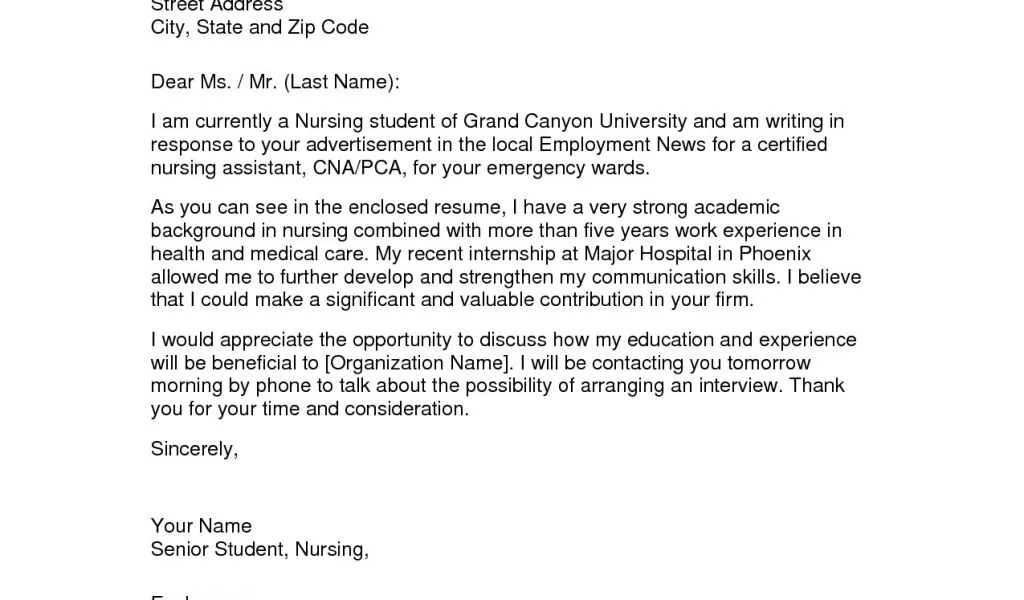
What is a Cover Letter for University Jobs
A cover letter is an essential document that accompanies your resume when applying for university jobs. It serves as a personalized introduction, allowing you to highlight your qualifications, skills, and experiences in a way that directly aligns with the specific requirements of the position. Unlike a resume, which provides a comprehensive overview of your professional history, a cover letter gives you the opportunity to showcase your personality, express your enthusiasm for the role, and explain why you are the perfect fit for the university. A well-crafted cover letter can significantly increase your chances of getting noticed by hiring managers and securing an interview. The cover letter is your first impression.
Key Components of a University Job Cover Letter
Several key components are essential for a successful university job cover letter. First, it should begin with a professional header that includes your contact information, the date, and the recipient’s details. Next, a compelling opening paragraph should immediately grab the reader’s attention and state the position you’re applying for. The body of the letter is where you elaborate on your skills, experience, and how they align with the job requirements. Close the letter by expressing your interest in an interview and thanking the reader for their time and consideration. The tone of the cover letter should be professional and enthusiastic throughout, reflecting your genuine interest in the university and the specific role.
Highlighting Relevant Skills and Experience

When applying for university jobs, it’s crucial to highlight the skills and experience most relevant to the position. Carefully review the job description and identify the key requirements. Then, in your cover letter, provide specific examples of how you’ve successfully demonstrated those skills in previous roles. Use action verbs to describe your accomplishments and quantify your achievements whenever possible. For example, instead of saying “Managed projects,” you might say “Managed projects, resulting in a 15% increase in efficiency.” This approach demonstrates your capabilities and provides tangible evidence of your ability to contribute to the university’s success. Focus on how your skills can benefit the university.
Tailoring Your Letter to the Specific Job
A generic cover letter will not impress a hiring manager. To stand out, you must tailor your cover letter to each specific job you apply for. Research the university and the specific department or program where the position is located. Understand the institution’s values, mission, and goals. Then, in your cover letter, explicitly mention how your skills and experience align with these aspects. Demonstrate that you’ve taken the time to understand the role and the university’s needs. This personalized approach shows that you’re genuinely interested in the opportunity and have thought critically about how you can contribute to the university’s success. Always address your cover letter to a specific person when possible.
Demonstrating Passion for the University
University jobs often seek candidates who are passionate about higher education and the specific institution. Your cover letter provides an excellent opportunity to express your enthusiasm. Share why you’re interested in working at that particular university, what you admire about its mission or values, and how you see yourself contributing to its community. If you have any personal connections to the university, such as having attended or being involved in its programs, mention those as well. Showing genuine excitement and a desire to be part of the university’s culture will make a positive impression on the hiring committee and increase your chances of securing an interview.
Top 5 Secrets to a Winning Cover Letter

Secret 1 Research the University and Job
Before you start writing, thoroughly research the university and the specific job you’re applying for. Visit the university’s website, read about its mission, values, and recent achievements. Examine the job description carefully and identify the key skills and qualifications the employer is seeking. Understanding the institution’s culture and the role’s specific requirements will allow you to tailor your cover letter effectively and demonstrate your genuine interest.
Secret 2 Showcase Achievements not Just Duties
Instead of simply listing your job duties, focus on highlighting your accomplishments. Think about your past roles and identify specific achievements where you made a positive impact. Use quantifiable results whenever possible. For example, instead of saying “Managed social media,” say “Increased social media engagement by 30% in six months.” This approach demonstrates your value and provides concrete evidence of your abilities. Hiring managers want to see what you have accomplished, not just what you were responsible for.
Secret 3 Quantify Your Accomplishments

Quantifying your accomplishments is a crucial element of a winning cover letter. Whenever possible, use numbers, percentages, and specific data to illustrate your achievements. For example, if you improved a process, state the percentage reduction in time or cost. If you increased sales, specify the percentage increase. Quantifiable results provide tangible evidence of your skills and demonstrate the impact you’ve had in previous roles. This information is much more compelling than vague statements about your responsibilities. Data makes a difference.
Secret 4 Proofread Meticulously
Typos, grammatical errors, and spelling mistakes can immediately undermine your credibility. Always proofread your cover letter meticulously before submitting it. Read it several times, and consider asking a friend or colleague to review it as well. Even a small error can create a negative impression and potentially lead to your application being rejected. Ensure that your cover letter is polished, professional, and free of any errors. Attention to detail is a must.
Secret 5 Use Action Verbs
Using strong action verbs is essential for creating an engaging and compelling cover letter. Action verbs help you describe your accomplishments and responsibilities in a dynamic and impactful way. Instead of using passive language, opt for active verbs that demonstrate your initiative and skills. Some examples include “managed,” “developed,” “implemented,” “achieved,” “led,” “created,” “collaborated,” and “improved.” Using action verbs will make your cover letter more concise, and the hiring manager will be impressed by how you describe your abilities.
Cover Letter Examples and Templates

Reviewing cover letter examples and templates can provide valuable guidance when crafting your own. These resources offer insights into how to structure your letter, what content to include, and how to effectively showcase your skills and experience. Use examples as a starting point, but remember to customize your cover letter to reflect your unique qualifications and the specific requirements of the job. There are many formats you can adopt.
Example Cover Letter Structure
A well-structured cover letter typically includes the following sections: a header with your contact information, a salutation, an introductory paragraph stating the position you’re applying for, a body section that highlights your skills and experience, a closing paragraph expressing your interest, and a professional closing. Ensure your letter is easy to read and logically organized, with each paragraph serving a specific purpose. Use clear and concise language throughout. It is important to follow the format.
Where to Find Cover Letter Templates
Numerous online resources offer cover letter templates that you can use as a starting point. Websites like Indeed, LinkedIn, and The Muse provide a variety of templates tailored to different job types and experience levels. When using a template, customize it to reflect your skills, experience, and the specific requirements of the job. Never submit a generic template without tailoring it to the specific opportunity. Ensure that the content is relevant and speaks to the university’s needs.
Common Mistakes to Avoid

Avoiding common mistakes can significantly increase your chances of success. Hiring managers are often very busy and will quickly dismiss cover letters that are poorly written or show a lack of attention to detail. By being aware of the pitfalls, you can prevent these mistakes and ensure that your cover letter effectively showcases your qualifications and enthusiasm.
Generic Letters
Submitting a generic cover letter that is not tailored to the specific job is a major mistake. Generic letters often fail to highlight your relevant skills and experience and demonstrate a lack of interest in the position. Always customize your cover letter to align with the job description and the university’s needs. Show that you’ve taken the time to understand the role and the institution’s culture.
Typos and Grammatical Errors
Typos and grammatical errors can immediately undermine your credibility. They suggest a lack of attention to detail and a lack of professionalism. Always proofread your cover letter carefully, and ask someone else to review it as well. Correcting errors is essential.
Ignoring the Job Description

Failing to address the specific requirements outlined in the job description is a common mistake. Hiring managers want to see that you understand the role and possess the necessary skills and qualifications. Carefully review the job description and highlight how your skills and experience align with the specific requirements. Failing to do so may result in your application being rejected.
Final Thoughts and Next Steps
Crafting a winning cover letter for university jobs requires careful planning, attention to detail, and a genuine enthusiasm for the opportunity. By following the tips and avoiding common mistakes, you can significantly increase your chances of making a positive impression on hiring managers. Always remember to tailor your letter to each specific job, highlight your relevant skills and experience, and express your passion for the university. By doing so, you can successfully showcase your qualifications and secure an interview. Good luck with your job search. Follow up with the University after a week.