Why a Cover Letter Matters
In the competitive landscape of job applications, a well-crafted cover letter can be the critical factor that sets you apart from other candidates. While a resume provides a summary of your skills and experience, a cover letter offers the opportunity to delve deeper, to articulate your passion for the role and the company, and to demonstrate your unique value proposition. It’s your chance to tell a story, to connect your qualifications to the specific needs of the employer, and to leave a lasting impression. In today’s digital world, many applicants might forgo the cover letter; therefore, including one is a way to show you care and show your attention to detail.
Highlighting Your Key Skills and Experience
Your cover letter is where you can effectively showcase the skills and experiences that align with the job requirements. Go beyond simply listing your qualifications; instead, provide specific examples of how you have utilized your skills to achieve results in the past. For example, if the job description emphasizes project management skills, describe a successful project you led, highlighting the challenges you overcame, the strategies you employed, and the positive outcomes. Use action verbs to illustrate your accomplishments and quantify your achievements whenever possible. This will provide clear evidence of your capabilities and demonstrate your potential to excel in the role.
Tailoring Your Cover Letter to the Job Description

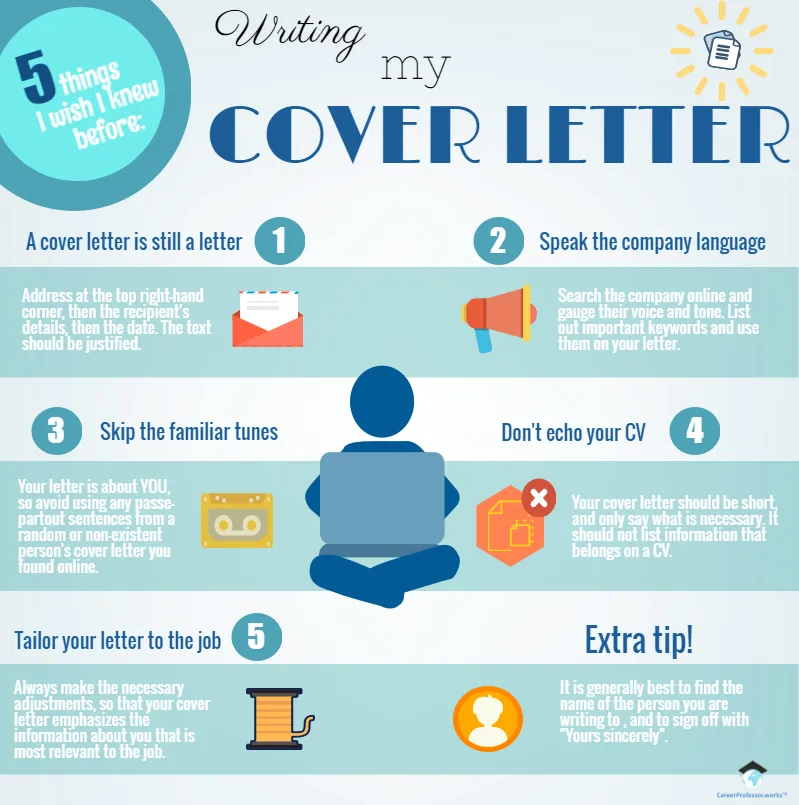
Generic cover letters rarely make a positive impression. To truly capture the attention of the hiring manager, customize your cover letter to each specific job application. Carefully review the job description and identify the key skills, qualifications, and responsibilities outlined. Then, strategically weave those keywords and phrases into your cover letter, demonstrating how your experience and skills directly align with the employer’s needs. This targeted approach shows that you have taken the time to understand the role and that you possess the relevant expertise to succeed.
Researching the Company and Showing Interest
A compelling cover letter reflects your genuine interest in the company. Before you begin writing, research the organization thoroughly. Visit their website, explore their social media presence, and read news articles to gain a comprehensive understanding of their mission, values, and recent initiatives. In your cover letter, mention specific aspects of the company that resonate with you and explain why you are drawn to their work. This demonstrates that you’ve done your homework and that you are genuinely excited about the opportunity to contribute to their team, increasing your chances of an interview invitation. This also shows you care about where you are applying.
Structuring Your Cover Letter for Impact
The structure of your cover letter is just as important as its content. A well-organized cover letter makes it easy for the hiring manager to quickly grasp your key qualifications and understand why you are a good fit for the role. A standard cover letter format typically includes an opening paragraph, followed by a body section (usually composed of 2-3 paragraphs), and a closing paragraph. Your opening should immediately grab the reader’s attention, the body should showcase your skills and experience, and the closing should reiterate your interest and express your enthusiasm for an interview. Using clear formatting and headings can also help improve readability.
Crafting a Compelling Opening

The opening of your cover letter sets the tone for the entire document, so make it count. Avoid generic phrases like, “I am writing to express my interest…” Instead, aim for a more engaging and personalized approach. You could start by mentioning a specific accomplishment that aligns with the job requirements, referencing a mutual connection, or expressing your admiration for the company’s work. Be sure to quickly state the position you are applying for and how you discovered the opportunity. The goal is to immediately capture the hiring manager’s attention and pique their interest in reading further.
Showcasing Your Achievements
Don’t simply list your responsibilities; highlight your accomplishments. Use the STAR method (Situation, Task, Action, Result) to provide concrete examples of your achievements. Describe the situation you faced, the task you were assigned, the actions you took, and the positive results you achieved. For example, instead of saying “Managed social media accounts,” you could say “Increased social media engagement by 40% in six months by implementing a new content strategy and optimizing posting times.” Providing quantifiable results demonstrates your value and shows how you can contribute to the employer’s success.
Addressing Potential Weaknesses
It’s important to be honest about your skills and experiences, but you should address any potential weaknesses strategically. If there’s a gap in your employment history or a skill you lack, briefly acknowledge it in a positive and proactive manner. Focus on how you are actively working to overcome the weakness and turn it into a strength. For example, if you are transitioning careers, explain why you are making the change and how your transferable skills make you a strong candidate for the role. Demonstrate your willingness to learn and adapt, and emphasize your commitment to professional growth.
Writing a Strong Closing

Your closing should be confident, enthusiastic, and action-oriented. Reiterate your interest in the position and the company, and express your eagerness for an interview. Thank the hiring manager for their time and consideration. Clearly state how you can be contacted and what the next steps are, such as, “I am available for an interview at your earliest convenience and can be reached at [phone number] or [email address].” Avoid generic phrases like “Sincerely.” Instead, consider using a more personalized closing, such as “Thank you for your time and consideration” or “I look forward to hearing from you soon.”
Proofreading and Formatting Your Cover Letter
Before submitting your cover letter, proofread it meticulously for any grammatical errors, typos, or inconsistencies. A polished and error-free cover letter reflects your attention to detail and professionalism. Have a friend or colleague review it as well, as a fresh pair of eyes can often catch mistakes that you might miss. Ensure that your cover letter is properly formatted, with clear margins, a readable font, and appropriate spacing. Maintain consistency in your font, font size, and formatting throughout the document. A well-formatted cover letter demonstrates your respect for the hiring manager’s time and ensures that your message is easily accessible.
Cover Letter Templates and Resources
Many free cover letter templates and resources are available online to help you get started. Use these templates as a foundation, but always customize them to reflect your unique skills, experience, and the specific requirements of the job. Websites such as Indeed, LinkedIn, and Resume.com offer various cover letter templates that can guide you. Review examples of successful cover letters for inspiration, and adapt the language and style to fit your own personality and the tone of the company. Remember to tailor your cover letter to each job application and always proofread it carefully before submitting it. A well-crafted cover letter can significantly increase your chances of landing an interview and securing your dream job.