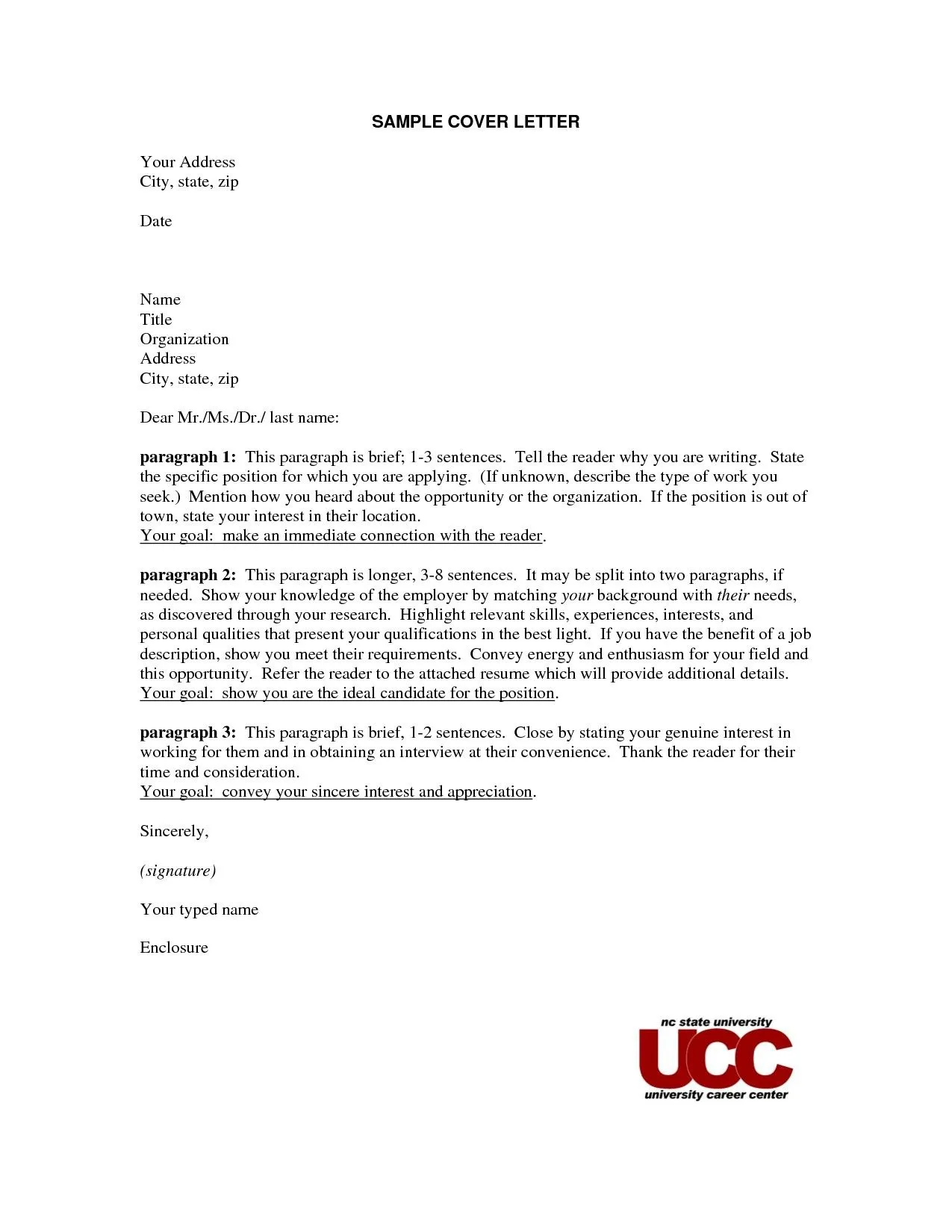
What is a Cover Letter & Why Do You Need One
A cover letter is your first introduction to a potential employer, a crucial document accompanying your resume in a job application. It’s a personalized letter that highlights your skills, experiences, and enthusiasm for the specific role and company. Unlike a resume, which provides a factual overview of your background, a cover letter allows you to showcase your personality, explain why you’re a perfect fit, and express your genuine interest in the opportunity. It acts as a bridge, connecting your qualifications to the job’s requirements and persuading the hiring manager to read your resume and consider your application.
In today’s competitive job market, a well-crafted cover letter can significantly increase your chances of landing an interview. It’s an opportunity to set yourself apart from other applicants by demonstrating your understanding of the company, the role, and how your skills align with their needs. A cover letter is not just a formality; it’s a powerful tool that can make or break your application, making it essential for anyone serious about securing their desired position. A strong cover letter provides context, making your resume more impactful.
Essential Elements of a Powerful Cover Letter
A compelling cover letter includes several key elements. Each section plays a crucial role in presenting you as a strong candidate and making a positive impression on the hiring manager. It’s important to structure your letter logically and make it easy for the reader to understand your value proposition. Focusing on clarity, conciseness, and relevance is key to a successful cover letter.
Your Contact Information

At the very top of your cover letter, include your contact information. This typically includes your full name, phone number, email address, and optionally, your LinkedIn profile URL or personal website. Make sure the information is accurate and up-to-date. This ensures the hiring manager can easily reach you if they are interested in moving forward with your application. It is a basic but important step.
The Hiring Manager’s Name and Title
If possible, address your cover letter to the specific hiring manager or recruiter by name. Researching the company and role to find this information can show your initiative. If you cannot find a specific name, address the letter to the hiring manager or the relevant department (e.g., “Hiring Manager, Marketing Department”). Avoid generic greetings like “To Whom It May Concern,” as they may appear impersonal. Using the correct name shows respect and personalization.
Crafting a Compelling Opening
The opening paragraph is your first chance to grab the reader’s attention. It should state the position you’re applying for and briefly explain why you’re a good fit. Start with a strong hook that makes the hiring manager want to read more. You can mention where you saw the job posting or a mutual connection. The opening should be concise, enthusiastic, and clearly communicate your interest in the role. A great opening sets the tone for the rest of the letter.
Highlighting Relevant Skills and Experiences

In the body of your cover letter, highlight your skills and experiences that are most relevant to the job. Carefully review the job description and identify the key requirements. Provide specific examples that demonstrate how you have successfully used these skills in the past. Focus on achievements rather than simply listing your duties. Quantify your accomplishments whenever possible to provide concrete evidence of your abilities. Emphasize how your skills align with the company’s needs and the role’s responsibilities.
Quantifying Achievements for Impact
Whenever possible, quantify your achievements to make them more impactful. Use numbers, percentages, and specific data to demonstrate your accomplishments. For example, instead of saying “Improved sales,” say “Increased sales by 15% in six months.” This provides concrete evidence of your abilities and shows the value you can bring to the company. Quantifiable achievements make a much stronger impression than vague statements. Using specific data provides concrete evidence of your abilities.
Expressing Enthusiasm and Interest
Throughout your cover letter, express your genuine enthusiasm and interest in the role and the company. Show that you have researched the company and understand their mission, values, and goals. Explain why you are excited about the opportunity and how you can contribute to their success. Demonstrating your passion and genuine interest will make a positive impression and help you stand out from other candidates. Conveying enthusiasm and interest helps you stand out.
Concluding with a Strong Call to Action

End your cover letter with a strong call to action. Thank the hiring manager for their time and consideration. Reiterate your interest in the position and express your desire to discuss your qualifications further. Provide a clear indication of your availability for an interview. This could include saying that you are available for a call at their earliest convenience. A strong call to action encourages the hiring manager to take the next step.
Writing a Cover Letter When You Do Not Know the Hiring Manager
It is not always possible to find the name of the hiring manager. If you don’t know the hiring manager’s name, there are strategies you can use to address your cover letter effectively. While it’s always better to personalize your letter with a name, these alternatives help you create a professional and engaging introduction.
Researching the Company & Role
Even without a specific name, you can still research the company and role. Visit the company’s website, read their “About Us” section, and review their social media profiles to understand their mission, values, and recent activities. This will help you tailor your cover letter to the company’s specific needs and demonstrate your genuine interest. Thorough research is vital for writing an effective cover letter when the hiring manager’s name is unknown.
Addressing the Cover Letter to a Department or Title

If you can’t find the hiring manager’s name, address your cover letter to a specific department or job title. For example, you can use “Hiring Manager, Marketing Department” or “Recruiting Team.” This is more personal than using a generic greeting and shows that you have made an effort to identify the relevant contact. The most important thing is that your letter reaches the right department.
Focusing on the Company’s Needs
When you don’t know the hiring manager’s name, it’s even more important to focus on the company’s needs and goals. Demonstrate how your skills and experience align with the job requirements and contribute to the company’s success. Highlight your understanding of the company’s mission and how you can help achieve their objectives. Tailoring your letter to the company’s goals shows that you are genuinely interested in contributing.
Emphasizing Transferable Skills
Focus on transferable skills. If you’re unsure of the hiring manager’s preferences, emphasizing transferable skills can be effective. These are skills applicable across various roles and industries. Show how your communication, problem-solving, and leadership skills align with the job requirements, regardless of the specific industry or department. Highlighting transferable skills makes you a more versatile candidate. This allows you to demonstrate your versatility and relevance.
Formatting & Design of a Cover Letter

The format and design of your cover letter play a significant role in making a positive first impression. A well-formatted cover letter is easy to read, visually appealing, and professional. This helps showcase your attention to detail and professionalism.
Font and Formatting Guidelines
Choose a professional and readable font, such as Times New Roman, Arial, or Calibri. Use a font size between 10 and 12 points. Use single spacing within paragraphs and double spacing between paragraphs. Use left alignment and avoid justification, which can make the text harder to read. Keep the margins at 1 inch on all sides. A clean and uncluttered design is crucial for readability.
Using Keywords Effectively
Use keywords from the job description throughout your cover letter. This helps your application get noticed by applicant tracking systems (ATS), which many companies use to screen resumes and cover letters. Incorporate relevant keywords naturally into your writing. This is an important step, as ATS systems often scan for specific keywords. Don’t overdo it, however; focus on readability and clarity while using keywords.
Proofreading and Editing

Proofread your cover letter multiple times to catch any typos, grammatical errors, or formatting inconsistencies. It’s a critical step to make sure your application is free of errors. Have someone else review your cover letter to provide a fresh perspective. A polished, error-free cover letter demonstrates your attention to detail and professionalism. Proofreading is essential to present yourself in the best possible light.
Examples of Effective Cover Letters
Reviewing examples of cover letters can help you understand how to structure and write your own. Tailor the examples to match your specific experience and the requirements of the job you’re applying for. Adapt these examples to your personal experiences to create a cover letter that’s uniquely you.
Cover Letter Examples for Different Industries
Cover letters should be tailored to the specific industry and role you are applying for. Different industries require different approaches, styles, and emphasized skills. You may need to showcase different skills and experiences to be a good match for a specific industry. Tailoring your cover letter increases your chances of success.
Cover Letter Example for Entry-Level Position
For entry-level positions, focus on your education, relevant coursework, internships, and any volunteer work or extracurricular activities. Highlight any transferable skills you’ve developed, such as communication, teamwork, and problem-solving. Show your enthusiasm and willingness to learn. The emphasis should be on your potential and eagerness to grow within the company.
Cover Letter Example for Mid-Level Position
For mid-level positions, highlight your professional experience, achievements, and quantifiable results. Provide examples of how you have contributed to previous employers’ success. Focus on the skills and experiences that align with the job description. You want to emphasize your proven track record and ability to contribute effectively from day one.
Cover Letter Example for Senior-Level Position
For senior-level positions, emphasize your leadership experience, strategic thinking, and accomplishments. Highlight your ability to drive results, manage teams, and contribute to the company’s overall goals. Provide specific examples of your successes and how you have positively impacted previous organizations. You need to demonstrate your value and experience to the company.
Mistakes to Avoid in Your Cover Letter
Avoiding common mistakes can greatly improve the effectiveness of your cover letter. Being aware of these pitfalls can help you create a stronger application.
Typos and Grammatical Errors
Typos and grammatical errors can make you appear unprofessional and careless. Always proofread your cover letter carefully before submitting it. Use spell-check and grammar-check tools, but also read it yourself to catch any errors that automated tools may miss. Take the time to ensure your cover letter is polished and professional.
Generic or Irrelevant Information
Avoid using generic cover letters that could be sent to any company or role. Tailor your letter to each job application. Focus on information relevant to the specific position and company. Irrelevant information wastes the reader’s time and can make you appear disinterested. Demonstrating your interest in the specific job will improve your application.
Ignoring the Job Description
Carefully review the job description and tailor your cover letter to match the requirements. Failing to address the specific qualifications and skills listed in the job description can result in your application being overlooked. Ensure your cover letter highlights how your skills and experiences align with the needs of the role. This ensures you are a good fit.
Sending the Same Cover Letter to Multiple Employers
Sending the same generic cover letter to multiple employers demonstrates a lack of effort and can be detrimental to your application. Take the time to tailor your cover letter to each specific job and company. Show that you are genuinely interested in the role and that you have researched the company. Personalization is the key to success.
Final Thoughts
Writing a powerful cover letter takes time and effort, but the investment is well worth it. A well-crafted cover letter can significantly increase your chances of landing an interview and securing your dream job. By following these guidelines, you can create a cover letter that effectively showcases your skills, experience, and enthusiasm. This guide provides the necessary steps.
Remember to tailor your cover letter to each job application, proofread carefully, and highlight your unique value proposition. With practice and attention to detail, you can master the art of writing a compelling cover letter. Good luck with your job search!