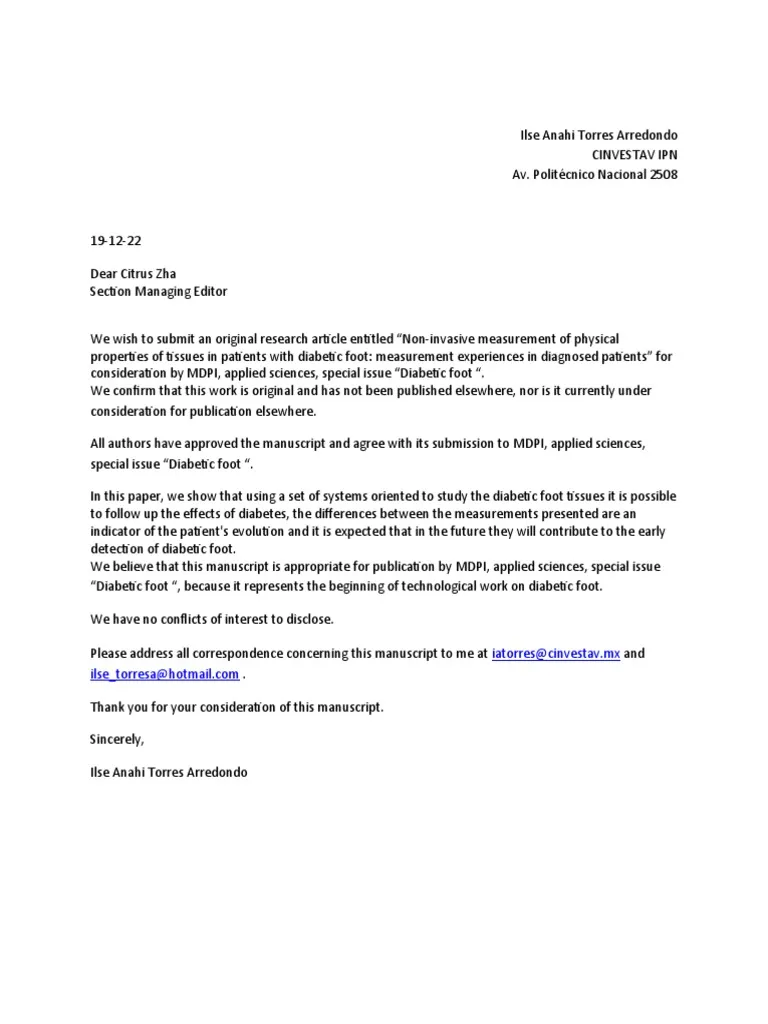
Cover Letter Basics
A cover letter is a crucial document that accompanies your resume when applying for a job. It serves as your first introduction to a potential employer, providing an opportunity to showcase your personality, skills, and enthusiasm for the position. Unlike a resume, which is a factual summary of your experience, a cover letter allows you to tell your story, explain why you’re the perfect fit for the role, and express your genuine interest in the company. Mastering the art of cover letter writing is essential for making a positive first impression and increasing your chances of landing an interview. A well-crafted cover letter can set you apart from other applicants and demonstrate your communication skills, which are vital in nearly every professional setting.
Understanding the Purpose of a Cover Letter
The primary purpose of a cover letter is to introduce you to the hiring manager and persuade them to read your resume. It’s your chance to make a strong first impression and highlight the most relevant aspects of your experience and skills. A cover letter should demonstrate your understanding of the job requirements and explain why you are uniquely qualified for the role. It also allows you to express your enthusiasm for the company and the opportunity. Furthermore, a cover letter provides an opportunity to address any potential concerns about your application, such as gaps in your employment history or a career change. By using a cover letter effectively, you increase your chances of being noticed and moving forward in the hiring process. The best cover letters focus on how you can solve the employer’s problems or add value to their team.
Key Components of a Cover Letter

A well-structured cover letter typically includes several key components. These elements work together to create a compelling narrative that captures the reader’s attention and conveys your qualifications. Ensure that you include your contact information at the top, a professional salutation, a captivating opening paragraph, compelling body paragraphs that showcase your relevant skills and experiences, and a strong closing paragraph that reiterates your interest and includes a call to action. By carefully crafting each section, you can create a cover letter that effectively represents you and increases your chances of securing an interview. Remember to customize each cover letter to the specific job and company to demonstrate your genuine interest and attention to detail. A generic cover letter is likely to be overlooked.
Formatting Your Cover Letter
The formatting of your cover letter is as important as its content. A well-formatted cover letter is easy to read and visually appealing. Choose a professional font, such as Times New Roman, Arial, or Calibri, in a readable size (11 or 12 points). Use single spacing within paragraphs and double spacing between paragraphs to create visual separation. Ensure consistent alignment throughout the document, typically left alignment. Keep the letter concise, ideally within one page. Use clear headings and bullet points to break up large blocks of text and highlight key information. Proper formatting shows that you pay attention to detail and respect the reader’s time. Proofread the entire document carefully for any typos or grammatical errors before submitting your application.
Cover Letter Structure: A Step-by-Step Guide
Header and Contact Information

Begin your cover letter with a header that includes your full name, address, phone number, and email address. Ensure that your contact information is up-to-date and easily accessible. This information should be at the top of the page, either left-aligned or right-aligned, depending on your preference. Below your contact information, include the date and the hiring manager’s name and title, if available, along with the company’s name and address. Addressing the hiring manager by name is always preferable to using a generic greeting, as it demonstrates that you have taken the time to research the company and personalize your application. This step shows attention to detail and a genuine interest in the position.
Salutation and Addressing the Hiring Manager
The salutation sets the tone for your cover letter. If you know the hiring manager’s name, use a formal greeting such as “Dear Mr. Smith” or “Dear Ms. Jones.” If you are unsure of the hiring manager’s name, try to find it through research or use a general greeting like “Dear Hiring Manager.” Avoid generic greetings such as “To Whom It May Concern,” which can make your letter feel impersonal. The salutation is your first opportunity to engage with the reader and show that you have taken the time to personalize your application. Proper use of titles and spelling demonstrates professionalism and respect for the hiring manager.
The Opening Paragraph: Grabbing Attention
The opening paragraph is your chance to immediately capture the reader’s attention. Start with a strong statement that highlights your enthusiasm for the role and the company. Briefly mention where you saw the job posting and why you are interested in the position. State your most relevant skill or accomplishment in a way that immediately piques the reader’s interest. Avoid generic opening lines and instead, aim for a concise and compelling introduction that sets the stage for the rest of your letter. The opening paragraph should clearly communicate your purpose for writing and entice the reader to continue reading your cover letter. Show the reader that you understand the job requirements and how your skills align.
Body Paragraphs: Showcasing Your Skills

The body paragraphs are where you showcase your skills, experience, and qualifications in detail. This section is the meat of your cover letter, where you demonstrate your value and explain why you are the best candidate for the job. Each paragraph should focus on a specific aspect of your qualifications, using specific examples to illustrate your achievements. Tailor each paragraph to the job description, highlighting the skills and experiences that are most relevant to the role. Use keywords from the job description to demonstrate that you have carefully read the requirements and understand what the employer is looking for. Provide concrete examples of how you’ve used your skills and the positive outcomes you achieved.
Highlighting Relevant Skills and Experiences
When showcasing your skills and experiences, focus on the qualities that align with the job requirements. Analyze the job description carefully and identify the key skills and experiences the employer is seeking. Provide specific examples of how you have demonstrated these skills in the past. Use the STAR method (Situation, Task, Action, Result) to structure your examples, providing context, outlining the task you faced, describing the actions you took, and highlighting the results you achieved. This method helps you create clear and compelling narratives that showcase your capabilities. Tailor each example to the specific job, highlighting how your skills and experiences meet the employer’s needs. The more relevant examples, the better.
Quantifying Achievements
Whenever possible, quantify your achievements with numbers and data. Instead of saying “Improved sales,” say “Increased sales by 15% in one quarter.” Quantifying your accomplishments provides concrete evidence of your capabilities and demonstrates the impact you have made in previous roles. Use data to illustrate your successes and to make your claims more credible. For example, if you managed a project, mention the budget, the timeline, and the results achieved. If you improved customer satisfaction, provide the percentage increase. Quantifiable results demonstrate your value and make it easier for the hiring manager to understand your contributions. Specific numbers help you stand out from other candidates.
Tailoring Your Cover Letter to the Job Description

Tailoring your cover letter to each job application is essential. A generic cover letter is unlikely to impress hiring managers. Review the job description carefully and identify the key requirements, skills, and qualifications the employer is seeking. Customize your cover letter to address these specific needs, highlighting the relevant experience, skills, and achievements. Use keywords from the job description throughout your cover letter to show that you understand the role and the company’s needs. Avoid reusing a generic cover letter; instead, tailor it to each job, demonstrating your genuine interest and your understanding of the specific position. This effort shows you’ve done your research and you’re serious about the job.
The Closing Paragraph: Call to Action
The closing paragraph should reiterate your interest in the position and summarize why you are a strong candidate. Express your enthusiasm for the opportunity and the company. Include a clear call to action, such as requesting an interview or expressing your availability for a follow-up call. Thank the hiring manager for their time and consideration. Avoid using clichéd phrases such as “Thank you for your time.” Instead, keep the closing concise and professional. Reiterate your contact information one last time to ensure it is easily accessible. A strong closing paragraph leaves the reader with a positive impression and encourages them to take the next step.
Proofreading and Editing Your Cover Letter
Before submitting your cover letter, carefully proofread and edit it to eliminate any errors. Typos, grammatical errors, and formatting inconsistencies can undermine your credibility and make you appear unprofessional. Take the time to review your cover letter multiple times, checking for any mistakes. Ideally, ask someone else to review your letter as well, as a fresh pair of eyes can often spot errors that you might miss. Proofreading and editing are critical steps that demonstrate your attention to detail and your commitment to presenting yourself in the best possible light. Always double-check the company’s name and the hiring manager’s name and title to ensure accuracy.
Common Mistakes to Avoid

Several common mistakes can significantly detract from your cover letter. Avoid generic, one-size-fits-all cover letters; always tailor your letter to the specific job. Do not simply repeat information from your resume; use the cover letter to expand on your skills and experiences. Refrain from using overly casual language or slang. Be concise and avoid writing too much; keep the letter within one page. Ensure your tone is professional and enthusiastic. Avoid spelling or grammatical errors and proofread carefully. Most importantly, be honest and genuine in representing yourself and your skills. Avoid any negative language about previous employers or jobs.
Tips for Effective Proofreading
Effective proofreading is essential to ensure your cover letter is error-free. Read your cover letter aloud to catch any awkward phrasing or grammatical errors. Use spell-check and grammar-check tools, but remember that these tools are not foolproof. Read your cover letter backward to focus on individual words and catch any spelling mistakes. Take a break between writing and proofreading to give your eyes a fresh perspective. Ask a friend, family member, or career counselor to review your cover letter. Pay close attention to the company name, the hiring manager’s name and title, and the job title. Proper proofreading ensures your cover letter presents you in the best possible light and enhances your chances of securing an interview.