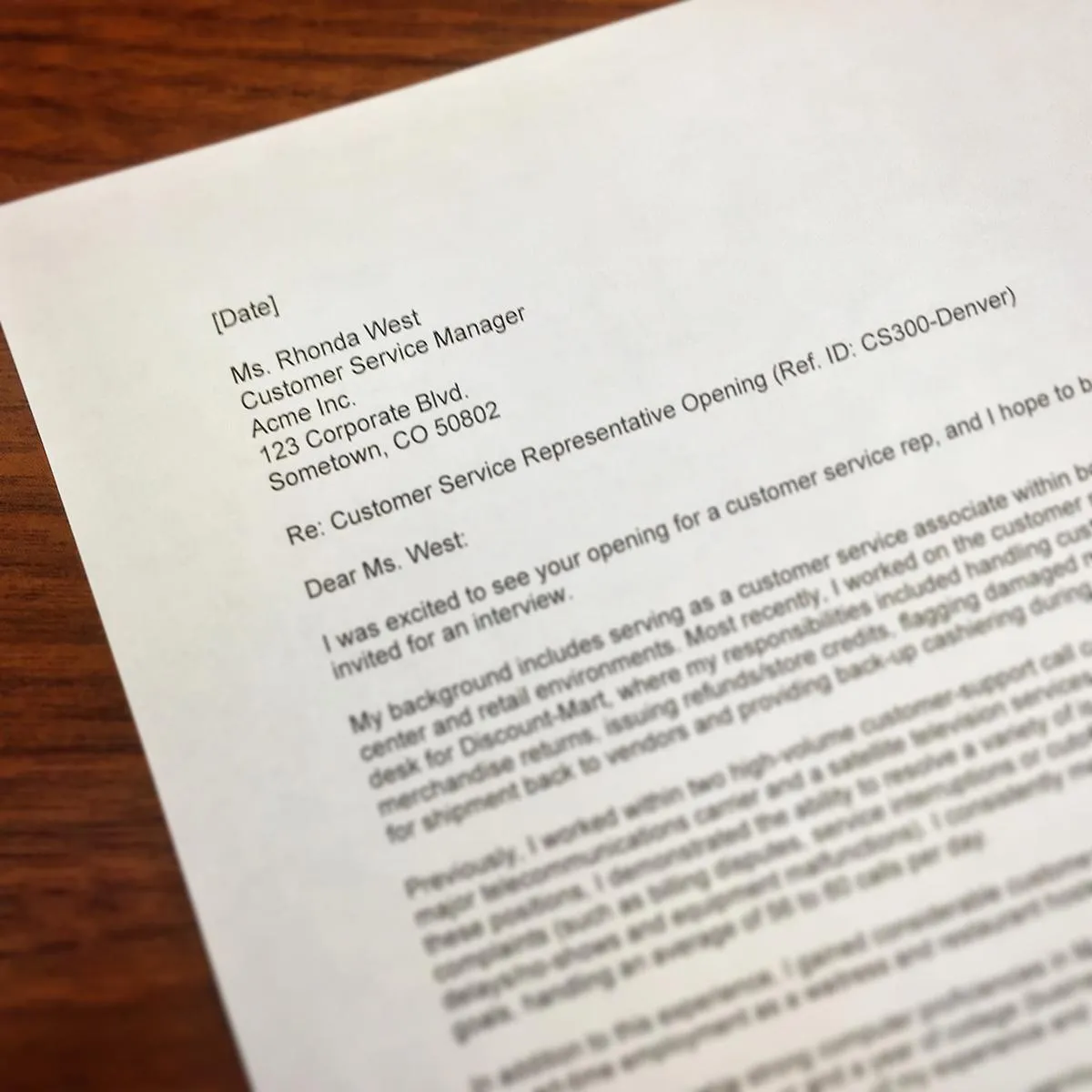
Why a Strong Cover Letter Matters
In the competitive landscape of job applications, a cover letter serves as your first introduction to a potential employer, making a lasting impression. It’s your chance to go beyond the confines of a resume and showcase your personality, enthusiasm, and genuine interest in the role and the company. A well-crafted cover letter is essential for grabbing the attention of recruiters and hiring managers, setting you apart from the numerous other applicants vying for the same position. A weak cover letter, on the other hand, may lead to your application being overlooked, even if you have the qualifications needed for the job. The importance of a compelling cover letter cannot be overstated, as it provides a space to explain your unique value and how your skills align with the specific requirements of the role.
Moreover, a strong cover letter demonstrates your communication skills, attention to detail, and commitment to the application process. It provides a narrative that links your resume to the job description, highlighting your relevant experiences and accomplishments in a way that piques the reader’s interest. It is an opportunity to show how your skills and values align with the company culture and to express your enthusiasm for the opportunity. By taking the time to create a personalized cover letter, you show that you are serious about the job and have taken the initiative to learn more about the company and the position. This commitment may be a significant advantage during the hiring process.
Highlighting Your Key Skills and Experiences
Your cover letter is the place to shine a spotlight on the skills and experiences most relevant to the job you’re applying for. Review the job description carefully, identifying the key requirements and desired qualifications. Then, choose specific examples from your professional history that demonstrate you possess these skills. Instead of simply listing your responsibilities, illustrate how you applied these skills and what results you achieved. This narrative approach helps the hiring manager visualize your capabilities and understand the value you can bring to their team. Quantify your achievements whenever possible. For instance, instead of saying you ‘managed projects’, you can say ‘managed 5 projects simultaneously, completing them 15% under budget and ahead of schedule’.
Focus on accomplishments rather than just listing duties. What did you achieve in your previous roles? How did you make a difference? Did you increase sales, improve efficiency, or lead a successful team initiative? Be clear and concise in your descriptions, and ensure your examples are relevant to the job. Remember that your resume provides a detailed overview of your experience; your cover letter should offer the highlights and elaborate on those points, adding depth and context to your qualifications. Your goal is to make the hiring manager feel that you are the perfect fit for the role by drawing a direct link between your skills and the company’s needs. This approach is far more compelling than a generic summary of your work history.
Tailoring Your Letter to the Specific Job

One of the biggest mistakes job seekers make is sending a generic cover letter. Each cover letter should be specifically tailored to the job and the company you are applying to. Start by carefully reading the job description, noting the key requirements and the qualities the employer is seeking. Then, customize your letter to address these specific points, showing how your skills and experiences align with what the employer is looking for. Avoid using a template without making substantial changes. If you’re applying for a marketing position, for example, highlight your relevant marketing experience, even if your resume also includes unrelated jobs. Also, show that you understand the company’s mission and values, mentioning specific projects or initiatives that resonate with your skills and career goals.
The key to a great cover letter is demonstrating that you understand the job and the company’s needs. Show that you’ve done your research and are genuinely interested in the opportunity. This level of customization shows the hiring manager that you are committed to the position and have taken the time to prepare. Furthermore, a personalized cover letter makes a positive impression by demonstrating your attention to detail and commitment to the application process. It shows that you are not just sending out mass applications, but that you care about this particular job. Tailoring your cover letter is essential to your success in any job application.
Researching the Company and Showing Interest
Before you start writing your cover letter, invest time in researching the company. Explore their website, social media profiles, recent news articles, and press releases. Understanding the company’s mission, values, culture, and recent initiatives can help you tailor your letter to show a genuine interest in working there. Mentioning specific projects, products, or recent accomplishments of the company will demonstrate that you have taken the time to learn about their business and are genuinely interested in contributing to their success. You can also use the research to identify the company’s challenges and show how your skills can help address them.
Demonstrate your interest by explaining why you are excited about the opportunity and what aspects of the company or role attract you most. This could include the company’s values, its impact on the industry, or the specific projects you are interested in. When you express specific reasons for wanting to join the company, it makes your application more personal and memorable. This also allows you to show that you’re not just looking for a job, but that you are passionate about their mission and the role. This kind of personalized approach makes the hiring manager more likely to see you as a valuable fit, increasing your chances of receiving a call for an interview.
Using the Right Tone and Language
The tone and language you use in your cover letter should be professional, enthusiastic, and appropriate for the company culture. Avoid slang, jargon, and overly casual language. Instead, use clear, concise, and positive language that reflects your personality and writing style. The tone of your letter should match the company culture and the nature of the role. If the company is known for a more formal environment, you might use more formal language. If the culture is more relaxed, you can use a slightly more conversational tone, but always maintain professionalism.
Also, use action verbs to describe your accomplishments and experiences. Start each sentence with strong verbs to show initiative, responsibility, and accomplishments. For example, use words like ‘managed’, ’led’, ‘developed’, ‘implemented’, ‘achieved’, and ‘improved’. Using positive, active language will show your abilities and make the letter more compelling. It is important to ensure that your cover letter is free of grammatical errors and typos. Pay close attention to spelling, punctuation, and grammar to ensure that your writing is polished and professional. A well-written cover letter with the right tone and language will greatly improve your chances of landing an interview.
Formatting for Readability and Impact

The formatting of your cover letter is crucial for readability. Make sure your letter is easy to scan and digest by using a clear, professional font like Arial, Calibri, or Times New Roman. Use a font size between 10 and 12 points. Employ ample white space, using margins of at least one inch on all sides. Use bullet points to highlight key achievements or skills when applicable, and keep paragraphs concise, ideally no more than five to six sentences. This makes the information more accessible and allows the reader to easily grasp your key points.
Break your cover letter into logical sections with clear headings. This helps the reader follow your narrative and quickly understand the main points. The structure should typically include an introduction, body paragraphs that highlight your skills and experiences, and a concluding paragraph. Always remember to address the letter to a specific person if possible, and include your contact information, as well as the date, at the top. A well-formatted cover letter presents a professional appearance and shows your attention to detail, making a positive impression on the hiring manager. A well-formatted cover letter makes it easier for recruiters to understand and appreciate your skills.
Avoiding Common Cover Letter Mistakes
Several common mistakes can undermine an otherwise strong cover letter. One of the biggest errors is sending a generic letter that is not tailored to the specific job or company. Always customize your cover letter to show that you understand the job requirements and the company’s values. Other mistakes include focusing too much on what you want, rather than how you can contribute to the company. Your letter should emphasize your value proposition and how you can solve their problems. Make sure to avoid typos, grammatical errors, and spelling mistakes. Proofread the letter carefully before submitting it, and consider asking someone else to review it as well. Always double-check the job description to verify that you have met all the specific application requirements.
Another common error is providing too much information, making your letter too long and unfocused. Keep your cover letter concise, ideally within one page. Be sure to avoid using clichés or overly generic phrases that don’t convey any real value. Instead, focus on specific achievements and relevant experiences that demonstrate your capabilities. Moreover, avoid using the same language as your resume; the cover letter is meant to elaborate on your skills and experiences. The key is to ensure that your letter is polished, relevant, and clearly highlights your qualifications. Addressing these common mistakes will significantly boost your chances of making a positive impression on the hiring manager.
Showcasing Your Achievements Effectively
Focusing on your achievements is key to writing a compelling cover letter. Instead of simply listing your responsibilities, highlight what you accomplished in your previous roles. Whenever possible, quantify your achievements to provide concrete evidence of your capabilities. For example, instead of saying you ‘increased sales’, specify ‘increased sales by 20% in one year’. If you led a team project, explain the positive outcomes and your role in achieving them. Use the STAR method (Situation, Task, Action, Result) to structure your examples and provide context. This method helps you clearly describe the situation, the task you were assigned, the actions you took, and the resulting outcomes.
When showcasing your achievements, use strong action verbs to start your sentences. This makes your descriptions more dynamic and engaging. Choose achievements that are most relevant to the job description and the company’s needs. Showing specific examples of your impact on past projects will demonstrate your value to the hiring manager. Ensure that your achievements align with the company’s goals. Demonstrating how your accomplishments align with the needs of the company is vital. When describing your accomplishments, always focus on the positive outcomes and how you made a difference. This approach will make your cover letter more compelling and memorable, increasing your chances of getting an interview.
Including a Compelling Call to Action

Your cover letter should end with a strong call to action that encourages the hiring manager to take the next step. This can be as simple as expressing your enthusiasm for the opportunity and your eagerness to discuss your qualifications further. State your interest in an interview, clearly indicating your availability and interest in speaking with them. If you’ve researched the company and its needs, reference those findings in your closing, and express how your skills can contribute to their goals. Customize your call to action to match the tone and style of the company and the job description. A call to action that’s aligned with the company’s needs will leave a more lasting impression on the reader.
Also, thank the hiring manager for their time and consideration. Briefly reiterate your interest in the position and your confidence in your ability to contribute. Make sure your contact information is readily available, including your email address and phone number. A strong closing should reflect your confidence and genuine interest in the role. Your call to action provides a clear path for the hiring manager to take the next steps. A well-crafted call to action at the end of your cover letter will help you stand out and increase your chances of being contacted for an interview.
Proofreading and Editing Your Cover Letter
Before submitting your cover letter, proofread it carefully for any errors in grammar, spelling, punctuation, and formatting. Errors can undermine your credibility, no matter how strong your other qualifications may be. Read your letter aloud to catch any awkward phrasing or sentences that don’t flow smoothly. Ask a friend, family member, or career counselor to review your letter as well. A second pair of eyes can often catch mistakes that you might have missed. Proofreading is very important, as it shows your attention to detail and commitment to professionalism.
Make sure your letter is error-free and reflects your professionalism. A well-proofread cover letter shows the employer that you are detail-oriented and committed to presenting yourself in the best possible light. Check your contact information carefully, ensuring that your email address and phone number are correct. Review the letter several times, as errors are easy to miss. In addition to proofreading, consider editing the letter for conciseness and clarity. Cut out any unnecessary words or phrases to keep your letter focused and impactful. Correcting any errors ensures that your application is a reflection of your capabilities. A well-proofread, concise, and clear cover letter improves your chances of making a positive first impression.
Conclusion
Crafting a standout cover letter is a crucial part of the job application process, as it is your first opportunity to make a great impression and demonstrate your value to a potential employer. A strong cover letter is more than just a formality; it’s a strategic tool for highlighting your skills and experiences in a way that resonates with the employer’s needs. By tailoring your letter, showcasing your accomplishments, and using the right tone and language, you can increase your chances of getting noticed and securing an interview. Remember to always proofread your letter carefully, and include a strong call to action that encourages the reader to reach out.
The tips provided will help you craft a compelling cover letter that sets you apart from the competition. Focus on the key elements and strategies, and always tailor your letter to each job application. It is very important to always customize your cover letter. Taking the time to write a great cover letter is a worthwhile investment. A well-crafted cover letter can be the key to unlocking your career goals and landing your dream job. By following these tips and dedicating your time to creating a cover letter, you can enhance your chances of moving forward in your job search. Good luck with your applications!