Understanding the Importance of a Cover Letter
In the competitive world of job hunting, a well-crafted cover letter can be the key to unlocking your dream job. More than just a formality, it serves as your first introduction to a potential employer, offering a valuable opportunity to showcase your personality, skills, and enthusiasm. A cover letter complements your resume by providing context, elaborating on your qualifications, and demonstrating your genuine interest in the specific role and company. Failing to submit a compelling cover letter can be a significant disadvantage, potentially leading to your application being overlooked. This document provides you with a strong first impression.
Why a Cover Letter Matters
A cover letter is your chance to go beyond the bullet points of your resume and create a narrative that highlights your value proposition. It allows you to explain how your skills and experiences align with the specific requirements of the job and the goals of the company. Furthermore, a well-written cover letter demonstrates your communication skills, attention to detail, and understanding of the employer’s needs. It is an opportunity to establish a personal connection with the hiring manager and differentiate yourself from other applicants. A great cover letter helps to elevate your whole profile.
The Role of a Cover Letter in Job Applications

The role of a cover letter is multifaceted. First and foremost, it introduces you to the hiring manager and provides a glimpse into your professional background. It serves as a persuasive tool, encouraging the reader to delve deeper into your resume. It also allows you to address any potential gaps in your employment history or explain career transitions. Additionally, a cover letter provides an excellent opportunity to demonstrate your knowledge of the company and your enthusiasm for the position. It’s a chance to express why you are the perfect fit for the job.
Key Components of a Winning Cover Letter
A winning cover letter is meticulously crafted, incorporating several essential elements that work together to create a compelling document. From the correct formatting to the tone of your writing, each component plays a pivotal role in leaving a lasting impression on the hiring manager. Knowing what these components are is the first step to writing a cover letter that gets results.
Contact Information and Date
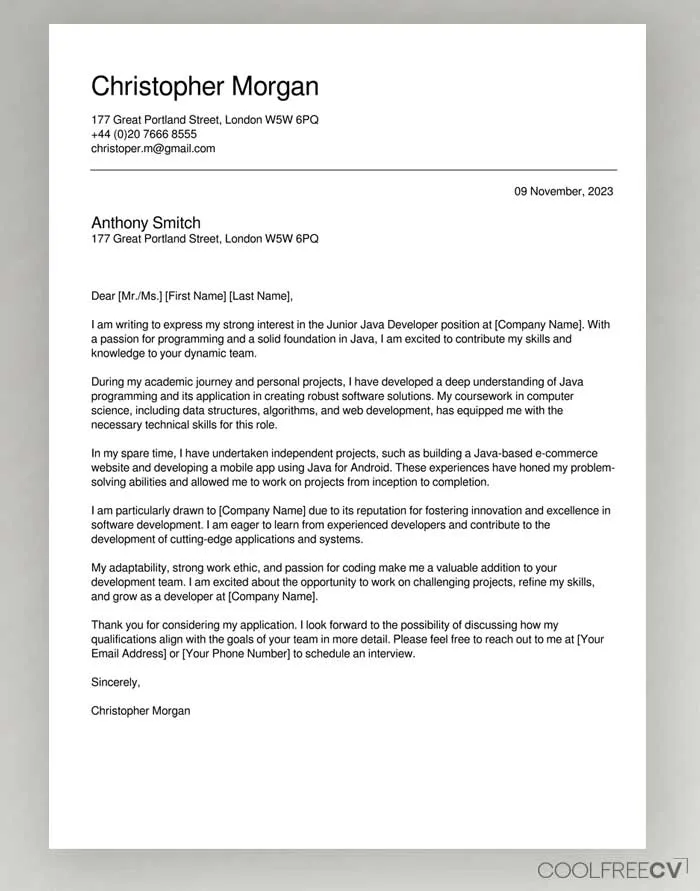
Start by including your contact information (name, phone number, email) and the date at the top of the letter. This ensures the hiring manager can easily reach you. Also, include the hiring manager’s name and title. If the name is unavailable, use a generic greeting like ‘Dear Hiring Manager’. Using their name gives a personalized feel.
Addressing the Hiring Manager

Personalize your cover letter by addressing the hiring manager by name whenever possible. Researching the name of the hiring manager can significantly improve the impact of your letter. Using their name demonstrates that you have taken the time to research the company and the position. This personal touch immediately grabs their attention. If you are unable to find the hiring manager’s name, use a professional salutation, such as ‘Dear Hiring Team’ or ‘Dear [Department] Hiring Manager’.
Opening Paragraph Grab Their Attention
The opening paragraph is your first and best chance to grab the reader’s attention. Start with a strong statement that immediately highlights your enthusiasm for the role and the company. Briefly mention your most relevant qualifications or a key achievement that aligns with the job description. This opening paragraph is your elevator pitch – a concise overview of what makes you a standout candidate. Aim to capture the reader’s attention immediately, encouraging them to continue reading.
Highlighting Relevant Skills and Experience
The body of your cover letter should elaborate on your key skills and experiences, demonstrating how they align with the job requirements. Analyze the job description and identify the most important skills and qualifications the employer is seeking. Provide specific examples of how you have utilized these skills in previous roles and the positive outcomes you achieved. Use action verbs and quantify your achievements whenever possible to showcase your impact. Tailor your examples to match the specific needs of the role.
Showcasing Achievements and Results
Focus on achievements rather than just listing job duties. Describe specific accomplishments, such as projects you completed, problems you solved, or goals you achieved. Use the STAR method (Situation, Task, Action, Result) to structure your examples and provide a clear and concise explanation of your contributions. Showcasing concrete achievements demonstrates your value and ability to deliver results, making you a more attractive candidate.
Quantifying Accomplishments with Data
Whenever possible, quantify your achievements with data and metrics. This provides tangible evidence of your impact and helps the hiring manager understand the value you bring. Instead of saying, ‘Improved customer satisfaction,’ say, ‘Increased customer satisfaction scores by 15% within six months.’ Use numbers and statistics to make your accomplishments more compelling and demonstrate the concrete results you have achieved. This approach adds credibility to your claims.
Expressing Enthusiasm for the Role
Throughout your cover letter, express your genuine enthusiasm for the role and the company. Explain why you are excited about the opportunity and what aspects of the job appeal to you. Show that you have researched the company and understand its mission and values. Demonstrating your interest can set you apart from other candidates who may not have expressed the same level of enthusiasm.
Closing the Cover Letter

End your cover letter with a strong closing paragraph that reiterates your interest and expresses your eagerness for an interview. Thank the hiring manager for their time and consideration. Include a call to action, such as stating that you look forward to discussing your qualifications further or that you are available for an interview at their earliest convenience. This will leave a lasting positive impression.
Formatting and Design Tips
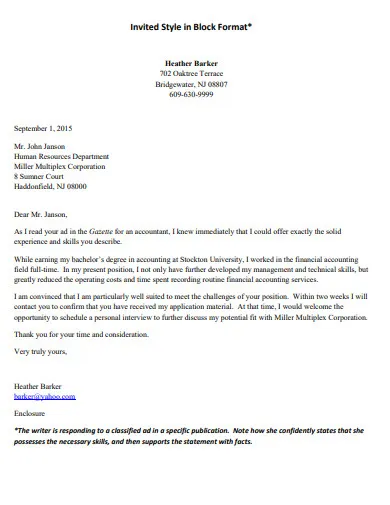
The formatting and design of your cover letter are just as important as the content. A well-formatted letter is easy to read, visually appealing, and professional. Proper formatting enhances readability and highlights important information, making your cover letter more impactful.
Font and Style Choices
Choose a professional and easy-to-read font, such as Times New Roman, Arial, or Calibri. Keep the font size between 10 and 12 points for readability. Avoid using overly ornate or unusual fonts that can be distracting. Maintain consistent formatting throughout your letter, including font style, size, and spacing.
Readability and Layout

Use clear and concise language, and keep paragraphs relatively short to improve readability. Use bullet points or numbered lists to highlight key skills or achievements. Ensure proper spacing between paragraphs and sections. Proofread the entire document carefully to eliminate any typos or grammatical errors. Proper formatting is key to ensuring the hiring manager can easily read and understand your application.
Common Cover Letter Mistakes to Avoid
There are some common pitfalls that can undermine your cover letter and diminish your chances of success. Avoiding these mistakes is essential to creating a professional and compelling application. Pay close attention to these factors to ensure you don’t sabotage your chances of landing an interview.
Generic and Vague Language
Avoid using generic and vague language that doesn’t provide specific details or examples. Instead of saying, ‘I am a hard worker,’ provide evidence, such as ‘Consistently exceeded sales targets by 15%.’ Generic statements fail to differentiate you from other candidates. Instead of general claims, use specific examples and data to demonstrate your skills and accomplishments. Vague language makes your claims less credible and less impactful.
Typos and Grammatical Errors

Typos and grammatical errors can immediately discredit your application. These errors indicate a lack of attention to detail and can make you appear unprofessional. Always proofread your cover letter carefully, and consider having someone else review it. Use spell-check and grammar-check tools, but remember that these tools are not foolproof. A final review is always beneficial.
Ignoring the Job Description
One of the most common mistakes is failing to tailor your cover letter to the specific job description. Your cover letter should directly address the requirements listed in the job posting. Make sure to highlight the skills and experiences that align with the employer’s needs. Neglecting the job description shows a lack of attention to detail and can make it seem like you haven’t put much effort into your application.
Tailoring Your Cover Letter
Tailoring your cover letter is crucial for demonstrating your genuine interest and qualifications for a specific role. A generic, one-size-fits-all cover letter is unlikely to impress hiring managers. Customizing your letter for each job application is an essential step. It can significantly increase your chances of getting noticed and securing an interview.
Researching the Company and Role
Before writing your cover letter, research the company and the specific role. Learn about the company’s mission, values, and recent projects. Understand the responsibilities and requirements of the position. This information will enable you to tailor your letter to the company’s needs and demonstrate your interest. Visit the company website, review their social media profiles, and search for news articles. Knowing details about the company will give you a competitive edge.
Customizing the Content for Each Application
Each cover letter should be customized to align with the specific job description. Highlight the skills and experiences that are most relevant to the role. Use keywords from the job description to show that you understand the requirements. Provide examples of how you have applied your skills in past roles and achieved results that match the employer’s needs. Demonstrating how you fit the profile will significantly improve your chances of success.
Proofreading and Editing
Proofreading and editing are essential steps in the cover letter writing process. Errors in your cover letter can leave a negative impression on the hiring manager, so a thorough review is critical to your chances of success. A polished and error-free cover letter will demonstrate professionalism and attention to detail, which can set you apart from other candidates.
Tips for Proofreading
Proofread your cover letter multiple times, focusing on different aspects each time. Check for spelling, grammar, punctuation, and formatting errors. Read your cover letter aloud to catch any awkward phrasing or repetitive sentences. Have someone else review your cover letter for a fresh perspective. Read it backward to catch any errors.
Tools to Use
Utilize online tools such as Grammarly or ProWritingAid to assist with proofreading. These tools can help identify spelling errors, grammar mistakes, and stylistic issues. However, remember that these tools are not always perfect, so a manual review is still necessary. Consider using a template to ensure a consistent format and structure. Always double-check the final version before submitting your application.