Understanding Cover Letter Sample Basics
Embarking on your job search journey can feel overwhelming, especially when faced with the task of crafting a compelling cover letter. A well-written cover letter is a crucial component of your application package, serving as your first introduction to a potential employer and setting the stage for a positive impression. This guide, “Cover Letter Sample Basics 101 How to Get Started,” will equip you with the fundamental knowledge and practical tips to create a cover letter that effectively showcases your skills, experience, and enthusiasm for the desired position. By understanding the core elements of a cover letter and how to tailor it to each specific job application, you can significantly increase your chances of landing an interview and ultimately securing your dream job. Let’s dive in and explore the essential components that will help you get started on the right foot.
What is a Cover Letter
A cover letter is a concise document that accompanies your resume, providing a personalized introduction to your qualifications and expressing your interest in a specific job or opportunity. Unlike a resume, which presents a factual summary of your work history and skills, a cover letter allows you to elaborate on your accomplishments, connect your experience to the job requirements, and demonstrate your enthusiasm for the role and the company. Think of it as your chance to make a strong first impression, highlighting what makes you the ideal candidate and why you’re excited about the prospect of joining their team. The cover letter is your opportunity to distinguish yourself from other applicants and persuade the hiring manager to delve deeper into your qualifications by reviewing your resume and inviting you for an interview.
Why is a Cover Letter Important

In today’s competitive job market, a cover letter can be the deciding factor in whether your application makes it to the interview stage. A well-crafted cover letter serves several critical purposes. First, it provides context to your resume, explaining how your skills and experience align with the specific requirements of the job. It allows you to address any potential gaps in your employment history or highlight any unique qualifications that might not be immediately apparent from your resume. Second, a cover letter demonstrates your communication skills and your ability to articulate your value proposition effectively. It shows that you’ve taken the time to understand the company and the role, and that you’re genuinely interested in the opportunity. Finally, a cover letter is an opportunity to showcase your personality and enthusiasm, making you stand out from the crowd of applicants and increasing your chances of getting noticed by the hiring manager.
Key Components of a Cover Letter
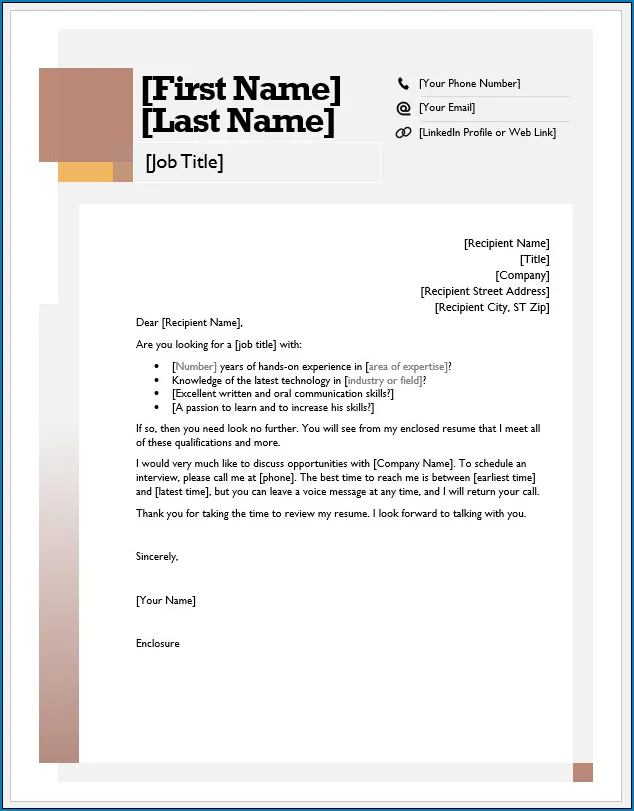
A compelling cover letter consists of several key components that work together to present a clear, concise, and persuasive case for your candidacy. Each section plays a vital role in conveying your qualifications, expressing your interest, and ultimately securing an interview. Understanding these essential components is key to crafting a cover letter that captures the attention of the hiring manager and positions you as a strong candidate. From the contact information to the closing, each element must be carefully crafted to create a cohesive and impactful document. Let’s break down the essential components to ensure your cover letter stands out from the competition.
Contact Information Section
Begin your cover letter with a professional contact information section. This should include your full name, address, phone number, and email address. It’s essential to use a professional-looking email address, avoiding nicknames or unprofessional phrasing. Ensure the contact information is accurate and up-to-date, as this is how the employer will reach you. Place this section at the top of your cover letter, either left-aligned or centered, to make it easily accessible. Make sure your contact details are consistent with those on your resume, creating a cohesive and professional presentation. The inclusion of this information makes it convenient for the hiring manager to reach out to you if they’re interested in scheduling an interview.
The Greeting

The greeting sets the tone for your cover letter and should be addressed to a specific person whenever possible. Research the hiring manager’s name and title to personalize your greeting, for example, “Dear Mr. Smith.” If you’re unable to find a specific name, use a professional greeting such as “Dear Hiring Manager” or “Dear [Company Name] Team.” Avoid generic greetings like “To Whom It May Concern,” which can make your letter seem impersonal. A well-crafted greeting immediately grabs the reader’s attention and demonstrates that you’ve taken the initiative to research the company and the role. By addressing the recipient by name, you create a connection that can set your cover letter apart from the rest.
Body Paragraphs
The body paragraphs are the heart of your cover letter, where you explain why you’re the perfect fit for the job. The body paragraphs should be concise, engaging, and tailored to the specific requirements of the position. Each paragraph should have a clear purpose, such as introducing your qualifications, highlighting relevant skills, or expressing your enthusiasm for the opportunity. Use strong action verbs to describe your accomplishments and quantify your achievements whenever possible. Avoid simply restating your resume; instead, provide specific examples that illustrate your skills and demonstrate how you’ve made a positive impact in previous roles. Aim for a balance between providing detailed information and keeping your letter concise and easy to read. This section should be about your skills.
First Paragraph Hook
The first paragraph is your opportunity to grab the reader’s attention and make them want to continue reading. Start with a strong hook that immediately conveys your enthusiasm for the position or the company. This could be a statement about your career goals, a brief summary of your relevant experience, or an expression of your admiration for the company’s mission. Clearly state the position you’re applying for and how you learned about the opportunity. Make sure your opening paragraph is concise, engaging, and directly relevant to the job requirements. The goal is to make the hiring manager want to know more about you and your qualifications, setting the stage for a successful application.
Highlighting Skills and Experience

In the body paragraphs, showcase your most relevant skills and experience that align with the job description. Select a few key accomplishments from your resume and elaborate on them, providing specific examples of how you’ve used your skills to achieve positive results. Quantify your achievements whenever possible, using numbers and data to demonstrate the impact you’ve made in previous roles. Tailor your examples to match the specific requirements and keywords mentioned in the job posting, showing the employer that you understand their needs. Don’t just list your skills; illustrate them with concrete examples that showcase your ability to perform the job successfully. Remember to use action verbs and highlight your most impressive achievements.
Expressing Enthusiasm
Throughout your cover letter, express your genuine enthusiasm for the role and the company. Show the hiring manager that you’re not just looking for any job, but that you’re specifically interested in this opportunity. Mention what excites you about the company’s mission, culture, or products. Explain why you believe you would be a good fit for their team and how your skills and experience align with their goals. Demonstrate that you’ve done your research on the company and that you understand their needs. Enthusiasm is contagious and can significantly influence the hiring manager’s perception of you as a candidate. It shows that you are invested in the opportunity.
Call to Action and Closing
Conclude your cover letter with a clear call to action and a professional closing. Reiterate your interest in the position and express your eagerness to discuss your qualifications further in an interview. Thank the hiring manager for their time and consideration. Include a strong closing such as “Sincerely,” or “Best regards,” followed by your typed name. Consider adding a line expressing your availability for an interview and provide your contact information. The call to action is your final opportunity to leave a lasting impression and prompt the employer to take the next step in the hiring process. Ensure your closing is professional and reflects your enthusiasm for the opportunity.
Formatting a Cover Letter Sample

The format of your cover letter is just as important as the content. A well-formatted letter is easy to read, visually appealing, and conveys professionalism. Pay attention to font, margins, spacing, and overall layout to create a polished document that reflects your attention to detail. Consistency in formatting throughout the letter is crucial for a professional presentation, so pay close attention to the details. Your cover letter should be a reflection of your professionalism. Adhering to standard formatting guidelines helps to ensure that your cover letter sample is readable and appealing to the hiring manager.
Font and Font Size
Choose a professional and readable font, such as Times New Roman, Arial, or Calibri. Maintain a consistent font throughout the entire letter. The recommended font size is usually between 10 and 12 points. Avoid using overly elaborate or decorative fonts, as they can distract from the content. Ensure the font is easy to read on both a computer screen and when printed. A clear and simple font choice indicates your attention to detail and professionalism. Opting for readability over style is key, ensuring the hiring manager can easily digest the information in your cover letter. Avoid using script fonts, as they can be difficult to read and appear less professional.
Margins and Spacing
Set consistent margins of one inch on all sides of your cover letter. This creates a balanced and clean layout, making the document visually appealing. Use single spacing within paragraphs and double spacing between paragraphs. This spacing helps to visually separate the sections and makes the content easier to read and digest. A well-spaced layout prevents the document from appearing cluttered and allows the hiring manager to focus on the information. Proper margins and spacing help to make your cover letter visually appealing, ensuring the hiring manager can focus on the content without distractions.
Proofreading and Editing

Proofread your cover letter meticulously for any grammatical errors, spelling mistakes, or typos. These errors can undermine your credibility and make you appear unprofessional. Read your letter aloud to catch any awkward phrasing or sentence structure issues. Have a trusted friend, family member, or career advisor review your cover letter for clarity and accuracy. Proofreading is an essential step in the cover letter writing process. A polished, error-free cover letter demonstrates your attention to detail and commitment to quality. Even small errors can make a negative impression, so take the time to thoroughly review your work before submitting it. Proofreading ensures the hiring manager’s focus is on your qualifications.
Types of Cover Letter Sample
Different cover letter samples serve different purposes, depending on the job or opportunity you’re pursuing. Tailoring your cover letter to the specific situation is critical. Understanding the different types of cover letters will help you choose the most appropriate format and content for your application. Whether you’re applying for a specific job, networking with professionals, or seeking a referral, selecting the right cover letter type will significantly increase your chances of success. Each type has its unique structure and focuses on different goals.
Application Cover Letter Sample
An application cover letter is the most common type of cover letter. It’s written in response to a specific job posting and is designed to highlight your qualifications and express your interest in the role. The content of the application cover letter should be tailored to the specific job description, emphasizing the skills and experience that match the employer’s requirements. This type of cover letter should include the job title, company name, and a clear explanation of why you’re a good fit for the position. Research the company and the role thoroughly to ensure your cover letter resonates with the hiring manager. The goal of this type is to get an interview.
Networking Cover Letter Sample

A networking cover letter is used to connect with professionals in your field and to express your interest in potential opportunities. It doesn’t necessarily refer to a specific job posting. This type of cover letter focuses on building relationships and creating opportunities for informational interviews or job leads. The goal is to introduce yourself, share your career goals, and ask for advice or assistance. Highlight your skills and experience, but focus on demonstrating your value and expressing your enthusiasm for their field. This is useful to build your network.
Referral Cover Letter Sample
A referral cover letter is written when you’ve been referred to a job opportunity by someone within the company. This type of cover letter should mention the name of the person who referred you and highlight the connection. Use the referral to make a strong first impression. Express your gratitude to the person who referred you and emphasize your qualifications for the role. Tailor your cover letter to the job description, as you would with an application cover letter. This type of cover letter is an effective way to leverage your network and increase your chances of getting noticed by the hiring manager.
Common Mistakes to Avoid in Cover Letter Sample
Avoid common pitfalls. These mistakes can quickly diminish your chances of securing an interview. By understanding these errors, you can ensure your cover letter is polished, professional, and effectively communicates your value to the hiring manager. From generic language to grammatical errors, these mistakes can make a negative impression. Take the time to carefully review your cover letter to ensure you avoid these common errors.
Generic Language
Avoid using generic phrases and clichés that don’t provide any specific information about your qualifications or experience. Tailor your cover letter to the specific job requirements and company culture. Instead of saying “I am a hard worker,” provide examples of your achievements that demonstrate your work ethic. Generic language can make your cover letter appear unoriginal and less compelling. Use specific examples and quantifiable achievements. Avoid clichés, and use personalized language that showcases your understanding of the company and role. Generic language fails to highlight your unique skills and contributions.
Typos and Grammatical Errors
Typos and grammatical errors can damage your credibility and make you appear unprofessional. Proofread your cover letter carefully, and consider having someone else review it for you. Use spell-check and grammar-check tools, but don’t rely on them entirely. Pay attention to sentence structure, punctuation, and word choice. Typos and errors indicate a lack of attention to detail. A clean and error-free cover letter shows that you are serious about the opportunity and committed to presenting yourself in the best possible light. Proofreading is a crucial step in the writing process.
Over-selling or Exaggerating
Avoid exaggerating your skills or achievements, or making false claims about your experience. Be honest and transparent in your cover letter. Overstating your qualifications can lead to disappointment later on in the hiring process if your abilities don’t align with what you’ve claimed. Instead of over-selling, focus on providing specific examples that demonstrate your genuine skills and experience. Honesty and transparency build trust and create a positive impression. Don’t oversell or exaggerate.
Resources and Tools for Cover Letter Sample
Numerous resources and tools can assist you in crafting a compelling cover letter sample. These resources offer templates, examples, and advice to help you present your qualifications in the best possible light. From online templates to professional review services, leveraging these tools can significantly enhance your cover letter writing process. They help streamline your application and improve the overall quality of your cover letter. Explore a variety of resources to help you craft a great cover letter.
Online Cover Letter Sample Templates
Online cover letter templates provide a starting point for structuring your cover letter and can save you time and effort. These templates come in various formats and styles, and they can be customized to fit your specific needs. Use these templates as inspiration. Be sure to personalize the template with your own information and tailor it to each job application. There are various websites, that provide a large collection of cover letter templates. Customizing these templates will help you create a professional and compelling cover letter.
Cover Letter Sample Builders
Cover letter builders are interactive tools that guide you through the process of writing a cover letter. They typically offer step-by-step instructions and prompts to help you create a well-structured and compelling document. These builders often provide suggestions for wording and formatting, making the process easier for those who are new to cover letter writing. Using a cover letter builder is a great way to ensure that you include all the essential components of a cover letter. They can also provide valuable insights into crafting a professional and effective cover letter.
Professional Review and Feedback
Consider having your cover letter reviewed by a career counselor, a writing expert, or a trusted friend. They can provide valuable feedback on your content, formatting, and overall presentation. A fresh perspective can help you identify any areas that need improvement and ensure that your cover letter is as effective as possible. They can provide valuable insights and feedback. Seeking professional advice and feedback will help you to improve your cover letter and increase your chances of landing an interview. Getting feedback is crucial.
In conclusion, crafting an effective cover letter is essential for any job seeker. By understanding the basics, from the key components to common mistakes to avoid, you can create a document that highlights your qualifications and grabs the attention of potential employers. Remember to tailor your cover letter to each job application, showcase your enthusiasm, and proofread meticulously. By following the guidelines and tips outlined in this guide, you’ll be well on your way to writing cover letters that get you noticed and secure those all-important interviews. Good luck with your job search!