Understanding the Importance of a Cover Letter
A well-crafted cover letter is your first opportunity to make a strong impression on a potential employer. It serves as a personal introduction, allowing you to showcase your personality, passion, and qualifications in a way that a resume alone cannot. Think of it as your marketing pitch, highlighting why you’re the ideal candidate for the specific role. Without a compelling cover letter, your application might be overlooked, even if you have the perfect skills and experience. It provides context to your resume, explaining your career trajectory, motivations, and how your background aligns with the company’s needs. A cover letter is not just a formality; it’s a crucial tool in your job search arsenal, setting the stage for a successful interview and ultimately, a job offer.
The Structure of a Winning Cover Letter
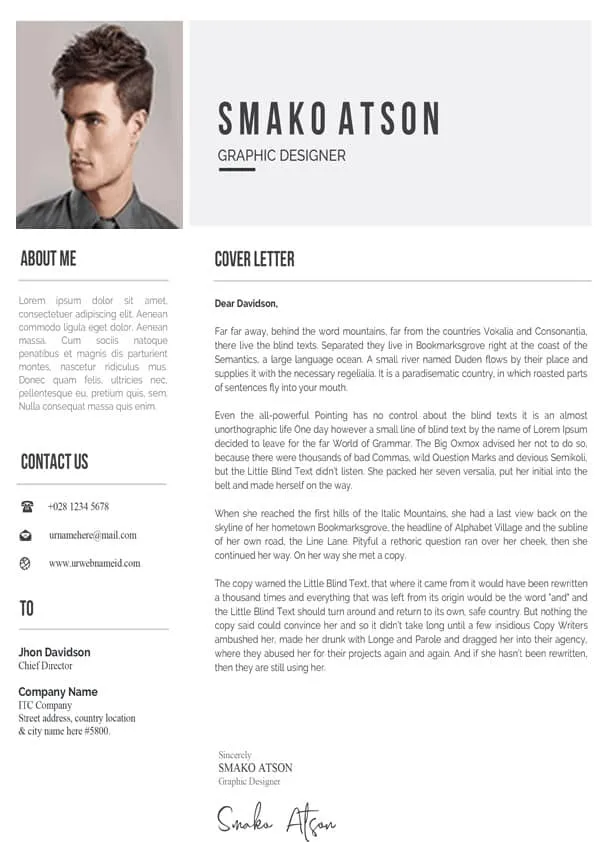
A compelling cover letter follows a clear and concise structure, making it easy for the hiring manager to quickly understand your key qualifications and why you’re a good fit. This structure typically includes a contact information section, a professional salutation, a captivating opening paragraph, a section highlighting your relevant skills and experience, a demonstration of your achievements, an expression of enthusiasm for the opportunity, a strong closing paragraph, and finally, a professional sign-off. Each section plays a vital role in conveying your message effectively. Adhering to this structure ensures your letter is organized, easy to read, and effectively communicates your value proposition to the employer. Deviating from this established format can make your letter appear unprofessional or disorganized, potentially hindering your chances of getting an interview.
Contact Information Section

At the top of your cover letter, clearly state your contact information. This typically includes your full name, phone number, email address, and optionally, your LinkedIn profile URL. Ensure this information is accurate and up-to-date. The contact section provides the hiring manager with immediate access to your contact information. Make sure your email address is professional and that your voicemail greeting is also professional. Double-check for any errors in your contact information; a simple typo could prevent a recruiter from reaching you. Always use a professional-sounding email address, and avoid nicknames or informal language. By presenting this information clearly and correctly, you make it easy for potential employers to reach out to you quickly.
Professional Salutation
Begin your cover letter with a professional salutation. If possible, address the hiring manager by name; research the company website or use LinkedIn to find the name of the person to whom you should direct your application. A personalized salutation shows that you’ve done your homework and taken the time to tailor your application. If you’re unable to find a specific name, use a general salutation like ‘Dear Hiring Manager’ or ‘Dear [Department Name] Team’. Avoid generic greetings such as ‘To Whom It May Concern,’ as they can make your letter seem impersonal. Always double-check the spelling of the person’s name and use the appropriate title (Mr., Ms., Dr., etc.).
Opening Paragraph Grabbing Attention
Your opening paragraph is your hook; it needs to capture the reader’s attention immediately. Start with a strong, engaging statement that immediately conveys your enthusiasm for the position or the company. Briefly mention the specific role you’re applying for and where you saw the job posting. You can also briefly mention a key skill or achievement that makes you an ideal candidate. Avoid generic opening sentences. Instead, tailor your introduction to the specific job and company, demonstrating that you’ve researched the role and understand the company’s needs. The opening paragraph should set the tone for the rest of the letter and encourage the hiring manager to continue reading, leading them to delve further into the rest of your letter.
Highlighting Relevant Skills and Experience

In the body of your cover letter, delve into your skills and experience, demonstrating how they align with the job requirements. Carefully review the job description and identify the key skills and qualifications the employer seeks. Provide specific examples of how you’ve used these skills in previous roles, using the STAR method (Situation, Task, Action, Result) to illustrate your accomplishments. Quantify your achievements whenever possible. For instance, instead of saying ‘Managed social media,’ you might say ‘Increased social media engagement by 30% in six months.’ Show, don’t just tell, by providing concrete evidence of your abilities and the value you can bring to the company. Keep your focus on the job requirements and highlight only the most relevant information from your background.
Showcasing Achievements & Quantifiable Results
Go beyond listing your responsibilities; focus on the results you’ve achieved in previous roles. Use quantifiable data to demonstrate your impact. For example, instead of saying ‘Improved customer satisfaction,’ say ‘Increased customer satisfaction scores by 15% through implementing a new feedback system.’ This kind of concrete evidence is much more persuasive than general statements. Use action verbs to describe your accomplishments and emphasize the value you brought to your previous employers. Choose examples that are directly relevant to the job you’re applying for and provide specific details about how you achieved those results. Your goal is to convince the hiring manager that you’re a high-performing individual who delivers tangible results.
Expressing Enthusiasm for the Opportunity
Show genuine enthusiasm for the position and the company. Explain why you’re interested in the specific role and what attracts you to the organization. Research the company’s mission, values, and recent achievements to demonstrate your interest. Mention specific projects or initiatives that resonate with you. Avoid generic statements like ‘I am excited about this opportunity.’ Instead, express why you believe you’re a good fit for the company and what you hope to achieve in the role. Your enthusiasm will show that you’re passionate about the job and motivated to succeed. This will make you stand out from other candidates and leave a lasting impression. It makes you more memorable, demonstrating your dedication to the company.
Closing the Letter & Call to Action

End your cover letter with a strong closing paragraph. Restate your interest in the position and summarize why you’re the ideal candidate. Include a call to action, such as ‘I am eager to discuss how my skills and experience can benefit your team. I welcome the opportunity for an interview.’ Express your gratitude for the reader’s time and consideration. Reiterate your contact information and thank them for considering your application. Keep your closing paragraph concise and focused, leaving the hiring manager with a positive impression. Always end with a professional closing, such as ‘Sincerely,’ ‘Best regards,’ or ‘Respectfully,’ followed by your full name.
Proper Formatting & Proofreading
Formatting and proofreading are critical to making a positive impression. Your cover letter should be visually appealing, easy to read, and free of errors. Use a professional font, such as Times New Roman, Arial, or Calibri, in a readable size (11 or 12 points). Maintain consistent spacing throughout the letter. Ensure your letter is well-organized with clear paragraphs and headings. Proofread your cover letter meticulously for any grammatical errors, spelling mistakes, or typos. Consider using a grammar checker tool, but don’t rely on it entirely; proofread the document yourself. Having a friend or family member review your letter can also help catch any errors you might have missed. A clean and well-formatted cover letter demonstrates your attention to detail and professionalism.
Key Formatting Elements
Several key formatting elements contribute to the readability and professionalism of your cover letter. Use single spacing within paragraphs and double spacing between paragraphs. Align your text to the left, except for your contact information and the date, which should be left-aligned. Use a standard letterhead or simple header to include your contact information. Avoid excessive use of bolding, underlining, or italics, as this can make your letter look cluttered. Ensure your letter fits on one page, unless you’re applying for a highly specialized role or have extensive experience. Maintain a consistent margin of one inch on all sides. Keep the tone professional and ensure the letter is easy on the eyes. This will help the hiring manager quickly digest the information.
Proofreading Your Cover Letter

Proofreading is the final step in creating a compelling cover letter. Before submitting, meticulously review your letter for any errors. Read it slowly, and focus on each sentence. Pay close attention to grammar, spelling, punctuation, and word choice. Use a grammar checker, but don’t rely solely on it; these tools can sometimes miss subtle errors. Read your letter aloud to catch awkward phrasing or sentences. Have a friend or family member review your letter to get a fresh perspective. Look for inconsistencies in formatting or language. Proofreading is crucial to ensure your letter reflects your attention to detail and professionalism. A single error can undermine your credibility, so take the time to proofread carefully. It is always beneficial to read the letter multiple times to avoid missing errors.
Cover Letter Samples & Examples
Reviewing cover letter samples and examples can provide valuable insight into how to structure and write your own. Many online resources offer sample cover letters for various industries, job levels, and career situations. Using these samples as a starting point can help you understand the different elements of a cover letter and how to tailor them to your specific needs. Always customize the samples to fit your own experience and the specific requirements of the job you’re applying for. Do not directly copy and paste a sample cover letter; instead, use it as a template to guide your writing process. Modify the examples to reflect your unique skills, experience, and the specific job requirements. This approach will ensure your cover letter is authentic and stands out from other applicants.
Cover Letter Samples for Various Industries
Cover letter samples can be found for various industries such as technology, healthcare, finance, marketing, and education. Each industry often has specific expectations and requirements. When reviewing samples, note the industry-specific language, formatting, and tone used. For instance, a cover letter for a tech position might emphasize technical skills and specific projects, whereas a cover letter for a healthcare role might focus on patient care experience and medical terminology. Tailor your cover letter to the industry by researching the standards and expectations of the specific field. Using industry-specific examples can make your application more targeted and demonstrate your understanding of the industry’s demands. The more customized the letter, the more it speaks to the specific needs of the employer.
Cover Letter Samples for Different Job Levels

Cover letter samples also vary based on job level. For entry-level positions, samples might focus on highlighting academic achievements, internships, and transferable skills. For mid-level positions, samples often emphasize relevant experience and accomplishments in previous roles. For senior-level positions, cover letters should demonstrate leadership experience, strategic thinking, and a track record of success. When reviewing samples, identify those that match your career level. Customize the samples to accurately reflect your experience and career stage. For example, an entry-level applicant should highlight any relevant academic projects. A senior manager should emphasize the strategy and leadership roles.
Avoiding Common Cover Letter Mistakes
Avoiding common mistakes is crucial to creating a cover letter that effectively presents your qualifications. Many errors can detract from your application and make it appear unprofessional or unpolished. Common mistakes include neglecting to tailor your letter to the specific job, using generic language, and including irrelevant information. Also, avoid using the same cover letter for every application; it’s essential to customize each letter to the job you’re applying for. Always proofread your letter carefully to avoid grammatical errors, typos, and formatting inconsistencies. Address the letter to the appropriate person; research the hiring manager’s name and title. A cover letter full of errors immediately signals a lack of attention to detail.
Common Mistakes to Avoid
Several common mistakes can undermine your cover letter’s effectiveness. Avoid using generic opening paragraphs, such as ‘I am writing to express my interest.’ Instead, start with a compelling statement that grabs the reader’s attention. Do not simply repeat your resume; your cover letter should complement your resume, not duplicate it. Avoid being overly formal or informal in your tone; maintain a professional and respectful tone throughout. Do not include information that’s not relevant to the job. Always tailor your cover letter to the specific role and company. Ensure that your contact information is accurate and up to date. And finally, don’t forget to proofread your letter for any errors before submitting it. Avoiding these mistakes significantly enhances the quality of the cover letter.
Tailoring Your Cover Letter for Each Application

One of the most important aspects of writing a successful cover letter is tailoring it to each specific job you’re applying for. Customization shows that you’ve taken the time to understand the role and company, making your application more compelling. Start by carefully reviewing the job description. Identify the key skills, qualifications, and responsibilities outlined by the employer. Then, highlight the experiences and achievements from your background that directly align with these requirements. Customize your cover letter by using keywords from the job description and providing specific examples of how you’ve demonstrated those skills in previous roles. Demonstrating a true understanding of the role is key.
The Importance of Customization
Customization shows that you’re genuinely interested in the specific job and have taken the time to research the company. A generic cover letter, on the other hand, signals to the hiring manager that you haven’t put in the effort to tailor your application. A generic letter may get overlooked. Tailoring also helps you stand out from other applicants. By demonstrating that you understand the company’s needs and how your skills can contribute to their success, you increase your chances of getting an interview. Customization demonstrates your genuine interest in the role and the organization.
Tools and Resources for Cover Letter Writing
Several tools and resources can assist you in crafting a compelling cover letter. Various online resources provide templates, examples, and writing guides to help you structure and write your letter. Software and template builders can assist with formatting your cover letter, ensuring that it is visually appealing and well-organized. Taking advantage of these tools can streamline the writing process and help you create a professional and effective cover letter.
Online Resources
Many websites offer free templates, sample cover letters, and writing guides. Explore sites such as Jobscan, The Muse, and LinkedIn. These resources provide advice on structure, content, and formatting. Utilize industry-specific examples. Some websites offer cover letter builders that guide you through the writing process, providing prompts and suggestions. Consider using these online resources to get inspiration, learn best practices, and refine your writing skills. You can always tailor your letter to fit your needs using these resources.
Software & Templates
Various software applications and template builders can assist you in formatting your cover letter and creating a professional appearance. Microsoft Word and Google Docs offer a range of cover letter templates. Some online tools allow you to input your information and generate a customized cover letter. These resources can help you save time and ensure your cover letter looks polished and well-organized. When using a template, be sure to customize it to reflect your own experience and the specific job requirements. Use the tools to produce the best possible cover letter to increase your chances of landing that interview.
Final Thoughts on Cover Letter Samples
A well-crafted cover letter is a powerful tool in your job search. By understanding its importance, structure, and the common mistakes to avoid, you can significantly increase your chances of landing an interview. Utilize cover letter samples as a guide, tailoring them to your specific experience and the requirements of each job. Remember to proofread your cover letter carefully and use the available tools and resources. A cover letter is not merely a formality; it is an opportunity to showcase your skills, express your enthusiasm, and make a strong first impression. By following these guidelines, you can craft a cover letter that sets you apart from the competition and helps you achieve your career goals. Your effort will certainly be rewarded.