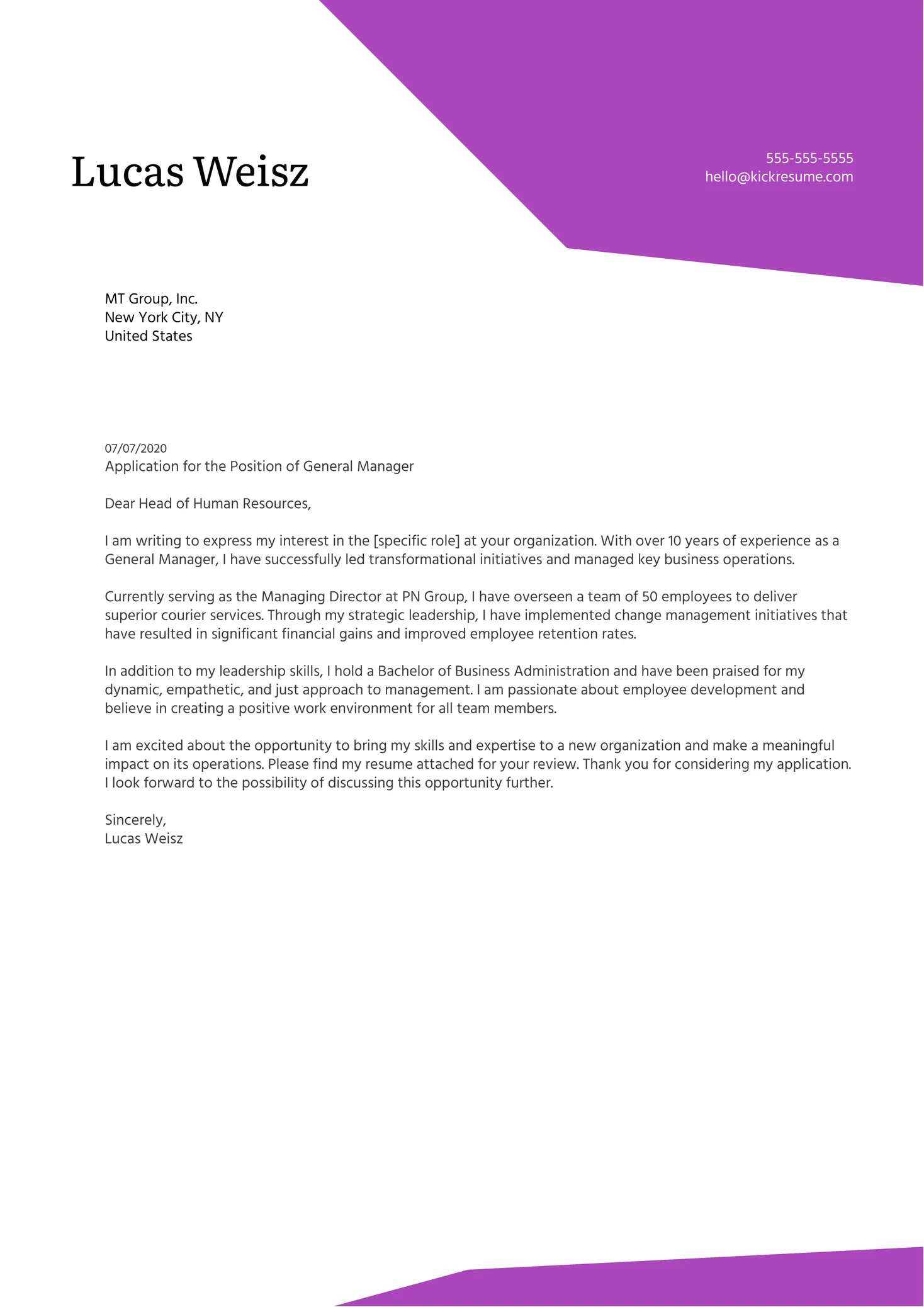
Cover Letter Sample for Success
A cover letter is more than just a formality; it’s your first impression. It’s a vital opportunity to demonstrate your personality, skills, and enthusiasm for a role. Unlike a resume, which is a summary of your experience, a cover letter allows you to expand on your qualifications, connect your skills to the specific job requirements, and explain why you’re a perfect fit for the company. A well-crafted cover letter can significantly increase your chances of getting an interview. This guide provides a comprehensive cover letter sample, offering insights into structure, content, and best practices to help you create a compelling letter that grabs the attention of hiring managers and sets you apart from other applicants. By following these guidelines, you can effectively showcase your value and increase your chances of landing your dream job.
Understand the Purpose
The primary purpose of a cover letter is to introduce yourself to a potential employer and express your interest in a specific position. It’s your chance to communicate why you’re the ideal candidate and how your skills and experience align with the job’s requirements. A strong cover letter complements your resume by providing context, demonstrating your personality, and highlighting the value you bring to the company. It should be tailored to each job application, showcasing your understanding of the role and your genuine interest in the organization. Consider it a marketing tool that sells your unique qualifications and persuades the hiring manager to invite you for an interview. The aim is not just to present your qualifications but to build a connection, demonstrating that you are a well-suited candidate and worth considering further.
Highlight Your Skills

In your cover letter sample, emphasize the skills and experiences that are most relevant to the job you’re applying for. Carefully review the job description and identify the key requirements. Then, in your letter, showcase how your skills and experiences meet those requirements. Use specific examples to illustrate your abilities and achievements. Quantify your accomplishments whenever possible, such as by stating the percentage of sales you increased or the number of projects you successfully managed. This approach not only highlights your capabilities but also provides concrete evidence of your potential value to the company. For example, instead of just saying you have “excellent communication skills”, describe a situation where you effectively communicated to resolve an issue or achieve a specific goal. This specificity makes your claims more believable and memorable.
Research the Company
Before writing your cover letter, thoroughly research the company and the role you are applying for. Understanding the company’s mission, values, and recent achievements will help you tailor your letter to demonstrate your genuine interest and suitability. Visit the company’s website, read news articles about them, and explore their social media profiles. Identify the company’s specific needs and challenges and then align your skills and experiences to show how you can contribute to their success. This shows you’ve gone the extra mile to understand their business. In your cover letter, mention specific projects or initiatives that align with the company’s goals. This approach demonstrates that you are not just looking for a job, but are genuinely interested in contributing to their mission.
Formatting and Structure
Header and Contact Information

Start your cover letter with a professional header that includes your contact information. This typically includes your full name, phone number, email address, and optionally, your LinkedIn profile URL. Use a clear and easy-to-read font, such as Arial or Times New Roman, and maintain consistent formatting throughout the letter. Following this, include the date and the hiring manager’s name and title, if known. If the hiring manager’s name is not available, use the title of the role or a general greeting, such as “Dear Hiring Manager.” Accurate and well-formatted contact information ensures that the hiring manager can easily reach you for an interview or further communication. Ensure your email address sounds professional; avoid using nicknames or unprofessional terms.
Opening Paragraph
The opening paragraph of your cover letter should immediately capture the reader’s attention. Start by stating the position you are applying for and where you found the job posting. Briefly mention why you are interested in the role and the company. This is your chance to make a strong first impression, so make it count. Be enthusiastic and demonstrate your knowledge of the company and the role. Clearly state your objective and express your enthusiasm. Consider including a short, impactful statement that showcases your key qualifications or highlights a specific achievement. This sets the tone for the rest of your letter and encourages the hiring manager to continue reading. Keep it concise, engaging, and directly related to the job and company.
Body Paragraphs
The body of your cover letter should expand on your qualifications and experiences, demonstrating how they align with the job requirements. Use 2-3 paragraphs to elaborate on your skills, achievements, and any relevant experience. Provide specific examples that illustrate your abilities and highlight your accomplishments. Quantify your achievements whenever possible, using data and metrics to demonstrate your impact. Tailor the content to each job application, emphasizing the skills and experiences that are most relevant to the role. Use action verbs to describe your accomplishments and make your writing more dynamic. Ensure that each paragraph has a clear focus and supports your overall message. Explain how your skills and past experiences will translate into success in the new role.
Closing Paragraph

In the closing paragraph, express your enthusiasm for the opportunity and reiterate your interest in the position. Thank the hiring manager for their time and consideration. Include a call to action, such as stating that you are available for an interview and look forward to discussing your qualifications further. Reiterate your contact information or offer to provide additional details as needed. End with a professional closing, such as “Sincerely” or “Best regards,” followed by your full name. Keep the tone professional and confident. Review the entire letter to ensure it flows well and ends on a positive note. Your closing paragraph should reinforce your value as a candidate and encourage the hiring manager to take the next step.
Key Elements of a Great Cover Letter
Personalization
A great cover letter is always personalized to the specific job and company. Avoid using generic templates that can be easily identified by hiring managers. Tailor each letter to highlight the specific skills and experiences that align with the job requirements. Mention the company by name and show that you understand their mission and values. Addressing the hiring manager by name, if possible, also adds a personal touch. Demonstrate your interest in the role by researching the company and referencing specific projects or initiatives. Show that you’ve invested time and effort in crafting the letter, rather than just sending a generic application. Personalization makes your cover letter more relevant and shows the hiring manager that you are truly interested in the role and the company.
Show, Don’t Tell

Instead of simply stating your skills and qualities, use specific examples to demonstrate your abilities. Avoid using vague statements like “I am a hard worker” or “I have strong leadership skills.” Instead, provide concrete examples of your accomplishments and how you’ve used your skills to achieve results. Quantify your achievements whenever possible to make your claims more compelling. For example, describe a project where you led a team to achieve a specific goal, or mention the percentage by which you increased sales. Show the hiring manager how your skills and experience have made a difference in the past, and how they can contribute to the company’s success. This approach provides concrete evidence of your value and makes your claims more believable.
Proofreading and Editing
Before submitting your cover letter, carefully proofread and edit it for any errors in grammar, spelling, and punctuation. Typos and grammatical errors can create a negative impression and undermine your credibility. Read your letter multiple times, and consider having a friend or colleague review it as well. Use a grammar and spell-checker tool, but remember that these tools are not always perfect and may not catch all errors. Ensure that the formatting is consistent and professional, and that the letter is easy to read. Pay close attention to the tone of your writing, ensuring that it is professional and appropriate for the job and company. A well-proofread and edited cover letter demonstrates attention to detail and professionalism, which can significantly improve your chances of getting an interview.
Common Mistakes To Avoid
Generic Cover Letters

One of the most common mistakes is using a generic cover letter that is not tailored to the specific job or company. Hiring managers can easily spot generic letters, and they are often discarded. Avoid using templates without making significant adjustments to fit the specific role. Research the company and the role, and then customize your letter to highlight your relevant skills and experiences. Address the hiring manager by name, if possible, and mention specific projects or initiatives that resonate with the company’s goals. Show that you have taken the time to understand the role and the company’s needs, making your application stand out. Always personalize your cover letter to increase its impact and effectiveness.
Typos and Grammatical Errors
Typos and grammatical errors can undermine your credibility and create a negative impression. Proofread your cover letter carefully before submitting it. Use a grammar and spell-checker tool, but also read the letter multiple times to catch any errors that the tool may miss. Ask a friend or colleague to review your letter as well, as a fresh pair of eyes can often spot mistakes that you may have overlooked. Ensure that your writing is clear, concise, and professional. A well-written and error-free cover letter demonstrates attention to detail and professionalism, and it significantly improves your chances of getting an interview. Always take the time to proofread and edit your cover letter before submitting it.
Ignoring the Job Description
Failing to address the requirements outlined in the job description is a significant mistake. The job description is your guide to what the hiring manager is looking for. Carefully review the job description and identify the key skills, experiences, and qualifications that are required. Tailor your cover letter to highlight how your skills and experiences meet those requirements. Use the same keywords and phrases from the job description to demonstrate that you are a good fit for the role. Provide specific examples of your accomplishments that are relevant to the job requirements. By addressing the job description, you show the hiring manager that you understand the role and are well-suited to perform the job. This demonstrates that you have taken the time to understand the role and are genuinely interested in the position.
Conclusion and Final Review

Writing a great cover letter is essential for any job application. By understanding the purpose of a cover letter, highlighting your skills, researching the company, and following the proper formatting and structure, you can create a compelling document that grabs the attention of hiring managers. Avoid common mistakes such as using generic letters, making typos, and ignoring the job description. Proofread and edit your cover letter carefully before submitting it. Always personalize your cover letter to each job application to increase its impact and effectiveness. Review your cover letter sample one last time to ensure that it is free of errors and presents your qualifications effectively. With a well-crafted cover letter, you can significantly improve your chances of landing an interview and securing your dream job.