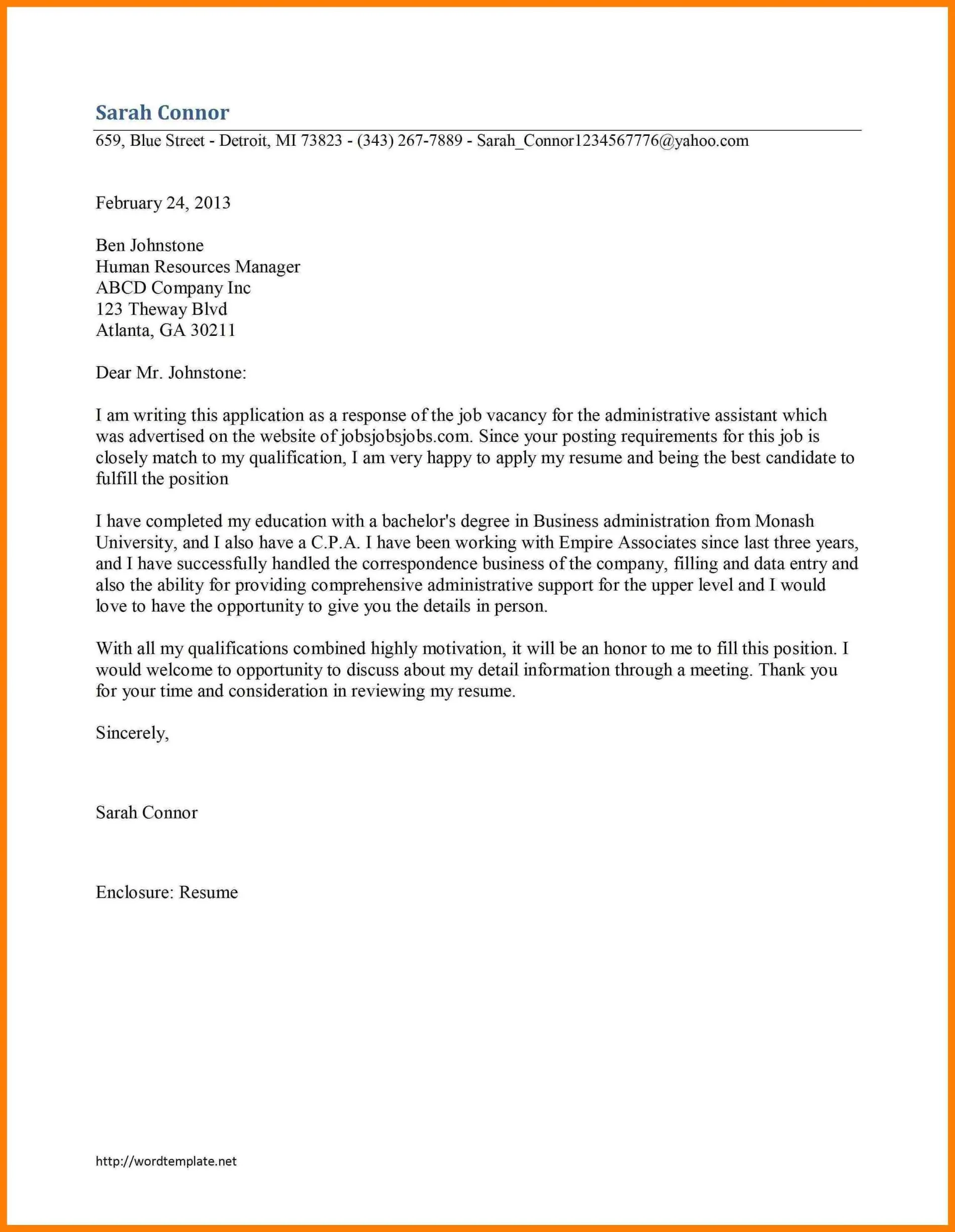
What is a Cover Letter for an Internal Position?
An internal position cover letter is a specialized document crafted to highlight your qualifications and express your interest in a job opportunity within your current company. Unlike external cover letters, which often focus on demonstrating your suitability for a new organization, internal cover letters emphasize your existing knowledge of the company, your proven track record, and your commitment to its values. This type of cover letter provides an opportunity to showcase your understanding of the company’s culture, your internal network, and your ability to contribute to the organization’s continued success. By tailoring your cover letter to the specific requirements of an internal position, you demonstrate a genuine desire to advance within the company and a clear understanding of its internal dynamics. This shows you have put in the effort to learn about the role and the company, which shows strong initiative.
Key Differences between Internal and External Cover Letters
While both internal and external cover letters serve the same fundamental purpose – to introduce you and your qualifications to a potential employer – they differ significantly in their approach and content. External cover letters typically focus on demonstrating your suitability for a role within a new organization, emphasizing your skills, experience, and accomplishments that align with the job description. They may also include a section on why you are interested in the company. In contrast, internal cover letters leverage your existing relationship with the company to showcase your understanding of its culture, your proven contributions, and your commitment to its values. This internal approach includes details about your prior history within the organization. The focus shifts from introducing yourself to reminding the hiring manager of your existing value and highlighting your aspirations for continued growth within the company. This difference in approach means that the language, tone, and specific content of each type of cover letter must be carefully tailored to maximize its impact.
Emphasizing Internal Achievements

When applying for an internal position, your cover letter is a golden opportunity to highlight your achievements within the company. Focus on specific projects, tasks, or initiatives where you’ve made a significant contribution, such as exceeding performance goals, streamlining processes, or leading successful teams. Provide concrete examples of your accomplishments and how they benefited the company. By emphasizing your internal achievements, you demonstrate your value to the organization and showcase your ability to deliver results, which will immediately catch the attention of any hiring manager. Don’t just list your job duties; instead, describe your impact on the company. Use action verbs and quantify your accomplishments whenever possible to make your achievements even more compelling. This will allow the hiring team to quickly assess your worth to the organization.
Quantifying Your Accomplishments
Quantifying your accomplishments is a powerful way to demonstrate the impact you’ve made in your current role. Rather than simply stating that you ‘improved customer satisfaction,’ provide specific data points like ‘increased customer satisfaction scores by 15% within six months.’ This approach makes your achievements more tangible and allows the hiring manager to better understand the value you bring to the table. Consider using metrics such as sales figures, project completion rates, cost savings, or the number of people you’ve trained or mentored. Include percentages, dollar amounts, or other quantifiable data to support your claims. This precision paints a vivid picture of your contributions and sets you apart from other candidates. For instance, instead of saying you ‘managed social media accounts,’ state that you ‘increased social media engagement by 20% and grew followers by 10% within a year.’
Showcasing Your Company Knowledge
One of the key advantages of applying for an internal position is your existing knowledge of the company. Use your cover letter to demonstrate a deep understanding of the company’s mission, values, and strategic goals. Mention specific projects or initiatives you’ve been involved in and how they align with the company’s objectives. Show that you’re aware of the current challenges and opportunities the company faces and how you can contribute to addressing them. Doing this communicates to the hiring manager that you are invested in the company’s success, which shows initiative and commitment. Furthermore, highlight your familiarity with the company culture, internal processes, and key stakeholders. This shows that you can quickly adapt to the new role and contribute from day one, and shows your commitment to the organization’s core values.
Highlighting Your Career Goals

In your cover letter, clearly articulate your career goals and how this internal position aligns with your long-term aspirations. Explain why you’re interested in the role, what you hope to achieve, and how you believe you can contribute to the team’s success. This demonstrates a clear vision for your future within the company. Discuss your professional development plans and how you’re taking the initiative to learn new skills and gain additional experience. Mentioning your goals shows that you are not just looking for a job, but a career with the company, and that you are committed to your own professional development. Showcase your enthusiasm for the opportunity and your eagerness to contribute to the company’s future success. This makes you a highly attractive candidate and sets you apart from others.
Essential Components of an Internal Cover Letter
An effective internal cover letter comprises several essential components that work together to make a strong case for your candidacy. These include a well-crafted header, a compelling opening paragraph, well-structured body paragraphs, and a professional closing. Each section plays a crucial role in conveying your qualifications, experience, and enthusiasm for the position. Ensuring each section is written carefully will help get you one step closer to your goal. By paying close attention to each of these components, you can increase your chances of making a positive impression and securing an interview.
Header Section
Your cover letter header should be professional and include essential contact information. Start with your full name, followed by your job title and department within the company. Include your internal email address and phone number. If the company uses a specific format for cover letters, adhere to it. The header should be clearly formatted, easy to read, and consistent with other company documents. The correct header shows attention to detail, which shows your professionalism, and is a basic but important step in making a great impression. This section ensures the hiring manager can easily reach you if they want to proceed further with your application. Ensuring the header is correct shows professionalism.
Opening

The opening paragraph of your cover letter is your first chance to make a strong impression. Immediately state the position you’re applying for and how you learned about the opportunity. If you were referred by someone within the company, mention their name to add credibility. Express your enthusiasm for the role and highlight your understanding of the company’s needs. This initial section sets the tone for the rest of your cover letter. You can emphasize your familiarity with the company and showcase your excitement for the opportunity. This will also help in securing the interest of the hiring manager, and show them you have a clear goal in mind, which is to work within the organization.
Body Paragraphs
The body paragraphs are where you showcase your qualifications and achievements. Use separate paragraphs to highlight your relevant skills, experience, and accomplishments. Provide specific examples and quantify your achievements whenever possible. Tailor each paragraph to the requirements of the job description, emphasizing how your skills align with the role. Mention any projects or initiatives where you’ve made a significant contribution. Be sure to highlight your knowledge of the company’s values and strategic goals, and explain how you can contribute to the team’s success. Each paragraph should support your overall message and demonstrate your value to the company, and why you should be selected over all other internal candidates.
Closing
The closing paragraph should be professional and express your gratitude for the opportunity. Reiterate your interest in the position and reiterate your commitment to the company. Include a call to action, such as expressing your availability for an interview and a desire to discuss your qualifications further. End with a professional closing such as ‘Sincerely’ or ‘Best regards’, followed by your full name. Ensure your contact information is readily available. A strong closing reinforces your interest and leaves a lasting positive impression. It shows you respect the interviewer’s time and makes it easy for them to contact you. It should also indicate your eagerness to move forward with the hiring process.
Tailoring Your Cover Letter

Tailoring your cover letter to each specific job application is essential for maximizing your chances of success. Never use a generic cover letter; instead, customize it to align with the specific requirements and qualifications outlined in the job description. Carefully review the job posting and identify the key skills, experiences, and qualifications the company is seeking. Highlight how your background aligns with these requirements, providing specific examples of your relevant accomplishments and how they relate to the role. If possible, tailor your cover letter to the hiring manager and address it to them directly. Use the company’s language and tone, and emphasize your understanding of the company’s culture and values. Doing this shows the hiring manager you are serious about the position. By tailoring your cover letter, you show that you’ve put in the time and effort to understand the role and the company and that you are genuinely interested in the opportunity.
Formatting your Internal Cover Letter
Proper formatting can significantly enhance your cover letter’s readability and impact. Use a professional and easy-to-read font, such as Arial or Times New Roman, with a font size between 10 and 12 points. Maintain consistent margins and spacing throughout the document. Use headings and subheadings to break up the text and make it easier to scan. Ensure your cover letter is well-organized, with a clear structure and logical flow. Proofread carefully for any grammatical errors or typos. By focusing on formatting, you can ensure your cover letter is both visually appealing and easy to read, enhancing your chances of making a positive impression. A well-formatted cover letter shows attention to detail.
Highlighting Skills and Experiences
In your cover letter, be sure to highlight the skills and experiences that align with the requirements of the internal position. Analyze the job description and identify the key skills the hiring manager is seeking. Then, showcase your relevant skills and experience, providing concrete examples to demonstrate your capabilities. Use keywords from the job description to make your application more likely to pass through applicant tracking systems. Be specific about your accomplishments and how they relate to the role. If you have experience with any relevant software, tools, or technologies, be sure to mention them. Demonstrate your ability to collaborate with different teams, manage projects, and deliver results. This will increase your chances of being selected over the other internal candidates.
Research the Role and Company

Before submitting your cover letter, thoroughly research the role and the company. Review the job description carefully and identify the key responsibilities, qualifications, and skills required. Learn about the company’s mission, values, and strategic goals. If possible, research the hiring manager or the team you’ll be working with. Understanding the role and the company shows that you are invested in the organization. Use this research to tailor your cover letter and demonstrate your knowledge of the company and its needs. Mention specific projects, initiatives, or challenges the company is facing and how you can contribute to addressing them. This level of preparation sets you apart from other candidates and showcases your genuine interest in the opportunity.
Reviewing Cover Letter Samples
Reviewing cover letter samples can provide valuable insights and guidance as you craft your own. Look for examples of successful internal cover letters. Pay attention to how the candidates highlight their skills, experience, and accomplishments, and how they tailor their letters to the specific roles. Analyze the structure, language, and tone used in the samples and see how they present their qualifications. Use these examples as a starting point and customize your own cover letter to reflect your unique strengths and experiences. Remember to adapt the samples to your particular situation and avoid simply copying and pasting content. Use the samples to develop your own style and create a cover letter that is both effective and authentic. Doing this can increase your chances of getting selected.