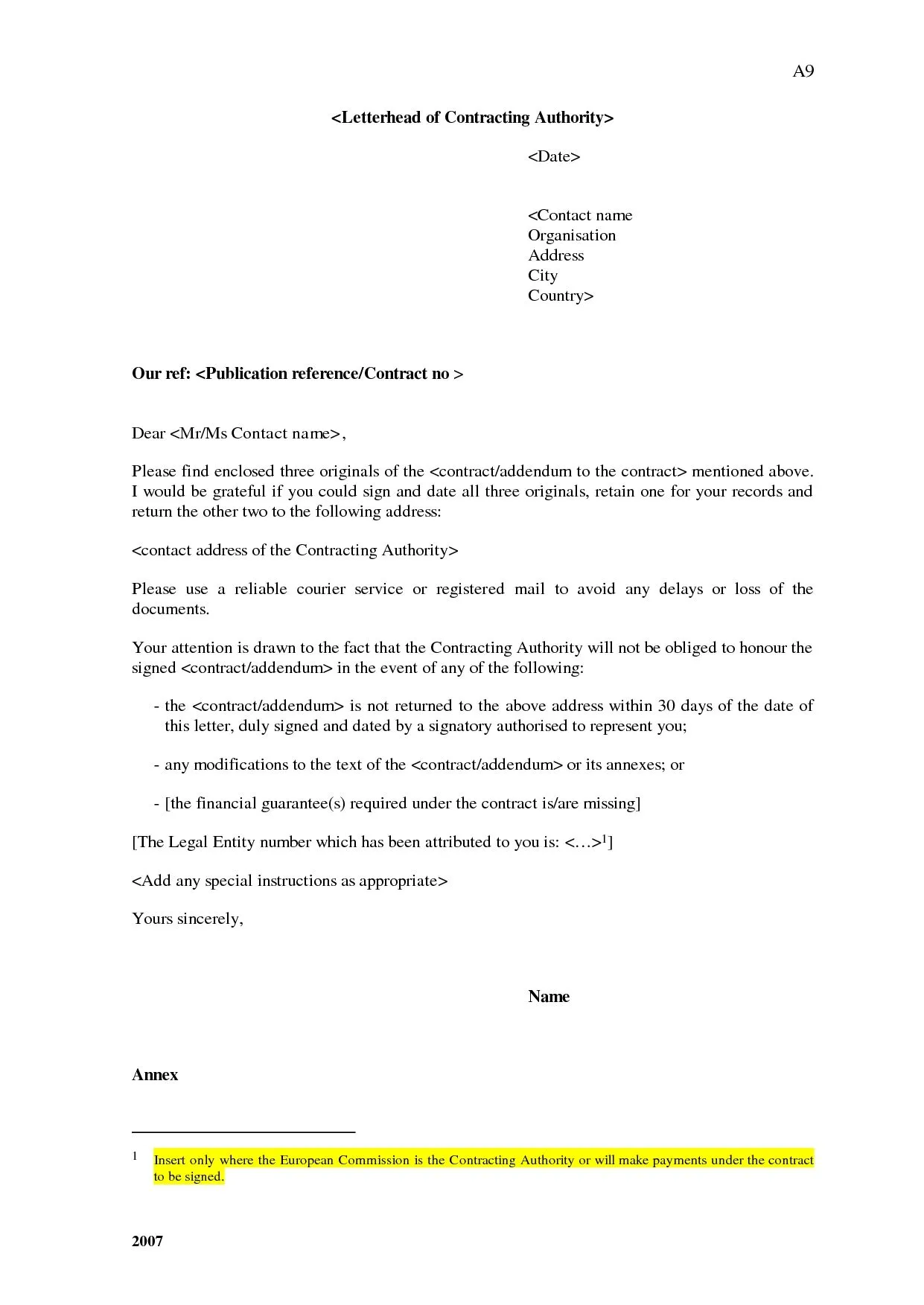
Cover Letter Secrets How to Get Hired
In the competitive world of job applications, a well-crafted cover letter can be your secret weapon. It’s your chance to make a strong first impression, showcase your unique value proposition, and persuade the hiring manager to read your resume. This article reveals the secrets to writing a cover letter that gets you noticed and ultimately helps you land the job you desire. Discover how to highlight your strengths, avoid common pitfalls, and create a compelling narrative that sets you apart from the competition. Prepare to transform your job search and unlock your potential with the perfect cover letter.
Understanding the Importance of a Cover Letter
Many job seekers underestimate the power of a cover letter, but it serves a vital role in the hiring process. It’s more than just a formality; it’s your opportunity to personalize your application and make a direct connection with the hiring manager. While your resume provides a snapshot of your qualifications, your cover letter allows you to tell a story, explain your career aspirations, and demonstrate your genuine interest in the role and the company. A well-written cover letter shows that you’ve done your research and are genuinely enthusiastic about the opportunity.
Why a Cover Letter is Crucial

A cover letter is crucial because it provides context to your resume. It explains how your skills and experiences align with the specific job requirements. It also allows you to address any potential concerns, such as gaps in your employment history or a career change. It offers an opportunity to highlight soft skills like communication, problem-solving, and teamwork. A strong cover letter can significantly improve your chances of getting an interview, even if your resume isn’t perfect. It is your chance to stand out from the crowd.
What Makes a Cover Letter Effective
An effective cover letter is tailored to the specific job and company. It’s concise, compelling, and free of errors. It highlights your most relevant skills and experiences and showcases your enthusiasm for the role. It should also reflect your personality and writing style. A well-crafted cover letter is not just a summary of your resume; it’s a persuasive narrative that tells the hiring manager why you’re the perfect fit for the job. Proofread carefully to ensure it is error-free and impactful.
Crafting Your Cover Letter
Crafting a compelling cover letter requires careful planning and execution. It’s not a one-size-fits-all document; it must be customized for each application. The goal is to provide a clear, concise, and engaging presentation of your qualifications and interest in the position. The structure of the cover letter plays a crucial role in its effectiveness. A well-organized letter is easier to read and understand, making it more likely to capture the reader’s attention and leave a positive impression.
Researching the Company

Before you start writing, thoroughly research the company. Understand their mission, values, and recent projects. This information will help you tailor your letter to demonstrate your genuine interest and show how your skills align with their goals. Visit their website, read news articles about them, and check their social media presence. Knowing the company’s culture and the specific requirements of the job will allow you to craft a cover letter that resonates with the hiring manager and increases your chances of being noticed.
Tailoring Your Letter to the Job
Every cover letter should be tailored to the specific job you’re applying for. Carefully review the job description and identify the key requirements and qualifications. Then, highlight your relevant skills and experiences that match those requirements. Use the same keywords and phrases from the job description to demonstrate your understanding of the role. Avoid sending generic cover letters; instead, customize each one to demonstrate how you can meet the specific needs of the position and company.
Highlighting Relevant Skills and Experience
Use your cover letter to showcase your most relevant skills and experiences. Don’t just list your responsibilities; provide specific examples of your achievements and how you’ve contributed to past successes. Quantify your accomplishments whenever possible. For instance, instead of saying “Managed social media,” say “Increased social media engagement by 40% in six months.” Use action verbs to describe your roles and achievements to make them more impactful and memorable. This will provide concrete evidence of your capabilities.
Formatting and Structure

The formatting and structure of your cover letter are crucial for making it easy to read and understand. Use a professional font like Arial or Times New Roman, and keep the font size between 10 and 12 points. The letter should be single-spaced with one-inch margins. Divide your letter into clear paragraphs to organize your thoughts. Avoid large blocks of text; keep paragraphs concise and focused. Use a clear and concise structure to make your cover letter as easy to read as possible.
The Opening Paragraph
The opening paragraph is your opportunity to grab the reader’s attention. Start with a strong statement that immediately captures their interest. State the position you are applying for and where you found the job posting. Briefly mention why you’re excited about the opportunity and the company. This paragraph sets the tone for the entire letter and motivates the reader to continue. Make it clear and compelling from the start.
Body Paragraphs
The body paragraphs are where you showcase your skills, experience, and qualifications. Focus on the most relevant aspects of your background and how they align with the job requirements. Provide specific examples of your achievements and quantify your results whenever possible. Use the STAR method (Situation, Task, Action, Result) to structure your examples and demonstrate your problem-solving abilities. This detailed approach shows how your experiences make you a strong fit for the position.
The Closing Paragraph

Your closing paragraph should reiterate your interest in the position and the company. Thank the hiring manager for their time and consideration. Express your eagerness to discuss your qualifications further in an interview. Include a call to action, such as “I look forward to hearing from you soon.” End with a professional closing, such as “Sincerely” or “Respectfully,” followed by your name.
Avoiding Common Mistakes
Many cover letters fall short due to common mistakes. Avoiding these errors can significantly improve your chances of success. Make sure to proofread your work and tailor your letter to the specific job. Review for typos and grammatical errors, lack of enthusiasm, and failing to highlight your unique qualifications. Avoiding these common pitfalls will show you are professional and increase your chances of getting an interview.
Generic Cover Letters
Sending a generic cover letter is one of the biggest mistakes you can make. These letters lack personalization and fail to demonstrate your interest in the specific role or company. Always tailor your cover letter to the job and the company, showing that you have done your research and understand their needs. Showcasing that you have a genuine interest in the role makes your cover letter more effective and demonstrates that you are serious about the opportunity.
Typos and Grammatical Errors

Typos and grammatical errors can undermine your credibility and make you appear careless. Always proofread your cover letter carefully before submitting it. Use a spellchecker, but don’t rely on it completely; it won’t catch all errors. Have someone else review your letter for you. A clean, error-free cover letter shows that you pay attention to detail and are a professional.
Lack of Enthusiasm
Your cover letter should convey your enthusiasm for the job and the company. A lack of enthusiasm can make you seem unmotivated. Show your excitement by highlighting what interests you about the role, the company’s mission, or the industry. Use positive and engaging language to create a compelling narrative and capture the hiring manager’s attention. Conveying enthusiasm is critical to show that you are interested in the role.
Failing to Proofread
Failing to proofread is a costly mistake. Even minor errors can create a negative impression. Always proofread your cover letter several times. Read it aloud to catch any awkward phrasing or errors. Having a fresh pair of eyes review your letter can also help you identify mistakes you might miss. Proper proofreading is essential to ensuring your cover letter is professional.
Best Practices for Cover Letter

Following best practices will help you create a cover letter that stands out. Highlight your key accomplishments, quantify your achievements, and use action verbs to create a compelling narrative. By implementing these practices, you can create a strong cover letter that will improve your chances of success and help you land your dream job. Effective cover letters focus on clarity, engagement, and showcasing your most relevant skills.
Use Action Verbs
Using action verbs in your cover letter will make it more dynamic and engaging. Start your sentences with strong verbs that describe your accomplishments and responsibilities. Examples include “managed,” “developed,” “implemented,” “achieved,” and “led.” Action verbs make your writing more impactful and show that you’re proactive and results-oriented. They also add a sense of energy to your narrative, making it more captivating.
Show, Don’t Tell
Instead of simply stating your skills, show the hiring manager how you’ve used those skills to achieve results. Provide specific examples from your past experiences that demonstrate your abilities. Use the STAR method (Situation, Task, Action, Result) to structure your examples. This approach provides concrete evidence of your skills and highlights your problem-solving capabilities and work ethic. Instead of saying you are a good leader, give an example of how you led a team to success.
Quantify Your Achievements
Quantify your achievements whenever possible. Instead of saying, “Improved customer service,” say, “Improved customer service ratings by 20%.” Numbers provide concrete evidence of your impact and make your accomplishments more compelling. Use metrics, percentages, and specific results to demonstrate your value to the company. This will make your cover letter more persuasive and memorable.
Keeping it Concise
Keep your cover letter concise and focused. Hiring managers often have limited time, so it’s crucial to get your point across quickly. Aim for one page, and focus on the most important information. Use clear, concise language and avoid unnecessary jargon. Respect the reader’s time by providing a brief, well-organized presentation of your qualifications. Get your points across as quickly as possible.
Cover Letter: The Final Review
Before submitting your cover letter, take the time for a final review. Ensure your cover letter is tailored to the specific job and company, free of errors, and highlights your key qualifications. Make sure that it tells a compelling story that showcases your enthusiasm and how you are the perfect fit for the role. Proofread one last time to ensure your application is polished and professional. A well-crafted cover letter is your first step to landing your dream job.