Cover Letter Secrets How to Get the Job
In the competitive world of job hunting, a well-crafted cover letter is your secret weapon. It’s your first impression, a chance to make a lasting impact, and a key factor in securing that all-important interview. But what separates a good cover letter from a great one? This guide reveals the secrets to crafting cover letters that not only get noticed but also land you the job. From understanding its power to avoiding common mistakes, we’ll walk you through everything you need to know to make your application stand out.
Understanding the Power of a Cover Letter
Why a Cover Letter Matters

A cover letter is more than just a formality; it’s your opportunity to tell your story. While your resume lists your qualifications, a cover letter allows you to explain why you’re the perfect fit for the specific role and the company. It demonstrates your personality, your enthusiasm, and your understanding of the job requirements. It provides context, allowing you to connect your skills and experiences to the employer’s needs. A strong cover letter can set you apart from other applicants and significantly increase your chances of getting an interview. Furthermore, it shows initiative and a proactive approach to the job application process.
What Recruiters Look For
Recruiters and hiring managers are looking for more than just a list of skills. They want to see that you understand the company, the role, and the challenges they face. They’re looking for passion, a genuine interest in the opportunity, and the ability to communicate effectively. A well-written cover letter should demonstrate your understanding of the job description, highlight relevant skills and experiences, and showcase your personality. It should clearly articulate why you’re a good fit for the company culture and how you can contribute to their success. Recruiters often look for evidence of critical thinking, problem-solving abilities, and the ability to work as part of a team.
Structuring Your Cover Letter
Contact Information and Greeting

Start with your contact information (name, phone number, email, and optionally, your LinkedIn profile URL) at the top. Then, address the hiring manager by name if possible. Researching the hiring manager’s name shows initiative. Use a professional greeting such as “Dear Mr./Ms./Mx. [Last Name]” Avoid generic greetings like “To Whom It May Concern.” If you cannot find a specific name, “Dear Hiring Manager” is a safe alternative. Ensuring your greeting is correct sets a professional tone from the start, and demonstrates your attention to detail. Double-check the spelling of the hiring manager’s name to avoid any embarrassing errors.
Opening Paragraph: Grab Attention
The opening paragraph is your first chance to grab the reader’s attention. Start with a strong statement that immediately captures the reader’s interest. You could mention the specific role you’re applying for, express your excitement about the opportunity, or reference something specific that caught your eye in the job description. Clearly state your purpose for writing and provide a brief overview of your key qualifications. Keep it concise and compelling, setting the tone for the rest of your letter. Consider starting with a compelling achievement or a skill directly relevant to the job requirements, immediately demonstrating the value you can bring to the company.
Body Paragraphs: Showcasing Skills
The body paragraphs are where you showcase your skills, experience, and accomplishments. Use specific examples to illustrate how you meet the job requirements. Quantify your achievements whenever possible (e.g., “Increased sales by 15%,” “Managed a team of 10 employees”). Tailor your examples to match the requirements of the specific role. Highlight the skills and experiences most relevant to the job description. Structure your paragraphs logically, using the STAR method (Situation, Task, Action, Result) to provide context and demonstrate your abilities effectively. Show, don’t just tell; demonstrate your value through concrete examples.
Closing Paragraph: Call to Action

The closing paragraph should summarize your interest in the role and reiterate your key qualifications. Express your enthusiasm for the opportunity and clearly state your next step. Include a call to action, such as expressing your availability for an interview and thanking the hiring manager for their time and consideration. Keep it concise and professional. Avoid generic phrases and maintain a positive and confident tone. End with a professional closing, such as “Sincerely” or “Best regards,” followed by your name.
Tailoring Your Cover Letter
Researching the Company
Before writing your cover letter, research the company thoroughly. Understand their mission, values, and culture. Visit their website, read their “About Us” section, and explore their social media profiles. This knowledge will allow you to tailor your letter to their specific needs and demonstrate your genuine interest. Find out about their recent projects, news, and achievements. Mentioning specific company initiatives shows you have taken the time to understand their business. Understanding their core values helps you align your skills and experiences to their needs. Make sure to reference the company’s goals and how your skills align.
Highlighting Relevant Skills and Experience

Carefully review the job description and identify the key skills and experiences the employer is looking for. Then, highlight your relevant qualifications in your cover letter. Use specific examples to demonstrate how you’ve used these skills in the past and the results you achieved. Quantify your achievements whenever possible. Tailor your examples to directly address the requirements of the job. Focus on the most important skills and experiences, and avoid including irrelevant information. Align your qualifications with the specific requirements outlined in the job description to show that you understand the role and the company’s needs.
Using Keywords Effectively
Use keywords from the job description throughout your cover letter. This helps ensure that your application gets noticed by Applicant Tracking Systems (ATS), which many companies use to screen applications. However, avoid keyword stuffing. Your cover letter should read naturally, and the keywords should be integrated seamlessly. Place keywords strategically, such as in your opening paragraph, body paragraphs, and closing paragraph. Use synonyms to avoid repetition and maintain a natural flow. The goal is to show the ATS that you are a good match for the role while still providing a compelling and readable cover letter.
Formatting and Presentation
Choosing the Right Font and Size

Choose a professional and easy-to-read font, such as Times New Roman, Arial, or Calibri. The font size should be between 10 and 12 points. Ensure that your cover letter is visually appealing. Use clear headings and subheadings, and maintain consistent spacing throughout the document. Avoid using overly decorative fonts or unconventional formatting, as they can distract from the content. The formatting should make it easy for the hiring manager to quickly scan and understand your key qualifications. Maintain a clean and uncluttered layout that reflects your professionalism and attention to detail.
Proofreading and Editing
Proofread your cover letter carefully for any typos, grammatical errors, and punctuation mistakes. Errors can create a negative impression and undermine your credibility. Use a grammar checker and ask a friend or family member to review your letter as well. Ensure that your tone is professional and that your writing style is clear and concise. Check the formatting and make sure the document is easy to read. Correct any inconsistencies. Thorough proofreading is crucial to ensuring that your cover letter reflects your attention to detail and professionalism. Double-check all names, titles, and company information.
Cover Letter Examples and Templates
General Cover Letter Template

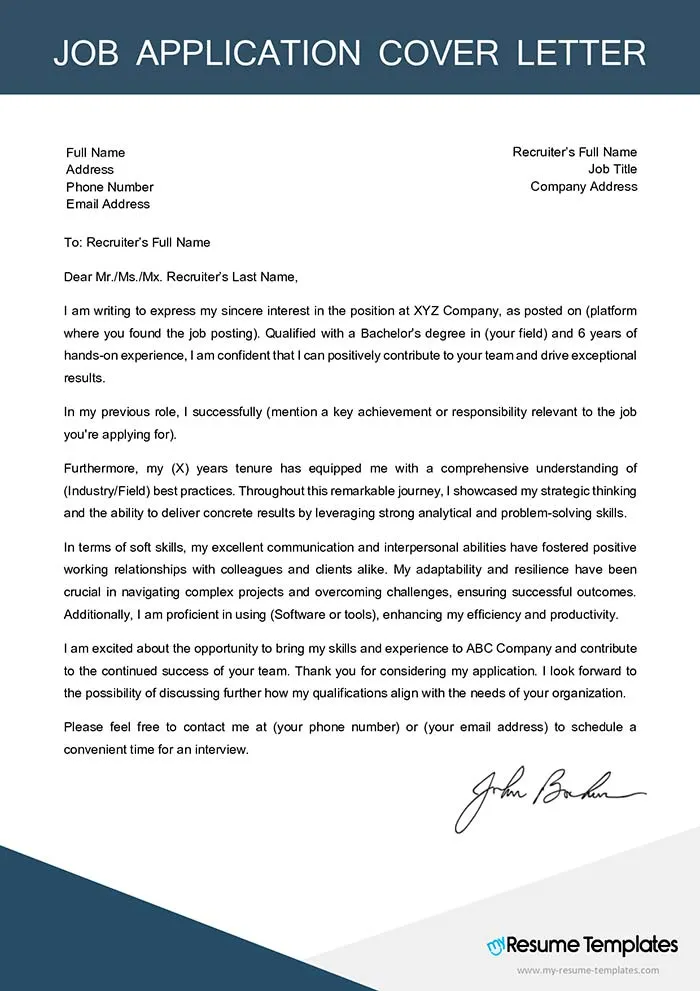
A general cover letter template provides a basic structure that can be adapted for various job applications. It typically includes sections for your contact information, the hiring manager’s information (if known), an opening paragraph, body paragraphs highlighting your skills and experience, and a closing paragraph with a call to action. You can easily customize a template to match the specific job requirements and the company’s culture. Always tailor the template to demonstrate your understanding of the role and the company. Using a template can save you time and ensure that you include all the essential elements of a cover letter. Make sure to edit the template to match the specific job requirements and the company’s culture.
Cover Letter Example for Entry-Level Positions
For entry-level positions, focus on highlighting your academic achievements, relevant coursework, internships, volunteer experiences, and transferable skills. Demonstrate your enthusiasm, your willingness to learn, and your eagerness to contribute to the company. Be sure to emphasize any projects or experiences that align with the job requirements. Highlight your soft skills, such as communication, teamwork, and problem-solving abilities. Express your excitement to learn and grow within the organization. Tailor the language to reflect your understanding of the industry and the entry-level nature of the role. Consider including any relevant extracurricular activities or personal projects that demonstrate your passion and initiative.
Cover Letter Example for Experienced Professionals
For experienced professionals, highlight your relevant work experience, accomplishments, and quantifiable results. Use specific examples to showcase your expertise and demonstrate your ability to deliver results. Tailor your letter to the specific job requirements and the company’s needs. Emphasize your leadership skills, your ability to manage projects, and your contributions to previous employers. Quantify your achievements wherever possible, using metrics to showcase your impact (e.g., increased sales by a certain percentage, reduced costs, or improved efficiency). Use industry-specific language and jargon to demonstrate your expertise and understanding of the field. Highlight your achievements and show how you can bring value to the new role.
Cover Letter Dos and Don’ts
Things to Include
- Your contact information
- The hiring manager’s name (if known)
- A strong opening paragraph that grabs attention
- Relevant skills and experience
- Specific examples and quantifiable achievements
- A clear call to action
- A professional closing
Things to Avoid
- Typos and grammatical errors
- Generic language
- Irrelevant information
- Using the same cover letter for all applications
- Exceeding one page in length
- Negative language or complaints
- Being overly casual or informal
Common Cover Letter Mistakes
Ignoring the Job Description
Failing to address the specific requirements and keywords outlined in the job description is a critical mistake. Your cover letter should demonstrate a clear understanding of the role and highlight how your skills and experience align with the employer’s needs. Not tailoring your letter to the job description indicates a lack of interest or attention to detail. Always carefully review the job description and use it as a guide for your cover letter. Ensure that your letter specifically addresses the requirements and keywords mentioned in the job description. Show the employer that you understand the role and how you can contribute.
Using Generic Language
Using generic phrases and clichés (e.g., “I am a hard worker” or “I am a team player”) makes your cover letter unmemorable. The cover letter should be tailored to the specific job and demonstrate your unique skills and experiences. Avoid generic statements that could apply to any candidate. Instead, use specific examples and anecdotes to showcase your abilities and personality. Provide evidence to back up your claims and make your cover letter stand out. Demonstrate your value through concrete examples that highlight your unique contributions and achievements.
Typos and Grammatical Errors
Typos and grammatical errors are a major turn-off for recruiters. They demonstrate a lack of attention to detail and can undermine your credibility. Always proofread your cover letter carefully before submitting it. Use a grammar checker and ask a friend or family member to review it as well. Double-check the spelling of the hiring manager’s name and company information. Ensure that your writing is clear, concise, and error-free. A polished and professional cover letter is a key factor in making a positive first impression. Make sure that your cover letter is free of errors to enhance your chances of getting the interview.
Frequently Asked Questions about Cover Letters
How long should a cover letter be
Aim for one page. Recruiters often have limited time to review applications, so keep your cover letter concise and to the point. Focus on the most relevant information and avoid unnecessary details. Ensure that your letter is well-formatted, easy to read, and visually appealing. You can often fit all of the essential information within a single page if you organize the content clearly. Prioritize the key points that demonstrate your fit for the role and the company. Keep the reader engaged and make the most of the limited space.
Should I send a cover letter via email
Yes, always send a cover letter via email unless the job posting specifically states otherwise. Your cover letter should be in a professional format and attached to your email. Include a brief, personalized email message to the hiring manager introducing yourself and mentioning the attached cover letter and resume. Ensure that the attached files are in a common format, such as PDF, to ensure compatibility. Proofread your email before sending it to avoid any errors. A well-formatted email with an attached cover letter shows professionalism and attention to detail.
When should I not send a cover letter
You should always send a cover letter unless the job posting specifically states that one is not required. Some online application systems may not allow you to attach a cover letter. However, if the option is available, always include a cover letter to show your interest and provide context for your application. If a job posting specifically states “no cover letter required”, it’s best to follow the instructions. In most cases, a cover letter is an essential part of the job application process, as it gives you a chance to connect with the employer and highlight your qualifications. Always check the job posting requirements and follow the instructions carefully to ensure you are not overlooked.