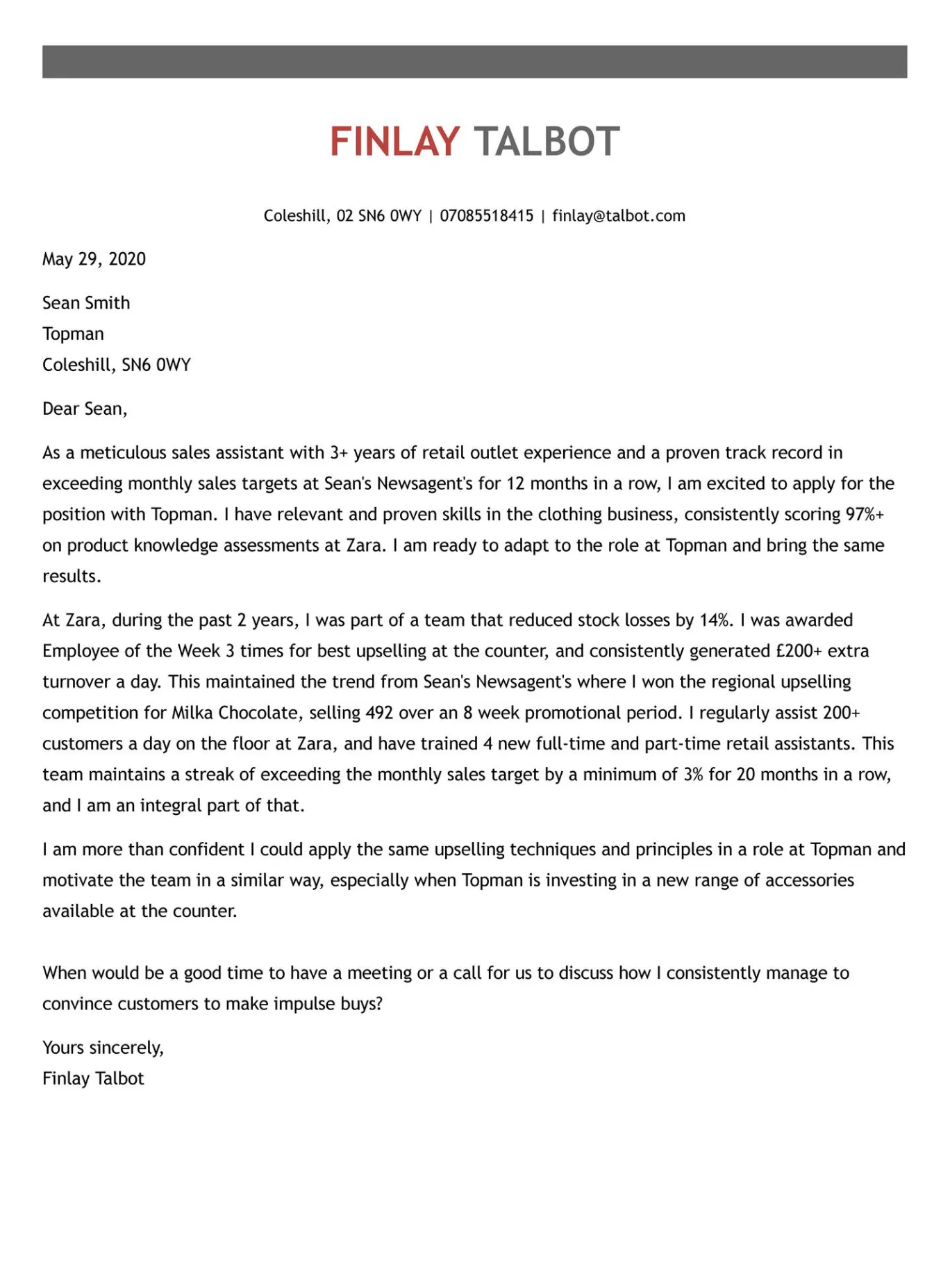
In today’s competitive job market, a well-crafted cover letter is no longer optional it’s essential. It’s your first opportunity to make a positive impression on a potential employer, providing context to your resume and showcasing your personality and skills. A great cover letter does more than just list your qualifications; it tells a story, demonstrates your genuine interest in the role, and highlights why you’re the ideal candidate. This guide reveals the secrets to writing a cover letter that impresses employers, helping you stand out from the competition and land your dream job. We’ll cover everything from the fundamental importance of a cover letter to formatting, proofreading, and understanding Applicant Tracking Systems (ATS).
Why a Cover Letter is Still Essential
Despite the rise of online applications and streamlined hiring processes, a cover letter remains a vital tool in your job search arsenal. It offers a space to explain your career goals, address any potential gaps in your resume, and articulate why you’re specifically interested in the position and the company. A cover letter provides a glimpse into your communication skills, personality, and how you approach professional situations. It helps you to personalize your application, showing the hiring manager that you’ve taken the time to understand their needs and tailor your message accordingly. In a world of automated applications, a well-written cover letter signals that you’re serious about the opportunity and willing to go the extra mile. The cover letter also gives you an edge over other applicants.
Making a Strong First Impression
Your cover letter’s opening paragraph sets the tone for the rest of your application. It’s your chance to grab the hiring manager’s attention and make them want to learn more about you. Start with a strong hook that immediately captures interest, such as a compelling statement about your career goals, a specific achievement related to the job, or a unique insight into the company. Avoid generic greetings like ‘Dear Sir/Madam’; instead, find the hiring manager’s name and address them directly. In the first few sentences, clearly state the position you’re applying for and how you learned about it. Then, concisely summarize your relevant skills and experience and express your enthusiasm for the opportunity. This initial impression can determine whether your application gets a second look or is immediately passed over. Be confident, professional, and show your personality!
Highlighting Your Key Skills and Experience

Your cover letter should be a targeted showcase of your skills and experience, specifically tailored to the job description. Identify the key requirements and keywords listed in the job posting, and then demonstrate how your qualifications align. Don’t simply restate your resume; instead, use the cover letter to elaborate on your accomplishments and quantify your results. Provide specific examples of how you’ve successfully utilized your skills in past roles and the positive impact you made. For instance, if the job requires strong communication skills, describe a situation where you effectively communicated complex information to a diverse audience, resulting in a positive outcome. This targeted approach, using examples, proves your capabilities and convinces the hiring manager you can excel in the role. This way, the employer is aware of your previous experience.
Tailoring Your Cover Letter to the Job
Generic cover letters are easily identified and often dismissed. The key to an impressive cover letter is tailoring it to each specific job you apply for. Carefully review the job description and identify the key requirements, skills, and values the employer seeks. Then, adjust your cover letter to reflect these specific needs. Use the language and keywords from the job posting to demonstrate your understanding of the role and the company. Highlight the experiences and accomplishments that are most relevant to the position. Showing that you’ve taken the time to understand what the employer is looking for demonstrates your genuine interest and attention to detail. Personalization is crucial, which makes you stand out from the other applicants. The employer has to believe you are the perfect candidate.
Researching the Company and Showing Interest
Demonstrating your knowledge of the company is a powerful way to impress employers. Before you start writing your cover letter, research the company’s mission, values, and recent achievements. Visit their website, read articles, and explore their social media presence. In your cover letter, mention specific aspects of the company that resonate with you and align with your career goals. For example, if the company recently launched a new initiative, mention it and express your interest in contributing to that project. This demonstrates that you’re genuinely interested in the opportunity and have taken the initiative to learn more about the organization. This shows that you care about the company and are willing to go the extra mile to do your research.
Crafting a Compelling Opening

The opening of your cover letter is your chance to grab the hiring manager’s attention immediately. Instead of a generic opening, use a compelling hook that piques their interest. Start with a specific accomplishment that aligns with the job requirements. For instance, if you’re applying for a marketing role, you could begin by mentioning a successful marketing campaign you led in a previous position. Another effective opening is to express your enthusiasm for the company and the role. This can be done by stating the position you are applying for, how you learned of the opportunity, and then summarising your skills and experience. This shows that you are eager and professional. Be sure to state the position to ensure they know what role you are applying for.
Demonstrating Your Value to the Employer
Your cover letter should clearly articulate the value you bring to the employer. Focus on what you can do for them, not just what you’ve done in the past. Highlight your skills and experience in a way that demonstrates how they will benefit the company. Quantify your achievements whenever possible by using numbers to illustrate your success. For example, instead of saying, “Improved sales,” say, “Increased sales by 20% in one quarter.” This provides tangible evidence of your abilities and shows the hiring manager the potential impact you can make. By focusing on the value you offer, you’ll position yourself as a valuable asset to the team. Focus on the employer’s needs and how you can help meet them.
Showcasing Your Achievements and Accomplishments
While your resume lists your job history, your cover letter provides the space to elaborate on your accomplishments. Provide specific examples of your achievements and quantify your results whenever possible. Use the STAR method (Situation, Task, Action, Result) to structure your examples. This helps you effectively describe the situation you faced, the task you were assigned, the actions you took, and the positive result you achieved. This storytelling approach is more engaging and memorable than simply listing responsibilities. It allows you to show, not just tell, the hiring manager what you’re capable of. Focus on the achievements that are most relevant to the job requirements and that demonstrate your ability to excel in the role.
Writing a Professional Closing

The closing of your cover letter is your final opportunity to leave a lasting impression. Keep it concise and professional. Reiterate your interest in the position and express your enthusiasm for the opportunity. Include a call to action, such as stating that you’re eager to discuss your qualifications further in an interview. Thank the hiring manager for their time and consideration. Be sure to include your contact information, including your phone number and email address, so they can easily reach you. End with a professional closing, such as “Sincerely” or “Best regards.” A well-crafted closing reinforces your professionalism and eagerness. Also, the closing is a nice way to end the cover letter.
Proofreading and Editing Your Cover Letter
Typos, grammatical errors, and formatting inconsistencies can damage your credibility and undermine your application. Before submitting your cover letter, proofread it carefully. Check for any errors in grammar, spelling, punctuation, and sentence structure. It is important to make sure that it’s perfect. Ask a friend, family member, or career counselor to review your cover letter for a second pair of eyes. They might catch errors you missed. Pay close attention to formatting, ensuring that the text is well-organized, easy to read, and visually appealing. A polished, error-free cover letter shows that you pay attention to detail and take pride in your work. Your hard work will pay off, which is why this is so crucial. It’s the final step before you submit it.
Formatting for Maximum Impact
The visual presentation of your cover letter is just as important as its content. Use a professional and easy-to-read font, such as Times New Roman, Arial, or Calibri, with a font size between 10 and 12 points. Use clear formatting with ample white space to make the document easy to read. Avoid long blocks of text by breaking up paragraphs and using bullet points to highlight key information. If submitting the cover letter electronically, save it as a PDF to preserve the formatting and ensure it appears as intended on all devices. The format of your cover letter will determine whether the employer will read it. A poorly formatted cover letter will decrease the chances of an interview. Make sure to choose the proper format.
Understanding Applicant Tracking Systems (ATS)

Many companies use Applicant Tracking Systems (ATS) to screen applications, so it’s important to optimize your cover letter for these systems. These systems scan your document for keywords and phrases related to the job description. To ensure your cover letter passes through the ATS, use keywords and phrases from the job posting throughout your letter. Avoid excessive formatting, such as tables, graphics, and unusual fonts, as these can sometimes confuse ATS. While tailoring your cover letter for ATS is important, don’t sacrifice readability and clarity. Make sure your cover letter still sounds natural and remains compelling for a human reader. The formatting might have to change slightly to work with the ATS.
Cover Letter Keywords Optimize for Success
One of the most important secrets to writing an impressive cover letter is strategic keyword optimization. The hiring manager can scan it quickly. Carefully analyze the job description and identify the most important keywords and phrases. These are the terms that the employer uses to describe the skills, experience, and qualifications they are seeking. Then, weave those keywords naturally throughout your cover letter, especially in the introduction, key skills sections, and closing. This ensures that your application will be noticed by both human readers and Applicant Tracking Systems (ATS). However, avoid keyword stuffing. The cover letter should still read naturally and focus on showcasing your value and telling your story. Choose keywords that align with your skills.
In conclusion, crafting a cover letter that impresses employers is an art and a science. By following these secrets, you can create a compelling cover letter that highlights your skills, experience, and personality, helping you to stand out from the competition. Remember to tailor your cover letter to each job, research the company, and focus on the value you bring. Proofread carefully, optimize for Applicant Tracking Systems, and always present yourself in a professional and enthusiastic manner. The effort you put into your cover letter can significantly increase your chances of landing an interview and ultimately, your dream job.