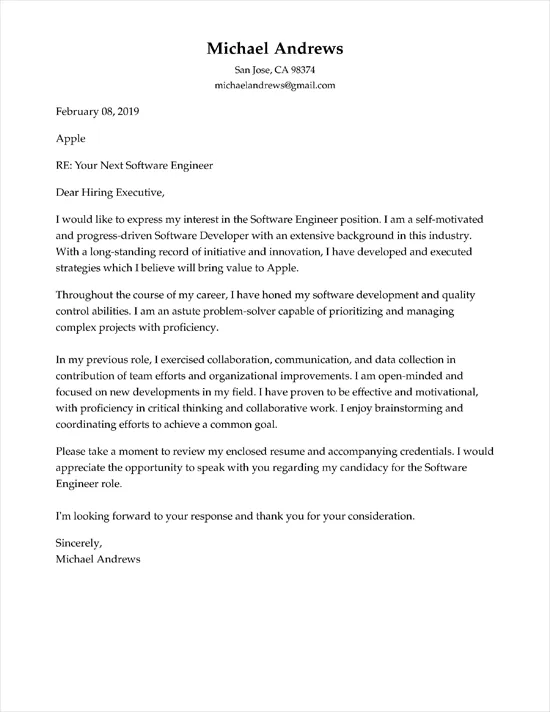
Cover Letter Secrets Unveiled
In the competitive world of job applications, a cover letter is not just a formality – it’s your first and often most critical opportunity to make a strong impression. Think of it as your personal marketing document, designed to showcase your value and compel the hiring manager to read your resume. This guide unveils the hidden secrets of cover letter writing, transforming a standard document into a powerful tool that can significantly increase your chances of landing your dream job. Mastering these techniques will set you apart from the competition and position you for success. Let’s dive into the key strategies that make a cover letter truly stand out.
Crafting a Compelling Cover Letter
Crafting a compelling cover letter is a delicate art, requiring a strategic approach that goes beyond simply restating your resume. It’s about telling a concise, engaging story that connects your skills and experiences directly to the needs and aspirations of the prospective employer. Your goal should be to capture the reader’s attention, demonstrate genuine interest, and build a strong case for why you are the perfect fit. To achieve this, focus on clarity, relevance, and enthusiasm. Every sentence should have a purpose, highlighting your unique value proposition. Let’s explore the essential components that will help you craft a cover letter that resonates with hiring managers.
Understanding the Purpose of a Cover Letter

The primary purpose of a cover letter is to introduce yourself to the hiring manager and explain why you’re the best candidate for the job. It provides context to your resume, allowing you to elaborate on your accomplishments and tailor your qualifications to the specific role. A well-written cover letter demonstrates your personality, communication skills, and your understanding of the company and the role. It’s your chance to create a personal connection and demonstrate that you have the necessary skills and the enthusiasm to succeed. Remember, the cover letter is your first opportunity to make a lasting impression, so make it count.
Tailoring Your Cover Letter to the Job
One of the most common mistakes job seekers make is sending generic cover letters. Each cover letter should be customized to the specific job and company you are applying for. This involves carefully reviewing the job description and identifying the key skills, experiences, and qualifications the employer is seeking. Then, you must highlight your relevant qualifications by providing specific examples from your past that align with the job requirements. Research the company and demonstrate your understanding of their mission, values, and goals. Showing that you have taken the time to tailor your cover letter to the specific job will show that you have genuine interest and pay attention to detail, setting you apart from candidates who send out mass applications.
Highlighting Relevant Skills and Experiences
Your cover letter is the ideal space to showcase the skills and experiences that make you a strong candidate. Don’t just list your qualifications; provide specific examples of how you’ve used your skills and achieved results in past roles. This could involve describing projects you’ve led, problems you’ve solved, or successes you’ve achieved. The key is to provide concrete evidence that backs up your claims. Quantify your achievements whenever possible, using numbers and data to demonstrate the impact of your work. This will make your cover letter more compelling and memorable. For instance, instead of saying, “Managed a team,” say “Managed a team of 10, increasing productivity by 15% within six months.”
Showcasing Achievements and Quantifiable Results

Employers want to know what you can do for them. Therefore, make sure to emphasize your achievements and quantify your results whenever possible. Rather than simply listing your responsibilities, focus on your accomplishments and how you made a difference in your previous roles. Use numbers, percentages, and other metrics to demonstrate the impact of your work. For example, “Increased sales by 20%,” “Reduced customer complaints by 10%,” or “Managed a budget of $500,000.” Quantifiable results not only highlight your value but also provide concrete evidence of your ability to deliver results. This will grab the hiring manager’s attention and make you a more attractive candidate.
Using Action Verbs to Demonstrate Impact
Action verbs are your best friends in a cover letter. They bring your experiences to life and make your accomplishments sound more dynamic and impactful. Begin your sentences with strong action verbs that describe what you did, such as ‘managed,’ ’led,’ ‘created,’ ‘developed,’ ‘implemented,’ ‘achieved,’ ‘improved,’ or ‘increased.’ For example, instead of writing, “Responsible for managing social media,” write “Managed social media campaigns, resulting in a 30% increase in follower engagement.” Action verbs make your cover letter more engaging and help you demonstrate your capabilities clearly and concisely. This helps the hiring manager quickly understand your contributions and the value you bring to the role.
Cover Letter Formatting and Design
The formatting and design of your cover letter is just as important as its content. A well-formatted cover letter is easy to read, visually appealing, and professional-looking. It should reflect your attention to detail and your understanding of professional communication. Use a clear, readable font, such as Times New Roman, Arial, or Calibri, and maintain consistent formatting throughout the document. Avoid using overly decorative fonts or layouts that might distract the reader. Pay attention to the margins, spacing, and alignment to create a clean and organized appearance. Proofread carefully to eliminate any typos or grammatical errors. Your goal is to create a cover letter that is both informative and visually appealing.
Choosing the Right Font and Layout

The choice of font and layout can significantly impact the readability and overall impression of your cover letter. Choose a professional and easy-to-read font, such as Arial, Times New Roman, or Calibri. The font size should be between 10 and 12 points. Use a clean, uncluttered layout with consistent margins and spacing. Consider using bullet points to highlight key achievements or skills. The goal is to create a document that is easy on the eyes and allows the reader to quickly grasp the most important information. Avoid using too many different fonts or font sizes, as this can make your cover letter look unprofessional. A well-designed layout enhances the readability and professionalism of your cover letter.
Ensuring Readability and Visual Appeal
Readability is key to ensuring that your cover letter is easily understood. Break up large blocks of text with paragraphs, headings, and bullet points. Use white space effectively to avoid a cluttered appearance. Keep sentences and paragraphs concise and to the point. Proofread carefully for any errors in grammar, spelling, or punctuation. A visually appealing cover letter is more likely to capture the reader’s attention and leave a positive impression. Consider using a professional-looking template or creating your own layout to ensure your cover letter stands out. Remember that every detail, from the font choice to the spacing, contributes to the overall visual appeal and readability of your cover letter.
The Art of Writing a Strong Opening
The opening of your cover letter is critical, as it is your first opportunity to grab the reader’s attention. A strong opening should immediately state the position you are applying for and briefly explain why you are a great fit. Avoid generic openings like, “I am writing to express my interest…” Instead, try to create a statement that immediately captures the reader’s interest and showcases your enthusiasm. Consider starting with a compelling statement about your skills or a specific achievement that relates to the job requirements. A well-crafted opening sets the tone for the rest of your cover letter and motivates the hiring manager to read further.
Grabbing the Reader’s Attention Immediately

To grab the reader’s attention immediately, avoid clichés and generic phrases. Instead, start with a strong statement that highlights your most relevant skills or a significant achievement. You can also mention something specific that attracted you to the company or the role. Consider referencing a project you completed or a problem you solved that aligns with the job’s requirements. The goal is to demonstrate that you have not only the skills but also the passion and motivation to excel in the position. Make your opening personal and tailored to the specific job and company. A creative and engaging opening will make your cover letter stand out from the crowd.
Clearly Stating Your Objective and Enthusiasm
In your opening, clearly state the position you are applying for and express your genuine enthusiasm for the opportunity. Make it evident that you are excited about the prospect of joining the company and contributing to its success. Highlight why the role interests you and what you hope to achieve. This demonstrates that you have done your research and are genuinely interested in the company and the position. A well-articulated objective, combined with your enthusiasm, will show the hiring manager that you are a proactive and motivated candidate. Expressing your interest in the job early on sets a positive tone and encourages the reader to continue.
Closing with a Powerful Call to Action
The closing of your cover letter is your last opportunity to make a positive impression and encourage the hiring manager to contact you. End with a strong call to action, such as expressing your interest in an interview and providing your contact information. Thank the hiring manager for their time and consideration, and reiterate your enthusiasm for the opportunity. This demonstrates professionalism and initiative. The closing should summarize your key qualifications and reiterate your value proposition. Ensure your contact information is accurate and easy to find so that the hiring manager can easily reach out to you. A well-crafted closing will increase your chances of landing an interview.
Expressing Gratitude and Offering Contact Information

Always express your gratitude to the hiring manager for their time and consideration. Thank them for reviewing your application and acknowledge the effort they put into the hiring process. In addition to expressing gratitude, make sure to provide your contact information clearly and concisely. Include your phone number and email address, and ensure they are up-to-date. Consider including a link to your LinkedIn profile or online portfolio, if applicable. This allows the hiring manager to easily reach you and learn more about your qualifications. Providing contact information in the closing ensures the hiring manager has all the necessary information to take the next steps.
Reiterating Your Interest in the Position
Reiterate your strong interest in the position one last time in the closing of your cover letter. Re-emphasize why you are the perfect fit for the role and how your skills and experiences align with the company’s needs. Restate your enthusiasm for the opportunity and highlight your eagerness to contribute to the company’s success. This reinforces your commitment and leaves a lasting positive impression. Showing how excited you are about the prospect makes you a more desirable candidate. Conclude with a confident and professional tone, leaving no doubt in the reader’s mind that you are the ideal person for the job.
Avoiding Common Cover Letter Mistakes
Avoiding common cover letter mistakes can significantly increase your chances of success. Many applicants make errors that can immediately disqualify them from consideration. Common mistakes include using generic language, failing to tailor the letter to the specific job, and making grammatical errors. A cover letter riddled with mistakes or poorly formatted is likely to end up in the rejection pile. By avoiding these common pitfalls, you can significantly improve your chances of impressing the hiring manager and securing an interview. Let’s examine some of the most frequent errors to ensure your cover letter shines.
Generic and Unfocused Cover Letters

Generic cover letters are a major turn-off for hiring managers. These letters lack the personalization needed to make a strong impression. Avoid using a generic opening or closing. Instead, research the company and job description and tailor your letter to demonstrate your specific understanding of the role and the company’s needs. Highlight the specific skills and experiences that are relevant to the job requirements. Show that you’ve taken the time to learn about the company and that you genuinely want to be a part of their team. A generic cover letter suggests a lack of interest and effort, while a tailored letter demonstrates your commitment and enthusiasm.
Errors in Grammar and Spelling
Grammar and spelling errors can undermine your credibility and make you appear unprofessional. Always proofread your cover letter carefully before submitting it. Use a grammar and spell checker, but don’t rely on it entirely. Read your cover letter aloud to catch any awkward phrasing or errors that the software might miss. Ask a friend, family member, or career counselor to review your cover letter as well. Proofreading ensures your cover letter is polished and error-free, showing that you pay attention to detail. Errors can make a negative impression, so take the time to ensure your letter is perfect.
Failing to Customize the Letter
A lack of customization is a fatal flaw. Sending out the same cover letter to every job you apply for signals that you have not taken the time to understand the specific requirements of the role or the company. Tailor your cover letter to each job by carefully reviewing the job description and highlighting the skills and experiences that align with the role. Customize your opening by mentioning something specific that interests you about the company. Failing to customize shows a lack of effort and can quickly lead to your application being rejected. Take the time to tailor your letter to each job.
Exaggerating or Misrepresenting Information
Exaggerating or misrepresenting information is a serious mistake that can have long-term consequences. Be honest and accurate in your cover letter. Provide true information about your skills, experiences, and achievements. Avoid making false claims, as these can be easily discovered during the interview process or even later on. Always present yourself honestly and be prepared to back up your claims. Building trust and credibility with potential employers is essential for a successful job search. Honesty and accuracy in your cover letter demonstrate your integrity and professionalism.
In conclusion, a well-crafted cover letter is a powerful tool that can significantly increase your chances of landing your dream job. By understanding the secrets to writing a compelling cover letter, you can make a strong first impression, showcase your unique qualifications, and convince the hiring manager that you’re the perfect fit for the role. Remember to tailor your cover letter to each job, highlight your relevant skills and experiences, and avoid common mistakes. Use action verbs to demonstrate impact, format your cover letter professionally, and create a strong opening and closing. By following these guidelines, you’ll be well on your way to crafting cover letters that get noticed and win you interviews. Good luck with your job search!