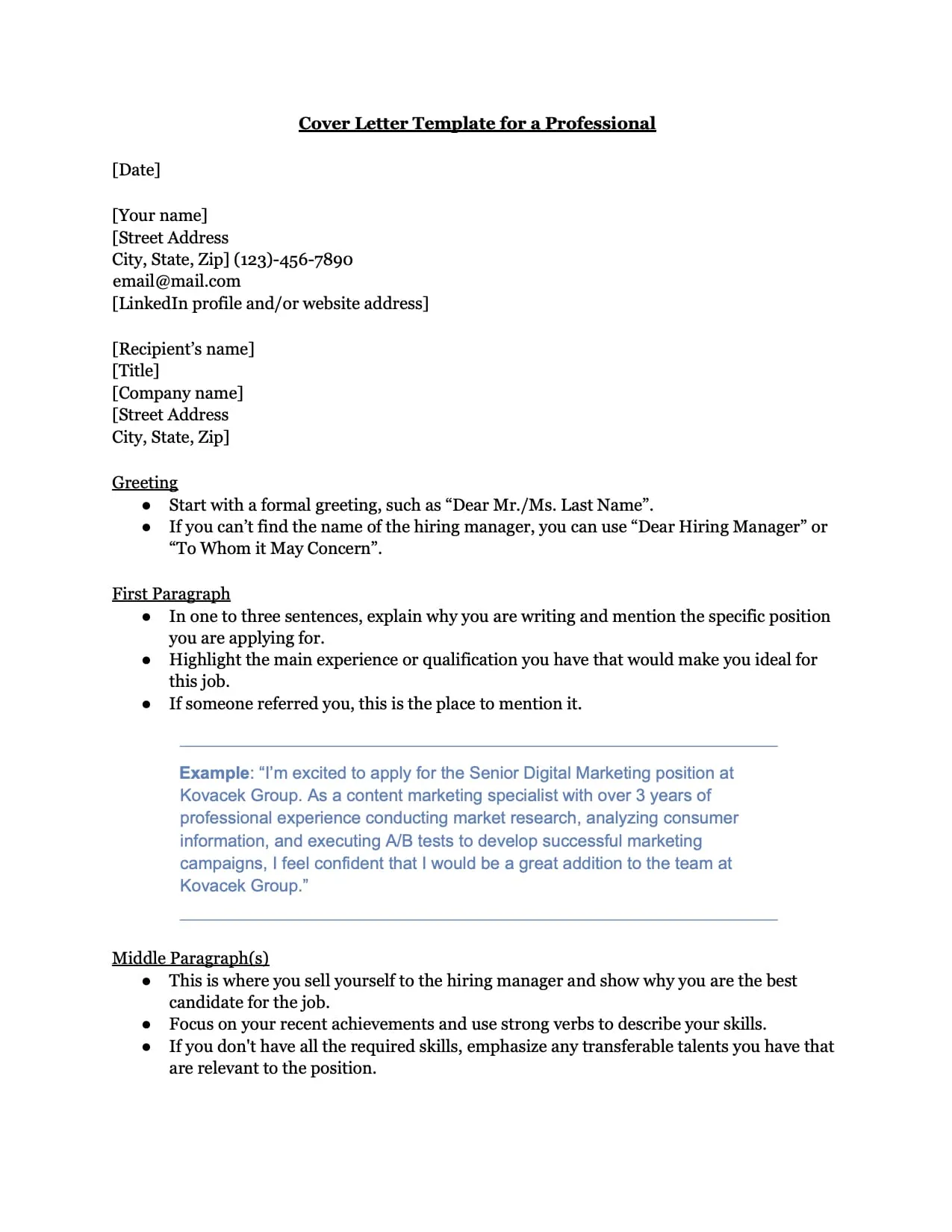
Why a Cover Letter Matters
In the competitive world of job applications, a cover letter is more than just a formality it’s your chance to make a lasting impression. While a resume provides a snapshot of your qualifications, a cover letter offers an opportunity to connect with the hiring manager on a more personal level. It allows you to showcase your personality, explain your motivations, and demonstrate why you’re the perfect fit for the role. A well-crafted cover letter can significantly increase your chances of landing an interview, setting you apart from other applicants who may only submit a resume. It’s your personal pitch, a chance to sell yourself and your skills, highlighting the value you bring to the company. A cover letter allows you to elaborate on experiences, explain gaps in your work history, and tailor your application to the specific requirements of the job. This level of personalization shows you’ve taken the time to understand the role and the company, demonstrating genuine interest and enthusiasm. Think of it as the introduction to the main act, your resume, a prelude that piques the reader’s interest and compels them to learn more.
The Power of the First Impression
The first impression is critical, and your cover letter is often the first thing a hiring manager sees. This initial interaction sets the tone for the rest of your application. A strong opening, free of errors and tailored to the job, immediately signals professionalism and attention to detail. Conversely, a poorly written or generic cover letter can land your application in the rejection pile before the hiring manager even glances at your resume. The impression you make in the first few sentences can dictate whether the hiring manager continues reading. Your opening statement should grab their attention, clearly stating your purpose and highlighting your key qualifications. It’s about convincing them that you’re worth their time. Think of it as a handshake a firm, confident grip that instantly conveys your eagerness and competence. A well-structured, error-free letter with a compelling opening demonstrates your respect for their time and your commitment to excellence, making you stand out from the competition.
Crafting a Compelling Opening

Your opening paragraph is crucial. It needs to capture the hiring manager’s attention and make them want to read further. Avoid generic phrases like “I am writing to apply for…” Instead, start with a strong statement that highlights your most relevant skill or experience. If you were referred by someone, mention their name in the first sentence. If not, express your enthusiasm for the role and the company. Clearly state the position you are applying for and where you found the job listing. Briefly explain why you are interested in the role and the company. Show that you’ve researched the company and understand their mission and values. Try to inject a bit of your personality into the opening. Let your passion for the job shine through, which demonstrates your eagerness to contribute. Always tailor your opening to match the specific job requirements and the company culture. Make it clear why you’re the right fit for the role, providing a glimpse of the value you can bring.
Addressing ‘To Whom It May Concern’ Gracefully
While “To Whom It May Concern” is a safe default, it can make your letter feel impersonal. It suggests that you haven’t put in the effort to find out who will be reading your application. If you can’t find a specific name, try to find a name through the company website, LinkedIn, or by calling the company. Addressing your letter to a specific person demonstrates your initiative and attention to detail. Research the hiring manager’s name or the name of the person in charge of hiring for the role. If you still can’t find a name, using a title, such as “Dear Hiring Manager,” is preferable to the generic phrase. However, if you absolutely must use “To Whom It May Concern,” make sure the rest of your letter is outstanding. Ensure that your skills, experience, and enthusiasm for the role and the company shine through. This will help you overcome the lack of a personalized greeting, proving you are still a strong candidate.
Alternatives to ‘To Whom It May Concern’
Several alternatives to “To Whom It May Concern” can make your cover letter more engaging. As mentioned, “Dear Hiring Manager” is a viable alternative. If you know the department, but not the specific person, you can use “Dear [Department Name] Hiring Team.” You might also use the title of the person you’re trying to reach. For example, “Dear Human Resources Director.” Always try to personalize the greeting if possible. If the job posting mentions a recruiter, you can address the letter to them. If you’ve connected with someone at the company on LinkedIn, you might use their name, or you can find the hiring manager’s name by researching on the company’s website. If the role is highly specialized, or if the company has a very formal culture, it’s generally better to use “Dear Mr./Ms./Mx. [Last Name].” Always double-check spelling and titles. Researching and using a specific name or title shows you’re serious about the opportunity and demonstrates attention to detail, making a better first impression.
Highlighting Your Key Skills

Your cover letter is the ideal place to highlight the skills most relevant to the job. Don’t just list your skills; show how you’ve used them to achieve results. Match the keywords from the job description to your own abilities and experiences. Briefly describe a time when you successfully used a particular skill to solve a problem, achieve a goal, or contribute to a team. This is where you showcase your value to the company. Use concrete examples and quantify your achievements whenever possible. Instead of saying you improved customer service, state that you reduced customer complaints by a specific percentage. This provides concrete proof of your capabilities. Your goal is to demonstrate that you not only possess the skills the employer is looking for, but that you have a proven track record of using those skills effectively. Tailor the skills you highlight to match each specific job. This demonstrates that you’ve carefully considered the requirements of the role and are a well-suited candidate.
Show, Don’t Tell
Instead of simply stating your skills, use your cover letter to show the hiring manager what you’re capable of. Instead of writing “I am a good communicator,” provide an example of how you effectively communicated, such as leading a presentation or resolving a conflict. Tell a story. Provide specific examples that illustrate your accomplishments. Use the STAR method Situation, Task, Action, Result to structure your examples. Start by setting the scene, describing the situation you faced, and the task you had to complete. Then, explain the actions you took, and the results you achieved. This approach demonstrates your abilities through evidence, making your claims more credible and memorable. By showing rather than telling, you make a more powerful impact, allowing the hiring manager to understand your capabilities and imagine you in the role. Providing real-life examples also helps to differentiate you from other candidates who might only list their skills without providing context.
Quantifying Your Achievements
Whenever possible, quantify your achievements in your cover letter. Numbers speak volumes and provide concrete evidence of your accomplishments. Instead of saying “I improved sales,” say “I increased sales by 15% in the last quarter.” Specific data is easier to understand and shows a clear impact. Quantifying achievements makes your claims more credible. Use percentages, dollar amounts, and other measurable data to demonstrate your success. Did you reduce costs, increase efficiency, or improve customer satisfaction? Include these details to provide context for your accomplishments. If you don’t have directly quantifiable data, try to estimate the impact of your work. Use metrics to show the scope of your responsibilities and the value you brought to previous roles. For example, you could say you managed a team of X people or handled a budget of Y dollars. By providing concrete numbers, you make your cover letter more compelling and help the hiring manager understand the value you bring.
Tailoring Your Letter

Avoid using a generic cover letter for every job application. Tailoring your letter to each position is crucial for showing your genuine interest and understanding of the specific requirements. Read the job description carefully and identify the key skills and experiences the employer is seeking. Then, customize your cover letter to highlight how your qualifications align with those needs. Research the company to understand their mission, values, and culture. This will help you tailor your letter to their specific needs. Consider the specific keywords in the job description and incorporate them into your cover letter. Don’t just repeat the words, but integrate them naturally into your description of your experience and accomplishments. Tailoring demonstrates you’ve invested the time to understand the role and the company, showing that you’re not just sending out mass applications. Customization increases your chances of landing an interview by demonstrating that you are a good fit.
Researching the Company
Before writing your cover letter, research the company thoroughly. Visit their website, read their “About Us” section, and explore their social media profiles. Understand their mission, values, and recent projects. Check news articles to see what they’re working on. This shows you have a genuine interest in working there. When you understand the company’s goals, you can tailor your letter to show how your skills align with their needs. Identify the company’s key priorities and the challenges they face. Mentioning specific company projects or initiatives demonstrates your interest. This will also help you to craft a more compelling application. Include details that demonstrate that you understand the company’s culture. This shows that you’ve taken the time to learn about the organization. This effort increases your chances of making a positive impression and securing an interview.
Showcasing Your Understanding
In your cover letter, go beyond just listing your skills and experience. Demonstrate a deep understanding of the role and the company’s needs. Explain how you see yourself contributing to their success. Highlight how your past experiences have prepared you to excel in this specific role. Mention your knowledge of the industry and any relevant trends or challenges. Show that you’re not just applying for a job; you’re interested in making a meaningful contribution. Show how you’re a strategic thinker. Tailor your letter to the specific requirements of the job. This demonstrates that you understand what the company is looking for. Demonstrating that you understand the role and the company sets you apart from other applicants and shows that you are prepared to contribute from day one.
The Perfect Closing

Your closing paragraph is as important as your opening. It’s your last opportunity to reinforce your interest and encourage the hiring manager to contact you. Start by reiterating your enthusiasm for the role and the company. Summarize your key qualifications and why you’re a great fit. State your availability for an interview and how the hiring manager can reach you. Thank the hiring manager for their time and consideration. Keep your closing concise and professional. Avoid clichés and keep the tone positive and confident. A strong closing leaves a lasting impression, making it easier for the hiring manager to remember you. It’s your final chance to sell yourself and reiterate your value, so make it count. A well-crafted closing reinforces your key strengths and motivates the reader to take the next step.
Expressing Enthusiasm
Expressing enthusiasm in your cover letter is important for showing that you genuinely want the job. Use positive and energetic language to convey your excitement about the opportunity. Mention the specific aspects of the job or the company that appeal to you. Explain what you’re looking forward to about the role. Demonstrate that you’ve researched the company and have a genuine interest in their work. Show that you are not just looking for a job; you are excited about the prospect of joining their team. Enthusiastic candidates are often more memorable. Enthusiasm can help overcome minor shortcomings in your qualifications and make a strong impression. This makes you a more compelling candidate.
Call to Action
Include a clear call to action in your cover letter. Make it easy for the hiring manager to know the next step. State your availability for an interview and when you can start. Provide your contact information again, making it easy for the hiring manager to get in touch. Encourage the hiring manager to review your resume and consider your application. Keep your call to action clear, concise, and professional. Avoid being overly aggressive or demanding. Use phrases like “I look forward to hearing from you soon.” A strong call to action leaves a lasting impression, making it easy for the hiring manager to remember you. It’s your final chance to sell yourself and reiterate your value, so make it count. A well-crafted call to action ensures that the hiring manager knows how to proceed and helps move your application forward.
Proofreading and Formatting

Before submitting your cover letter, proofread it carefully for any errors. Typos and grammatical mistakes can undermine your credibility and make you seem unprofessional. Use a grammar checker and spell checker to catch any mistakes. Read your cover letter aloud to catch any awkward phrasing. Ask a friend or family member to review your letter for a fresh perspective. Ensure your cover letter has a clean and professional format. Use a standard font, such as Times New Roman, Arial, or Calibri. Use a font size that is easy to read, typically 11 or 12 points. Maintain consistent margins and spacing. Use bullet points to break up large blocks of text and make your letter easier to read. Proofreading and formatting demonstrates your professionalism and attention to detail, which are crucial to securing an interview.
Ensuring Clarity and Professionalism
Your cover letter should be clear, concise, and professional. Use straightforward language and avoid jargon or overly complex sentence structures. Keep your paragraphs short and focused. Avoid using slang or informal language. Maintain a professional tone throughout the entire letter. Be polite and respectful, even when addressing a challenging issue. Ensure that your letter is easy to read and understand. Avoid using overly long or complicated sentences. Maintain a consistent tone throughout the letter, so it feels cohesive and polished. Clarity and professionalism create a positive impression, increasing your chances of landing an interview.
Avoiding Common Mistakes
There are several common mistakes to avoid in a cover letter. Avoid typos and grammatical errors, as these can damage your credibility. Don’t use a generic cover letter; customize it for each application. Avoid overly long paragraphs or rambling sentences. Don’t talk negatively about previous employers or colleagues. Avoid lying or exaggerating your qualifications. Don’t forget to include a call to action. Do not include any personal information. Don’t simply repeat the information from your resume; use your cover letter to add context and explain your motivations. By avoiding these mistakes, you can increase the effectiveness of your cover letter, boosting your chances of getting an interview.