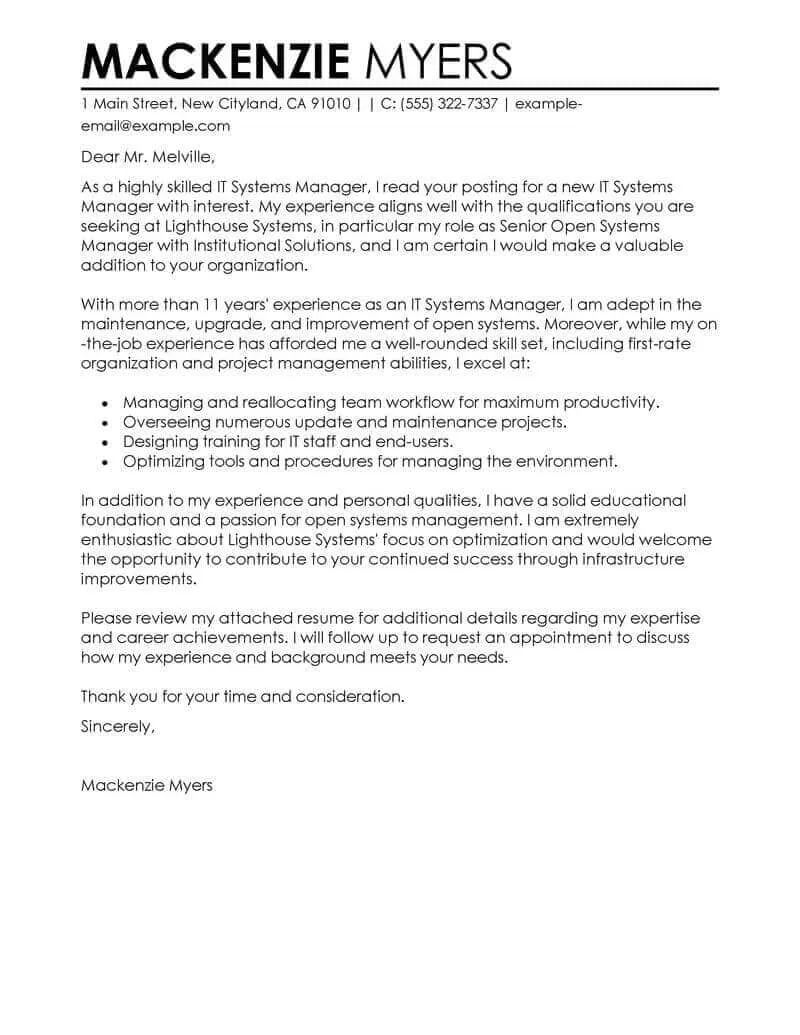
What is a Cover Letter
A cover letter is a crucial document that accompanies your resume when you apply for a job. It serves as your introduction to the hiring manager, providing a more personalized view of your qualifications and expressing your interest in the position. Unlike a resume, which offers a factual summary of your skills and experience, a cover letter allows you to showcase your personality, articulate your career goals, and explain why you are the perfect fit for the specific role and the company. It’s your opportunity to make a strong first impression and persuade the employer to read your resume and consider you for an interview. The cover letter complements your resume by providing context, demonstrating your communication skills, and highlighting the specific skills and experiences that align with the job requirements.
Why is a Cover Letter Important
In today’s competitive job market, a cover letter is more important than ever. It gives you a significant advantage over other applicants who may only submit a resume. A well-crafted cover letter demonstrates your attention to detail, your communication skills, and your genuine interest in the position and the company. It allows you to explain any gaps in your employment history, address specific requirements mentioned in the job description, and highlight the skills and experiences that make you a standout candidate. Hiring managers often use cover letters to assess your writing ability, your personality, and your overall fit with the company culture. A compelling cover letter can significantly increase your chances of getting an interview and ultimately landing the job. It is your chance to make a memorable first impression and set yourself apart from the competition. Many employers now expect a cover letter, and failing to provide one when requested can be a significant drawback.
Key Elements of a Cover Letter

A successful cover letter is comprised of several key elements that work together to present a strong and compelling case for your candidacy. The first element is a well-structured header including your contact information, the date, and the hiring manager’s information. Next comes a personalized greeting addressing the hiring manager by name whenever possible. The body of the letter contains paragraphs that highlight your relevant skills and experiences, explain your interest in the position and the company, and demonstrate how your qualifications align with the job requirements. It is extremely important to include examples in these sections. The letter should close with a professional closing, expressing your enthusiasm, and a clear call to action, such as requesting an interview. Following the correct formatting guidelines and writing a strong cover letter greatly increases your chances of success.
Header and Contact Information
The header of your cover letter is the very first thing a hiring manager sees, so it’s essential to get it right. Begin with your contact information, including your full name, address, phone number, and professional email address. Make sure your email address is professional and appropriate for a job application. After your contact information, include the date. Then, if possible, include the hiring manager’s name, title, and the company’s address. Researching the hiring manager’s name and title shows that you’ve taken the time to personalize your application, which demonstrates your interest in the position. If you’re unable to find the hiring manager’s name, address the letter to the hiring department or the specific job title. A clean, organized header sets a professional tone and makes it easy for the hiring manager to contact you.
Greeting the Hiring Manager
The greeting is your opportunity to establish a personal connection with the hiring manager. Whenever possible, address the hiring manager by name, using ‘Dear Mr./Ms./Dr. [Last Name]’. This shows that you’ve taken the initiative to find out who will be reading your application, which demonstrates thoughtfulness and attention to detail. Avoid generic greetings like ‘To Whom It May Concern’ or ‘Dear Sir/Madam’, as they can come across as impersonal and less engaging. If you are unsure of the hiring manager’s name, you can use a more general greeting like ‘Dear Hiring Manager’ or ‘Dear [Department Name] Team’. Always ensure that your greeting is respectful and professional, setting the tone for the rest of your cover letter.
The Body Paragraphs

The body paragraphs are the heart of your cover letter, where you showcase your qualifications and express your interest in the job. Start with a concise paragraph that immediately captures the hiring manager’s attention and states the position you’re applying for. In the following paragraphs, provide specific examples of your skills and experiences that align with the job requirements. Use action verbs to describe your accomplishments, and quantify your achievements whenever possible. Explain why you are interested in the position and the company, emphasizing what attracts you to the role and the organization. Tailor each paragraph to the specific job description, highlighting the keywords and skills that the employer is seeking. Maintain a professional tone throughout the body paragraphs, ensuring that your writing is clear, concise, and well-organized.
Highlighting Skills and Experience
In the body paragraphs, focus on highlighting your relevant skills and experience. Review the job description carefully and identify the key skills and qualifications that the employer is seeking. Then, provide specific examples from your past experiences where you demonstrated these skills. Quantify your achievements whenever possible by using numbers and data to illustrate your impact. For instance, instead of saying ‘Managed social media accounts’, you could say ‘Increased social media engagement by 30%’. Use the STAR method (Situation, Task, Action, Result) to structure your examples, providing context, describing your role, detailing your actions, and highlighting the positive outcomes. By demonstrating your skills and experience with concrete examples, you will create a more persuasive and compelling cover letter that sets you apart from other applicants.
Tailoring the Cover Letter to the Job
One of the most critical steps in writing a successful cover letter is tailoring it to each specific job you apply for. Avoid using a generic cover letter that you send to every employer. Instead, carefully review the job description and identify the key requirements, skills, and values that the employer emphasizes. In your cover letter, highlight the experiences and qualifications that directly align with these requirements. Show the employer how your skills and experience match what they’re looking for. Research the company and its culture to demonstrate that you understand its mission and values. Personalize your letter by addressing the hiring manager by name, if possible, and by mentioning specific aspects of the job or company that interest you. By customizing your cover letter for each application, you demonstrate that you have taken the time to understand the role and that you are genuinely interested in the opportunity.
Expressing Enthusiasm and Fit

Your cover letter should convey your enthusiasm for the position and the company. Demonstrate your excitement by expressing your interest in the job and explaining why you are drawn to it. Mention specific aspects of the role that appeal to you, and highlight how your skills and experiences align with the job requirements. Show that you’ve researched the company and understand its mission and values. Explain why you believe you would be a good fit for the company culture. Use positive and energetic language to convey your passion and motivation. A cover letter that clearly communicates your enthusiasm will make a strong impression on the hiring manager and increase your chances of being selected for an interview.
The Closing and Call to Action
The closing of your cover letter should be professional and include a clear call to action. Start by thanking the hiring manager for their time and consideration. Reiterate your interest in the position and express your confidence in your ability to contribute to the company. Include a call to action, such as requesting an interview or expressing your availability for a discussion. For example, you could say, ‘I am eager to learn more about this opportunity and discuss how my skills and experience can benefit your team. I am available for an interview at your earliest convenience.’ End your letter with a professional closing, such as ‘Sincerely’ or ‘Best regards,’ followed by your typed name. Be sure to proofread the entire cover letter before sending it to ensure there are no errors or typos.
Cover Letter Examples
Reviewing cover letter samples can provide valuable insights and guidance as you craft your own. Look for examples that are tailored to your industry and the types of roles you’re applying for. Analyze the structure, language, and tone of the successful cover letters you find. Pay attention to how the applicants highlight their skills and experiences, express their enthusiasm, and tailor their letters to the specific job requirements. Use these examples as inspiration but avoid simply copying and pasting. Instead, adapt the examples to reflect your own qualifications and personalize your cover letter to match the job and your unique personality. There are many cover letter samples available online and in career guides. Also, you can review cover letter templates and customize them to fit your specific needs.
Cover Letter Mistakes to Avoid

Avoiding common cover letter mistakes is essential for making a positive impression. One major mistake is sending a generic cover letter that isn’t tailored to the specific job. Ensure your cover letter addresses the specific requirements of the role. Another common error is including typos, grammatical errors, or spelling mistakes, so always proofread carefully. Avoid using overly formal or informal language, and ensure your tone is professional throughout. Do not exceed the recommended length of one page. Be truthful and avoid exaggerating your skills or experience. Avoid negative language or complaining about previous employers. Finally, make sure your cover letter is well-formatted and easy to read. By avoiding these mistakes, you will significantly increase your chances of creating a compelling and effective cover letter.
Grammar and Spelling
Proper grammar and spelling are critical elements of a professional cover letter. Typos, grammatical errors, and spelling mistakes can damage your credibility and make a negative impression on the hiring manager. Before submitting your cover letter, carefully proofread it for any errors. Use a spell-checker and grammar-checker tool to catch any mistakes you might have missed. Consider having a friend or family member review your cover letter for errors. Pay close attention to the correct use of punctuation, capitalization, and sentence structure. By ensuring your cover letter is free of errors, you demonstrate your attention to detail and professionalism, which are essential qualities for any job applicant.
Formatting and Layout
The formatting and layout of your cover letter contribute to its overall readability and professionalism. Use a clear and easy-to-read font, such as Arial, Times New Roman, or Calibri, with a font size between 10 and 12 points. Maintain consistent spacing and margins throughout the document. Use headings and bullet points to break up large blocks of text and make the information easier to scan. Ensure the header and closing are correctly aligned. Create a professional look that is visually appealing and reflects your attention to detail. Ensure that the document is easy to read and that the information is presented in a clear, organized manner. Remember, a well-formatted cover letter is more likely to be read and appreciated by the hiring manager.
Proofreading and Editing

Proofreading and editing are essential steps in the cover letter writing process. Before submitting your cover letter, carefully proofread it for any errors, including typos, grammatical mistakes, and spelling errors. Check the formatting, spacing, and layout to ensure everything is consistent and professional. It’s often helpful to have a fresh pair of eyes review your cover letter. Ask a friend, family member, or career advisor to read your letter and provide feedback. Consider reading your cover letter aloud to catch any awkward phrasing or errors. By taking the time to proofread and edit your cover letter, you can ensure that it is polished, professional, and error-free, which will increase your chances of making a positive impression and getting an interview.