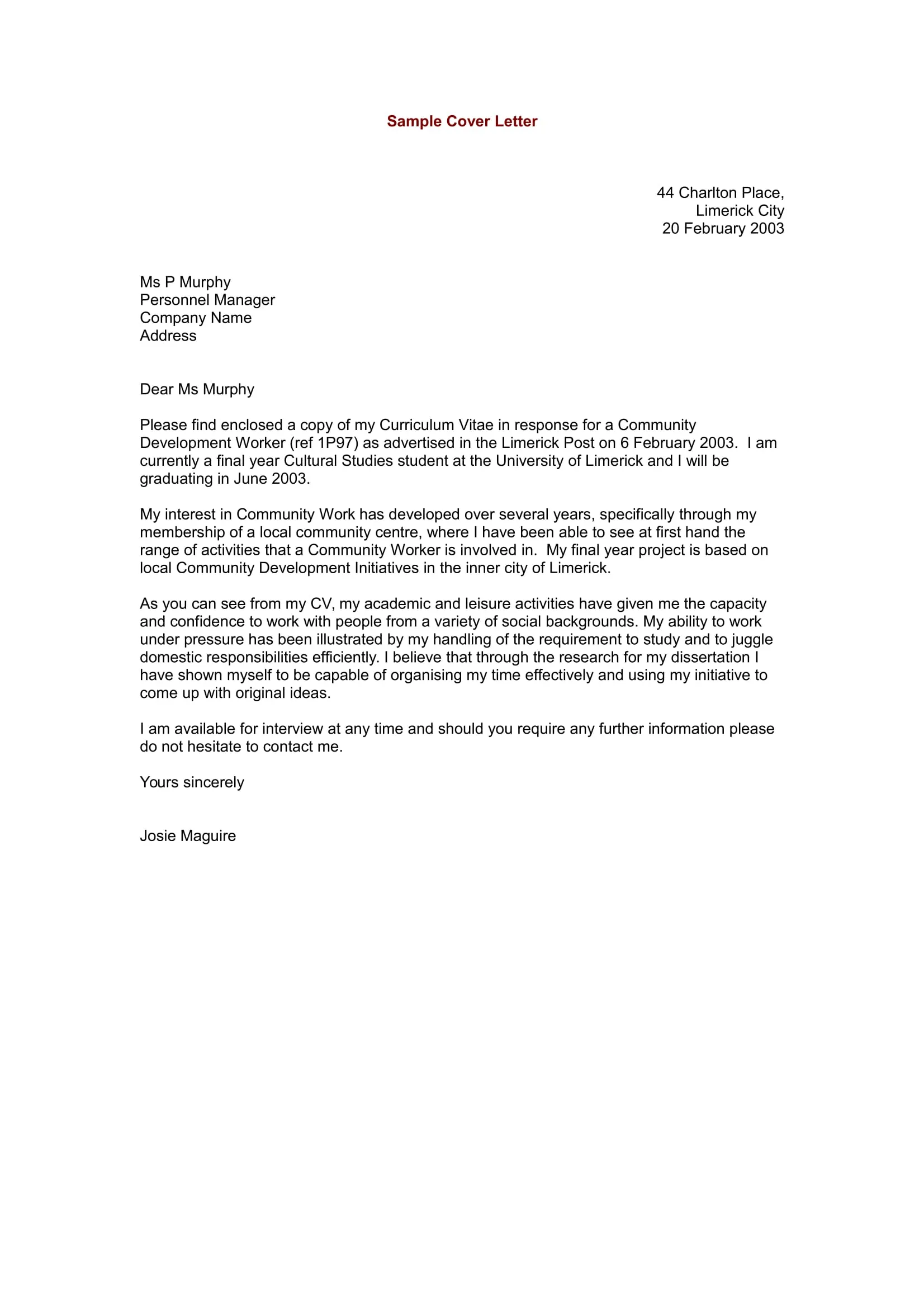
Crafting the Perfect Cover Letter When the Hiring Manager is Unknown
Navigating the job application process can be challenging, especially when you’re unsure who will be reading your cover letter. In these situations, a well-crafted cover letter becomes even more critical. It’s your opportunity to make a strong first impression and showcase your qualifications, even without a specific name to address. This guide provides invaluable tips and strategies for creating a cover letter that grabs the attention of any hiring manager, regardless of their identity, by demonstrating professionalism, relevant skills, and a clear understanding of the role and company. The goal is to stand out and make a positive impact, increasing your chances of landing an interview.
Researching the Company and Job Role
Before you even begin writing, thorough research is essential. Start by investigating the company’s website, LinkedIn profile, and any recent news or publications. This will give you insights into their values, mission, and recent projects. Analyze the job description carefully. Identify the key skills, experiences, and qualifications the company is looking for. Understanding the company culture and the specifics of the role will help you tailor your cover letter to address their needs and demonstrate that you are a suitable candidate. The more you understand the company and the role, the better equipped you are to show why you’re a good fit. This research allows you to speak to their specific needs.
Identifying Key Skills and Achievements

Once you’ve researched the company and job, focus on highlighting your relevant skills and achievements. Create a list of your abilities and experiences that align with the job description. Quantify your achievements whenever possible. Instead of simply stating you ‘managed projects,’ specify how you improved project efficiency or reduced costs. By providing concrete examples, you demonstrate the value you can bring to the company. This section should be dedicated to illustrating how your past experience has prepared you for the current opportunity. Mentioning numbers will create a greater impact on your readers.
Highlighting Relevant Experience
In your cover letter, provide specific examples of how you’ve applied your skills in previous roles. Use the STAR method (Situation, Task, Action, Result) to structure your responses. Briefly describe the situation, the task you needed to accomplish, the actions you took, and the positive results you achieved. This method helps demonstrate your capabilities and the impact you made in previous positions. By connecting your past experiences to the requirements of the current role, you demonstrate that you possess the necessary skills and experience to succeed. The inclusion of the STAR method is key to showcasing your qualifications.
Showcasing Your Enthusiasm for the Opportunity
Expressing genuine enthusiasm is a key factor in capturing a hiring manager’s attention. Show your interest in the specific role and the company. Mention something specific that excites you about the opportunity, whether it’s a particular project, a company value, or the potential for growth. Explain why you want this job and what motivates you. Your cover letter should convey your eagerness to contribute. It is important to show your interest in the company’s mission and how your goals align with their objectives. This enthusiastic tone indicates that you’re invested in the role, making you more appealing to potential employers.
Structuring Your Cover Letter Effectively

A well-structured cover letter makes a positive impression. Use a clear and concise format. Begin with your contact information, followed by a professional greeting. The body of your letter should consist of 3–4 paragraphs. Start with an engaging introduction that grabs attention. Follow with a discussion of your relevant skills, achievements, and experiences. Conclude with a strong closing statement, re-emphasizing your interest and call to action. A logical structure helps ensure that your message is easy to read and understand. Make sure the information flows logically, guiding the reader through your qualifications and enthusiasm for the position. A well-organized letter shows you understand the importance of attention to detail.
Writing a Compelling Opening
Your opening paragraph should immediately grab the reader’s attention. Instead of using a generic opening, try to create a strong hook. You can start with a brief statement of your interest, mention a key skill that aligns with the job, or reference something specific about the company that caught your eye. The goal is to make the hiring manager want to read more. The introduction is the first opportunity to make a strong impression. Avoid generic phrases and immediately showcase your enthusiasm for the opportunity, and how your background aligns with their needs. Make it clear from the start why you are a good candidate and what you can bring to the table.
Developing a Strong Body Paragraph
The body of your cover letter is where you highlight your skills, experience, and achievements. Focus on providing specific examples and quantifying your results whenever possible. Use the STAR method to structure your responses and demonstrate your capabilities. Clearly show how your past experiences align with the requirements of the job. Be specific and provide concrete evidence of your skills and accomplishments. Keep the paragraphs concise and easy to read. This shows the hiring manager that you possess the qualifications and experience necessary to excel in the role, which increases your chances of moving forward in the hiring process.
Creating a Memorable Closing

End your cover letter with a compelling closing statement. Reiterate your interest in the position and summarize why you are the ideal candidate. Include a clear call to action. Express your availability for an interview and provide your contact information. Thank the hiring manager for their time and consideration. The closing should leave a lasting positive impression, reinforcing your qualifications and enthusiasm, and make it clear that you are serious about the opportunity and ready to move forward. A well-crafted conclusion reinforces your interest and leaves the reader with a positive impression.
Focusing on Skills and Value
In the absence of a specific hiring manager, focus on the value you can bring to the company. Highlight your skills and how they align with the job requirements. Showcase your achievements and how you can help the company achieve its goals. Demonstrate your understanding of the company’s needs and how you can contribute to their success. Focus on what you can offer and how you can provide value to the organization. When you focus on your skills and experience, you ensure that your qualifications and capabilities are clearly highlighted, making you an attractive candidate.
Adapting Your Letter for ATS Systems
Many companies use Applicant Tracking Systems (ATS) to screen applications. To increase your chances of being seen, tailor your cover letter with ATS in mind. Use keywords from the job description throughout your letter. Use standard formatting and avoid complex layouts. Ensure that your letter is easily readable by the ATS. Submitting an ATS-friendly cover letter ensures that your application passes the initial screening phase. Optimizing your letter for ATS systems will help it reach a human reader. It’s important that the structure is easy to read and allows your content to stand out.
Proofreading and Editing for Perfection

Before submitting your cover letter, proofread it carefully for any errors in grammar, spelling, and punctuation. Ensure that your sentences are clear and concise. Ask a friend or colleague to review your letter for a second opinion. A polished cover letter demonstrates your attention to detail and professionalism. A cover letter with errors can make a bad impression. Thorough proofreading increases your chances of making a positive first impression. A well-edited letter shows that you’ve taken the time to create a strong application and makes your application more professional and credible.
Common Mistakes to Avoid
Avoid common mistakes that can undermine your application. This section details mistakes to avoid, such as using generic greetings. Your cover letter should be tailored to the specific role. Avoid being vague about your skills. Be specific and provide concrete examples. Overlooking company research. Proper research is essential for showing genuine interest. Failing to proofread. Errors in grammar and spelling can create a negative impression. Being mindful of these common pitfalls ensures that your cover letter is professional and effectively showcases your qualifications.
Using Generic Greetings
Using generic greetings like ‘To Whom It May Concern’ or ‘Dear Sir/Madam’ is not recommended. These greetings don’t show any personalization. If you cannot find the hiring manager’s name, try to research the department or team that is hiring. If that is not possible, you can use a more specific greeting like ‘Dear [Hiring Team]’ or ‘Dear [Job Title] Hiring Manager’. A specific, personalized greeting indicates that you have taken the time to understand the company and the role. It immediately sets you apart from candidates who use generic greetings, which helps make your cover letter more engaging.
Being Vague About Your Skills

Avoid making vague statements about your skills. Instead of saying ‘I have experience in project management,’ provide specific examples of projects you’ve managed and the results you achieved. Quantify your accomplishments with numbers whenever possible. For example, ‘Managed a project that reduced costs by 15%.’ Specific examples demonstrate your abilities and highlight your achievements. Specificity proves to hiring managers what value you can bring to the company. When you provide concrete examples, you provide hiring managers with tangible evidence of your skills.
Overlooking Company Research
Failing to research the company is a significant mistake. This will not allow you to tailor your cover letter to their needs. Spend time investigating the company’s website, LinkedIn profile, and recent news. Understanding their values, mission, and recent projects will allow you to demonstrate a genuine interest in their organization. Show you are interested by mentioning the goals, their services or how your skills can support their work. Demonstrating your understanding of the company shows your initiative and attention to detail. The hiring manager is sure to appreciate that you took the time to research and connect with their organization.
Failing to Proofread
Errors in grammar, spelling, or punctuation can create a negative impression. Always proofread your cover letter carefully before submitting it. Use a grammar checker and ask a friend or colleague to review it. Errors can undermine your credibility and suggest a lack of attention to detail. Ensure your language is clear, concise, and professional. Proofreading is a critical step. When you present a polished, error-free cover letter, you demonstrate your professionalism. A well-proofread letter allows your qualifications and enthusiasm to shine through.
Cover Letter Examples for Unknown Hiring Managers

Review examples of successful cover letters for situations where the hiring manager is unknown. Look for examples that focus on the candidate’s skills, achievements, and enthusiasm for the role. Analyze how the letter is structured and the language used. Use these examples as inspiration to craft your own cover letter. By studying successful cover letters, you can learn how to tailor your letter effectively and highlight your key qualifications. Use this knowledge to create your own, compelling cover letter. The study of successful examples offers valuable insights, helping you create a cover letter that is both impactful and memorable.