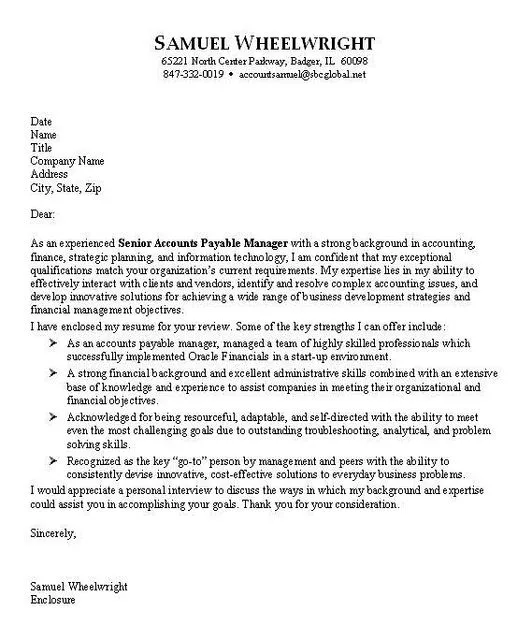
Why a Cover Letter is Essential
In today’s competitive job market, a well-crafted cover letter is more than just a formality it’s your first opportunity to make a strong impression on a potential employer. While your resume provides a factual overview of your skills and experience, your cover letter allows you to inject personality, demonstrate genuine interest in the company and the role, and showcase how your unique qualifications align with their specific needs. A compelling cover letter can be the deciding factor in whether your application gets noticed, especially when applying for roles where many candidates possess similar qualifications. It is your chance to tell a story, highlighting your motivations, aspirations, and how you see yourself contributing to the company’s success. Ignoring this vital piece of the job application puzzle means missing a critical opportunity to stand out from the crowd and increase your chances of securing an interview.
Crafting a Compelling Cover Letter
Crafting a compelling cover letter involves more than simply listing your skills; it’s about weaving a narrative that captivates the reader and demonstrates your understanding of the role and the company. Start by addressing the specific job requirements mentioned in the job description. Identify the key skills and experiences the employer is seeking and highlight how your background aligns with these needs. Use action verbs to describe your accomplishments and provide concrete examples of your achievements, quantifying them whenever possible. Show, don’t just tell. Rather than stating you are a ‘good communicator,’ provide an example of how you successfully communicated with a team or resolved a conflict. This approach makes your letter more engaging and memorable. Furthermore, keep the tone professional but personable, let your enthusiasm shine through, and demonstrate a genuine interest in the company and the opportunity.
Researching the Company

Before writing a cover letter, thoroughly research the company. This research is crucial for tailoring your letter and demonstrating a genuine interest in the organization. Visit the company’s website, explore their ‘About Us’ section, read recent news articles, and browse their social media profiles. Understanding their mission, values, and recent initiatives will allow you to address specific aspects of their business in your letter, showing that you’ve taken the time to learn about them. Identify their current challenges and goals, and explain how your skills and experience can contribute to their success. This level of personalization will make your application stand out and increase your chances of landing an interview. Showing that you understand the company’s culture and business objectives makes you appear more engaged and potentially a better fit for the role.
Tailoring Your Letter
Every cover letter should be customized to the specific job and company. Generic, mass-produced letters are easily spotted and often end up in the rejection pile. To tailor your letter, carefully review the job description and identify the key skills and qualifications the employer is seeking. Then, highlight the relevant experiences and achievements from your resume that align with these requirements. Use the same keywords and phrases from the job description to demonstrate that you understand the role and can fulfill its requirements. When you can, address specific projects, initiatives, or values that resonate with the company’s mission. Tailoring your letter demonstrates your dedication and attention to detail, which are essential qualities in any employee. Always make sure that the information contained matches the requirements of the job you’re applying for.
Formatting Your Cover Letter
The formatting of your cover letter is as important as its content. A well-formatted letter is easy to read and conveys professionalism. Use a clean, readable font like Arial, Calibri, or Times New Roman in a size between 10 and 12 points. Maintain consistent margins (typically one inch on all sides) and use single spacing within paragraphs, with a blank line between paragraphs. Ensure the alignment is consistent, typically left-aligned for readability. Use clear headings and subheadings to break up the text and guide the reader. Proofread carefully to eliminate any errors in grammar or punctuation. Your cover letter should be a visually appealing document that reflects your attention to detail and respect for the reader’s time.
The Header

The header should include your contact information: your name, address, phone number, and email address. Align this information to the left or right, or center it, depending on your preference, but maintain consistency with your resume. If you are applying for a job online, ensure that your email address is professional. You may also include the date and the name of the hiring manager if you know it. If you don’t know the hiring manager’s name, leave this information out and begin with a general greeting (Dear Hiring Manager or To Whom It May Concern) to avoid any awkwardness.
The Salutation
The salutation sets the tone for your letter. If you know the hiring manager’s name, use ‘Dear Mr./Ms./Mx. [Last Name]’. This shows that you have taken the time to identify the person responsible for hiring. If you are writing to an unknown hiring manager, use a professional and courteous greeting such as ‘Dear Hiring Manager’ or ‘Dear [Department Name] Hiring Team’. Avoid overly casual greetings like ‘Hi’ or ‘Hello’. The salutation is your first interaction with the hiring manager, so make sure you begin the letter on a positive note.
The Body Paragraphs
The body of your cover letter is where you showcase your skills and experience. Begin with a strong opening that immediately grabs the reader’s attention. State the position you are applying for and where you saw the advertisement. In the subsequent paragraphs, highlight your most relevant qualifications and achievements. Use the STAR method (Situation, Task, Action, Result) to provide concrete examples of your accomplishments. Quantify your achievements whenever possible. For example, instead of saying ‘Managed social media,’ say ‘Increased social media engagement by 30% in six months.’ Ensure each paragraph flows logically into the next and that your letter tells a cohesive story that emphasizes your suitability for the role.
Highlighting Key Skills and Experiences

Carefully review the job description and identify the key skills and experiences the employer is looking for. Then, in your cover letter, highlight the relevant experiences and achievements from your resume that align with these requirements. Provide specific examples of how you have demonstrated these skills in past roles. Use action verbs to describe your accomplishments and quantify them whenever possible. For instance, instead of stating that you possess ‘strong communication skills,’ describe a situation where you successfully communicated a complex project to a diverse team, resulting in a positive outcome. Your letter should demonstrate, not just tell, the specific skills you have that the hiring manager is seeking.
Quantifying Achievements
Whenever possible, quantify your achievements to make your cover letter more impactful. Instead of saying that you ‘improved customer satisfaction,’ state that you ‘increased customer satisfaction scores by 15% within one quarter.’ Use numbers and metrics to demonstrate the tangible results of your work. This approach allows the hiring manager to quickly understand the value you bring to the table. Quantifying achievements gives your letter credibility and demonstrates your ability to achieve measurable outcomes. Whether it’s increasing sales, reducing costs, or improving efficiency, specific numbers make your accomplishments more memorable and persuasive.
Addressing the Unknown Hiring Manager
Writing a cover letter to an unknown hiring manager requires a slightly different approach. Since you don’t know the hiring manager’s name, use a professional and courteous salutation such as ‘Dear Hiring Manager’ or ‘Dear [Department Name] Hiring Team.’ In your body paragraphs, focus on your skills and experiences, and how they align with the requirements of the job. Show that you have researched the company and understand its values and goals. Make sure that your letter is well-written, error-free, and easy to read. Your objective is to showcase your qualifications in a way that appeals to a hiring manager without personal details. This demonstrates your attention to detail, professionalism, and respect for the company’s hiring process. Use a generic opening such as ‘I am writing to express my interest in the [Job Title] position’ and tailor the rest of the content.
The Closing

Your closing should be polite, professional, and leave a lasting impression. Reiterate your interest in the position and thank the hiring manager for their time and consideration. State that you are available for an interview and provide your contact information. A strong closing reinforces your enthusiasm and your commitment. Avoid generic phrases. Instead, use a closing that reflects the tone of your letter. For instance, ‘I am eager to learn more about this opportunity and discuss how my skills and experience can benefit your team.’ Use a formal closing such as ‘Sincerely,’ ‘Best regards,’ or ‘Yours sincerely,’ followed by your typed name. Make sure your closing is concise, positive, and reinforces your interest in the position.
Proofreading and Editing
Before submitting your cover letter, meticulously proofread and edit your document. Even a minor typo or grammatical error can undermine your credibility and give the impression that you lack attention to detail. Read your letter aloud to catch any awkward phrasing or sentence structure issues. Check for spelling, punctuation, and grammatical errors. Ask a friend, colleague, or career counselor to review your letter and provide feedback. Proofreading and editing are critical steps that ensure your cover letter is polished and professional. Taking the time to check your work demonstrates respect for the hiring manager’s time and effort.
Formatting for Readability
Your cover letter should be easy to read and visually appealing. Use a professional, readable font like Arial, Calibri, or Times New Roman. Keep the font size between 10 and 12 points. Use single spacing within paragraphs and double spacing between paragraphs. Use left alignment for the body of your letter. Use clear headings and subheadings to break up the text and guide the reader. Keep your paragraphs concise and to the point. Avoid using jargon or complex sentence structures. An easy-to-read cover letter makes a positive impression and shows that you are considerate of the hiring manager’s time and effort.
Keywords and SEO Optimization for Cover Letters

While cover letters are not typically subject to the same SEO scrutiny as web content, incorporating relevant keywords from the job description can help your application get noticed. This is particularly important if an applicant tracking system (ATS) is used to screen applications. Review the job description and identify the keywords and phrases that describe the required skills and experience. Use these keywords naturally throughout your cover letter. This approach demonstrates that you possess the required qualifications. Remember, the primary goal of your cover letter is to showcase your qualifications and secure an interview. Optimize it with related keywords, which can improve the chances of your application being noticed by both humans and ATS software.
By following these secrets, you can create a cover letter that will make you stand out from the crowd. Craft your letter, use the right keywords, and let your personality shine through.