Cover Letter Secrets to Land the Job
In the competitive landscape of job applications, a well-crafted cover letter can be the key that unlocks your dream career. A cover letter serves as your first introduction to a potential employer, offering a unique opportunity to showcase your personality, skills, and enthusiasm for the role. It is not just a formality; it’s a strategic tool to differentiate yourself from other applicants and make a lasting positive impression. Mastering the art of cover letter writing is, therefore, essential for anyone serious about advancing their career. This guide will unveil the secrets to crafting a compelling cover letter that grabs attention and secures you an interview.
Understanding the Purpose of a Cover Letter
The primary goal of a cover letter is to complement your resume by providing context and depth to your qualifications. While your resume lists your skills and experiences, your cover letter explains why those skills and experiences make you the perfect fit for the specific job and the company. It allows you to tell your story, highlight your passion for the industry, and demonstrate your understanding of the employer’s needs. A well-written cover letter does more than just list your accomplishments; it paints a picture of your professional persona and illustrates how you can contribute to the company’s success. Understanding this purpose is the first secret to writing a cover letter that works.
Highlighting Your Key Skills and Experiences

Your cover letter is the perfect place to highlight the skills and experiences most relevant to the job you’re applying for. Go beyond simply restating what’s on your resume. Instead, provide specific examples of how you’ve used your skills to achieve positive outcomes in previous roles. Quantify your achievements whenever possible. For example, instead of saying you ‘managed projects,’ you could say, ‘managed projects, resulting in a 15% increase in on-time project delivery.’ This shows the employer not only what you’ve done but also the impact you’ve made. Carefully review the job description and tailor your letter to emphasize the skills and experiences the employer is seeking. This targeted approach demonstrates that you’ve paid attention and are genuinely interested in the position.
Researching the Company and Tailoring Your Letter
One of the most effective ways to impress a potential employer is to demonstrate that you’ve done your homework. Research the company’s mission, values, and recent projects. Show that you understand their industry and the challenges they face. Tailor your cover letter to align with the company’s culture and the specific requirements of the job. This means more than just changing the company name; it means adjusting your language, tone, and the examples you provide to show you understand what the company is looking for. Mention specific initiatives or projects the company is involved in and explain how your skills and experience can contribute to their success. This level of personalization shows genuine interest and initiative, setting you apart from generic applicants.
Essential Elements to Include in Your Cover Letter
Your Contact Information and Professional Greeting

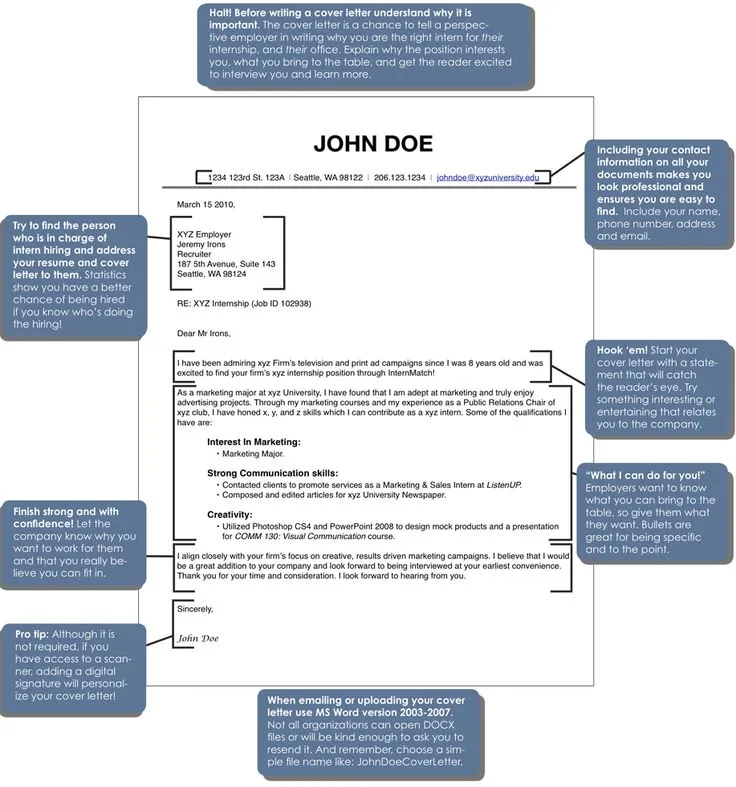
Begin your cover letter by including your contact information at the top, including your name, phone number, email address, and LinkedIn profile URL. Following this, address the hiring manager or the specific person listed in the job posting. If you can’t find a name, a professional greeting such as ‘Dear Hiring Manager’ is acceptable. Avoid generic greetings like ‘To Whom It May Concern,’ which can make your letter seem impersonal. Ensuring you have correct contact information will make the response easier, and by mentioning a specific name shows you care about the job.
Opening Statement that Grabs Attention
The opening of your cover letter is crucial. It needs to immediately grab the reader’s attention and make them want to read more. Instead of a generic opening, start with a compelling statement that reflects your understanding of the company or the role. You might express your enthusiasm for the company’s mission, refer to a specific achievement that aligns with the job requirements, or mention a mutual connection. The opening should also clearly state the position you’re applying for. Make it a concise and impactful statement that piques the interest of the hiring manager and sets the tone for the rest of your letter. For example, starting with a statement about how your skills are directly relevant to a recent project of the company can be extremely effective.
Showcasing Your Relevant Skills and Accomplishments
The body of your cover letter is where you demonstrate your value. Focus on showcasing the skills and experiences that are most relevant to the job. Use specific examples to illustrate your accomplishments and the impact you’ve made in previous roles. Quantify your achievements whenever possible. For example, instead of saying you are a ‘good communicator,’ provide an example of how you successfully led a team through a difficult project or presented to a large audience. Make sure your achievements align with the key requirements outlined in the job description. This targeted approach shows the employer that you have what it takes to succeed in the role and makes it easier for them to envision you contributing to their team.
Expressing Your Enthusiasm for the Opportunity

A successful cover letter conveys your genuine enthusiasm for the opportunity and the company. Explain why you are interested in this specific role and what excites you about the prospect of joining their team. This could be related to the company’s mission, its culture, or the specific responsibilities of the job. Be specific and avoid generic statements. Express your desire to learn and grow within the company. Conveying your enthusiasm makes the hiring manager more inclined to consider you and suggests that you will be a motivated and engaged employee. It helps to build a personal connection with the reader and shows that you’re not just looking for any job, but this job.
Call to Action and Professional Closing
Conclude your cover letter with a clear call to action and a professional closing. Reiterate your interest in the position and express your availability for an interview. Make it easy for the hiring manager to contact you. Thank the reader for their time and consideration. Use a professional closing such as ‘Sincerely,’ or ‘Best regards,’ followed by your full name. Proofread your entire letter one last time before submitting it to ensure there are no errors or typos. A well-crafted closing reinforces your professionalism and leaves a lasting positive impression on the reader. Make sure your contact information is easy to find and include a subtle reminder of your qualifications.
Common Mistakes to Avoid in Your Cover Letter
Generic or Unfocused Content

One of the most common mistakes is submitting a generic cover letter that could apply to any job. Hiring managers can easily spot these letters, and they often end up in the rejection pile. Your cover letter should be tailored to each specific job and company. Demonstrate that you understand the company’s needs and how your skills and experiences align with those needs. Avoid using vague language or clichés, and instead, provide specific examples of your accomplishments and skills. Generic content signals a lack of interest and effort, while focused content demonstrates that you’ve taken the time to research the company and understand the role.
Typos, Grammatical Errors, and Poor Formatting
Typos, grammatical errors, and poor formatting can instantly undermine your credibility and professionalism. A cover letter with errors suggests a lack of attention to detail, which is a critical skill in most professional environments. Always proofread your letter carefully before submitting it, and consider having a friend or career advisor review it as well. Pay attention to the formatting, ensuring that the letter is easy to read with appropriate spacing, font, and margins. Using correct grammar and spelling is essential, and errors can be very off-putting to a hiring manager. Sloppy writing can signal a lack of care or interest in the position, so ensuring your letter is perfect can significantly improve your chances.
Making it Too Long
Keep your cover letter concise and focused. Hiring managers are busy people, and they don’t have time to read lengthy documents. Aim for a cover letter that is no more than one page long. While you should include enough information to highlight your key skills and experiences, avoid unnecessary details or repetition. Use clear and concise language, and get straight to the point. A well-written, succinct cover letter demonstrates respect for the reader’s time and showcases your ability to communicate effectively. Stick to the most important points and always remember that less can be more in a cover letter.
Failing to Tailor the Letter to the Specific Job

A major mistake is failing to tailor your cover letter to the specific job description. A cover letter that doesn’t address the specific requirements and keywords outlined in the job posting is likely to be overlooked. Carefully review the job description and highlight the skills and experiences the employer is seeking. Use the same language and terminology that the employer uses in the job description. Tailoring your letter demonstrates that you understand the job and the company’s needs. Take the time to identify the specific skills, experiences, and qualifications that the hiring manager is looking for, and make sure your letter reflects those. Always customize your letter to each individual application.
Tips for Formatting and Presentation
Choosing the Right Font and Font Size
The font and font size you choose can significantly impact the readability and professionalism of your cover letter. Select a professional and easy-to-read font, such as Times New Roman, Arial, or Calibri. Avoid using overly ornate or unusual fonts that can be distracting. Use a font size of 11 or 12 points, which is generally considered to be the most readable. Make sure your font size is consistent throughout the letter and that your font is easy to read both on screen and when printed. Choosing the right font and font size makes your cover letter more accessible and professional, and shows you have attention to detail.
Using White Space Effectively

Effective use of white space is crucial for the readability of your cover letter. Avoid writing long blocks of text that can be overwhelming for the reader. Use paragraph breaks to separate different ideas and sections. Maintain consistent margins and spacing between lines. The goal is to create a clean and uncluttered layout that is easy on the eyes. Ample white space enhances readability, making it easier for the hiring manager to scan your letter and quickly grasp the key points. A well-formatted cover letter shows respect for the reader’s time and ensures your message is received effectively.
Proofreading and Editing Your Cover Letter
Proofreading and editing are essential steps in the cover letter writing process. Before submitting your cover letter, carefully proofread it for any typos, grammatical errors, or formatting inconsistencies. Read the letter aloud to catch any awkward phrasing or sentence structures. It is also helpful to have someone else review your cover letter. A second pair of eyes can catch mistakes that you might have missed. Check for consistency in your formatting, such as font size and spacing. A well-proofread and edited cover letter demonstrates your attention to detail and professionalism, increasing your chances of making a positive impression.
Cover Letter Examples and Templates
Where to Find Cover Letter Templates
There are numerous resources available online where you can find cover letter templates. Many websites offer free and premium templates that can serve as a starting point for your cover letter. When using a template, customize it to match your skills and the requirements of the job you are applying for. Avoid using a template verbatim, as this can make your letter sound generic. Instead, use the template as a guide to structure your content and ensure you include all the essential elements. Remember to adapt the template to your specific needs, so your cover letter is unique and reflects your personal brand. Examples of where to find templates include websites such as LinkedIn, Indeed, and other career-focused platforms.
Analyzing Successful Cover Letter Examples
Studying successful cover letter examples can provide valuable insights into what makes a cover letter effective. Analyze the structure, language, and tone of these examples. Pay attention to how they highlight skills, experiences, and achievements. Note how they tailor the letter to the specific job and company. Look for examples that showcase strong openings, compelling storytelling, and a clear call to action. By studying successful examples, you can gain a better understanding of how to write a cover letter that grabs attention and persuades the hiring manager to want to learn more. Websites such as Glassdoor and career-related blogs often provide examples of effective cover letters to learn from.
Finalizing and Submitting Your Cover Letter
Before submitting your cover letter, ensure that it is perfectly formatted, proofread, and tailored to the specific job. Double-check all contact information, including your name, email address, and phone number. Save your cover letter as a PDF file to preserve the formatting. Attach your cover letter to your application, along with your resume and any other required documents. Once you have submitted your application, follow up with the employer within a reasonable timeframe to express your continued interest. Remember, the cover letter is your chance to make a strong first impression, so make sure it accurately reflects your skills, enthusiasm, and interest in the role. Always remember to proofread for accuracy and professionalism.