Understanding the Cover Letter for Communication Officer
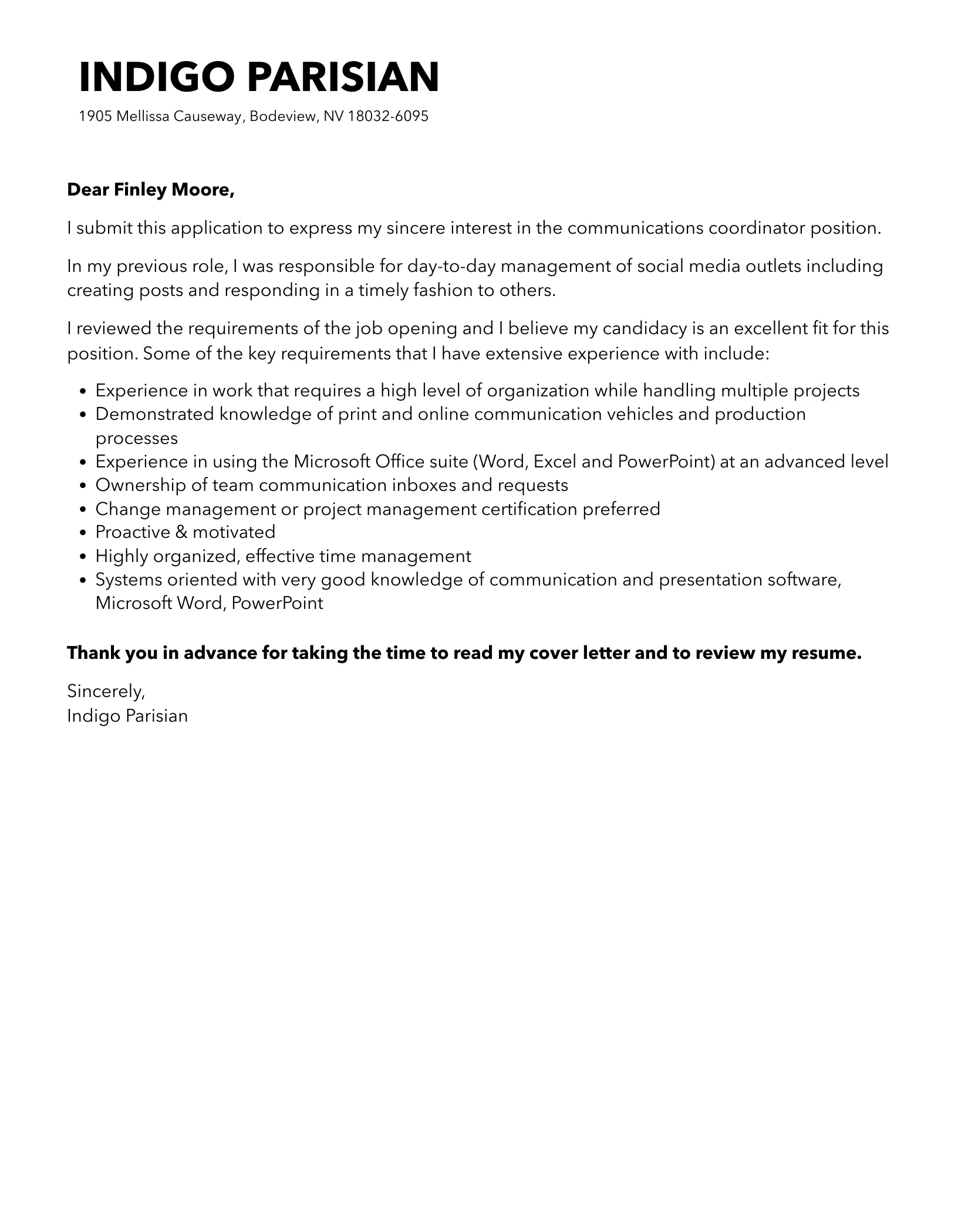
A cover letter for a Communication Officer role is more than just a formality it’s your initial opportunity to make a compelling case for why you are the ideal candidate. It serves as a personal introduction and a strategic marketing document, demonstrating your understanding of the role and your ability to meet the specific needs of the organization. The purpose of the cover letter is to complement your resume, providing a narrative that showcases your skills, experiences, and aspirations in a way that a resume alone cannot. It’s a chance to highlight your passion for communication, your understanding of the organization’s mission, and your alignment with their values. A well-crafted cover letter will not only grab the attention of the hiring manager but also increase your chances of getting an interview and ultimately, landing the job.
Key Components of a Winning Cover Letter
A winning cover letter for a Communication Officer role is structured strategically to capture the reader’s attention from the outset. Start with a strong, personalized opening that immediately grabs the hiring manager’s interest. Clearly state the position you’re applying for and how you discovered the opportunity. The body of your letter should highlight your key skills and experiences, providing specific examples that align with the job description. Focus on demonstrating your ability to excel in communication, media relations, writing, and project management. Quantify your achievements whenever possible to showcase the impact you’ve made in previous roles. Conclude with a strong closing, reiterating your interest in the position and your commitment to contributing to the organization’s success. Proofread meticulously for any errors in grammar or spelling to ensure your professionalism is reflected in every aspect of the letter.
Highlighting Your Skills & Experience

When highlighting your skills and experience, the key is to make them relevant to the specific Communication Officer role you’re applying for. Start by reviewing the job description carefully, identifying the essential qualifications and desired skills. Then, draw from your background, focusing on achievements that directly address these requirements. For example, if the job description emphasizes media relations, share examples of successful press releases you’ve written, media campaigns you’ve managed, or positive media coverage you’ve secured. When describing your experience, use the STAR method (Situation, Task, Action, Result) to provide context, explain your role, detail the steps you took, and quantify the outcomes whenever possible. This approach will help the hiring manager understand the impact of your work and envision your potential contributions to their team. Tailoring your letter to the specific requirements shows you have the skills they need.
Communication Skills
Communication is at the heart of a Communication Officer’s job, so this is a critical area to emphasize. Demonstrate your ability to communicate effectively in various formats, including written, verbal, and visual. Provide examples of how you’ve crafted clear, concise, and engaging communications tailored to different audiences. Highlight your experience in public speaking, presentation skills, and interpersonal communication. Showcase your ability to listen actively, understand diverse perspectives, and build consensus. If you have experience in crisis communication, be sure to share how you’ve managed and resolved sensitive situations. Your communication skills should go beyond just the ability to speak and write clearly. It includes the ability to adapt your message to the audience, whether it’s internal employees, external stakeholders, or the general public. It’s about creating and maintaining meaningful connections.
Writing and Editing
Writing and editing are essential skills for a Communication Officer. Showcase your writing proficiency by providing examples of your work, such as press releases, newsletters, website content, and social media posts. Highlight your ability to adapt your writing style to different platforms and audiences. Mention your experience in proofreading and editing, emphasizing your attention to detail and ability to ensure accuracy. Demonstrate your ability to write in a clear, concise, and engaging manner. This includes your ability to simplify complex ideas, craft compelling narratives, and capture the audience’s attention. Also, demonstrate your versatility in different types of writing and how you adjust to different needs of different situations. Excellent writing and editing skills will demonstrate your ability to create messages that resonate with the target audience.
Media Relations

Media relations is often a key responsibility of a Communication Officer. Highlight your experience in building and maintaining relationships with media outlets, journalists, and influencers. Provide examples of successful media outreach campaigns, including press releases, media briefings, and interviews you’ve coordinated. Showcase your ability to identify and leverage media opportunities, and effectively manage media inquiries. Mention your experience in monitoring media coverage and responding to media requests in a timely and professional manner. Furthermore, your experience should include your skills to effectively manage media relations. This is vital in protecting and enhancing the reputation of the organization you represent. Having established media relations and being able to identify opportunities are vital in a Communication Officer’s job.
Project Management and Organization
Communication Officers often juggle multiple projects and tasks simultaneously. Highlight your project management skills, including your ability to plan, organize, and execute communication campaigns effectively. Provide examples of projects you’ve managed, including timelines, budgets, and results. Showcase your ability to prioritize tasks, meet deadlines, and work under pressure. Mention your organizational skills, including your ability to manage information, maintain records, and coordinate events. It is important that your communication skills include all those that are related to project management and organization. These skills include the ability to be organized and able to manage multiple projects simultaneously, while working under pressure.
Tailoring Your Cover Letter
A generic cover letter will rarely make a positive impression. To stand out, you must tailor each cover letter to the specific Communication Officer role you are applying for. Start by researching the organization and the specific needs of the role. Read the job description carefully, noting the required skills and qualifications. Then, customize your cover letter to reflect how your skills and experience align with the requirements of the position. Mention the organization by name and express your understanding of their mission and values. Address the specific challenges or opportunities that the organization is facing and how your skills can help them. Tailoring shows a genuine interest in the role, demonstrating your willingness to invest time and effort in the application process.
Researching the Employer and the Role

Before you start writing your cover letter, invest time in researching the employer and the specific Communication Officer role. Visit the company’s website to learn about its mission, values, and recent initiatives. Explore their social media channels to understand their brand voice and communication style. Search for news articles and press releases to get an overview of their public image and media presence. Read the job description carefully, noting the specific requirements, responsibilities, and desired skills. Use this information to tailor your cover letter, demonstrating your understanding of the organization and the role. This preparation will enable you to articulate how your skills and experience align with the employer’s needs. Your research is key to demonstrating your interest and making a strong connection.
Matching Your Skills to the Job Description
The job description is your roadmap to a successful cover letter. It outlines the specific skills, experiences, and qualifications the employer is seeking. Your task is to highlight how your background aligns with their needs. Carefully review the job description, making a list of the key requirements. Then, identify examples from your experience that demonstrate your proficiency in these areas. If the job requires experience in media relations, provide examples of successful media campaigns you’ve managed. If it emphasizes writing skills, showcase your writing samples. The more closely you match your skills to the requirements, the more compelling your cover letter will be. Remember to use the same keywords and terminology found in the job description, demonstrating your understanding of the role.
Formatting and Presentation
The formatting and presentation of your cover letter are crucial for making a professional impression. Choose a clean, easy-to-read font, such as Arial or Times New Roman. Use a standard font size (11 or 12 points) and ensure consistent spacing throughout the document. Structure your cover letter with clear headings and subheadings to guide the reader. Use bullet points or numbered lists to highlight key skills and achievements. Keep your paragraphs concise and to the point. Proofread the document carefully for any errors in grammar or spelling. Ensure your contact information is prominently displayed at the top of the letter. A well-formatted cover letter demonstrates your attention to detail and your respect for the hiring manager’s time.
Ensuring Clarity and Readability
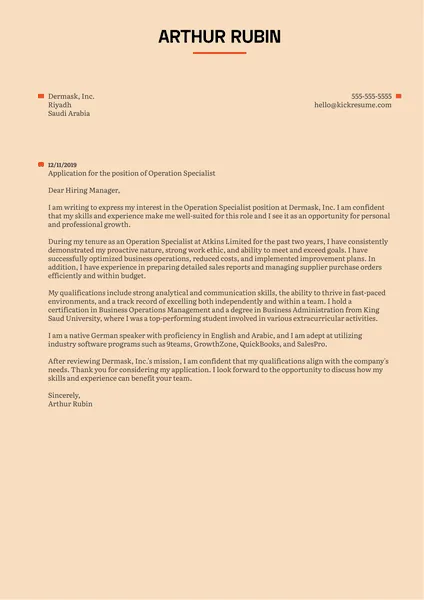
Clarity and readability are essential elements of a strong cover letter. Use clear, concise language, avoiding jargon and overly complex sentences. Get straight to the point, conveying your message efficiently. Break up long paragraphs into shorter ones to enhance readability. Use active voice whenever possible, which makes your writing more direct and engaging. Proofread your letter carefully, ensuring your sentences flow smoothly. Consider having a friend or colleague review your cover letter for clarity and readability. A well-written cover letter clearly communicates your value to the employer, making it easy for them to understand why you’re the best candidate for the role.
Proofreading and Editing
Proofreading and editing are the final, crucial steps in creating a compelling cover letter. A single typo or grammatical error can undermine your credibility and make it seem like you haven’t taken the time to care. After writing the letter, set it aside for a while and then come back with fresh eyes. Read the letter carefully, checking for any errors in grammar, spelling, punctuation, and sentence structure. Pay attention to the overall flow of the writing, ensuring that your ideas are presented logically and persuasively. Read the letter out loud to yourself to catch any awkward phrasing or unclear sentences. If possible, ask a friend, family member, or career advisor to review your letter and provide feedback. Proofreading is more than just checking for mistakes; it’s about polishing your cover letter and presenting yourself in the best possible light.
Making a Strong Impression
Your cover letter is your chance to make a strong first impression, so it’s important to make it count. Start with a compelling opening that grabs the reader’s attention and sets the tone for your letter. Highlight your key skills and experiences, providing specific examples to demonstrate your value. Show your enthusiasm for the role and the organization, conveying your passion for communication. Tailor your letter to the specific job description and demonstrate your understanding of the employer’s needs. Proofread your letter carefully, ensuring that it is free of errors. By following these tips, you’ll create a cover letter that is memorable, persuasive, and increases your chances of landing an interview and ultimately getting the job. Demonstrate your enthusiasm, show you did your research, and ensure your skills align with the needs.
Call to Action and Closing

Your cover letter should always conclude with a strong call to action and a professional closing. In the call to action, express your interest in the position and your availability for an interview. Make it clear that you are eager to discuss your qualifications further. Reiterate your commitment to the organization and your confidence that you can contribute to their success. In your closing, thank the hiring manager for their time and consideration. Use a professional closing, such as “Sincerely,” or “Best regards.” Include your name, contact information, and any other relevant details, such as a link to your online portfolio or website. A well-crafted call to action and closing will leave a lasting positive impression, increasing the likelihood of you being invited for an interview.
Following Up and Maintaining Professionalism
After submitting your cover letter and resume, it’s important to follow up with the hiring manager. Send a brief thank-you email within a week of submitting your application. In the email, reiterate your interest in the position and thank the hiring manager for their time. If you haven’t heard back within a reasonable timeframe, you can send a follow-up email to inquire about the status of your application. Maintain professionalism throughout the job search process, including all your communications. Respond promptly to emails and phone calls, and be prepared to answer questions about your qualifications and experience. Remember, your cover letter is just the first step. Following up and maintaining professionalism can increase your chances of landing the role.