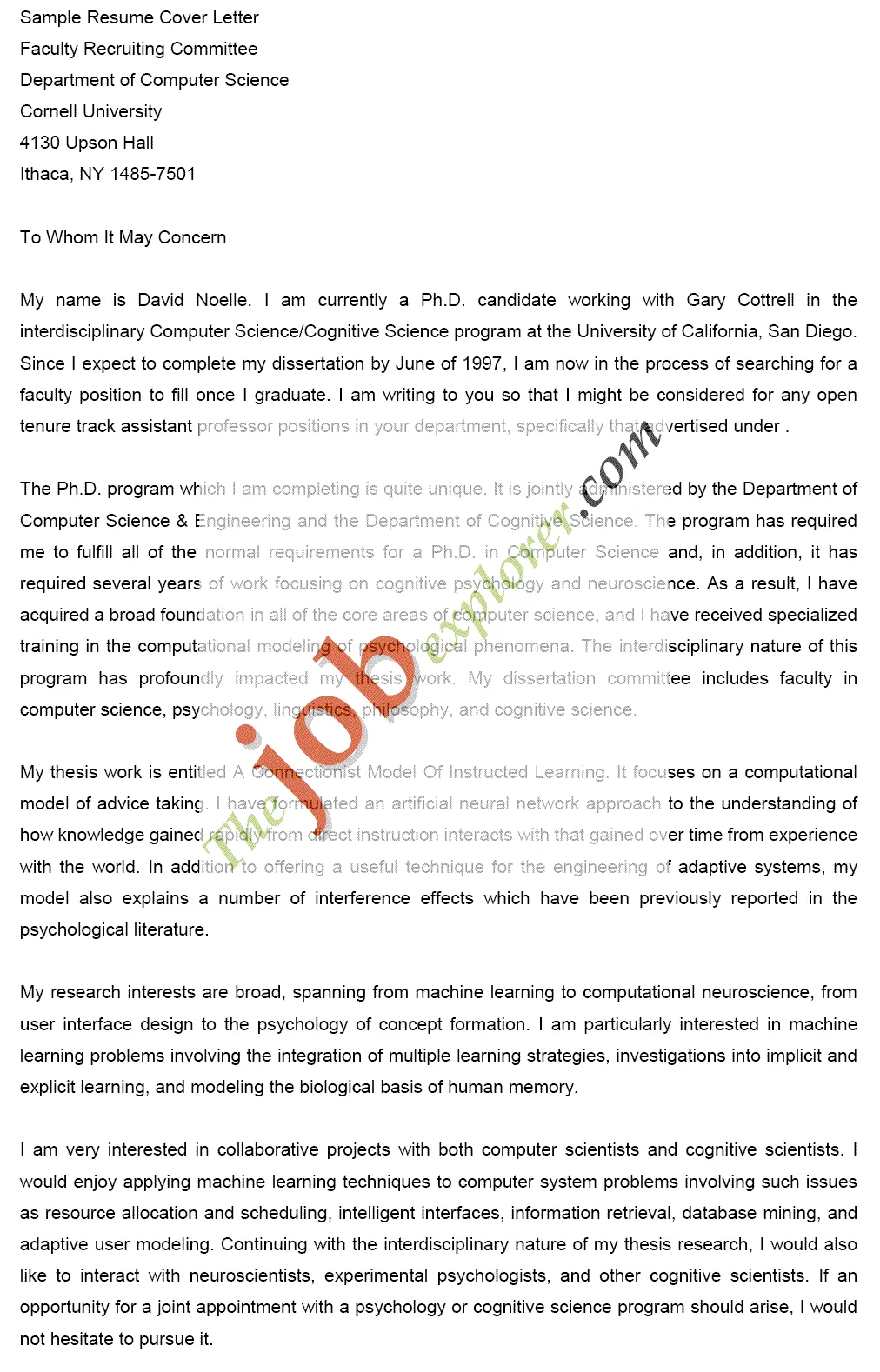
Crafting the Perfect Cover Letter
A cover letter is a critical tool when applying for positions with a college professor. It serves as your introduction, allowing you to showcase your qualifications, express your interest, and demonstrate why you are a strong fit for the role. This guide provides five essential tips to help you create a compelling cover letter that grabs attention and leaves a positive impression. These tips will help you create a professional, yet personal letter that highlights your skills, your achievements, and your passion for the field. This is your opportunity to present yourself as a candidate and express your desire to work with the professor.
Research the Professor
Before you begin writing, thorough research on the professor is essential. A generic cover letter is easily recognizable and often ends up in the rejection pile. To stand out, show that you’ve taken the time to understand the professor’s work, publications, and research interests. This targeted approach demonstrates that you are genuinely interested in their work and the opportunity to contribute. Visit their faculty page, read their publications, and explore their online profiles. This will give you a clear understanding of their academic focus and allow you to identify where your skills align with their needs. This research not only personalizes your letter but also provides talking points that show you are serious about the opportunity.
Understanding the Professor’s Work

Go beyond a basic understanding of the professor’s research. Read a few of their recent papers and try to understand the significance of their work within their specific field. This helps you to connect your work to theirs. Show that you understand their perspective, their methodology, and the problems they’re trying to solve. By understanding their work, you can show how your skills, experience, and interests align with theirs, making a stronger case for your value as a candidate. This shows you’re not only interested in the opportunity but that you have a grasp on what is being studied.
Highlighting Relevant Skills
Your cover letter should clearly showcase the skills that make you a strong candidate. Carefully review the job description or the professor’s stated needs and identify the skills and experiences they are looking for. Provide specific examples of how you’ve demonstrated those skills in the past. Be strategic in your approach by tailoring your qualifications to meet the professor’s needs. For example if the professor values grant-writing experience, make sure to highlight your work in this area, quantifying your success rates in obtaining funding. If the professor values specific software proficiencies or lab techniques be sure to list your experience in those areas, if they are relevant to the position. This targeted approach demonstrates that you understand the requirements of the position and are prepared to contribute to the professor’s research.
Quantify Achievements
When describing your skills and experiences, always quantify your achievements whenever possible. Instead of saying “I have experience with data analysis,” state “I analyzed datasets of over 10,000 records, resulting in a 15% increase in the efficiency of the project.” Use numbers to illustrate your successes. This approach makes your claims more credible and provides concrete evidence of your capabilities. Include percentages, dollar amounts, or the number of publications to underscore the impact of your work. For example if you’ve helped a professor with a grant application, mention the amount of funding secured or if you’ve contributed to a publication, cite the impact factor of the journal. These quantifiable results create a strong impression of your competence and your ability to deliver meaningful contributions.
Showcase Passion and Enthusiasm

Your cover letter should convey your passion for the professor’s work and the field. Show genuine enthusiasm. Your interest in the professor’s research, or in the specific role you’re applying for should be clear. Explain what specifically excites you about their work and how your interests align with their research. Avoid generic statements and instead, explain why you are drawn to this opportunity. Make a personal connection with the professor’s work. This enthusiasm will make a great impact and leave a lasting impression on the professor, who will be looking for someone who will contribute to their team with energy, enthusiasm, and drive. Let your excitement show through and make sure it’s genuine.
Express Your Interest
In the cover letter, be explicit about your interest in the role or opportunity. State why you are interested in working with this particular professor. Explain the specific aspects of their research or teaching that resonate with you. If the opportunity involves assisting with ongoing projects, mention how your skills align with the professor’s needs and goals. Avoid vague statements about wanting to “learn” or “gain experience.” Instead, emphasize how you can actively contribute to the professor’s work and the positive impact you can bring to the team or project. This shows that you are not just looking for a job, but are genuinely interested in advancing the professor’s research agenda.
Proofread and Edit Meticulously
Before submitting your cover letter, proofread it multiple times. Ensure it is free of grammatical errors, typos, and inconsistencies. Errors in your cover letter can create a poor impression and can even lead to immediate rejection. Have someone else proofread your cover letter. A fresh pair of eyes can often spot mistakes that you might have missed. Carefully check your letter for clarity, coherence, and professionalism. Ensure your writing style matches the tone of the field. Make sure the format is consistent and visually appealing. Pay close attention to details such as the proper use of academic titles, correct spelling of the professor’s name, and accurate citations if applicable. A polished, error-free cover letter demonstrates your attention to detail and your commitment to excellence.
Finalizing Your Cover Letter

Formatting and Submission
Once you’ve finalized the content of your cover letter, pay careful attention to its formatting and submission guidelines. Use a professional font, such as Times New Roman, Arial, or Calibri, in a readable size (e.g., 11 or 12 points). Use clear and concise language with short paragraphs. Ensure your letter is well-organized with distinct sections. Include your contact information at the top and the date. If you are replying to a specific job posting, make sure to follow the instructions for how to submit the application. If there are no specific instructions, consider submitting your cover letter and resume as a single PDF file to ensure the formatting remains intact. Ensure that your file name is clear, professional, and easy for the professor to identify (e.g., “YourName_CoverLetter_ProfessorLastName.pdf”).