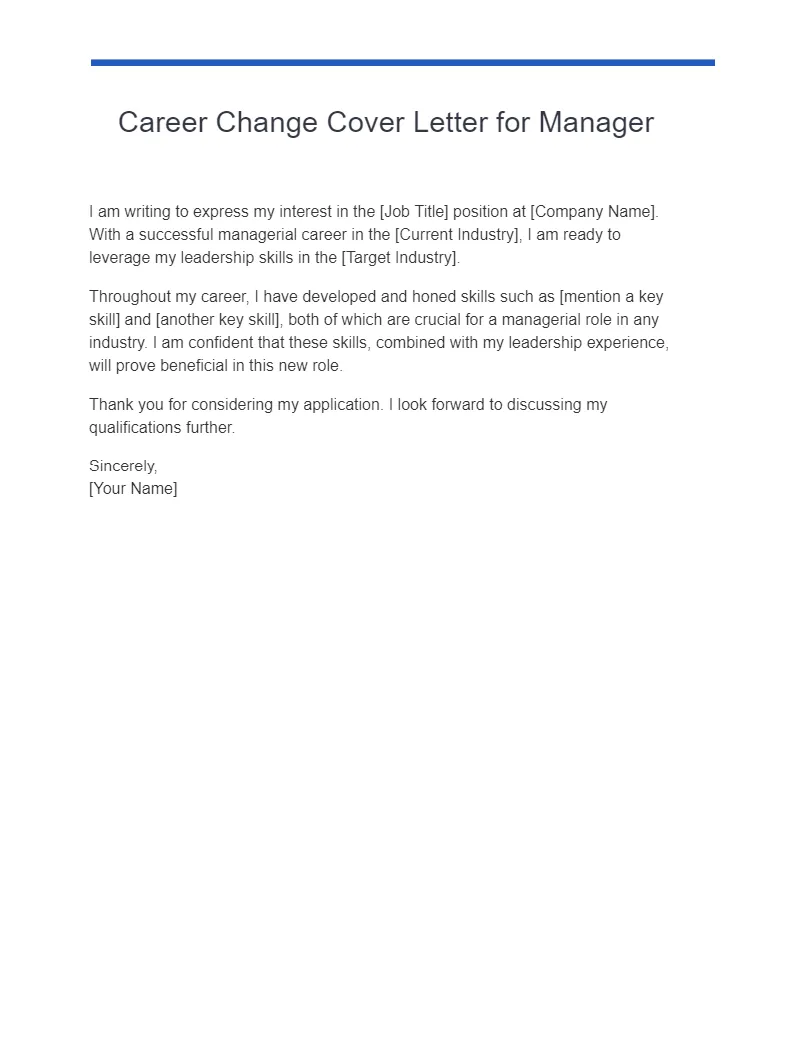
Cover Letter Secrets Why It Matters
In the competitive world of job applications, a cover letter is your first opportunity to make a lasting impression. It’s not just a formality, but a crucial tool to demonstrate your personality, skills, and genuine interest in the role. For those seeking a career change, a well-crafted cover letter is even more critical. It allows you to explain your motivations, highlight transferable skills, and address any potential concerns about your lack of direct experience in the new industry. A compelling cover letter goes beyond simply restating your resume; it tells a story that captivates the hiring manager and convinces them to learn more about you. This first impression determines if your resume gets a second look, so making sure you make it count is vital. Remember that the cover letter is your chance to control the narrative, so use it wisely and strategically to your advantage.
Tailoring Your Cover Letter Key Strategies
Generic cover letters are easily spotted and often discarded. To truly stand out, personalize each letter for the specific job and company. Research the company’s values, mission, and recent projects to show you understand their business. Use keywords from the job description and seamlessly integrate them into your writing. Demonstrate that you’ve thought carefully about how your skills align with their needs. This could include specific projects, skills, and goals to let the company know you are a good fit for the position. Instead of using a template, think of the letter as a conversation and your chance to present yourself as the best candidate. The attention to detail and specific approach demonstrates your interest, and it can make the difference between an interview and a rejection. Tailoring also involves addressing the specific needs of the new industry, using language and examples that resonate with the hiring manager’s background.
Highlighting Relevant Skills

When changing industries, focus on transferable skills that are valuable across different sectors. These might include leadership, problem-solving, communication, project management, data analysis, or customer service. Instead of listing these skills, provide specific examples of how you’ve used them to achieve results in previous roles. For example, if you’re moving from marketing to project management, showcase your experience managing marketing campaigns, coordinating teams, and meeting deadlines. Use action verbs to describe your accomplishments and quantify your achievements whenever possible. This allows you to prove your abilities to the company without making assumptions. By emphasizing the skills that are relevant to the new role, you can bridge the gap between your past experience and the requirements of the target industry. These efforts will give hiring managers confidence in your capacity to succeed.
Quantifying Achievements with Data
Numbers speak volumes. Whenever possible, quantify your achievements using data and statistics. Instead of saying ‘Improved customer satisfaction,’ state ‘Increased customer satisfaction scores by 15% within six months.’ Use metrics to demonstrate the impact of your work and prove the value you brought to previous roles. For example, if you managed a marketing campaign, you can show increased website traffic, lead generation, or conversion rates. If you led a team, you can provide metrics related to team productivity, project completion rates, or cost savings. Quantifying your achievements with data adds credibility to your claims and helps the hiring manager understand the tangible results you can deliver. This is also particularly important when changing industries because it shows that, even without direct industry experience, you can make a measurable impact. These numbers are more convincing than vague descriptions.
Showcasing Industry Knowledge
While you may not have direct experience in the new industry, you can still demonstrate your knowledge and enthusiasm. Research the industry thoroughly and identify the key trends, challenges, and opportunities. Mention any industry-specific skills or certifications you have obtained, even if they are not directly related to your previous roles. This could involve online courses, webinars, or industry-related projects you’ve undertaken. Demonstrate your understanding of the industry’s landscape, key players, and terminology. This shows the hiring manager that you are serious about the transition and willing to invest the time and effort to learn and grow. Reference industry publications, conferences, or thought leaders to show your active engagement. Doing so shows you are engaged with the position and the potential of a long-term position in the company.
Formatting Making a Great First Impression

The appearance of your cover letter matters. Use a professional font, such as Arial or Times New Roman, and maintain a consistent font size throughout the document. Ensure your formatting is clean, with clear headings, ample white space, and easy-to-read paragraphs. Avoid using excessive colors, fonts, or formatting styles that could distract the reader. Make sure there are no spelling or grammatical errors; proofread carefully, and consider using a grammar checker. The layout of your cover letter should be balanced and visually appealing. A well-formatted cover letter shows attention to detail and professionalism, which is essential when making a career change. This first impression is important, as it shows you are professional and serious about the position. If you don’t have the formatting skills, you can look for a template, but make sure it is easy to read.
Choosing the Right Tone and Voice
The tone of your cover letter should be professional yet personable. Avoid being overly formal or using jargon that might alienate the reader. Instead, aim for a friendly and engaging tone that reflects your personality and enthusiasm. Address the hiring manager by name, if possible, and tailor your language to match the company culture. Highlight your transferable skills, but do so in a way that connects them to the specific requirements of the role. Write in a clear and concise manner, using strong action verbs to describe your accomplishments. The voice should be authentic, reflecting your genuine interest in the company and the opportunity. This will make you more memorable and build a stronger connection with the hiring manager. The tone of the letter can also show your personality, and can give the hiring manager a better idea if you will be a good fit for the company.
Common Mistakes to Avoid
Several common mistakes can undermine your cover letter. One of the biggest is simply sending a generic letter that isn’t tailored to the specific job or company. Failing to proofread your cover letter is another major error, as typos and grammatical errors can damage your credibility. Avoid repeating information from your resume, but instead use the letter to expand on your skills and experience. Don’t ramble or use overly long paragraphs, as this can make your letter difficult to read. Avoid using cliches or overly enthusiastic language that could come across as insincere. Finally, never lie or exaggerate your experience. Honesty and authenticity are essential for building trust with the hiring manager. These mistakes are easily avoided by focusing on personalization, clarity, and accuracy.
Proofreading Your Cover Letter

Proofreading is a critical step in the cover letter writing process. After you’ve written your cover letter, take the time to read it carefully for any errors. This includes checking for spelling mistakes, grammatical errors, and punctuation issues. Read the letter aloud to catch awkward phrasing or unclear sentences. It can be helpful to have a friend or colleague review your cover letter, as they may spot errors that you’ve missed. Proofreading should be done after you’ve completed all other editing tasks. Make sure your contact information is accurate and up-to-date. Don’t underestimate the importance of proofreading, as a polished cover letter demonstrates attention to detail and professionalism. Proofreading the letter is the last chance to avoid mistakes and to let the hiring manager have a good impression of you.
Call to Action What to Include
End your cover letter with a strong call to action. This could be a statement of your enthusiasm for the role or an invitation to discuss your qualifications further. Clearly express your interest in the position and reiterate your ability to contribute to the company’s success. State that you are available for an interview at their earliest convenience. Include your contact information and make it easy for the hiring manager to reach you. You can also thank the hiring manager for their time and consideration. The call to action should be concise and focused, leaving a positive final impression. A strong call to action shows that you are serious about the position and eager to move forward in the hiring process. This helps the hiring manager take the next step, and it gives them a clearer idea on how to contact you.
Cover Letter Follow-Up
Following up on your cover letter is a crucial step in the job application process. Send a polite email or make a phone call to the hiring manager a week or so after submitting your application to inquire about the status of your application. In your follow-up, reiterate your interest in the role and highlight your key qualifications. Keep it brief, professional, and show that you are interested in the position. This shows your diligence and commitment. Following up helps you stay top of mind and demonstrates your enthusiasm. If you don’t hear back, you may follow up again, but be sure not to be overly persistent. Consider adjusting your approach based on the hiring manager’s response. It also allows you to learn more about the status of the position.
Crafting a Compelling Cover Letter for a Career Change

Crafting a compelling cover letter for a career change requires a strategic approach. Start by clearly stating your career transition goals and the reasons behind your decision. Address any potential concerns about your lack of direct experience in the new industry, and highlight your transferable skills and accomplishments. Showcase your enthusiasm for the new industry and your willingness to learn and adapt. Tailor your letter to the specific requirements of the target role and company. Research the industry and demonstrate your knowledge of key trends and challenges. The letter must be well-written, professional, and free of errors. Be sure to use a strong call to action and follow up to show your dedication. By following these strategies, you can create a cover letter that effectively communicates your value and increases your chances of landing your dream job.