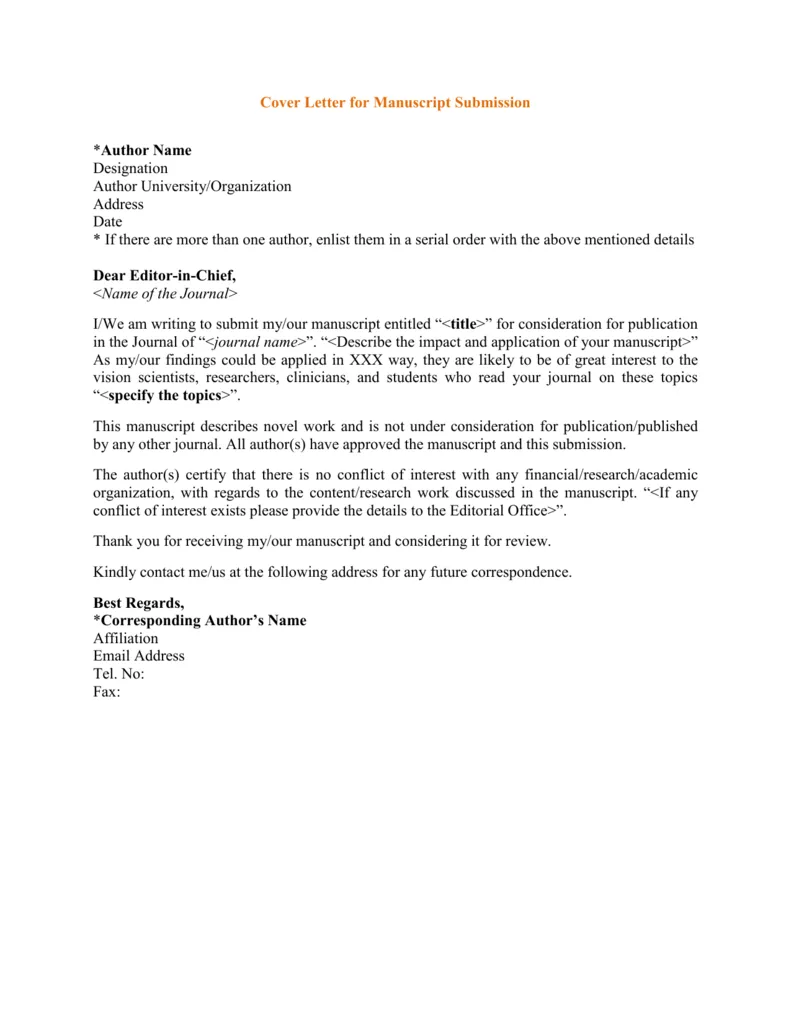
Crafting the Perfect Cover Letter
The cover letter is your first impression. It’s the gateway to getting your manuscript read and considered by a publisher. Think of it as a sales pitch—a concise, compelling argument for why they should invest their time and resources in your work. A well-crafted cover letter is more than just a formality; it’s a demonstration of professionalism, attention to detail, and your understanding of the publishing industry. It should be meticulously written, free of errors, and tailored to the specific publisher you’re approaching. A generic, poorly written cover letter is likely to land your submission in the rejection pile. Take the time to craft a letter that truly represents you and your manuscript. The goal is to capture the publisher’s interest and persuade them to want to read your work. This first step is crucial for success.
Understanding the Publisher’s Perspective
To write an effective cover letter, you must understand the publisher’s perspective. Publishers are businesses, and they’re looking for manuscripts that will sell and align with their brand. They receive hundreds, sometimes thousands, of submissions. They are busy, and they need to quickly assess whether your work is a good fit for their list. They’ll be looking for manuscripts that have strong market potential, are well-written, and fit their existing catalog. Researching the publisher’s catalog to understand their preferences is key. What genres do they publish? What is their style? What is their target audience? This information will help you tailor your cover letter to their specific needs and demonstrate that you have done your homework. Showing that you understand their business and the market for your book will increase your chances of success. Your cover letter should showcase your knowledge of the publishing process.
Researching the Publisher and Tailoring Your Letter

Before you even begin to write, research the publisher thoroughly. Visit their website, read their submission guidelines carefully, and review their catalog of published books. Identify any specific editors or departments that handle your genre. If possible, find out if the publisher is currently accepting submissions in your genre. Tailoring your letter to the specific publisher is crucial. Avoid sending a generic letter to multiple publishers. Instead, personalize each letter, highlighting why your manuscript is a good fit for their list. Mention specific books they’ve published that are similar to yours and explain why you think your manuscript would be a valuable addition to their catalog. Demonstrate that you understand their mission and that you are interested in working with them specifically. This level of personalization shows that you are serious about getting published and increases your chances of getting a positive response.
Key Elements to Include in Your Cover Letter
Several key elements are essential for a successful cover letter. These include your contact information, a concise introduction, a brief summary of your manuscript, a statement about your target audience, your credentials, and a polite closing. Make sure each of these elements is included. Each component plays a vital role in demonstrating the value of your manuscript. Think of it as a roadmap to your book; your cover letter should tell the publisher the most important information quickly. It’s important to keep it concise and professional, as the publisher will have a limited amount of time to read your letter. Make every word count and make sure each paragraph builds a strong case for your manuscript.
Your Contact Information and Introduction
Start your cover letter with your full name, address, phone number, and email address. This information should be at the top of the page. In the introduction, state the title of your manuscript and the genre. Clearly state your intention—that you are submitting your manuscript for consideration. Briefly mention why you are contacting this particular publisher. Showing that you understand who to contact and why you are approaching them increases your odds of getting past the first round of review. Also, be sure to address the editor or publisher by name, if possible. This shows that you did your research and are not just sending a generic letter to anyone. This step sets the tone of your letter and immediately informs the publisher about your intentions.
Highlighting Your Manuscript and Its Value

In the body of your cover letter, provide a brief, compelling summary of your manuscript. Focus on the core themes, plot, and unique selling points. The goal is to give the publisher a clear idea of what your book is about, without giving away the entire story. Highlight the key elements that make your manuscript stand out. What makes it unique? What makes it better than others in your genre? State the target audience for your book. Who is this book for? What gap does it fill in the market? What problems does it solve? Show that your book has market potential and that it can be successfully published. Briefly mention similar books that have been successful, and explain why your manuscript would appeal to the same audience. This helps the publisher understand the potential of your book.
Demonstrating Your Knowledge and Passion
Show your knowledge of the publishing industry and your genuine passion for your work. Mention any awards or recognition your manuscript has received. Discuss your writing process and what inspired you to write this particular book. Explain why you are the right person to write this book. What unique insights or experiences do you bring to the table? Include specific examples of why you are the best person to be telling this story. Convey your enthusiasm and dedication. Let the publisher know that you are invested in your book and are committed to working with them to make it a success. This passion will be contagious and make your manuscript stand out from others.
Showcasing Your Credentials and Experience
Briefly mention any relevant credentials or experience. Have you written other books? Do you have a background in the subject matter of your manuscript? Have you won any writing awards? Have you been published in other publications? Including relevant credentials shows your credibility and demonstrates your expertise. This section provides the publisher with proof that you’re a qualified author. It’s important to mention anything that shows you have relevant experience or a platform. This is also where you should mention whether you have an agent. If you do, state their name. If you don’t, it’s perfectly acceptable to submit your manuscript directly to a publisher.
Formatting and Presentation for Maximum Impact

Presentation matters. Your cover letter should be well-formatted, easy to read, and free of errors. Use a professional font like Times New Roman or Arial. Keep your letter to one page. Use clear, concise language, and avoid jargon. Pay attention to the overall design and layout of your cover letter. A well-formatted letter shows professionalism and respect for the publisher’s time. Use clear paragraphs and spacing to ensure your letter is easy to read. A cluttered, poorly formatted letter is a turnoff. Making it easy for the publisher to read the letter is a critical step to having your manuscript reviewed.
Formatting Guidelines
Adhere to standard business letter formatting. Include your contact information at the top, followed by the date and the publisher’s contact information. Use a clear, professional font, such as Times New Roman or Arial, in a standard size (11 or 12 points). Maintain consistent spacing and margins. Use single spacing within paragraphs and double spacing between paragraphs. Proofread your letter carefully for any errors in grammar, punctuation, and spelling. Be professional in the overall design and layout.
Proofreading and Editing Your Cover Letter
Proofreading is essential. Errors in grammar, punctuation, and spelling can instantly undermine your credibility and give the impression that you lack attention to detail. Carefully proofread your cover letter multiple times, and consider having a friend or colleague review it as well. Read your cover letter out loud to catch any awkward phrasing or grammatical errors. Ensure that your letter is free of typos and other mistakes. Double-check all names, titles, and contact information. A polished, error-free cover letter shows professionalism and respect for the publisher’s time, as well as demonstrating your abilities as a writer.
Common Mistakes to Avoid

Avoid common mistakes that can lead to immediate rejection. These mistakes can range from something as simple as using the wrong publisher’s name to a more involved error of not following the publisher’s submission guidelines. Addressing the mistakes before submitting your cover letter will significantly increase your chances of success. These include overusing flattery, ignoring the publisher’s guidelines, and submitting a generic letter. Be very careful to avoid making these mistakes, as they often lead to instant rejection.
Overusing Flattery and Exaggeration
While it’s important to show enthusiasm, avoid excessive flattery or exaggeration. Publishers are experienced professionals and can easily see through insincere praise. Focus on the merits of your manuscript and explain how it aligns with the publisher’s interests. Avoid over-the-top language. Be genuine, and let your enthusiasm for your work shine through naturally. Be confident, but don’t oversell your manuscript. This will hurt you more than it will help you.
Ignoring the Publisher’s Guidelines
Failing to follow the publisher’s submission guidelines is a major mistake. Publishers provide these guidelines to streamline the submission process and ensure they receive the information they need. Ignoring the guidelines indicates that you lack attention to detail and respect for the publisher’s time. Always review the publisher’s website for their specific guidelines on cover letter length, formatting, and required content. Ensure that you adhere to all of their specifications before submitting your letter. Following the publisher’s guidelines shows that you’re professional and serious about your submission, and will increase your chances of success.
Submitting a Generic Cover Letter

Sending the same cover letter to multiple publishers is a common mistake. Publishers can tell when a cover letter is generic, and they are less likely to consider a manuscript that isn’t tailored to their specific interests. Personalize each cover letter to the specific publisher you’re approaching. Mentioning specific books published by the publisher and explaining why your manuscript would be a good fit is an effective way to demonstrate that you’ve done your research. Show that you understand their mission and that you are interested in working with them specifically.
Following Up and Next Steps
After submitting your cover letter and manuscript, it’s important to follow up appropriately. However, be patient and allow the publisher enough time to review your submission. Following up too soon can be seen as unprofessional, while not following up at all can leave the publisher wondering if you’re still interested. Knowing when and how to follow up can make a difference in getting your book published.
When to Follow Up
Most publishers have a standard turnaround time for reviewing submissions. Typically, you should wait at least 8-12 weeks before following up. Check the publisher’s website or submission guidelines for any specific information on their response times. If you haven’t heard back after the specified timeframe, it’s acceptable to send a polite follow-up email. However, avoid being overly persistent or sending multiple emails.
What to Include in a Follow-Up Email

In your follow-up email, briefly reiterate your interest in having your manuscript considered. Reference your original submission and politely inquire about its status. Keep the email brief and professional. Don’t include any new information or updates about your manuscript. Thank the editor or publisher for their time and consideration, regardless of the outcome. Maintain a professional and respectful tone, and be prepared for either a positive or negative response.