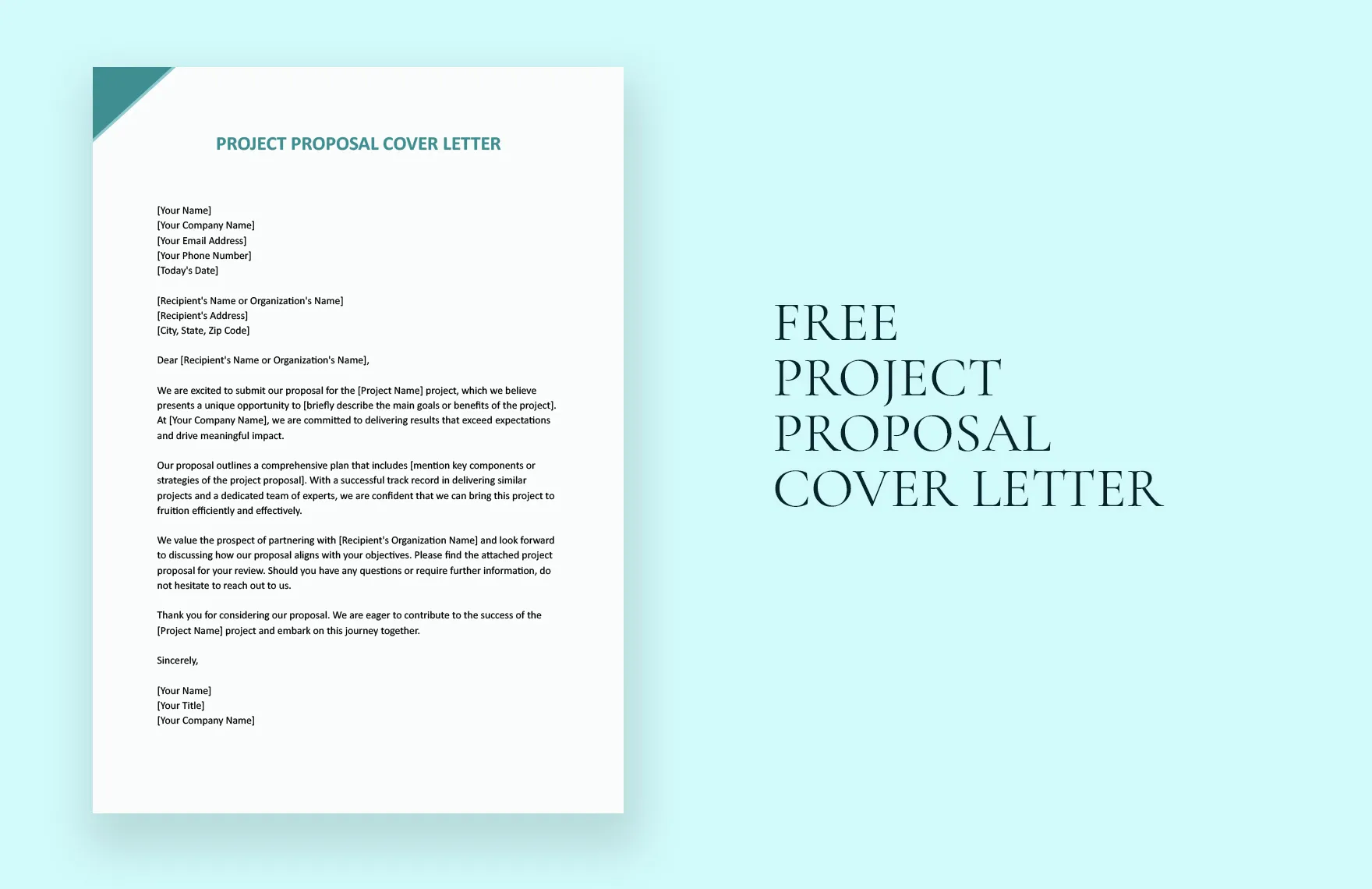
Understanding the Purpose of a Cover Letter
A cover letter is more than just a formality; it’s your first opportunity to make a strong impression on a potential employer. Unlike a resume, which provides a factual overview of your skills and experience, a cover letter allows you to tell your story, highlight your qualifications, and express your enthusiasm for the specific role and company. It serves as a crucial bridge between your resume and the employer’s needs. It provides context and personality, demonstrating why you are a uniquely qualified candidate. A well-written cover letter can significantly increase your chances of landing an interview. Remember, the goal is to persuade the hiring manager that you are the perfect fit for the position.
Key Components of a Compelling Cover Letter
A compelling cover letter is structured strategically to capture the reader’s attention and keep them engaged. Each section plays a vital role in conveying your value proposition. From the opening greeting to the closing call to action, every word should contribute to the overall message of why you are the ideal candidate. The key components work together to create a persuasive narrative that showcases your skills, experience, and enthusiasm. By following these guidelines, you can create a cover letter that grabs the hiring manager’s attention.
Contact Information

Start with your contact information at the top. Include your full name, phone number, email address, and optionally, your LinkedIn profile URL. Make sure this information is accurate and professional. The contact information allows the hiring manager to easily reach you for an interview. Ensure it is clearly visible and consistent with the information on your resume. Double-check all details to avoid any errors that could hinder communication.
Professional Greeting
Address the hiring manager by name if possible. Research the company’s website or LinkedIn to find out who is in charge of hiring. Using a name adds a personal touch. If the name is unavailable, use a professional greeting such as “Dear Hiring Manager” or “Dear [Department Name] Team.” Avoid generic greetings like “To Whom It May Concern,” which can make your letter feel impersonal. A personalized greeting shows that you’ve taken the time to research the company and role.
Opening Paragraph Hook
The opening paragraph is your chance to grab the reader’s attention immediately. State the specific position you are applying for and how you learned about it. Briefly highlight your most relevant skills or achievements. Make it clear why you are interested in this specific company and role. This opening paragraph should be concise, compelling, and designed to make the hiring manager want to read more. Show your enthusiasm and why you believe you are an excellent fit.
Body Paragraphs Showcase Your Skills

The body paragraphs are the heart of your cover letter, where you demonstrate how your skills and experience align with the job requirements. Focus on your accomplishments and quantify your achievements whenever possible. Use the job description as a guide to identify the key skills and experiences the employer seeks and highlight how you have demonstrated those skills. Provide specific examples of your accomplishments. Be sure to show not just tell how you meet the requirements.
Highlight Relevant Experience
In each body paragraph, choose one or two key skills or experiences that match what the employer is looking for. Provide concrete examples of how you used these skills in previous roles and the outcomes you achieved. Use the STAR method (Situation, Task, Action, Result) to structure your examples. This helps you to effectively communicate your contributions. Focus on what you specifically did and the positive impact you had. Make sure your experiences directly address the key requirements listed in the job posting.
Quantify Achievements
Wherever possible, quantify your achievements with numbers and data. Instead of saying “Improved customer satisfaction,” say “Improved customer satisfaction by 15% through implementing a new feedback system.” Using metrics and data demonstrates the tangible impact of your work and shows the value you bring to the table. This helps the hiring manager understand the specific results you have delivered in previous roles. Be specific in your quantifiable achievements.
Address the Employer’s Needs

Show the hiring manager that you understand the company’s needs and how you can help them achieve their goals. Research the company’s mission, values, and current projects to understand what they are looking for in a candidate. Tailor your cover letter to show how your skills and experience align with their specific needs. Demonstrate your knowledge of the company and the role. This demonstrates a sincere interest in the company and shows that you have thought about how you can contribute.
Closing Paragraph Expressing Enthusiasm
In the closing paragraph, reiterate your interest in the role and the company. Reiterate your key qualifications and express your enthusiasm for the opportunity. Reiterate your value and what you can bring to the table. Thank the hiring manager for their time and consideration. Restate your eagerness to discuss your qualifications further in an interview. End with a confident tone to leave a lasting positive impression.
Call to Action
End with a clear call to action. State that you are available for an interview and provide your contact information again. Make it easy for the hiring manager to reach out to you. Include a polite closing like “Sincerely” or “Best regards.” Then, type your full name. This ensures that you are available for the next step in the hiring process. Keep it simple and direct.
Formatting Your Cover Letter

The formatting of your cover letter is crucial for making a positive first impression. A well-formatted cover letter is easy to read and looks professional. Ensure your letter is visually appealing and easy on the eye. Formatting can influence the hiring manager’s perception of your attention to detail and professionalism.
Font Selection and Readability
Choose a professional and easy-to-read font, such as Times New Roman, Arial, or Calibri. Use a font size between 10 and 12 points. Avoid using overly decorative or unusual fonts that may distract the reader. The goal is to make your cover letter easy and enjoyable to read. Ensure consistency in font style and size throughout the document.
Margins and Spacing
Use standard one-inch margins on all sides of the document. Use single spacing within paragraphs and double spacing between paragraphs. This formatting ensures that your cover letter is visually appealing and easy to read. Proper spacing helps to create a clean and uncluttered look. This format guides the eye and allows for better comprehension.
Proofreading and Editing

Thoroughly proofread and edit your cover letter before submitting it. Check for grammatical errors, typos, and punctuation mistakes. Ask a friend or career advisor to review your cover letter for clarity and accuracy. A polished cover letter is essential to showcase your professionalism. Pay close attention to detail, as any errors can reflect poorly on your attention to detail. It is one of the most critical steps.
Tailoring Your Cover Letter
To increase your chances of getting an interview, tailor each cover letter to the specific job and company. Do not use a generic template for every application. Customization shows that you’ve taken the time to understand the role and company. Show the hiring manager that you are genuinely interested. You must modify your cover letter to match the requirements of each job.
Researching the Company and Role
Research the company’s mission, values, and culture. Review the job description carefully to understand the required skills and qualifications. Use the company’s website, social media, and LinkedIn to gather information. Show the hiring manager that you understand the role and the company’s values. The more you know about the role and company, the better you can tailor your letter.
Using Keywords from the Job Description

Carefully review the job description and identify key skills, keywords, and requirements. Integrate these keywords naturally throughout your cover letter. This demonstrates that you are a good fit for the role and that you have read the job posting. Use relevant keywords in your opening paragraph, body paragraphs, and closing. Make sure you integrate them smoothly into your writing.
Common Mistakes to Avoid
Avoiding common mistakes is essential for making a positive impression. Many applicants sabotage their chances with easily avoidable errors. Pay close attention to these potential pitfalls and avoid them when writing your cover letter.
Generic and Uninspired Content
Avoid using generic phrases and clichés that do not add value. Do not submit a cover letter that could be used for any job. Tailor your letter to the specific role and company. Showcase your unique skills and experiences. Make it clear why you want the specific job. Avoid generic introductions and boilerplate language, which can make your application seem impersonal.
Typos and Grammatical Errors
Proofread your cover letter multiple times to catch any typos, grammatical errors, or punctuation mistakes. These errors can detract from your credibility and make you appear unprofessional. Use spell check and grammar check tools, but also read your letter carefully. Ask someone else to review your cover letter before submitting it. Careful proofreading is essential.
Ignoring the Instructions
Carefully read the job posting instructions and follow them exactly. Some employers may request specific formatting, content, or submission methods. Failing to follow instructions can be seen as a lack of attention to detail and a disregard for the employer’s needs. Always tailor your cover letter to comply with the instructions of the job posting. Failure to follow instructions can make you look like you are not taking the job seriously.