Why a Free Cover Letter Template is Essential
In today’s competitive job market, a well-crafted cover letter is your first impression on a potential employer. It provides the opportunity to introduce yourself, highlight your skills, and express your enthusiasm for the position. A free professional cover letter template is an invaluable tool, especially for job seekers on a budget. These templates offer a structured framework that guides you through the essential elements of a cover letter, ensuring you don’t miss any crucial components. They save you time and effort by providing a pre-designed format that you can easily customize to fit your individual needs and the specific requirements of the job you’re applying for. A template ensures your cover letter looks polished and professional, increasing your chances of getting noticed by hiring managers.
Key Elements of a Cover Letter
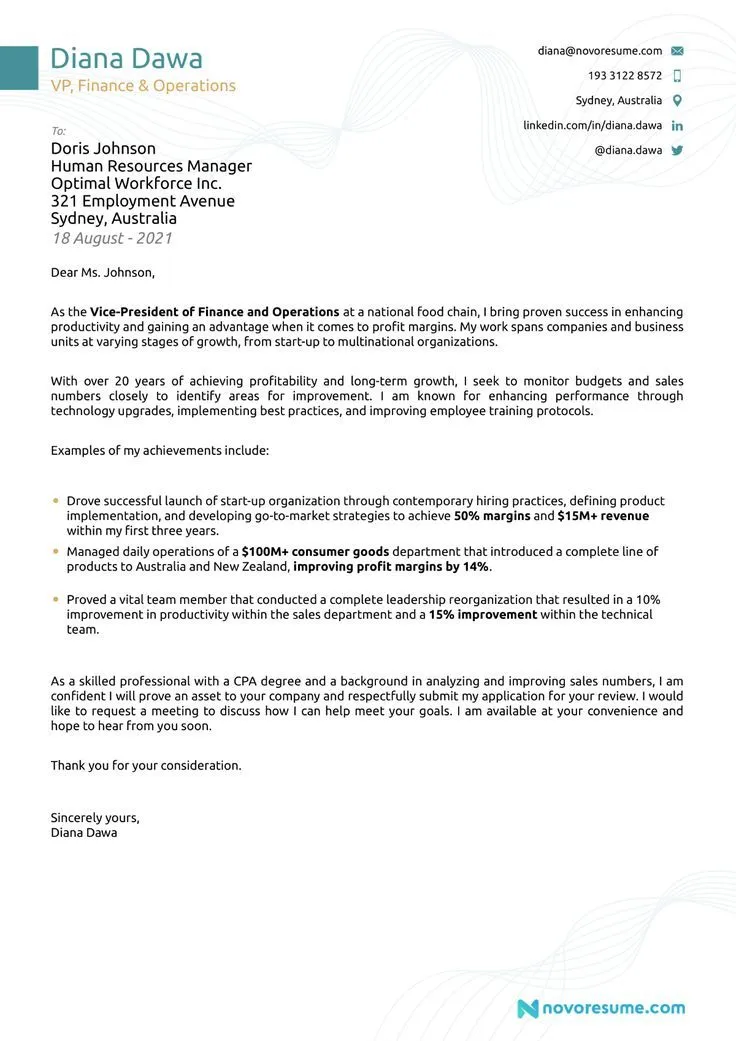
A professional cover letter template provides a structure for your letter, ensuring all key elements are included. This helps you present a complete and compelling case for your candidacy. Several core components need to be included in a professional cover letter to give the best chances of getting through to the next step. Each of these must be properly and correctly formatted to make your cover letter stand out. Failing to address each element of a cover letter properly can reduce the effectiveness of the letter and diminish the chance of getting an interview.
Contact Information

Begin your cover letter with your contact information. This should include your full name, phone number, email address, and, optionally, your LinkedIn profile URL. This information should be clearly visible at the top of the page, allowing the recruiter to easily reach you if they are interested in your application. Accuracy is critical here; double-check all details to avoid any miscommunication or delays in the recruitment process.
Your Name and Contact Details
List your full name prominently at the top, followed by your phone number, email address, and professional social media profile URL (like LinkedIn). Ensure all details are accurate and up-to-date.
Date
Following your contact information, include the date on which you are writing the cover letter. This helps the hiring manager understand when the application was submitted. Typically, the date is placed directly beneath your contact details, before the recipient’s information.
Recipient Information

Next, include the hiring manager’s name, their title, the company name, and the company’s address. If you are unable to find the name of the hiring manager, you may address the letter to ‘Hiring Manager’ or ‘Recruiting Team’. Always try to find a specific name to show you have done your research.
The Salutation
The salutation sets the tone for your cover letter. Use a professional greeting such as ‘Dear Mr./Ms./Mx. [Last Name]’ if you know the hiring manager’s name. If not, ‘Dear Hiring Manager’ or ‘Dear Recruiting Team’ are acceptable alternatives. Avoid generic greetings like ‘To Whom It May Concern’, which can make your letter seem impersonal.
Crafting a Compelling Opening
The opening of your cover letter is your first opportunity to capture the reader’s attention. Instead of simply stating your interest, start with a strong hook. Briefly mention where you saw the job posting, express your enthusiasm for the company or the role, and highlight a key skill or achievement that makes you a strong fit for the position. The opening should immediately grab the hiring manager’s attention and encourage them to read further.
Highlighting Your Value Proposition

The body of your cover letter is where you showcase your value proposition. This is where you explain how your skills, experience, and achievements align with the job requirements and the company’s needs. Use this space to articulate your key skills, provide relevant examples, and demonstrate how you have successfully handled challenges in the past. Avoid simply restating your resume; instead, provide context, tell a story, and show how your qualifications make you the ideal candidate.
Showcasing Relevant Skills and Experience
Align your skills and experience with the job description. Choose examples from your past roles where you have used these skills effectively. Mention specific projects, responsibilities, and accomplishments that demonstrate your capability and potential.
Quantifying Achievements
Whenever possible, quantify your achievements. Use numbers and data to show the impact of your work. For example, instead of saying you ‘increased sales’, state that you ‘increased sales by 15% in one quarter’. This concrete evidence is much more compelling.
Addressing the Job Requirements

Carefully review the job description and identify the key requirements. Then, in your cover letter, directly address these requirements. Explain how your skills and experience match each of the listed requirements, and provide examples to support your claims. This shows the hiring manager that you have carefully read the job description and understand what they’re looking for.
Expressing Enthusiasm and Interest
Throughout your cover letter, express your enthusiasm for the position and the company. Show that you have done your research and that you understand the company’s mission, values, and culture. Explain why you are excited about the opportunity and what you hope to contribute. This enthusiasm can make a lasting impression.
The Closing
The closing of your cover letter is your last chance to make a positive impression. It should reiterate your interest in the position, thank the hiring manager for their time and consideration, and include a call to action. Make it easy for them to contact you.
Formal Closing and Signature

Use a professional closing, such as ‘Sincerely’, ‘Best regards’, or ‘Thank you’. Follow this with your typed name. If you are submitting a hard copy of your cover letter, sign your name above your typed name.
Proofreading and Formatting Tips
Even with a great cover letter template, attention to detail is essential. Proofreading and proper formatting can make or break your application. Poorly formatted cover letters that contain multiple spelling and grammar errors are generally rejected, so proper formatting is important to increase your chances of getting through to the next round. Ensure your formatting is up to par and that the tone of your cover letter is suitable for the potential employer.
Checking for Errors
Always proofread your cover letter carefully. Check for spelling mistakes, grammatical errors, and typos. Have a friend or family member review your letter as well. Even a single error can undermine your credibility.
Formatting Best Practices

Use a clean, professional font like Arial, Times New Roman, or Calibri. Maintain consistent formatting throughout the letter. Use single-spacing within paragraphs and a double space between paragraphs. Ensure your letter is well-organized and easy to read. This will increase the hiring manager’s chance of getting the message of the cover letter.
Customizing Your Template
A free template is just a starting point. To truly impress, you need to customize it to fit the job and the company. The hiring manager will quickly be able to distinguish those who have simply copied and pasted a template from those who have put the effort into creating their own cover letter.
Tailoring to the Specific Job
Carefully read the job description and customize your cover letter to match. Highlight the skills and experiences that are most relevant to the position. Use keywords from the job description. This ensures your cover letter aligns with the employer’s specific needs.
Adding a Personal Touch
While maintaining professionalism, inject a personal touch. Share your genuine enthusiasm for the company and the role. Mention specific projects, achievements, or insights that demonstrate your interest and understanding of the company’s mission and values. This helps you stand out from other candidates.
Resources for Free Cover Letter Templates
Numerous websites offer free cover letter templates, providing a variety of styles and formats to choose from. These resources can save you time and help you create a professional cover letter quickly. Make sure you find templates that are suitable for your application and the format that you prefer. Some examples are provided below.
Where to Find Reliable Templates
Search online for reputable websites that offer free cover letter templates. Look for sites known for their career advice and resources. Make sure the templates are up-to-date and designed for professional use. Some websites offer a wide array of cover letter templates that can be adjusted and are appropriate for various professions.
Using Word Processors Effectively
Many word processors, like Microsoft Word and Google Docs, also provide cover letter templates. These templates are easy to customize and offer built-in formatting tools. If you choose this method, ensure your chosen word processor is capable of producing professional and well-formatted documents.
Final Thoughts on Cover Letter Templates
A free professional cover letter template is an excellent resource for job seekers. By using these templates effectively and personalizing them to fit each job application, you can create compelling cover letters that increase your chances of landing an interview. Remember to carefully tailor each letter, proofread meticulously, and showcase your unique skills and experiences to make a lasting impression. With the right template, you are well on your way to job search success.