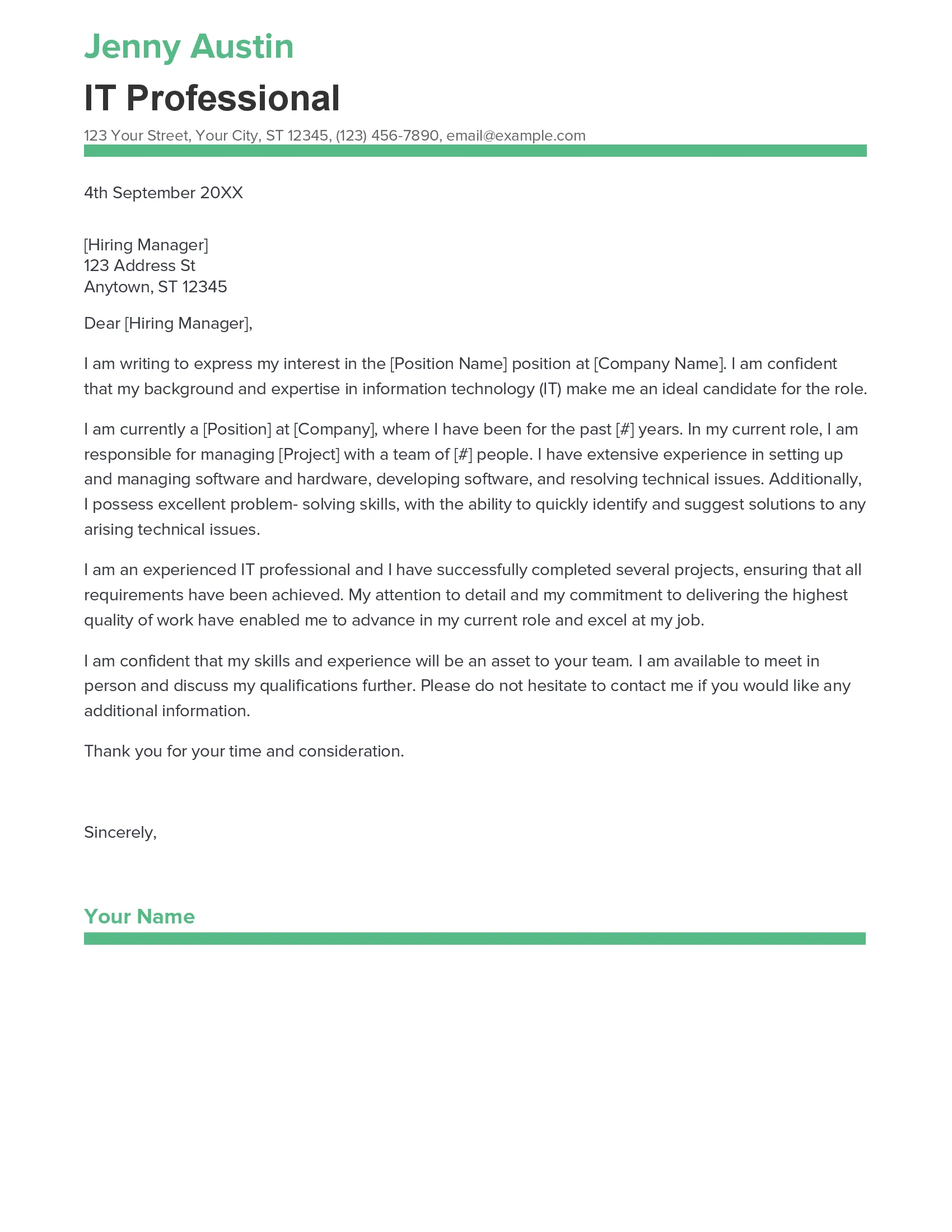
Why a Cover Letter Template Matters
In the competitive world of job applications, a well-crafted cover letter can be your secret weapon. A cover letter template serves as a foundational tool, offering a structured approach to present your qualifications and experiences. More than just a formality, it’s your chance to showcase personality, enthusiasm, and a genuine interest in the role. Using a template ensures you address all essential aspects, reducing the risk of overlooking critical information. It saves time, provides a consistent format, and allows you to focus on tailoring the content to each specific job. This structured approach boosts your chances of making a positive first impression and securing an interview. Understanding the value of a cover letter template is the first step in creating a document that truly impresses potential employers. Don’t underestimate its power in making you stand out from the crowd.
The Purpose of a Cover Letter Template
The primary purpose of a cover letter template is to streamline the job application process while ensuring that your message is both compelling and professional. It’s designed to introduce you to the hiring manager, highlight relevant skills and experiences, and express your interest in the position. A well-designed template acts as a roadmap, guiding you through the key elements that employers look for. It helps you articulate your value proposition concisely and effectively. By using a template, you’re able to present a polished and consistent application every time. Furthermore, it allows you to customize each letter, emphasizing the specific requirements of the job and demonstrating your understanding of the company’s needs. In essence, the template’s purpose is to help you create a persuasive document that increases your chances of landing an interview.
Key Components of a Cover Letter Template

A successful cover letter template typically comprises several essential components. These include a clear header with your contact information, a personalized salutation, and a compelling introductory paragraph. The body of the letter should highlight your relevant skills, experiences, and achievements, using specific examples to demonstrate your value. The conclusion should reiterate your interest in the role and express a call to action, such as requesting an interview. The structure ensures clarity, making it easy for the hiring manager to quickly grasp your qualifications. Each section must be well-written, concise, and focused on the job requirements. Using action verbs and quantifiable results can significantly enhance the impact of your letter. Remember, the best templates are flexible, allowing you to tailor content for each application, making them a powerful tool in your job search arsenal.
Header and Contact Information
The header of your cover letter template is the first thing a hiring manager sees, making it critical for creating a professional impression. It should include your full name, address, phone number, and email address. Ensure this information is accurate and easily accessible. You might also include a link to your LinkedIn profile or online portfolio if applicable. The header’s format should be clean, organized, and consistent with the overall design of your cover letter. Consider using a font size slightly larger than the body text to make your contact details stand out. Also, include the date and the recipient’s contact information, such as the hiring manager’s name, title, and company address. This attention to detail demonstrates your professionalism and helps the reader easily reach you. Using a consistent, well-designed header sets the tone for a positive first impression.
Salutation that Grabs Attention
A compelling salutation is your opportunity to immediately engage the hiring manager. While “Dear Hiring Manager” is acceptable, personalizing your greeting can make a significant difference. Research the hiring manager’s name and title to address the letter directly, showing initiative and attention to detail. If you’re unable to find a specific name, using a more general, yet still professional, greeting like “Dear [Department Name] Hiring Team” is also effective. Avoid overly casual or generic greetings. The salutation should set a professional tone and reflect the company culture if possible. Always ensure the spelling of the recipient’s name and title is correct. By crafting a tailored salutation, you demonstrate that you’ve put thought into your application, piquing the hiring manager’s interest from the start and making them more receptive to reading the rest of your cover letter.
Body Paragraphs Templates

The body paragraphs are the heart of your cover letter, where you showcase your skills, experiences, and enthusiasm. Start with a strong opening paragraph that grabs the reader’s attention and states the position you’re applying for. In the following paragraphs, highlight relevant experiences, providing specific examples that demonstrate your achievements and abilities. Use the STAR method (Situation, Task, Action, Result) to structure your examples, illustrating how you tackled challenges and achieved positive outcomes. Tailor each paragraph to match the requirements of the job description, focusing on the most relevant skills and experiences. Use keywords from the job posting to help the hiring manager quickly see you are a great fit. Ensure each paragraph is concise, focused, and easy to read. The body paragraphs must effectively communicate your qualifications and explain why you are the best candidate for the job.
Highlighting Skills and Experience
When highlighting your skills and experience, it’s crucial to focus on what makes you stand out. Start by identifying the key skills and experiences the employer is looking for in the job description. Then, structure your cover letter to directly address these requirements, using specific examples to illustrate your qualifications. Use action verbs to describe your accomplishments, such as “managed,” “led,” “developed,” and “achieved.” Quantify your results whenever possible, such as “increased sales by 15%” or “reduced costs by 10%.” Tailor your cover letter to match the specific needs of each job application. Don’t just list your skills; demonstrate how you’ve used them to achieve results in previous roles. Show that your experiences align with the company’s needs and culture. This targeted approach proves that you not only have the skills but can also deliver value to the company.
Quantifying Achievements Using Numbers
Quantifying your achievements adds significant weight to your cover letter, demonstrating your ability to deliver tangible results. Instead of vague statements, use numbers and data to showcase your accomplishments. For example, replace “Improved customer satisfaction” with “Increased customer satisfaction scores by 20%.” Include measurable achievements such as sales figures, cost reductions, or efficiency gains. Using numbers helps the hiring manager quickly assess your impact in previous roles and understand your value. When possible, provide specific metrics that reflect your contributions to previous companies. The more specific you can be, the more credible your claims will be. This technique not only makes your letter more compelling but also shows you are results-oriented and capable of contributing to the company’s success. By using numbers, you make a strong case for your abilities.
Tailoring the Cover Letter Template

Tailoring your cover letter to each job application is essential for making a positive impression. A generic cover letter suggests a lack of interest, whereas a customized one demonstrates that you’ve taken the time to understand the role and the company. Start by carefully reviewing the job description and identifying the key requirements and keywords. Customize your cover letter template to address these specific needs, highlighting the skills and experiences that align with the job’s demands. Research the company’s mission, values, and culture to show you understand their goals. Personalize the letter by mentioning specific projects, initiatives, or values that resonate with you and the company. This level of customization shows genuine interest and demonstrates that you’ve put in the effort to create a strong application. Always adapt your cover letter, reflecting your commitment and attention to detail.
Formatting and Design Tips
Effective formatting and design are crucial for making your cover letter visually appealing and easy to read. Use a professional and readable font, such as Arial, Times New Roman, or Calibri, in a font size between 10 and 12 points. Ensure consistent formatting throughout the document, including the use of headings, bullet points, and spacing. Keep paragraphs concise and easy to scan. Use white space to avoid a cluttered appearance. The overall design should be clean and uncluttered. Avoid using excessive colors or graphics that might distract from the content. Make sure your cover letter looks professional and reflects the company’s brand if you have information about the brand design. This attention to detail demonstrates professionalism and makes the reader more inclined to focus on your content. Proper formatting is a key step in creating an impactful cover letter.
Choosing the Right Template Style
Selecting the right cover letter template style can significantly impact how your application is perceived. Choose a template that suits the industry and the specific job you’re applying for. If you’re targeting a creative role, you might consider a more visually engaging template. For more traditional fields, a classic, professional template is often the best choice. Consider the format and design of different templates to find one that complements your skills and the company’s culture. Ensure the template is easy to customize, allowing you to highlight your unique qualifications. Don’t be afraid to experiment with different template styles, but always prioritize clarity and readability. By choosing the right template, you can convey professionalism and make your cover letter stand out in a positive way. The template should reflect your personal brand and the job you’re targeting.
Font and Readability

Font choice and readability are vital to ensure your cover letter is easy to read and conveys a professional image. Select a font that is widely readable, such as Arial, Times New Roman, or Calibri. These fonts are standard, making your letter easily accessible on any device. Choose a font size between 10 and 12 points for the body text and slightly larger for headings. This makes the text clear without being too small or overwhelming. Maintain consistent font sizes and styles throughout your letter. Use bolding for headings and subheadings to help the reader scan the document. Avoid using overly decorative or unusual fonts, as they can distract from the content. Ensure there is adequate spacing between lines and paragraphs to avoid a crowded appearance. Good font choices and proper formatting enhance the readability and ensure your message is easily understood.
Proofreading and Editing Your Template
Proofreading and editing are critical steps to ensure your cover letter is polished and professional. Always review your cover letter template for any grammatical errors, spelling mistakes, and typos. Check that your sentences flow logically and that your message is clear and concise. Read your letter aloud to catch any awkward phrasing or unclear sentences. Consider asking a friend, family member, or career advisor to review your template as well. A fresh pair of eyes can often spot errors that you might miss. Make sure all your contact information is accurate and that the recipient’s name and title are correct. Proofreading demonstrates attention to detail and shows you care about making a positive first impression. Taking the time to proofread significantly increases your chances of success, as a flawless cover letter is a strong representation of your professionalism.
Common Mistakes to Avoid
Avoid common pitfalls when crafting your cover letter to ensure your application stands out for the right reasons. One of the biggest mistakes is sending a generic cover letter that doesn’t address the specific job or company. Ensure you tailor your letter to each application. Another mistake is including irrelevant information or rambling for too long. Keep your cover letter concise and focused on the most important qualifications. Errors in grammar, spelling, or formatting can damage your credibility; always proofread carefully. Avoid being overly casual or using slang, maintain a professional tone throughout. Don’t simply repeat your resume; expand on your experiences with specific examples. Make sure your cover letter aligns with the job description. By avoiding these common mistakes, you will improve your application, increasing your chance of making a positive impression and getting an interview.
Templates for Different Job Types

Adapt your cover letter template to suit the specific job type you’re applying for, which is essential for making your application more relevant. For entry-level positions, focus on highlighting relevant skills, academic achievements, and any internship or volunteer experience. Tailor the letter to show your eagerness to learn and contribute. For professional roles, emphasize your experience, accomplishments, and how your skills align with the job requirements. Quantify your achievements wherever possible. If you’re applying for a creative role, your cover letter might showcase your creativity and design skills, including a portfolio link. In technical fields, highlight your technical expertise and any certifications. Tailoring your template shows that you understand the specific demands of the job and have the skills to succeed.
Entry-Level Position Templates
Entry-level cover letter templates should focus on demonstrating your potential and eagerness to learn. Since you may lack extensive professional experience, emphasize your academic achievements, any relevant coursework, and skills gained through internships, volunteer work, or extracurricular activities. Highlight your soft skills, such as communication, teamwork, and problem-solving abilities. Use the cover letter to express your enthusiasm for the position and your willingness to contribute to the company. Tailor the letter to show how your skills and experiences, even if limited, align with the job requirements. Mention specific goals and how you will add value. Be sure to proofread your cover letter carefully. An entry-level cover letter is your chance to show your character, passion, and your long-term career potential.
Professional Cover Letter Templates
Professional cover letter templates should emphasize your experience, accomplishments, and how your skills align with the job requirements. Highlight your relevant skills, achievements, and quantifiable results. Provide specific examples of how you have successfully performed in previous roles, using the STAR method to structure your examples. Focus on demonstrating your value to the company by showcasing your ability to contribute. Use keywords from the job description to demonstrate your understanding of the requirements. Tailor your letter to show your understanding of the company’s mission and culture, and how you can contribute. Make sure the tone is professional and reflects your experience and expertise. By doing this, your cover letter will highlight your qualifications and make you stand out as the ideal candidate.
Templates for Specific Industries

Tailoring your cover letter template to the specific industry you are targeting increases your chances of making a strong impression. Research the industry’s specific requirements and expectations. For example, in creative fields, your cover letter might highlight your portfolio and design skills. In the tech industry, emphasize your technical expertise and any relevant certifications. For jobs in the healthcare sector, showcase your experience and understanding of medical terminology. Tailor the language and tone to reflect the industry’s culture. Use industry-specific keywords and address your knowledge of the latest trends. By showing that you understand the nuances of a specific industry, you demonstrate your commitment and that you are serious about a career in that field. This approach will set you apart from other candidates and signal your relevant expertise.
Call to Action Closing
A strong call to action in your closing paragraph is crucial for guiding the hiring manager to the next step. State your interest in the position and reiterate your enthusiasm for the company. Clearly express your desire for an interview and provide your contact information again, making it easy for the recruiter to reach you. Avoid generic statements, such as “I look forward to hearing from you.” Instead, use phrases such as “I am eager to discuss my qualifications in an interview” or “I am available for an interview at your earliest convenience.” Thank the hiring manager for their time and consideration. A confident and clear call to action encourages the hiring manager to take the next step, increasing your chances of receiving an interview invitation. Make sure the closing reflects your enthusiasm and professionalism.
Expressing Enthusiasm
Expressing genuine enthusiasm in your cover letter is vital for making a positive impact. Let your passion for the job and the company shine through. Show your excitement for the opportunity by highlighting aspects of the role that appeal to you, and mention how your skills and experiences align with the company’s needs. Reference specific projects, initiatives, or values that resonate with you. Use positive and energetic language. Avoid generic statements, and instead, share your excitement and motivation. Mention how you envision contributing to the company’s success. By expressing your enthusiasm, you make your cover letter more engaging and memorable. A candidate’s passion will create a lasting impression on the hiring manager, encouraging them to see you as a valuable asset.
Thank You and Next Steps
Always conclude your cover letter with a sincere thank you and a clear indication of your next steps. Thank the hiring manager for their time, consideration, and the opportunity. Reiterate your interest in the position and include a call to action. Provide your contact information again to make it easy for them to reach out. State your availability for an interview and express your hope to hear back soon. Keep the tone professional, concise, and appreciative. End with a professional closing, such as “Sincerely” or “Best regards,” followed by your name. Proofread the entire letter to avoid any errors. The closing paragraph shows professionalism and sets a positive tone. It will leave a lasting impression on the hiring manager.