Understanding Cover Letter Templates Importance
In the competitive world of job applications, a well-crafted cover letter can be the key that unlocks the door to your dream job. While your resume provides a summary of your qualifications, the cover letter offers a crucial opportunity to showcase your personality, enthusiasm, and specific suitability for a particular role. Cover letter templates are invaluable tools that can guide you through the process, ensuring you present yourself in the best possible light. Understanding the importance of these templates is the first step towards crafting a cover letter that truly stands out. They provide a structured framework, helping you organize your thoughts and present your skills and experiences effectively. Moreover, using a template saves you valuable time and ensures you include all the necessary elements, increasing your chances of making a positive impression on the hiring manager. Whether you’re a seasoned professional or a recent graduate, mastering the art of cover letters is essential for career success. A strong cover letter not only highlights your accomplishments but also demonstrates your communication skills and attention to detail, critical qualities employers seek.
Why Cover Letter Templates Matter
Cover letter templates serve several important purposes, making them indispensable for anyone applying for a job. First and foremost, templates provide a professional structure. This structure helps you organize your thoughts logically, ensuring your cover letter is easy to read and understand. They also offer a starting point, eliminating the blank page syndrome and guiding you through the essential components of a cover letter. Furthermore, templates save you time and effort, as you don’t have to create everything from scratch. This is particularly beneficial when you’re applying for multiple jobs. By using a template, you can quickly customize your letter to suit each specific position. They also help you avoid common pitfalls by reminding you to include essential information, such as your contact details, the job title, and a clear statement of your interest. Ultimately, cover letter templates increase your chances of success by presenting a polished and professional image to potential employers. They allow you to focus on the content of your letter rather than the formatting, ensuring your key qualifications and enthusiasm shine through. Using a cover letter template is about presenting yourself as a strong, organized candidate who understands the importance of making a great first impression.
Key Components of a Winning Cover Letter

A winning cover letter comprises several key components, each playing a vital role in capturing the reader’s attention and securing an interview. First, a clear and professional header is essential, including your name, contact information (phone number, email, and optionally, your LinkedIn profile), and the date. Following the header, you’ll need to address the hiring manager or the specific person mentioned in the job posting. Next, a compelling opening statement is crucial. This is your chance to grab the reader’s attention and state the position you’re applying for and where you found the job posting. In the body of your letter, you’ll want to highlight your skills and experience, tailoring them to the specific requirements of the job. Provide examples of your achievements and quantify them whenever possible. This is where you showcase your accomplishments and demonstrate how you have added value in past roles. The closing statement should express your enthusiasm for the position, reiterate your interest, and include a call to action, such as requesting an interview. Finally, ensure your letter is free of errors. Proofread carefully for any typos or grammatical mistakes. The key components are the foundation of a successful cover letter, and understanding them is the first step toward crafting a document that gets you noticed.
Header Your Contact Information
The header of your cover letter serves as your first introduction to the hiring manager, making it crucial to get it right. Begin by including your full name at the top of the page, using a clear, professional font and a slightly larger font size to make it stand out. Underneath your name, list your contact information. This should include your phone number, email address, and optionally, your LinkedIn profile URL. Make sure your phone number is current and your voicemail is set up with a professional greeting. Use a professional email address; avoid using nicknames or unprofessional email handles. Including your LinkedIn profile allows the hiring manager to quickly learn more about your professional background and network. Arrange your contact information in a way that is easy to read and visually appealing. Consistency in formatting throughout your letter is important. This small but significant detail sets the tone for the rest of your letter, conveying professionalism and attention to detail, essential qualities employers look for.
Addressing the Hiring Manager
Addressing the hiring manager correctly can significantly impact your cover letter’s effectiveness. Whenever possible, find out the name of the hiring manager or the person in charge of the position. This demonstrates that you’ve taken the time to research the company and the specific role. You can usually find this information on the job posting, the company’s website, or LinkedIn. If you can’t find a specific name, use a general greeting like “Dear Hiring Manager” or “Dear [Company Name] Hiring Team.” Avoid generic greetings like “To Whom It May Concern,” as these lack personalization and can make your application feel less engaging. When using a name, always double-check the spelling and ensure you use the correct title (Mr., Ms., Dr., etc.). If the job posting mentions a department or team, you can address it directly (e.g., “Dear Marketing Team”). Personalizing your greeting shows you’ve taken the extra step to connect with the company, which can make a positive first impression and help you stand out among other applicants. It is a simple yet effective way to make your application more personable.
Crafting a Compelling Opening Statement

Your opening statement is your chance to grab the reader’s attention right from the start, setting the tone for your entire cover letter. Begin by clearly stating the position you are applying for, ensuring there is no ambiguity about your intentions. Briefly mention where you found the job posting, whether it was on a job board, the company website, or through a referral. This provides context for your application. Immediately after, express your enthusiasm for the role and the company. Show that you’ve done your research and that you are genuinely excited about the opportunity. You might also include a brief statement about why you are a good fit for the role, highlighting a key skill or experience that aligns with the job requirements. This introductory paragraph should be concise, engaging, and tailored to the specific job description. A well-crafted opening statement immediately tells the reader what you are applying for and why you believe you are the ideal candidate. This initial impression is crucial for making the reader want to continue reading and learning more about your qualifications and interest in the role. Make sure your opening is tailored to each application; generic openings are less effective.
Highlighting Your Skills and Experience
The body of your cover letter is where you showcase your skills and experience, making a compelling case for why you’re the perfect candidate. Tailor this section specifically to the job requirements outlined in the job description. Carefully read through the requirements and identify the key skills and experiences the employer is seeking. Then, highlight how your qualifications align with these requirements. Provide specific examples of your achievements, using the STAR method (Situation, Task, Action, Result) to explain how you’ve succeeded in previous roles. Quantify your accomplishments whenever possible. For example, instead of saying “Improved customer satisfaction,” say “Increased customer satisfaction by 15% through implementing a new feedback system.” This provides concrete evidence of your abilities and demonstrates your value. Focus on the experiences and skills most relevant to the job you are applying for. While it’s tempting to include everything, it’s more effective to showcase your most relevant accomplishments in detail. Remember to use keywords from the job description to further demonstrate your understanding of the role and your suitability. This targeted approach helps the hiring manager quickly see the value you bring. Your cover letter should be a concise and compelling narrative of your professional background.
Tailoring Your Cover Letter to the Job
Tailoring your cover letter to each job application is crucial for standing out and demonstrating your genuine interest in the role and the company. Generic cover letters are easily identifiable and often lead to rejection. Start by carefully reading the job description and identifying the key skills, experiences, and qualifications the employer is seeking. Then, align your cover letter to those requirements. Highlight your relevant skills and experiences, providing specific examples of how you have demonstrated those skills in previous roles. Use keywords from the job description throughout your letter, but do so naturally, ensuring your writing flows and sounds authentic. Research the company and the role to understand their values, culture, and goals. This will help you tailor your letter to their specific needs and demonstrate that you are genuinely interested in working for them. Refer to specific projects or achievements that are relevant to the job. If you have previously worked in a similar industry or held a similar role, emphasize how your experience translates to the new opportunity. By tailoring your letter, you show the hiring manager that you’ve taken the time to understand the role and that you are a good fit for the company. This effort significantly increases your chances of getting noticed and being invited for an interview.
Using Keywords Effectively

Incorporating keywords from the job description is a crucial element of writing an effective cover letter. Many companies use Applicant Tracking Systems (ATS) to screen applications. These systems scan for keywords and phrases, so if your letter doesn’t contain the relevant terms, it may be automatically rejected. Carefully review the job description and identify the most important keywords related to skills, qualifications, and experience. Integrate these keywords naturally into your cover letter. Do not simply stuff your letter with keywords; instead, weave them into your sentences. Use them when describing your skills, experiences, and achievements. For instance, if the job description mentions “project management,” ensure you incorporate this phrase when discussing your experience with managing projects. However, also use synonyms and related terms to avoid sounding repetitive. For example, instead of repeatedly using “project management,” you might also use phrases like “project coordination” or “project execution.” By strategically using keywords, you increase the likelihood of your cover letter passing through the ATS and being reviewed by a hiring manager. Remember, the goal is to show how your skills and experience align with the job requirements, and keywords are a tool to help you achieve that.
Showcasing Your Achievements
Highlighting your achievements is a key aspect of a persuasive cover letter, demonstrating your value to potential employers. Instead of merely listing your responsibilities, focus on quantifiable achievements that showcase your impact in previous roles. Use the STAR method (Situation, Task, Action, Result) to structure your examples. First, briefly describe the situation you were in, outlining the context of your achievement. Next, explain the task you were assigned or the problem you needed to solve. Then, detail the actions you took to address the task or solve the problem, emphasizing your skills and abilities. Finally, present the results of your actions, quantifying them whenever possible. For example, instead of saying “Managed social media accounts,” you might write “Increased social media engagement by 30% within six months by implementing a new content strategy.” Use action verbs to begin each accomplishment, such as “achieved,” “managed,” “implemented,” or “led.” This helps create a dynamic and engaging narrative. When describing your achievements, focus on the impact you made. Show how your actions benefited your previous employers. By showcasing your achievements, you provide concrete evidence of your capabilities and make a stronger case for your suitability for the job.
Writing a Strong Closing Statement
Your closing statement provides a final opportunity to leave a positive impression and encourage the hiring manager to contact you. Begin by expressing your enthusiasm for the opportunity and reiterate your interest in the position. Refer back to the key skills and experiences you highlighted in your letter, reinforcing your suitability for the role. Include a call to action, such as requesting an interview or suggesting a time to discuss your qualifications further. Be polite and professional in your closing. Thank the hiring manager for their time and consideration. Avoid using generic phrases; instead, tailor your closing to the specific role and company. For example, if the company values innovation, you might express your excitement about contributing to their innovative culture. Keep the closing concise, but make sure it is impactful. Proofread it carefully to ensure there are no errors. A strong closing statement reaffirms your interest and encourages the hiring manager to take the next step. It’s your final chance to make a lasting impression and increase the likelihood of securing an interview. Conclude with a confident statement that leaves a favorable impression.
Expressing Enthusiasm and Gratitude

Expressing enthusiasm and gratitude throughout your cover letter is vital for making a positive impression on the hiring manager. Show your genuine interest in the role and the company, letting your excitement for the opportunity shine through. Avoid sounding generic; tailor your enthusiasm to the specific job and company. Research the company’s mission, values, and recent achievements to demonstrate your understanding and interest. In the opening statement, briefly state your enthusiasm for the role and where you found the posting. In the body of your letter, highlight how your skills and experience align with the job requirements. Show that you understand the needs of the role and are excited to contribute. In the closing statement, reiterate your interest and thank the hiring manager for their time and consideration. Show gratitude for the opportunity to be considered for the position. Positive and grateful language conveys professionalism and a sincere desire to contribute. Your enthusiasm, combined with your qualifications, helps you stand out from other applicants. A genuine expression of gratitude demonstrates respect for the hiring manager’s time and increases your chances of making a positive impression, helping to secure an interview.
Choosing the Right Cover Letter Template
Choosing the right cover letter template is the next essential step after understanding the components of a winning cover letter. The template you choose should be professional, easy to read, and tailored to your needs. There are various types of templates available, each with its own style and structure. Consider the industry and the type of job you’re applying for when selecting a template. Some templates are more formal and suitable for corporate roles, while others are more creative and might be appropriate for jobs in the design or marketing fields. Ensure the template is well-formatted with clear headings, a logical flow, and appropriate spacing. Avoid templates that are overly ornate or difficult to read. Focus on templates that highlight your skills and experience. Consider using templates that allow you to easily tailor your letter to each job application. Look for templates that can be easily customized with your contact information, skills, and achievements. When choosing, review several options to find the one that best suits your style and the specific job. Ultimately, the right template will help you present your qualifications in the most compelling and professional way, increasing your chances of getting noticed.
Template Type Choosing
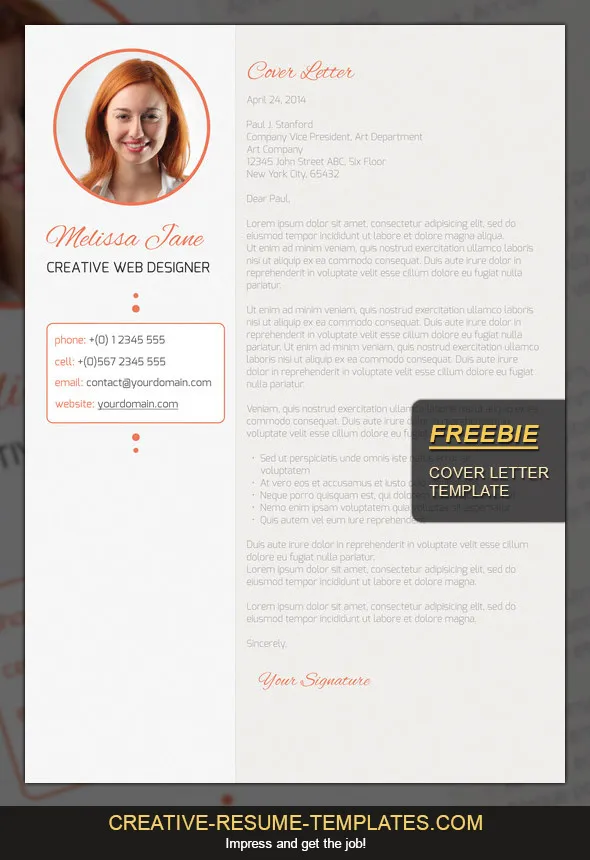
Different cover letter template types are designed for various purposes and situations. Knowing the different types helps you choose the most appropriate template for your needs. The most common types include the traditional cover letter, the skills-based cover letter, and the modern cover letter. The traditional template is formal and focuses on your work history. It is a good choice for most roles and industries, as it follows a standard format with clear paragraphs and a professional tone. The skills-based template highlights your skills and qualifications rather than focusing on your chronological work history. This is particularly useful if you are changing careers, have gaps in your employment, or lack direct experience. It emphasizes what you can do for the employer. The modern cover letter templates offer a more creative design. They often include visual elements, such as icons, and a more dynamic layout. These are best suited for creative industries or roles where a visually appealing presentation is valued. Evaluate your professional background, the job requirements, and the industry standards. Then choose the template that best allows you to showcase your qualifications and impress the hiring manager. Choose a template that best complements the job you’re applying for and represents your unique qualifications and background.
Format and Design Considerations

The format and design of your cover letter are just as important as the content. A well-formatted and visually appealing letter makes a positive first impression and increases the likelihood of the hiring manager reading and considering your application. Use a professional font, such as Times New Roman, Arial, or Calibri, ensuring it’s easy to read. Choose a font size between 10 and 12 points. Use consistent formatting throughout your letter, including font style, size, and spacing. Maintain consistent margins, usually between 1 and 1.5 inches on all sides. Use single-spacing within paragraphs and double-spacing between paragraphs. This improves readability. Use clear headings to separate sections, making the letter easy to navigate. Bold the headings to make them stand out. Choose a simple, clean design that is not overly cluttered. Avoid excessive colors or graphics, which can distract from the content. Ensure your letter is well-organized with a logical flow, guiding the reader through your qualifications. By paying attention to formatting and design, you enhance the professionalism and readability of your letter, making it more likely to capture the attention of the hiring manager. The goal is to create a document that is visually appealing and easy for the reader to scan quickly while ensuring the essential details stand out.
Where to Find Cover Letter Templates
Fortunately, numerous online resources offer a wide variety of cover letter templates, making it easier than ever to find the perfect starting point. These resources range from free websites offering basic templates to premium platforms that provide more advanced designs and customization options. The availability of these resources makes it simple to craft a professional-looking cover letter without spending hours designing it from scratch. Many career websites, such as Indeed, Monster, and LinkedIn, provide free cover letter templates. These templates are generally well-formatted and cover various industries and job types. Websites such as Canva offer a range of customizable cover letter templates. Canva allows you to personalize the design, colors, and layout to match your individual style. Microsoft Word also includes cover letter templates. You can find these templates in the “New” document section when you start a new document. Premium resume and cover letter builders, like Resume.io and Kickresume, often include sophisticated templates and tools for customizing your cover letter. These tools help you streamline the writing process and ensure your letter meets all the necessary standards. Always ensure the templates you choose are professional and free of errors. By using these resources, you can create a professional and compelling cover letter that helps you stand out and increases your chances of landing an interview. Start with your industry or desired roles and explore different options to find the best fit for your needs.
Online Resources and Websites
Numerous online resources and websites offer cover letter templates, providing you with a wealth of choices to suit your specific needs. These resources vary from free, basic templates to premium options with advanced customization features. Popular job search websites like Indeed, Monster, and LinkedIn offer a range of templates, often free of charge. These templates are designed to meet industry standards and are a great starting point. Websites specializing in resume and cover letter templates, such as Resume.io and Kickresume, provide more sophisticated and professionally designed templates. These platforms usually offer additional tools, such as resume builders and formatting options, to simplify the writing process. Design platforms, like Canva, are popular for their customizable cover letter templates. Canva allows you to personalize the design, colors, and layout of the templates. Microsoft Word has integrated cover letter templates. They are available when you open a new document. Explore each of these resources and consider which one best matches your preferences and needs. By using these online resources, you can create a well-formatted and professional cover letter without having to design it yourself. Be sure to review several options before choosing, and always customize the templates to accurately reflect your skills, experience, and the requirements of the specific job application. The correct template will help you get noticed!
Creating Your Own Cover Letter Template

While cover letter templates are incredibly useful, you can also create your own custom template to better reflect your personal brand and career goals. This allows you to tailor your cover letter to your unique needs. Begin by opening a word processing program, such as Microsoft Word or Google Docs. You can then start from scratch or base your template on an existing, basic template. Start with a clear header including your contact information. Next, include a date, followed by the hiring manager’s name and address (if known) or the company’s address. Then, create the main sections of your cover letter, including an opening statement, body paragraphs highlighting your skills and experience, and a closing statement. Use clear headings and subheadings to structure your letter logically. Choose a professional font, such as Times New Roman, Arial, or Calibri, and maintain consistent formatting throughout. Ensure your letter is well-spaced, with adequate margins and spacing between paragraphs. Customizing your template allows you to showcase your brand and highlight your key accomplishments in a way that is tailored to you. Creating your own template gives you complete control over the design, ensuring that it aligns perfectly with your style and the specific needs of your job search. After crafting your template, save it, and then you can use it as the starting point for each cover letter, updating it to suit each application.
Editing and Customizing Templates
Once you have selected or created a cover letter template, editing and customizing it is vital to ensure it accurately represents your qualifications and is tailored to the specific job application. Start by replacing the placeholder text in the template with your own information, including your contact details, the date, and the hiring manager’s name (if available). Tailor the content of your cover letter to the requirements of the specific job. Carefully read the job description and highlight the key skills, experiences, and qualifications that the employer is seeking. Then, modify the template to showcase how your skills and experience align with those requirements. Use action verbs to describe your accomplishments, providing specific examples of your achievements and quantifying them whenever possible. Remove any irrelevant information that does not directly relate to the job. Customize the language to match the tone and style of the company. If the company culture is more casual, you can adjust your language accordingly, while maintaining professionalism. Ensure that the tone of your letter is appropriate for the industry and the specific role. By editing and customizing your cover letter template, you personalize it to accurately reflect your qualifications, and demonstrate your genuine interest in the role. This effort significantly increases your chances of making a positive impression and getting noticed by the hiring manager.
Tips for Proofreading and Editing
Proofreading and editing are essential steps in ensuring your cover letter is polished, professional, and error-free. Mistakes in your cover letter can make a negative impression and undermine your credibility. Always proofread your cover letter multiple times. Read through your letter carefully, checking for any typos, grammatical errors, and inconsistencies in formatting. Read your letter aloud to catch any awkward phrasing or sentences. This helps identify areas where the writing might not flow smoothly. Use spell-check and grammar-check tools, but don’t rely solely on these tools. They may not catch all errors, especially those related to context. Ask a friend, family member, or career advisor to review your cover letter. A fresh pair of eyes can often catch errors you might have missed. Check for consistency in formatting, including font style, font size, spacing, and margins. Ensure that your letter is well-structured, with clear headings and a logical flow. Proofread the letter once more after making any revisions. Take your time. Rushing can lead to overlooked errors. A well-proofread and edited cover letter reflects your attention to detail and professionalism, greatly increasing your chances of a positive impression on the hiring manager. It is critical to ensuring your written communication is clear, concise, and error-free, showcasing your skills in the best possible light.
Avoiding Common Mistakes
Avoiding common mistakes in your cover letter can significantly improve your chances of getting noticed and securing an interview. One of the most common mistakes is sending a generic cover letter. Tailor each cover letter to the specific job application, highlighting your relevant skills and experience. Use the keywords from the job description to indicate you understand the requirements. Another mistake is not proofreading. Always proofread your cover letter carefully for any typos, grammatical errors, and formatting inconsistencies. Make sure you use professional language and tone throughout your cover letter. Avoid slang, jargon, and informal language. Exceeding the recommended length is also a common mistake. Aim for one page, unless otherwise specified. Ensure you highlight your most relevant skills and experience. Another mistake is not researching the company. Take the time to research the company and the role. This demonstrates your interest and helps you tailor your letter to their needs. Including irrelevant information can also weaken your letter. Focus on the skills and experience that are relevant to the job. By avoiding these common mistakes, you can significantly improve the quality of your cover letter and demonstrate your professionalism. Always take your time and ensure that you create a strong cover letter.
Ensuring Your Cover Letter Stands Out
To ensure your cover letter stands out from the competition, it’s essential to go beyond the basics and incorporate elements that capture the reader’s attention. One effective strategy is to highlight your unique value proposition. Clearly articulate what sets you apart from other candidates and what you can bring to the role. Quantify your achievements whenever possible, providing specific examples of your accomplishments and their positive impact. Use action verbs to start your accomplishments and demonstrate your skills. Tailor your cover letter to the specific company and role, showing that you’ve researched the company and understand their needs. If possible, connect your experience to the company’s values and goals. Personalize your cover letter by addressing the hiring manager by name. This demonstrates that you’ve taken the time to research the company and the opportunity. Maintain a professional tone, but don’t be afraid to let your personality shine through. Show your enthusiasm for the role and the company. Proofread your cover letter carefully for any errors. A polished and error-free letter shows that you pay attention to detail. By incorporating these strategies, you create a cover letter that is not only informative but also engaging and memorable. This helps you stand out and significantly increases your chances of securing an interview.