Cover Letter Templates How-To Guide
In the competitive job market, a well-crafted cover letter is essential for making a strong first impression. Cover letter templates offer a significant advantage, providing a structured framework and saving valuable time. This comprehensive guide explores how to write effective cover letters using templates, ensuring your application stands out. Discover the benefits, essential elements, and formatting tips, along with five key strategies for creating a winning cover letter that lands you an interview. Utilizing cover letter templates is a smart way to streamline your job application process while maintaining professionalism and impact. Let’s dive into the world of cover letter templates and how they can transform your job search.
What is a Cover Letter Template?
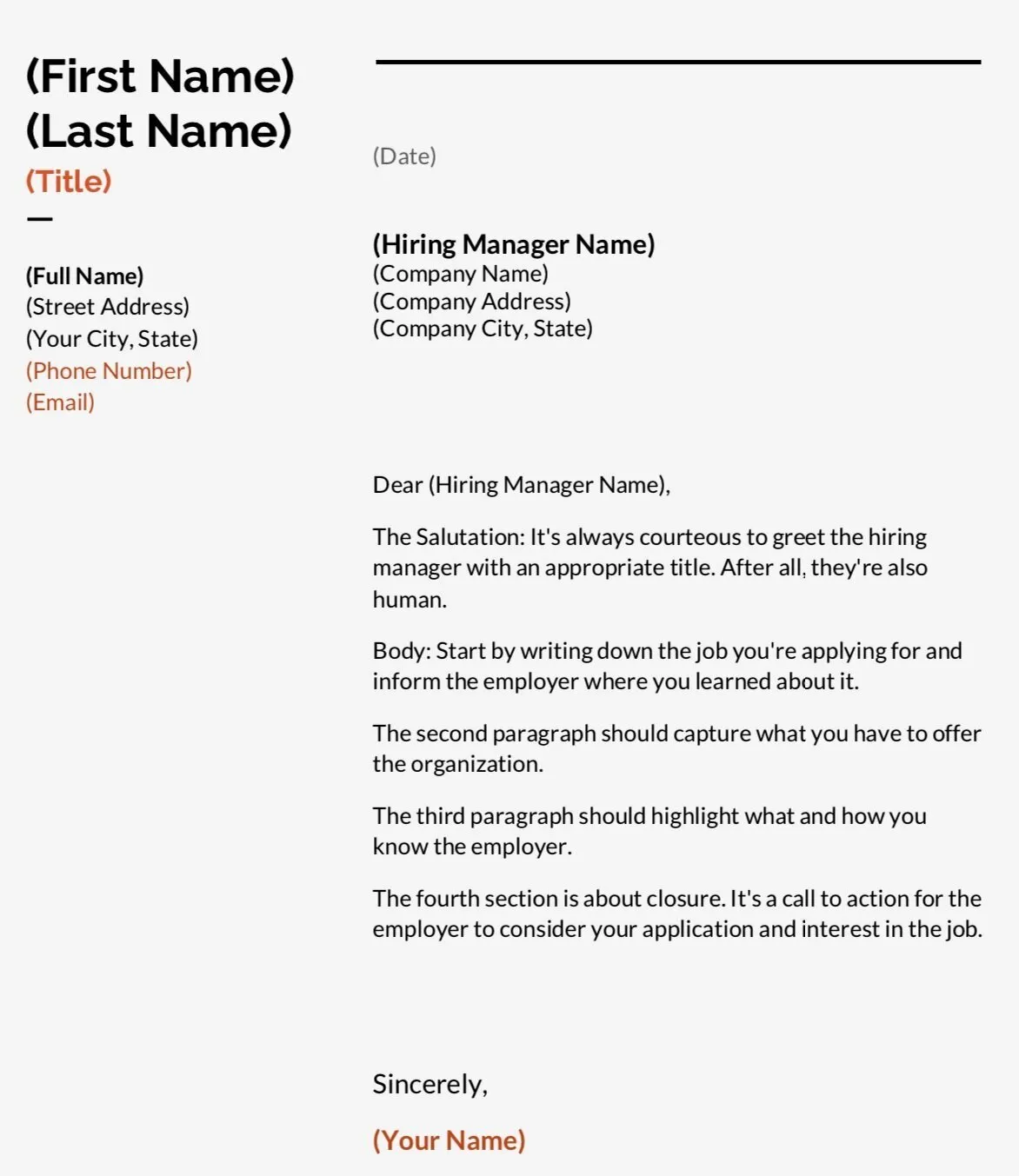
A cover letter template is a pre-designed document that provides a basic structure and format for writing a cover letter. These templates typically include placeholders for your personal information, the hiring manager’s details, and sections for introducing yourself, highlighting your skills, and expressing your interest in the position. They act as a starting point, guiding you through the process of creating a professional cover letter. Templates save time and ensure you include all the necessary components, from the salutation to the closing, making your application process more efficient and organized. By using a template, you don’t have to start from scratch, allowing you to focus on tailoring the content to the specific job and your qualifications.
Benefits of Using Cover Letter Templates

Using cover letter templates offers numerous advantages for job seekers. First and foremost, templates save time. Instead of starting from a blank page, you begin with a ready-made format that guides your writing. This is especially helpful when applying for multiple jobs, as it allows you to customize your cover letter quickly. Furthermore, templates ensure that you include all the essential elements of a cover letter, such as contact information, a compelling opening, and a strong closing. Templates help you maintain a consistent and professional appearance, which increases the chances of your application being taken seriously. Finally, many templates are designed with SEO in mind, helping your application stand out.
Types of Cover Letter Templates
Cover letter templates come in various styles, catering to different needs and industries. The most common types include the professional template, which is a classic and formal option suitable for most job applications. The modern template, often with a more creative layout, is ideal for fields like design and marketing. A functional template emphasizes your skills and abilities rather than your work history, perfect for those with gaps in their employment. Finally, a combination template blends elements of the chronological and functional approaches, highlighting both your skills and experience. Choosing the right template depends on the job you are applying for and your individual career goals.
Essential Elements of a Cover Letter
Contact Information

Begin your cover letter with your contact information. This typically includes your full name, phone number, email address, and optionally, your LinkedIn profile URL. Place this information at the top of the letter, either left-aligned or centered. Ensuring your contact details are correct and easily accessible allows recruiters and hiring managers to quickly reach you. This is a critical first step in making it easy for potential employers to contact you for an interview. Double-check all details for accuracy to avoid any missed opportunities.
Greeting
The greeting is the opening of your cover letter. Ideally, address the hiring manager by name. If you know the name of the person who will be reviewing your application, use a formal greeting like “Dear Mr. Smith.” If you cannot find the hiring manager’s name, use a general greeting, such as “Dear Hiring Manager” or “Dear [Company Name] Team.” Avoid overly casual greetings, such as “Hello,” which can make your application appear less professional. Using the correct greeting demonstrates your attention to detail and respect for the recipient.
Opening Paragraph
The opening paragraph sets the tone for your cover letter. Start by stating the position you are applying for and where you found the job listing. Briefly mention why you are interested in the role and the company. Make a strong first impression by highlighting a key skill or achievement that aligns with the job requirements. This section should immediately capture the reader’s attention and encourage them to continue reading. A well-crafted opening paragraph clearly demonstrates your enthusiasm and qualifications, increasing the likelihood that your application will be considered.
Body Paragraphs

The body paragraphs are the core of your cover letter. Here, you provide details about your skills, experience, and accomplishments. Tailor each paragraph to the specific job requirements, using examples to show how your qualifications match the position. Quantify your achievements whenever possible by using numbers and data to demonstrate your impact. Relate your skills and experiences to the company’s needs and explain how you can contribute to their goals. Structure your paragraphs logically and concisely to maintain the reader’s interest. This section showcases your value proposition.
Closing Paragraph
Conclude your cover letter with a strong closing paragraph. Reiterate your interest in the position and the company. Summarize your key qualifications and express your enthusiasm for an interview. Thank the hiring manager for their time and consideration. Include a call to action, such as stating that you look forward to hearing from them soon. Proofread the entire letter to ensure there are no errors before sending it. A well-written closing paragraph leaves a lasting positive impression.
Formatting Your Cover Letter
Font and Size

Choose a professional and readable font for your cover letter. Common choices include Times New Roman, Arial, or Calibri. Ensure the font size is between 10 and 12 points. Avoid overly stylized or decorative fonts, as they can be difficult to read and may appear unprofessional. Consistency is key. Use the same font throughout your cover letter to create a clean and polished appearance. Proper font selection and size make your cover letter easy to read and help you make a positive first impression.
Margins and Spacing
Set your margins to one inch on all sides of the document. This provides ample white space, making your cover letter more visually appealing and easier to read. Use single-line spacing within paragraphs and double-line spacing between paragraphs. Proper spacing enhances readability and prevents the document from appearing cluttered. Consistent margins and spacing create a professional layout that shows your attention to detail and respect for the reader.
File Format
Save your cover letter as a PDF file before submitting it. A PDF (Portable Document Format) ensures that your formatting remains consistent across different devices and operating systems. This prevents any layout changes that might occur if the recipient opens the document in a different word processor. Always double-check the PDF file to make sure it looks exactly as you intended. Sending your cover letter as a PDF is a standard practice that shows your professionalism and technical proficiency.
5 Tips for Writing a Perfect Cover Letter Using Templates

Customize the Template
While templates provide a solid foundation, customizing them is crucial. Personalize the template by replacing the placeholder text with your specific information and tailoring the content to the job description. Don’t just fill in the blanks; make sure the content reflects your unique skills and experiences. Research the company and the role, and customize the template to address their specific needs and values. Your goal is to make the cover letter feel like it was written specifically for that job. Customization will make your cover letter stand out from the crowd.
Highlight Relevant Skills and Experience
Focus on the skills and experiences that are most relevant to the job you are applying for. Review the job description carefully and identify the key requirements. Then, highlight your experiences that demonstrate you possess those skills. Use action verbs to describe your accomplishments and responsibilities. Show, don’t just tell, by providing specific examples of how you have used your skills to achieve results. Aligning your skills and experience with the job requirements increases your chances of getting an interview.
Quantify Your Achievements

Quantify your achievements to make your cover letter more impactful. Use numbers and data to demonstrate your accomplishments. For example, instead of saying “Improved sales,” say “Increased sales by 15% in one quarter.” Quantifying your achievements provides concrete evidence of your abilities and helps the hiring manager understand your value. Whenever possible, include metrics and specific results to show the impact of your work. Quantification makes your achievements more credible and memorable.
Proofread Carefully
Proofread your cover letter meticulously before submitting it. Check for spelling, grammar, and punctuation errors. These errors can undermine your credibility and make you appear unprofessional. Read the letter aloud to catch any awkward phrasing or sentence structure issues. Ask a friend or colleague to proofread your cover letter as a second pair of eyes can often spot mistakes you might miss. Proofreading is a critical step in ensuring your cover letter makes a positive impression.
Tailor to the Specific Job
Always tailor your cover letter to the specific job you are applying for. Do not use a generic cover letter for all applications. Research the company and the position and address their specific needs and requirements. Customize the template by highlighting the skills and experiences that are most relevant to the job. Show the hiring manager that you understand their needs and that you have the qualifications to succeed in the role. Tailoring your cover letter demonstrates your genuine interest and increases your chances of getting an interview.
Where to Find Cover Letter Templates

Free Online Resources
Many websites offer free cover letter templates. Websites like Microsoft, Google Docs, and various career-focused platforms provide a wide range of templates in different styles and formats. These free resources are a great starting point for creating your cover letter, especially if you are on a budget. Explore different options to find a template that matches your needs and the job you are applying for. Be sure to customize the free templates to fit your unique qualifications and the specific job description.
Professional Template Providers
If you are looking for more polished and professionally designed templates, consider using professional template providers. These platforms often offer a wider variety of templates, including templates specifically designed for various industries and job types. While these templates may come at a cost, they often provide more advanced features and customization options. Professional templates can save you time and effort and help you create a cover letter that stands out. Popular providers include Resume.io, Canva, and others.
Creating Your Own Template
You can also create your own cover letter template using word processing software like Microsoft Word or Google Docs. This gives you complete control over the design and format of your cover letter. Start with a basic layout and customize it to your liking. You can save your customized template and reuse it for future applications, making it easier to personalize each cover letter. Creating your own template allows you to build a unique and customized cover letter that reflects your personal brand. The flexibility allows you to cater your cover letter to your unique qualifications.
Conclusion
Writing an effective cover letter is a crucial part of the job application process. By using cover letter templates, you can streamline the process, save time, and ensure that you include all the essential elements. Remember to customize the template to match the specific job requirements, highlight relevant skills and experience, quantify your achievements, and proofread carefully. Tailoring your cover letter to the specific job, using a professional format, and demonstrating your unique value proposition are keys to landing your dream job. With these tips, you are well on your way to writing a cover letter that gets you noticed and helps you land an interview. Good luck with your job search!