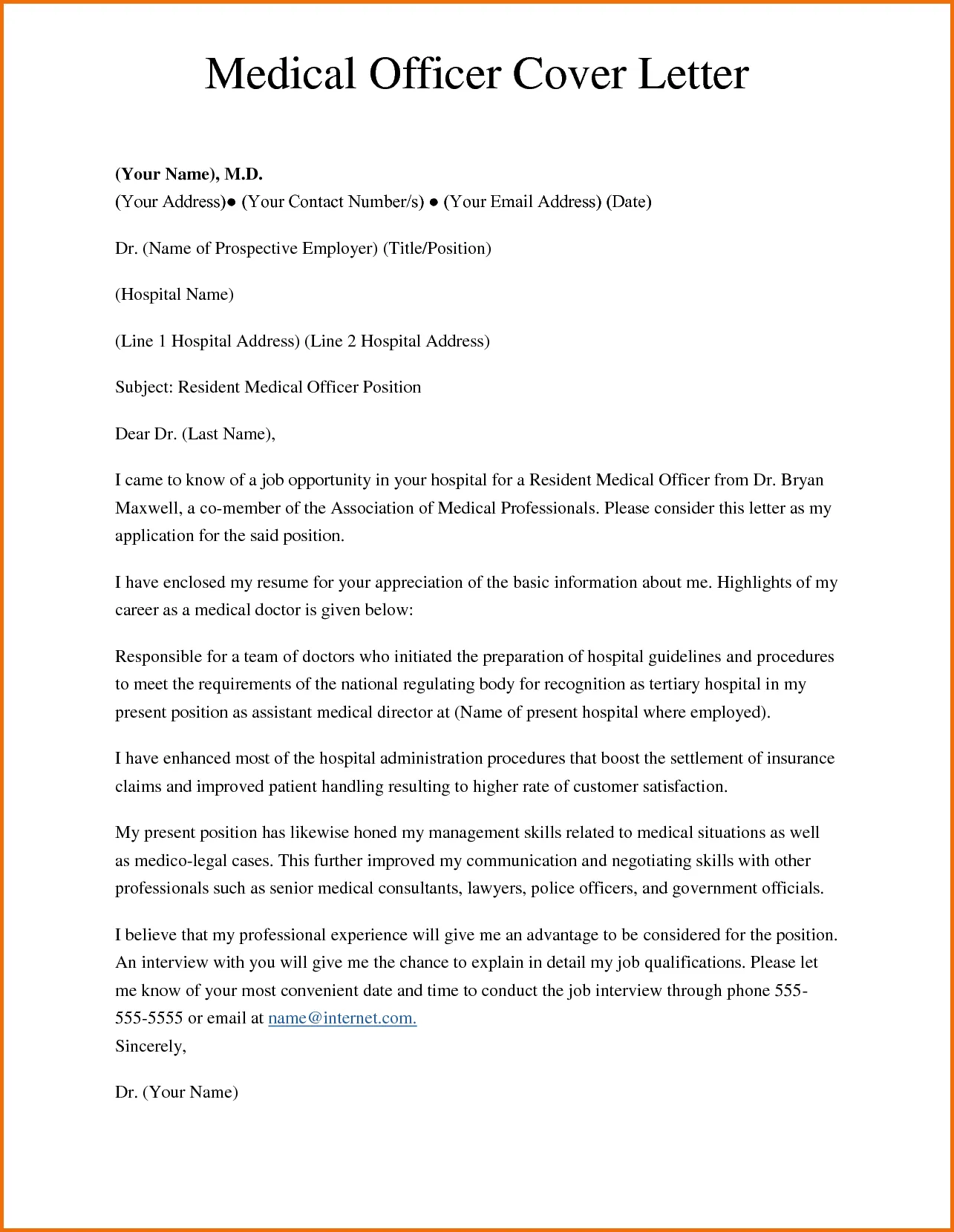
Crafting a Compelling Medical Cover Letter
A well-crafted cover letter is your first opportunity to make a strong impression on potential employers in the medical field. It’s more than just a formality; it’s a critical tool that can significantly increase your chances of landing an interview. A compelling cover letter should be a personalized and targeted document, showcasing your unique qualifications, skills, and enthusiasm for the specific medical position you’re applying for. It serves as an introduction, a summary of your key strengths, and a demonstration of your interest in the role and the organization. By understanding the purpose and following key tips, you can create a cover letter that effectively communicates your value and sets you apart from other candidates. Remember to tailor your letter to each position, highlighting the aspects of your experience that are most relevant.
Understanding the Purpose of a Cover Letter
The primary purpose of a cover letter is to introduce yourself to the hiring manager and explain why you are the ideal candidate for the medical position. Unlike a resume, which presents a factual account of your experience and qualifications, a cover letter allows you to tell a story about yourself. It’s an opportunity to showcase your personality, express your passion for medicine, and demonstrate how your skills align with the specific requirements of the job. The cover letter should highlight your most relevant accomplishments and provide context to your resume. It should also demonstrate your understanding of the role, the healthcare facility, and what you can bring to the table. The letter is a chance to make a personal connection and persuade the reader to learn more about you.
Highlighting Your Skills and Experience

Your cover letter should emphasize the skills and experiences that are most relevant to the medical position. Carefully review the job description and identify the key requirements and qualifications. Then, choose specific examples from your background that demonstrate your ability to meet those requirements. The key is to provide concrete examples of your achievements. For instance, instead of just saying that you have good communication skills, describe a situation where you effectively communicated complex medical information to patients or their families. Focus on quantifiable results whenever possible, such as the number of patients you’ve treated or the efficiency improvements you’ve achieved. Tailor your examples to reflect the specific responsibilities and expectations of the role you are applying for to make your cover letter impactful.
Researching the Medical Position and Facility
Before writing your cover letter, thoroughly research the medical position and the healthcare facility. Understanding the specific requirements of the role, the values of the organization, and the challenges they face allows you to tailor your letter to their needs. Visit the facility’s website to learn about their mission, values, and recent developments. Examine the job description carefully to understand the required skills and responsibilities. This research enables you to address the employer’s specific needs and demonstrate that you have taken the time to understand the opportunity. It also allows you to highlight how your skills and experience align with their needs and how you can contribute to their goals. This level of preparation shows your genuine interest and increases your chances of being selected.
Tailoring Your Cover Letter for the Specific Role
One of the most critical aspects of writing a successful cover letter is tailoring it to the specific role you’re applying for. Generic cover letters are easily spotted and often discarded. Instead, customize your letter for each application. Analyze the job description closely and identify the key requirements and desired skills. Then, highlight the aspects of your experience and skills that align most closely with these requirements. Use the same keywords and phrases that are used in the job description to demonstrate that you understand the role and can meet its demands. This personalization will immediately capture the attention of the hiring manager, showing that you’ve taken the time to understand their specific needs and are genuinely interested in the position. Make sure to change the content to reflect the position you’re applying for.
Formatting and Structure of Your Cover Letter

The formatting and structure of your cover letter are essential for readability and professionalism. Use a clear, easy-to-read font such as Arial or Times New Roman, and maintain consistent formatting throughout the document. The standard cover letter format includes a header with your contact information, the date, and the hiring manager’s contact information (if available). The body of the letter should be divided into distinct paragraphs to organize your thoughts and make your writing more digestible. Use proper grammar and punctuation to enhance the overall appearance and create a professional image. The overall structure of your letter will create an immediate impression on the reader. Ensure that your letter is formatted in a professional manner that highlights your communication skills.
Essential Sections of a Medical Cover Letter
A well-structured medical cover letter typically includes several key sections. First, the opening should state the position you are applying for and how you learned about the opportunity. Next, the body paragraphs should showcase your qualifications and experience, providing specific examples and quantifying your achievements whenever possible. Finally, the closing should reiterate your interest in the position and include a call to action, such as requesting an interview. Ensure that each section serves a clear purpose and contributes to the overall message of your letter. This structured approach guides the reader through your qualifications, leaving a lasting impression of your suitability for the role.
Opening and Introduction
The opening paragraph of your medical cover letter is your first opportunity to make a strong impression. Start by clearly stating the position you are applying for and where you found the job posting. Briefly mention your key qualifications and express your enthusiasm for the role. Show that you understand the facility’s mission or values, and state your eagerness to contribute. Make sure your opening is concise and engaging. Consider including a brief statement about what motivates you to work in medicine. The opening should grab the reader’s attention and encourage them to continue reading. Demonstrate that you are excited about the position and eager to contribute your skills.
Body Paragraphs Showcasing Qualifications

The body paragraphs are the heart of your cover letter, where you showcase your qualifications and experiences in detail. Focus on the skills and achievements most relevant to the medical position, providing specific examples to demonstrate your abilities. Use the STAR method (Situation, Task, Action, Result) to describe your experiences. For each example, briefly describe the situation, the task you were assigned, the actions you took, and the results you achieved. Quantify your accomplishments whenever possible, using numbers and data to show the impact of your work. This structured approach makes your qualifications more compelling and memorable. Ensure each body paragraph clearly communicates your value.
Closing and Call to Action
The closing paragraph should reiterate your interest in the medical position and summarize your key qualifications. Thank the hiring manager for their time and consideration and express your eagerness for an interview. Include a call to action, such as stating your availability and how you can be reached. This provides the hiring manager with the next steps. Always end your letter with a professional closing such as “Sincerely” or “Respectfully” and your full name. The closing paragraph should leave a positive final impression, reinforcing your enthusiasm and commitment to the role. Make it easy for the hiring manager to take the next step.
Key Tips for a Standout Medical Cover Letter
Showcasing Relevant Medical Skills and Certifications

Clearly highlight your relevant medical skills and certifications. Mention specific skills, such as patient assessment, diagnostic procedures, treatment planning, or electronic health record (EHR) proficiency. Include any certifications or licenses that are required or preferred for the role. Provide examples of how you’ve used these skills in previous experiences and demonstrate your mastery of the medical terminology. This is a chance to show that you have the required qualifications. Include your certifications and licensing information and make it apparent. Show you are knowledgeable about current medical practices and technologies.
Quantifying Achievements and Results
Whenever possible, quantify your achievements to demonstrate your impact. Use numbers and data to illustrate your accomplishments. For example, instead of saying “Improved patient satisfaction,” say “Increased patient satisfaction scores by 15% within six months.” Providing specific metrics makes your achievements more concrete and helps employers understand the value you bring. Quantifying your results is a powerful way to differentiate yourself from other candidates and demonstrate your ability to deliver results. Make sure that your numbers are accurate and verifiable. Focus on the results and the positive impact on patients or the healthcare facility.
Demonstrating Passion and Enthusiasm
A medical cover letter is an excellent opportunity to demonstrate your passion and enthusiasm for the field. Express your genuine interest in the role and the healthcare facility. Explain why you are drawn to medicine and what motivates you to provide excellent patient care. Show your excitement about the opportunity to contribute to the organization’s mission. This will make your letter more engaging and memorable. Share your professional aspirations and explain how this role aligns with your career goals. Highlighting your enthusiasm can make a significant impact on the hiring manager.
Proofreading and Editing Your Cover Letter

Proofreading and editing are crucial steps in ensuring your medical cover letter is professional and error-free. Before submitting your letter, carefully review it for any typos, grammatical errors, or inconsistencies. Pay close attention to the formatting, ensuring that it is neat and easy to read. Consider asking a friend, family member, or career counselor to review your letter as well. A fresh pair of eyes can often catch mistakes that you may have missed. A polished and well-edited cover letter demonstrates your attention to detail and commitment to excellence, which are highly valued in the medical field. Proofread, proofread, and then proofread again to ensure the quality.
Avoiding Common Mistakes in Medical Cover Letters
Generic Content and Lack of Personalization
One of the most common mistakes is using a generic cover letter that is not tailored to the specific medical position and facility. Hiring managers can quickly spot these letters and are less likely to consider them. A generic cover letter doesn’t demonstrate that you’ve taken the time to understand the opportunity or that you’re genuinely interested in the role. Always personalize your cover letter by researching the position and tailoring your content to the specific requirements. Show the hiring manager that you care about the particular opportunity.
Typos and Grammatical Errors

Typos and grammatical errors can undermine the credibility of your cover letter. These mistakes make you look unprofessional and can create a negative impression. Always proofread your letter carefully before submitting it. Use a spellchecker and grammar checker, but don’t rely on them entirely. Read your letter aloud to catch any awkward phrasing or errors that may have been missed. Ask someone to review your letter to get a fresh perspective. A well-written and error-free cover letter demonstrates your attention to detail and commitment to excellence.
Ignoring Instructions and Requirements
Failing to follow the instructions and requirements outlined in the job posting is a common mistake. Carefully review the job description and pay attention to any specific instructions. Ensure that your cover letter addresses all of the requirements. Ignoring these instructions can make you appear careless or uninterested in the position. Following instructions shows that you are attentive to detail and have a high level of professionalism. If the job posting specifically asks for certain information, make sure to include it. Demonstrate your ability to follow directions and increase your chances of being considered.
Using a Template or Pre-Written Letter
Using a template or pre-written cover letter can be a quick starting point, but it is vital to customize it to reflect your unique experiences and qualifications. Hiring managers can usually spot a template. The use of a generic letter does not demonstrate your ability to communicate effectively or your understanding of the specific position. Adapt and tailor the template to match the job description and your professional experiences. This makes the letter more relevant, and shows that you have taken the effort to match your skills with the job requirements. Personalize your letter to ensure it stands out and creates a positive impression.