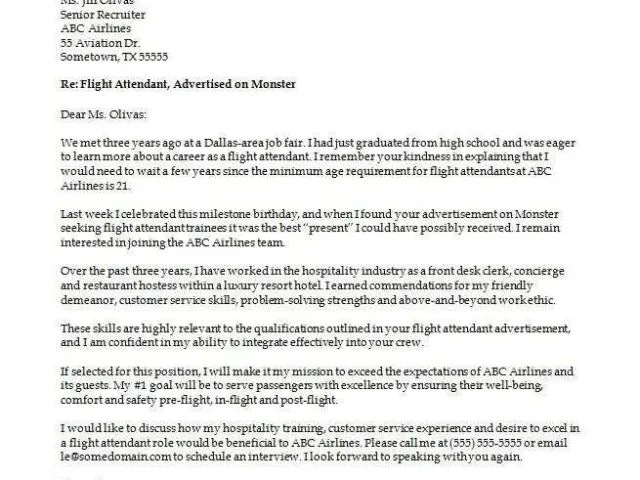
The Cover Letter: Why It Matters
In today’s competitive job market, a well-crafted cover letter can be the key to unlocking your dream job. It’s your first introduction to a potential employer, a chance to showcase your personality, skills, and passion for the role. Unlike your resume, which provides a snapshot of your experience, the cover letter allows you to tell a story, explaining why you are the perfect fit for the company and the position. It’s the ideal opportunity to demonstrate your communication skills and enthusiasm, setting you apart from other applicants. Ignoring this critical piece of the application process is a missed opportunity that can severely impact your chances of getting an interview. A strong cover letter not only highlights your qualifications but also reflects your understanding of the company’s needs and your genuine interest in the opportunity.
Mistake 1 Failing to Tailor Your Cover Letter
One of the most significant mistakes job seekers make is failing to tailor their cover letter to each specific job application. Sending out a generic cover letter to multiple employers is a surefire way to get your application tossed in the ‘reject’ pile. A generic letter lacks the personal touch and doesn’t demonstrate a genuine interest in the specific role or company. Employers can easily spot a generic cover letter, and it sends the message that you haven’t taken the time to understand their needs or tailor your application accordingly. Customization shows that you are serious about the opportunity and have invested the effort to understand what the employer is looking for.
Why Generic Cover Letters Fail
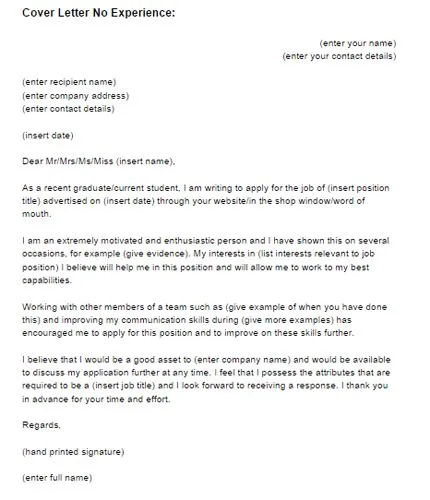
Generic cover letters fail because they lack relevance. They don’t address the specific requirements of the job or the unique aspects of the company. They often use vague language and don’t highlight the skills and experiences that are most relevant to the position. Employers want to see that you’ve taken the time to understand their company culture, values, and goals. A generic letter doesn’t provide that assurance. It reads as if you’re applying for any job, rather than showing a specific interest in the position and the company. Tailoring a cover letter, on the other hand, shows that you’ve done your research and are genuinely interested in the opportunity, significantly increasing your chances of getting noticed.
How to Research the Company
Thorough research is crucial for writing a compelling cover letter. Start by visiting the company’s website and exploring its ‘About Us’ section to understand its mission, values, and culture. Review the job description carefully, paying close attention to the required skills and qualifications. Look for keywords and phrases that you can incorporate into your letter. Check the company’s social media profiles (LinkedIn, Twitter, Facebook) to get a sense of its brand and recent activities. If possible, research the hiring manager or team you’ll be working with; understanding their background and interests can help you personalize your letter even further. Demonstrate in your letter that you understand the company’s goals and how you can contribute to them.
Mistake 2 Focusing Too Much on ‘I’
While it’s important to showcase your skills and experience, focusing solely on yourself in your cover letter can be a major turnoff. Instead of constantly using ‘I’ statements, shift the focus to how your skills and experiences can benefit the employer. Frame your accomplishments in terms of the value you can bring to the company, not just what you’ve done in the past. This approach demonstrates that you understand the employer’s needs and are focused on contributing to their success. The most effective cover letters are those that demonstrate a balance, weaving your qualifications into a narrative that benefits the prospective employer.
Highlighting Achievements and Skills

Instead of simply listing your skills, highlight your achievements. Use the STAR method (Situation, Task, Action, Result) to illustrate your accomplishments. Describe a situation, the task you were assigned, the actions you took, and the positive results you achieved. Quantify your accomplishments whenever possible; using numbers and data makes your claims more compelling and demonstrates your impact. For example, instead of saying ‘Improved customer service,’ say ‘Improved customer satisfaction scores by 15% through implementing a new training program.’ Connect your skills and achievements to the job requirements; demonstrate how your past experiences align with the company’s needs.
Quantifying Your Accomplishments
Quantifying your accomplishments is crucial for making a strong impression. Use numbers, percentages, and specific data to illustrate your impact. Instead of saying ‘Managed a team,’ say ‘Managed a team of 10 employees, resulting in a 10% increase in productivity.’ Quantifying your achievements makes them more tangible and credible. It shows that you can measure your success and provide concrete evidence of your abilities. By including metrics, you make it easier for the employer to understand the value you can bring to the role. Always strive to use numbers and data whenever possible to support your claims and showcase your accomplishments effectively.
Mistake 3 Not Proofreading
Failing to proofread your cover letter is a common and easily avoidable mistake that can significantly damage your chances. Typos, grammatical errors, and spelling mistakes create a negative impression, suggesting carelessness and a lack of attention to detail. Employers are looking for candidates who are meticulous and professional; errors in your cover letter can quickly disqualify you. Always proofread your cover letter multiple times, and consider having a friend or colleague review it as well. A fresh pair of eyes can often catch errors that you might miss. Taking the time to proofread demonstrates your professionalism and commitment to quality, increasing your chances of making a positive impression.
Common Grammar and Spelling Errors

Common grammar and spelling errors can be easily avoided with careful proofreading. Pay close attention to subject-verb agreement, correct tense usage, and proper punctuation. Misspelled words and typos undermine your credibility and make you appear unprofessional. Ensure that all proper nouns, company names, and job titles are spelled correctly. Use a grammar checker tool to identify and correct errors. Review your cover letter at least twice, reading it slowly and carefully to catch any mistakes. By taking these steps, you can eliminate common errors and present a polished and professional cover letter.
Tools for Proofreading
Several tools can help you proofread your cover letter effectively. Grammar checkers like Grammarly can identify grammar, spelling, punctuation, and style issues. Use the spell-check function in your word processor to catch obvious spelling mistakes. Read your cover letter aloud to identify awkward phrasing or sentence structure. Consider having a friend or colleague review your cover letter for a fresh perspective. These tools and techniques can help you catch errors and improve the overall quality of your cover letter. Regularly using these tools will help make the writing process easier and improve the quality of your application.
Mistake 4 Being Too Vague
Using vague language in your cover letter undermines your credibility and makes it difficult for employers to understand your qualifications. Avoid using generic phrases like ‘hard worker’ or ’team player.’ Instead, provide specific examples that demonstrate your skills and accomplishments. This means providing concrete evidence of your abilities. Vagueness gives the impression that you lack confidence in your abilities and are not able to articulate your strengths effectively. A well-written cover letter showcases your ability to communicate clearly and concisely, ensuring that the employer understands the value you bring to the table.
Provide Specific Examples

To avoid being vague, provide specific examples of your accomplishments and skills. Instead of saying ‘I have excellent communication skills,’ describe a situation where you effectively communicated to achieve a specific goal. Use the STAR method to structure your examples, providing details about the Situation, Task, Action, and Result. This approach allows you to demonstrate your abilities in a clear and concise manner. Use concrete details and data to support your claims. The more specific you are, the more compelling your cover letter will be. It is also easier for the reader to understand what you did and how you did it.
Use Action Verbs
Using strong action verbs can make your cover letter more impactful and dynamic. Action verbs show what you did and achieved, making your accomplishments more engaging and memorable. Examples include ‘managed,’ ’led,’ ‘developed,’ ‘implemented,’ ‘achieved,’ ‘improved,’ and ‘created.’ By incorporating action verbs, you can create a sense of energy and demonstrate your proactive approach. This active language is more engaging and makes your cover letter more persuasive. Action verbs can bring your accomplishments to life and leave a lasting impression on the reader.
Mistake 5 Forgetting a Call to Action
A cover letter should always end with a clear call to action. This encourages the employer to take the next step and consider you for an interview. Without a call to action, your cover letter might end abruptly, leaving the reader unsure of what to do next. A call to action gives the employer a direction and demonstrates your enthusiasm for the role. It also helps to move your application process forward. It can increase your chances of getting an interview by prompting the employer to respond to your application.
Expressing Enthusiasm

Expressing enthusiasm for the role and the company is a critical part of your cover letter. Show genuine interest in the opportunity and demonstrate how your skills and experience align with the company’s goals. Mention specific aspects of the job or company that appeal to you. This shows that you are not only qualified but also excited about the prospect of working for the employer. Your enthusiasm can be contagious, making you a more appealing candidate. Make sure your enthusiasm is genuine and not just a generic statement.
Making It Easy for the Employer
Make it easy for the employer to take the next step. Provide your contact information clearly and concisely. Include a statement expressing your availability for an interview and your eagerness to discuss your qualifications further. Thank the employer for their time and consideration. A simple, direct call to action increases your chances of getting a response. Ensure that your contact information is accurate and up-to-date. Your goal is to make it as simple as possible for the employer to contact you and invite you for an interview.