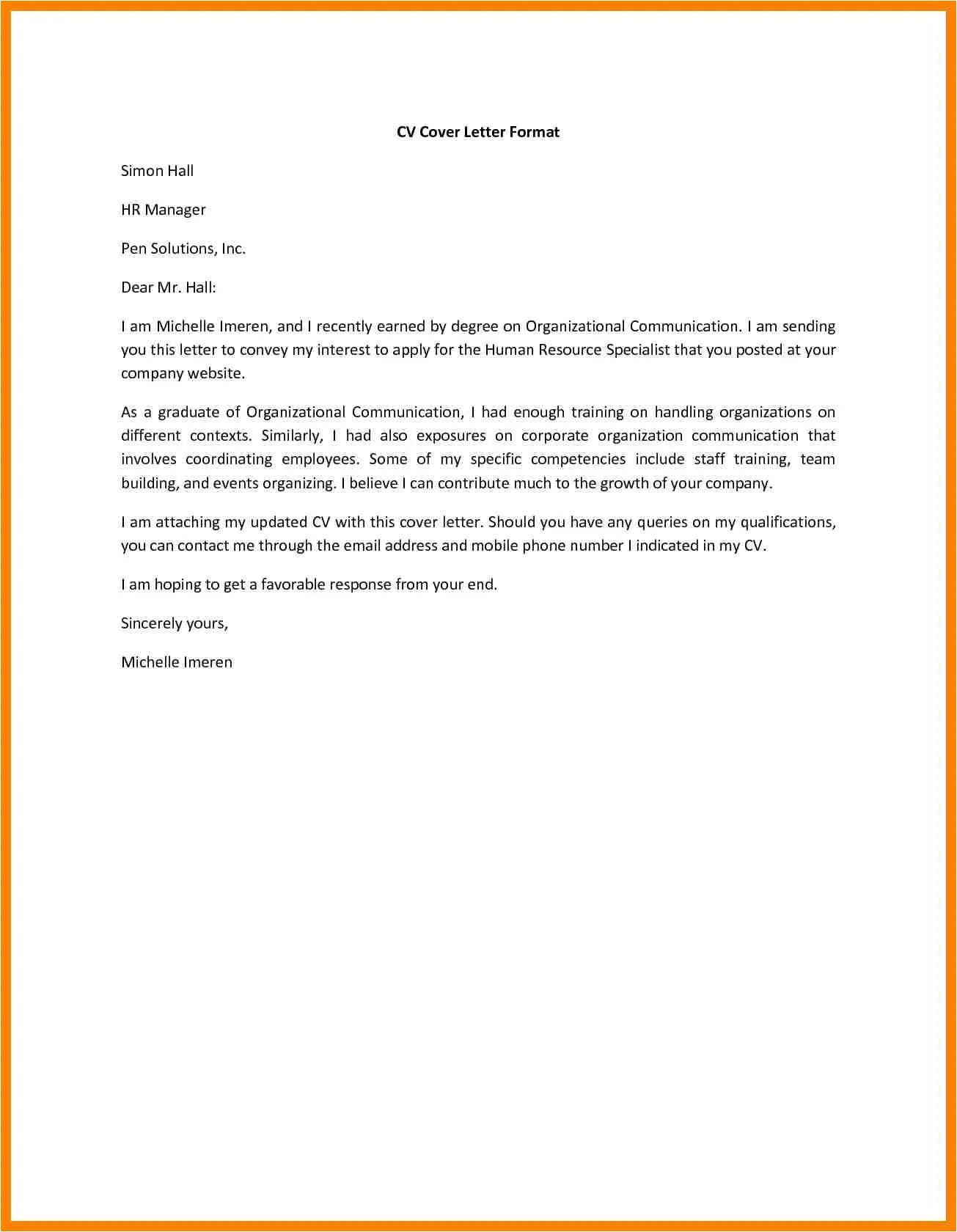
Cover Letter: Top 5 Must-Knows for Success!
A cover letter is a crucial component of any job application, serving as your first impression and an opportunity to showcase your personality, skills, and enthusiasm for a specific role. It’s not merely a reiteration of your resume; instead, it’s a dynamic document that allows you to elaborate on your qualifications and explain why you’re the ideal candidate. A well-crafted cover letter can significantly increase your chances of landing an interview, while a poorly written one can quickly lead to your application being overlooked. Understanding the key elements of a successful cover letter is essential for anyone navigating the job market. This guide will provide you with the top 5 must-knows for crafting a cover letter that grabs attention and helps you achieve your career goals.
Understanding the Purpose of a Cover Letter
The primary purpose of a cover letter is to introduce yourself and demonstrate your interest in a specific job. It allows you to explain why you’re a good fit for the role and the company. The cover letter is your chance to tell a story, highlighting how your skills and experiences align with the employer’s needs. It also provides an opportunity to address any potential gaps in your resume or explain career transitions. A compelling cover letter goes beyond simply listing your qualifications; it showcases your understanding of the company, the role, and the industry, demonstrating that you’ve done your research and are genuinely interested in the opportunity. By clearly articulating your value proposition, you can convince the hiring manager to take a closer look at your application. A well-written cover letter significantly increases your chances of moving forward in the hiring process.
Highlighting Relevant Skills and Experience

Your cover letter should focus on the skills and experiences most relevant to the job you’re applying for. Carefully review the job description and identify the key requirements, then use your cover letter to demonstrate how your qualifications meet those needs. Instead of simply listing your responsibilities from previous roles, provide specific examples of your accomplishments and how you’ve applied your skills to achieve results. Quantify your achievements whenever possible; for example, mention how you increased sales by a certain percentage or streamlined a process to save time and resources. Tailor your examples to the specific role, ensuring that you highlight skills that are directly applicable to the job’s requirements. By showcasing your capabilities and providing concrete examples of your success, you make a compelling case for why you’re the ideal candidate for the position. Always prioritize the most important skills and experiences that the employer is seeking, demonstrating that you have what it takes to excel in the role.
Tailoring Your Cover Letter to the Job Description
One of the biggest mistakes job seekers make is sending generic cover letters. To truly stand out, you must customize each cover letter to the specific job and company. This requires careful reading of the job description and thorough research on the organization. Identify the key requirements, values, and priorities of the employer, and then tailor your letter to address those specific points. Show that you understand the company’s mission, its culture, and the challenges it faces. Demonstrate how your skills and experiences align with their needs and how you can contribute to their success. Mention specific projects, initiatives, or accomplishments that are relevant to the role. Customizing your cover letter demonstrates that you’ve taken the time to understand the opportunity and are genuinely interested in the position, increasing your chances of getting noticed by the hiring manager. Take the time to personalize each application to ensure it aligns with the specific requirements of the role and company values.
Showcasing Your Enthusiasm and Personality
Your cover letter is an opportunity to let your personality shine through and express your enthusiasm for the job and the company. While it’s important to maintain a professional tone, don’t be afraid to inject some of your personality into your writing. Use a conversational style, and let your genuine interest in the role come through. Explain why you’re excited about the opportunity and what motivates you to apply. Share your understanding of the company’s mission and how you see yourself contributing to its goals. Showcasing your enthusiasm can make a significant difference, as it demonstrates that you’re not just looking for a job but are genuinely passionate about the opportunity. It humanizes your application, making it more memorable and increasing the likelihood of your being selected for an interview. Adding a touch of personality helps you connect with the hiring manager on a more personal level. Be sure your enthusiasm is genuine and aligned with your skills and experience.
Proofreading and Formatting Your Cover Letter

Attention to detail is critical when writing a cover letter. Before submitting your application, carefully proofread your letter for any errors in grammar, spelling, and punctuation. Errors can create a negative impression and suggest a lack of attention to detail, undermining your credibility. Use a clean, professional font and maintain consistent formatting throughout the document. Ensure that your letter is well-organized, with clear paragraphs and a logical flow. Consider using bullet points to highlight key skills or accomplishments. Review the letter multiple times, and ideally, have a friend or colleague proofread it as well. A polished, error-free cover letter demonstrates your professionalism and attention to detail, increasing your chances of making a positive impression on the hiring manager. Proper formatting and proofreading are essential steps in creating a compelling cover letter.
Dos and Donts of a Cover Letter
Dos of a Cover Letter
- Do tailor your cover letter to each specific job
- Do highlight relevant skills and experience
- Do quantify your accomplishments whenever possible
- Do proofread carefully for errors
- Do use a professional tone
Donts of a Cover Letter

- Dont use a generic cover letter
- Dont simply reiterate your resume
- Dont make the letter too long (aim for one page)
- Dont include negative information
- Dont have typos or grammatical errors