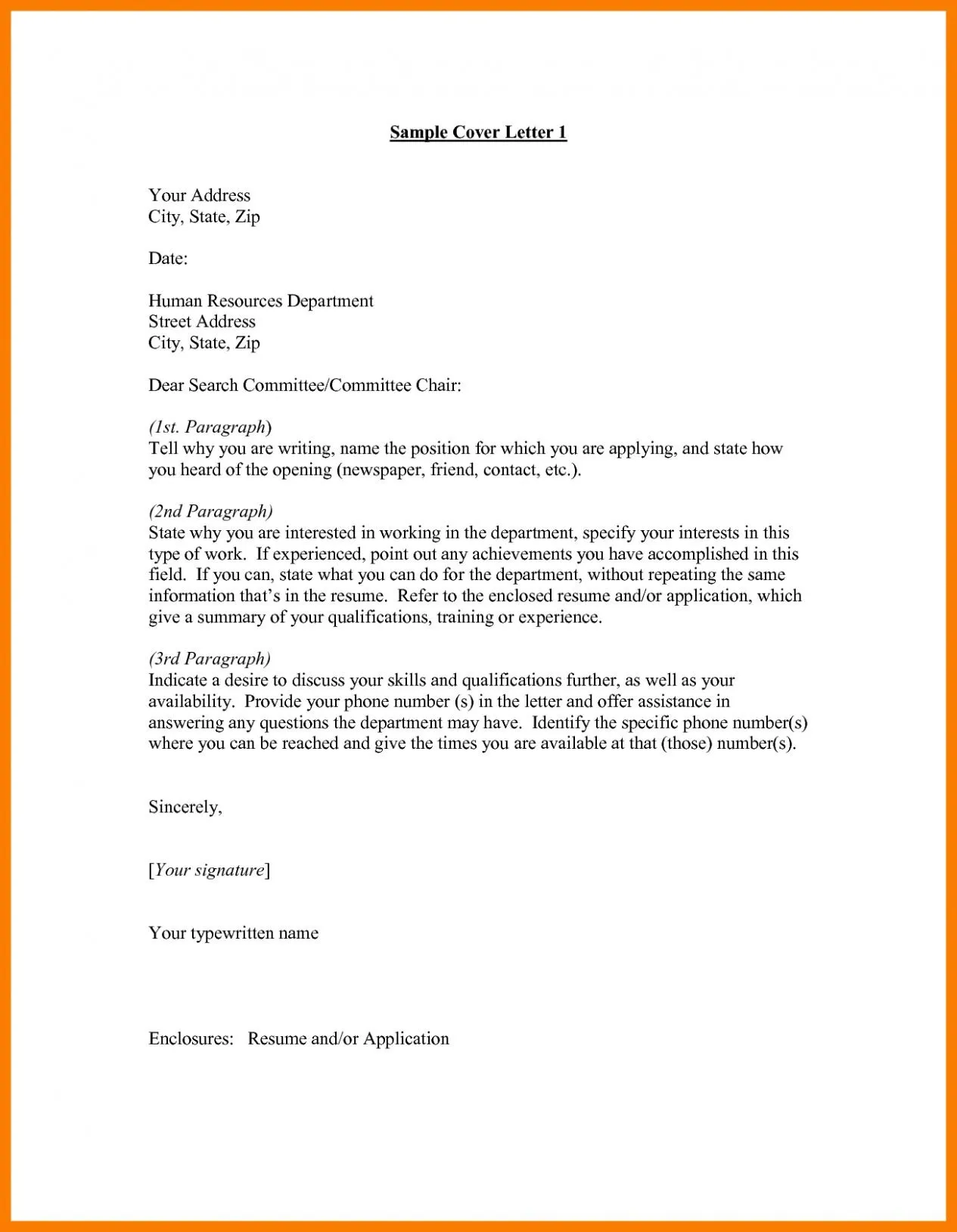
Cover Letter: Why Addressing Matters
The seemingly small detail of addressing your cover letter to the correct person can have a surprisingly large impact on your job application’s success. It shows that you’ve taken the time to research the company and the role, demonstrating initiative and attention to detail – qualities highly valued by employers. A properly addressed cover letter immediately sets you apart from applicants who use generic greetings or, worse, address the letter incorrectly. It shows that you’re not just sending out mass applications; you’re genuinely interested in this specific opportunity and have taken the extra step to personalize your approach. Ignoring this step could mean your application lands in the ’no’ pile, so let’s dive into how to get it right.
Finding the Right Person
Your primary goal is to find the name of the hiring manager or the person responsible for reviewing applications for the specific role. This is where your research skills come into play. Several avenues can help you uncover this crucial information. Take your time and do your research before submitting the letter.
Researching the Company

Start with the company’s website. Explore the ‘About Us’ or ‘Team’ sections. Look for profiles of team members involved in the department you’re applying to. Sometimes, a blog post or news article might mention the hiring manager’s name in relation to the job or the team. Check the website and make sure you find any information about a recruiter.
Checking the Job Posting
The job posting itself is your first port of call. Often, the hiring manager’s name or the name of someone to contact is explicitly mentioned. Review the posting carefully, looking for a contact person or a specific department that is responsible for recruitment for this role. Also, some company will share the email contact of the team.
Using LinkedIn
LinkedIn is an invaluable tool for finding the hiring manager. Search for the company and then the job title you’re applying for. Look at the people who work in that role or the department you’re targeting. You can often identify the hiring manager or recruiter through their profile. Also, check the “People” section of the company’s LinkedIn page. It is the best way to connect with the hiring manager or recruiter.
When the Hiring Manager is Unknown

If your research yields no specific name, don’t panic. There are still professional and effective ways to address your cover letter. While a specific name is always preferred, these alternatives ensure your letter still reaches the right audience.
Using a Generic Greeting
If you cannot find a specific name, use a professional greeting. However, avoid using generic salutations. Avoid overly casual greetings. While these may seem acceptable, they lack the personal touch of a targeted greeting. The goal is to make your cover letter more personalized, and in turn, show that you did your research.
Alternatives to ‘To Whom It May Concern’
The classic ‘To Whom It May Concern’ is outdated and impersonal. Instead, try: ‘Dear Hiring Manager’, ‘Dear [Department Name] Hiring Team’, or ‘Dear [Job Title] Team’. These options are polite, professional, and show you’ve put some thought into your application. These alternatives are much better and will show that you are a thoughtful candidate.
Addressing Specific Titles

Sometimes, the job posting will provide a specific title but not a name. This is a good opportunity to address your cover letter to the relevant person. Using the correct title, you can demonstrate that you pay attention to detail, which is a good indicator for the role you are applying for.
Human Resources Department
If the job posting or your research points you toward the Human Resources department, it’s perfectly acceptable to address your letter to ‘Dear Human Resources Department’. However, if you can find a specific recruiter’s name within the HR department, use that instead. Addressing your cover letter to the department also shows you know the proper steps to follow.
Hiring Manager Titles
Address your cover letter to the specific title that is related to the hiring manager. For example, if the job is for a marketing role, address it to the “Marketing Manager”. Using the correct title can show the employer that you have paid close attention to the job description and that you can follow directions. It also lets the hiring manager know that you are a great fit for the job.
What to Avoid

Just as there are right ways to address your cover letter, there are also some definite no-nos. Avoiding these common mistakes will help you make a positive impression.
Incorrect Names or Titles
Double-check the spelling of the hiring manager’s name and their title. Typos indicate a lack of attention to detail, a quality that’s important for most positions. A simple error can undermine the professionalism of your application and negatively impact the hiring manager. Taking the time to verify the details shows respect for the recipient and reflects your care in preparing your application.
Using Old Information
If you’re reusing a cover letter from a previous application, make sure you update the address information. A hiring manager will notice if you’ve addressed the letter to someone who no longer works at the company. This creates a negative impression.
The Impact of a Properly Addressed Cover Letter

Addressing your cover letter correctly is more than just a formality; it’s a demonstration of your professionalism, attention to detail, and genuine interest in the role. It shows you care enough to research the company and tailor your application. By following these guidelines, you’ll increase your chances of making a positive first impression and moving forward in the hiring process. Remember, in the competitive job market, every detail counts, and the effort you put into addressing your cover letter can significantly improve your prospects. Take the time to get it right, and you’ll be well on your way to landing your dream job.