What is a Cover Letter?
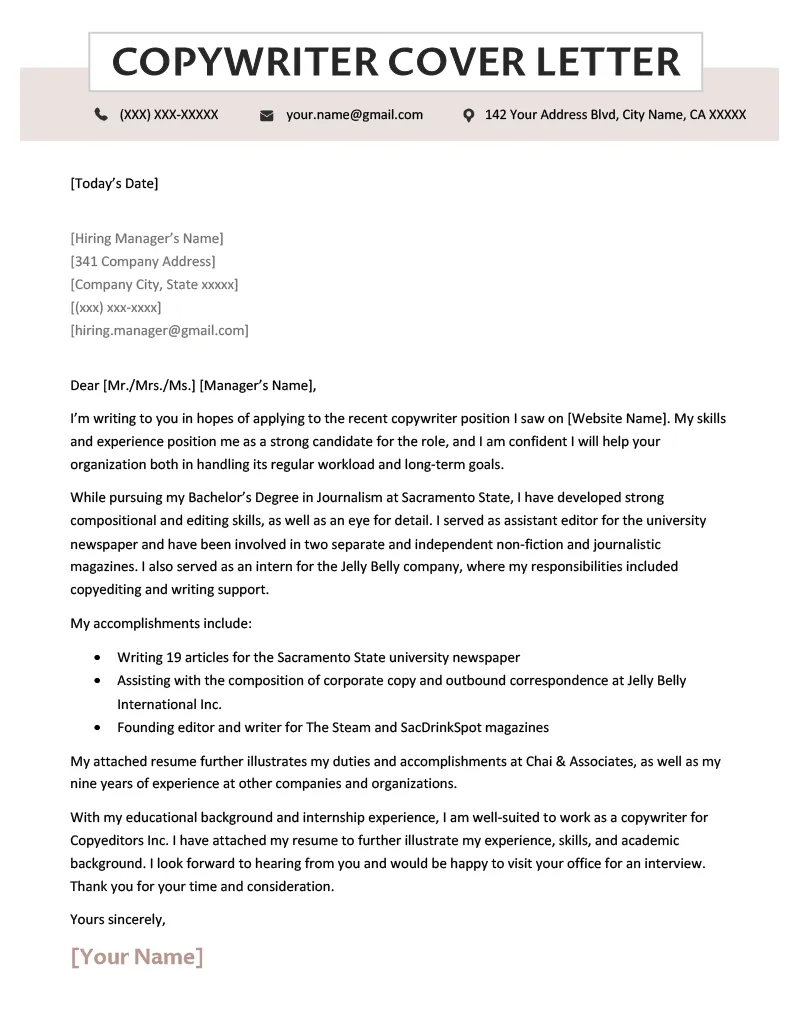
A cover letter is a crucial document that accompanies your resume when applying for a job. It serves as a personalized introduction, allowing you to elaborate on your qualifications, skills, and experiences, and explain why you are a perfect fit for the specific role and company. Unlike a resume, which provides a concise overview of your professional history, a cover letter enables you to tell a story, demonstrating your personality, passion, and how you can contribute to the organization’s success. Think of it as your first impression, the chance to make a strong case for why you deserve an interview. Mastering the art of crafting a compelling cover letter can significantly increase your chances of landing your dream job. It’s more than just listing your accomplishments, it’s about showing how those accomplishments align with the needs of the employer and the job description.
Why is a Cover Letter Important?
In today’s competitive job market, a well-written cover letter is indispensable. Many employers consider a cover letter to be an essential part of the application process. It allows you to differentiate yourself from other candidates by showcasing your unique skills, experiences, and personality. A cover letter helps you connect the dots between your qualifications and the job requirements, highlighting how your background aligns with the specific needs of the position. It also provides an opportunity to demonstrate your communication skills, attention to detail, and understanding of the company’s values and goals. Ignoring the cover letter can be a missed opportunity to make a strong first impression. It’s your chance to show the hiring manager that you’ve done your homework, that you understand the company, and that you’re genuinely interested in the role.
Key Components of a Cover Letter

A well-structured cover letter typically includes several key components, each playing a vital role in conveying your message effectively. Understanding these components and how to use them strategically can dramatically improve your cover letter. From the header to the closing, each section should be carefully crafted to make a lasting impression on the reader and compel them to consider your application. Properly formatting and organizing your cover letter not only helps you present your qualifications clearly but also demonstrates professionalism and attention to detail, both highly valued by employers in a potential job.
Header
The header of your cover letter should include your contact information, such as your full name, address, phone number, and email address. It should be positioned at the top of the document and be clearly visible. Ensure your contact information is accurate and up-to-date to make it easy for the employer to reach you. Consider including a link to your professional online profile, such as LinkedIn, to provide the hiring manager with additional information about your background and experience. A well-designed header sets a professional tone and ensures that the employer can easily contact you should they want to advance your application to the next stage of the process.
Recipient’s Information
Directly below your header, include the recipient’s information. This usually consists of the hiring manager’s name, title, the company’s name, and the company’s address. If possible, address your cover letter to a specific person, as it shows you have done your research and demonstrates your interest in the role. This personal touch can significantly increase your chances of getting noticed. If you cannot find the hiring manager’s name, use a professional salutation such as “Dear Hiring Manager” or “Dear [Department Name] Team.” Researching the hiring manager’s name is a sign of initiative and attention to detail.
Salutation

Your salutation sets the tone for the entire cover letter. Use a formal and professional salutation, such as “Dear Mr./Ms. [Last Name],” if you know the hiring manager’s name. If you are unsure, a professional alternative is “Dear Hiring Manager.” Avoid overly casual greetings. Starting your cover letter with a proper salutation demonstrates respect and attention to detail. Always double-check the spelling of the hiring manager’s name to avoid any errors, which can be a sign of carelessness. Getting the salutation right is important; it’s the first thing the hiring manager sees.
Body of the Cover Letter
The body of your cover letter is where you get to showcase your skills, experience, and enthusiasm for the role. It is crucial to make a strong impression in this section, providing a clear and concise narrative of why you are the ideal candidate. Structure your body into well-defined paragraphs to make your letter easy to read and understand. Aim for a balance between demonstrating your accomplishments and expressing your personality and passion for the opportunity. Ensure that the content aligns with the job description and provides specific examples of how your skills and experience have helped you succeed in the past.
First Paragraph Introduce Yourself and Purpose
The first paragraph of your cover letter should immediately grab the reader’s attention. Start by stating the position you are applying for and where you found the job posting. Briefly introduce yourself and mention your relevant experience and skills. Clearly state your purpose for writing the cover letter and express your interest in the role and the company. Make sure to tailor this paragraph to the specific job and the company’s needs. This is your chance to make a strong first impression and pique the hiring manager’s interest. A good opening paragraph sets the stage for the rest of your letter.
Second Paragraph Showcase Your Skills

In the second paragraph, highlight your key skills and how they align with the job requirements. Refer to the job description and identify the essential skills and qualifications the employer is looking for. Provide specific examples of how you have demonstrated these skills in previous roles or projects. Quantify your achievements whenever possible to demonstrate your impact. Use action verbs to describe your responsibilities and accomplishments. This paragraph should demonstrate that you possess the skills necessary to succeed in the role, making a convincing case that you are a strong candidate for the position.
Third Paragraph Highlight Your Achievements
The third paragraph should focus on your achievements and how they have benefited past employers. Provide specific examples of your accomplishments, using the STAR method (Situation, Task, Action, Result) to provide context and show your impact. Focus on quantifiable results, such as increased sales, improved efficiency, or successful project completion. Demonstrate how your achievements align with the company’s goals and values. By highlighting your achievements, you showcase your ability to deliver results and contribute to the success of the organization, proving you are an asset.
Fourth Paragraph Express Enthusiasm
In the fourth paragraph, express your enthusiasm for the opportunity and the company. Explain why you are interested in the role and what excites you about the company’s mission, values, or products. Show that you have researched the company and understand its culture and goals. Reiterate your interest and summarize why you are a good fit for the position. This paragraph is your opportunity to show your personality and make a lasting impression. Conclude by expressing your eagerness to learn more and the opportunity to discuss your qualifications in an interview.
Closing and Call to Action

The closing paragraph of your cover letter is as important as the opening paragraph. This is your last chance to make a positive impression and encourage the employer to take the next step. Use a formal closing and include a call to action to prompt the employer to contact you for an interview. Ensure your closing is professional and courteous, leaving a lasting impression on the reader.
Formal Closing
Use a formal closing such as “Sincerely,” “Best regards,” or “Yours sincerely.” Avoid informal closings, like “Thanks” or “Cheers,” which can come across as unprofessional. Ensure that the closing aligns with the tone of your cover letter and the company’s culture. This section should be concise and professional, serving as a polite way to end your letter.
Sign-off
After the formal closing, leave space for your signature. If submitting a digital cover letter, you can type your name. For a physical copy, you should handwrite your signature. Always include your typed name below your signature. Following up your cover letter with a professional sign-off leaves a lasting impression on the hiring manager. It also demonstrates that you understand workplace expectations.
Proofreading and Formatting

Proofreading and formatting your cover letter is essential to ensure it is polished and professional. Thoroughly proofread your letter for any grammatical errors, spelling mistakes, or typos. Use a professional and easy-to-read font, such as Times New Roman or Arial, and maintain consistent formatting throughout the document. Use proper spacing, margins, and alignment. Have someone else proofread your cover letter to catch any errors you may have missed. A well-formatted and error-free cover letter reflects your attention to detail and professionalism, increasing your chances of success in the job application process. Make sure your document is clean and easy to read; the best cover letter will get overlooked if it is messy or unclear.