Why Cover Letters Still Matter
In today’s competitive job market, many question whether cover letters are still relevant. The truth is, a well-crafted cover letter is more vital than ever. While your resume provides a snapshot of your skills and experience, your cover letter is your chance to tell a story. It lets you showcase your personality, passion for the role, and explain why you’re the perfect fit. This document gives you the opportunity to make a strong first impression and differentiate yourself from other applicants, demonstrating genuine interest. Ignoring the cover letter is a missed opportunity to create a connection with the hiring manager, highlighting key achievements and aligning your aspirations with the company’s needs. It is a vital component of any job application strategy, showcasing what makes you unique.
Crafting a Compelling Cover Letter
Crafting a compelling cover letter requires more than a simple restatement of your resume. It’s about creating a narrative that captures the reader’s attention and motivates them to learn more about you. It begins with understanding the objective: to persuade the hiring manager that you warrant an interview. The tone should be professional and engaging, reflecting your distinctive voice. Every sentence should contribute to the central theme of why you are the best candidate. Tailor your letter to match the job description and the company’s culture, making sure your letter resonates with the reader. By showing how your background and experience align with the job’s requirements, you emphasize your suitability for the role.
Understanding Your Audience

Before writing, identify your audience: the hiring manager or the individual responsible for reviewing applications. Research their background and the company’s culture to understand their expectations and priorities. Discovering their perspective allows you to adapt your letter to their particular needs and concerns. Think about the qualities they seek in a candidate and their common challenges. This research helps you choose the most relevant examples from your experience and customize your language to connect with them. Demonstrating that you understand their needs converts your cover letter from a generic document to a personalized and persuasive pitch.
Researching the Company
Thorough company research is essential to crafting a cover letter that stands out. Look at their website, explore their social media profiles, and read news articles about their current projects and initiatives. Identify their mission, values, and recent accomplishments or challenges. This information gives context to tailor your cover letter, demonstrating your understanding of the company’s goals and how your skills and experience can help them succeed. Mention specific projects, values, or initiatives that align with your interests, demonstrating genuine interest. Showing that you have done your homework proves you’re not just applying for any job, but specifically for a role within this organization. This level of detail differentiates your application.
Highlighting Your Key Skills and Experience
Emphasize the most relevant skills and experiences. Instead of just listing your qualifications, offer specific examples of how you’ve used these skills and the results you achieved. Utilize the STAR method (Situation, Task, Action, Result) for each key skill or experience. Describe the situation, the task you faced, the action you took, and the results. This method shows your abilities. Align your skills with the job requirements by using keywords and phrases from the job description. Doing this makes it easier for the hiring manager to see how you fit into the position.
Show, Don’t Just Tell

Rather than simply stating your skills, demonstrate them through examples. Instead of just saying you are a good team player, provide a specific instance of successful collaboration. Use action verbs to describe your accomplishments, painting a vivid picture of your capabilities. Quantify your achievements whenever possible. For example, instead of “Improved customer satisfaction,” say “Increased customer satisfaction by 15% by implementing a new feedback system.” Providing concrete examples and measurable results enhances the credibility of your cover letter. This approach sets you apart, leaving a lasting impression.
Structuring Your Cover Letter
A well-structured cover letter is easy to read and keeps the hiring manager engaged. Use a clear and organized format with distinct sections to guide the reader. Begin with a compelling opening paragraph that grabs attention and clearly states the purpose of your letter. The body should elaborate on your key skills and experiences, providing specific examples. End with a strong closing paragraph that reiterates your interest and expresses your eagerness for an interview. Maintain a professional and consistent tone throughout, ensuring your application leaves a positive impression. The structure of your cover letter is as crucial as the content itself.
The Opening Paragraph
Your opening paragraph is your opportunity to capture the hiring manager’s attention from the start. State the position and where you found the opportunity, consider mentioning a referral if applicable. Clearly express your enthusiasm for the role. Show that you have done your research and understand the company’s needs. Avoid generic phrases like “I am writing to express my interest.” Instead, start with a concise statement that highlights your most relevant qualification or an achievement. Keep it brief and to the point, enticing the hiring manager to continue reading. The opening paragraph sets the tone.
The Body Paragraphs

The body paragraphs are where you expand on your skills and experience, connecting them to the job requirements. Focus each paragraph on a specific qualification, using concrete examples to support your claims. Use action verbs to describe your achievements and quantify results. Highlight how your skills align with the company’s needs, and provide evidence that you have what it takes to succeed. The body of your cover letter should showcase your personality and enthusiasm. Focus the content and keep it concise, making it clear how you would contribute.
The Closing Paragraph
Your closing paragraph should summarize your key qualifications and reiterate your interest in the position. Express your enthusiasm to discuss your application further in an interview. Thank the hiring manager and include a clear call to action, such as “I look forward to hearing from you soon.” Ensure that your contact information is readily available. Maintain a professional tone, leaving a lasting impression. The closing paragraph is your last chance to make a strong impression, so reflect your enthusiasm.
Formatting and Presentation
The formatting and presentation are crucial for creating a professional impression. Choose a clean, easy-to-read font such as Arial, Calibri, or Times New Roman, with a consistent font size (11 or 12 points). Use single-spaced lines with a space between paragraphs. Ensure margins are set to 1 inch on all sides, providing ample white space. Avoid excessive use of bolding, underlining, or italics, as this can distract the reader. Include a professional-looking letterhead with your contact information and the date. Your cover letter should be visually appealing, reflecting your attention to detail and professionalism.
Formatting for Readability

Formatting for readability is essential. Use short paragraphs and concise sentences for easy digestion. Break up text with bullet points or numbered lists. Ensure consistent spacing and use headings and subheadings to organize your content. Avoid jargon and use a professional, friendly tone. A well-formatted cover letter shows that you respect the reader’s time.
Proofreading and Editing
Proofreading and editing are critical. Mistakes in grammar, spelling, and punctuation can create a negative impression and undermine your credibility. Carefully review your letter for any errors. Use a spell checker and grammar checker, but don’t rely solely on them. Read your cover letter aloud and have a friend review it. A polished, error-free cover letter shows you are detail-oriented and committed to making a positive impression.
Common Cover Letter Mistakes to Avoid
Avoiding common mistakes is essential. Generic content that doesn’t address job requirements can be a major issue. Avoid failing to tailor your cover letter to the job description. Generic content demonstrates a lack of effort. Other common mistakes include typos and grammatical errors, which make you look unprofessional. Also, ignoring the job description, by not highlighting relevant skills, is another significant error. Avoiding these pitfalls ensures your application will stand out.
Generic Content

One of the biggest mistakes is using generic content. A cover letter that could be sent to any company demonstrates a lack of interest. Tailor your cover letter to each job and company. Research the company, understand the role, and highlight the skills and experiences that align with the job requirements. Personalize your letter by mentioning specific projects, values, or initiatives that interest you. This personalization distinguishes your application.
Typos and Grammatical Errors
Typos and grammatical errors undermine your credibility. Proofread your letter carefully before submitting it. Use a spell checker and grammar checker. Read your letter aloud. Ask a friend to review it. An error-free cover letter shows your professionalism.
Ignoring the Job Description
Failing to align your cover letter with the job description is a major mistake. The job description provides key insights into the employer’s needs. Identify the skills, experiences, and qualifications the employer is seeking. Highlight these in your letter, providing specific examples. Customize your letter to use keywords from the job description. Tailoring your letter increases your chances of success.
Tailoring Your Cover Letter
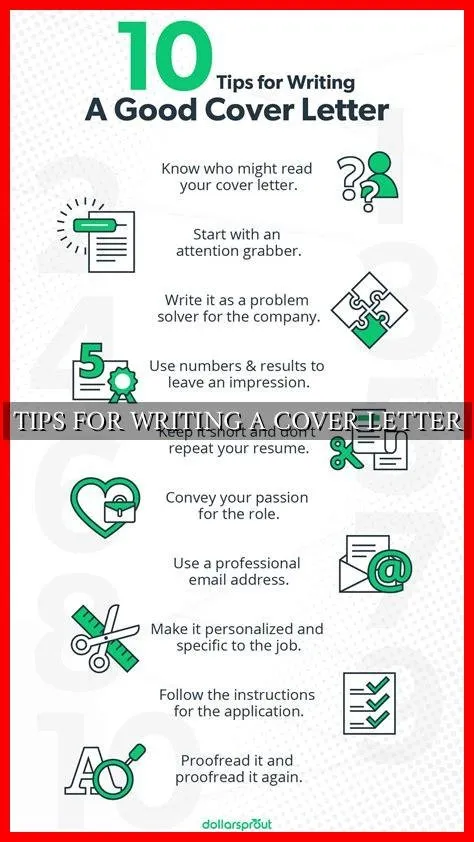
Tailoring your cover letter creates a personalized and effective application. A generic letter fails to capture the hiring manager’s attention. Tailoring involves customizing your letter to each job and company. Show you have researched the role and understand the employer’s needs. Demonstrate your genuine interest. Focus on the company and how you can use your skills to address their needs. This will enhance the likelihood of your application standing out.
Customizing for Each Application
Customizing for each application is vital for a successful job search. Sending the same generic cover letter for every job application is ineffective. Tailor your letter by highlighting the most relevant skills and experiences. Research the company, and demonstrate that you understand their mission, values, and initiatives. Show that you are addressing the specific requirements in the job description. Customize your cover letter to make sure you are addressing the specific needs of the role you are applying to. This personalization increases the likelihood of your application standing out and gives you the best chances of success.
Using Keywords
Using relevant keywords from the job description increases your chances. Employers use applicant tracking systems (ATS) to screen applications. By incorporating keywords, you increase the likelihood of your cover letter passing the ATS and reaching the hiring manager. Use keywords naturally, highlighting your skills and experiences. This can significantly improve your application’s visibility.
Cover Letter Examples

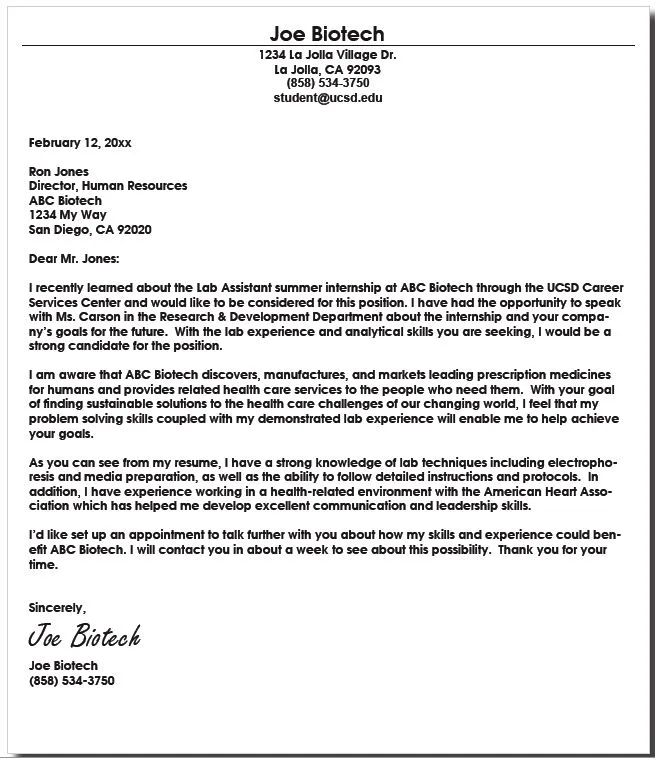
Reviewing examples provides insight into best practices. Many resources offer examples for various industries. Analyze the structure, language, and content. Pay attention to how authors highlight skills, tailor letters, and create a compelling narrative. This will help you. Adapt and incorporate effective techniques to create your own cover letter.
Cover Letter Example 1
Here’s an example of an opening. “Dear [Hiring Manager Name], I am writing to express my enthusiastic interest in the Marketing Manager position at [Company Name], as advertised on [Platform]. With over five years of experience leading marketing campaigns and a proven track record of increasing brand awareness and driving revenue growth, I am confident that I possess the skills and passion to excel in this role and contribute significantly to your team. In my previous role at [Previous Company], I successfully developed and implemented a marketing strategy that resulted in a 20% increase in lead generation within six months.” This demonstrates enthusiasm, experience, and includes quantifiable achievements.
Cover Letter Example 2
Here’s a well-written body paragraph. “In my previous role as a software developer at [Previous Company], I was responsible for developing and implementing new features. I worked with a team of developers to ensure we delivered high-quality code. I have experience working with various programming languages and tools, including Java, Python, and Git. I am proficient in designing, coding, and testing software applications and enjoy collaborating with teams to solve complex problems. My ability to communicate well, coupled with my ability to quickly learn new technologies, made me a valuable asset to the development process.” This paragraph demonstrates skills and touches on the job description.
Cover Letter Example 3

Here’s an example of a closing paragraph. “Thank you for considering my application. I am eager to learn more about the [Position] opportunity at [Company Name] and discuss how my skills and experience align with your needs. My resume provides additional details about my qualifications and achievements. I am available for an interview at your earliest convenience and can be reached at [Phone number] or [Email address]. I look forward to hearing from you soon. Sincerely, [Your Name].” This summarizes interest, offers availability, and includes contact information.
Final Thoughts on Cover Letter Writing
Writing a cover letter is an essential part of your job application. It’s your chance to create a positive first impression, highlight your skills, and demonstrate your value. Taking the time to craft a compelling letter can significantly increase your chances of securing an interview and getting a job offer. Follow all of the tips. Tailor your letter, use proper formatting, and proofread. You can write a cover letter that helps you stand out from the competition and land your dream job. Don’t underestimate the power of a well-written cover letter.